Black Friday deals are live on Amazon · limited-time discounts, grab them before they’re gone
Grab the deals

ByMax Lee
What Is Touchfree Car Wash: Ultimate Guide to Spotless Shine
A touchfree car wash—also written as touchless car wash—cleans your vehicle without brushes, wash mitts, or cloths contacting the paint. Instead, automated equipment applies detergents, rinses the vehicle with pressurized water, and usually finishes with air blowers.
This approach can reduce the risk of brush-induced swirl marks and is convenient for routine cleaning. However, “touchfree” does not mean every contaminant will disappear. Heavy road film, bonded brake dust, tree sap, and tar may still require careful hand cleaning or detailing. For more on this, see our guide on oklahoma antique car registration guide for 25 year.
In this guide, you’ll learn how touchfree washing works, what it removes, how it compares with other methods, and how to choose a facility that leaves your vehicle genuinely clean—not merely wet.

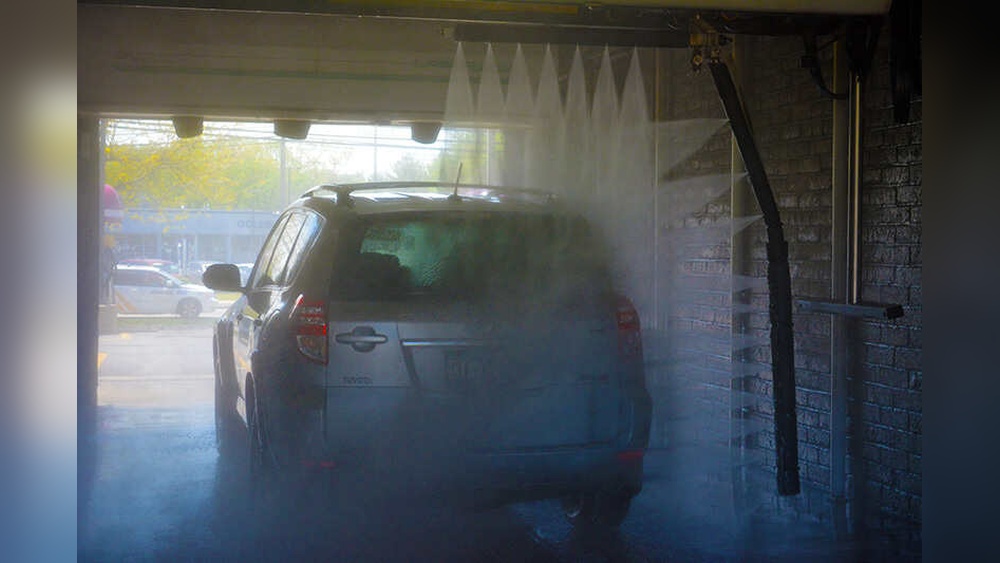
High-pressure spray and detergent clean the vehicle without physical contact.
Credit: www.spotfreecar.com
What Does “Touchfree Car Wash” Mean?
A touchfree car wash uses no physical cleaning material against the vehicle’s exterior. The equipment relies on a combination of:
- A pre-rinse to loosen surface dirt
- Vehicle-safe detergents to dissolve road film
- High-pressure water to flush away loosened contamination
- Spot-free or filtered rinse water at some facilities
- Air blowers to remove much of the remaining water
The wash bay may be automatic, self-service, or part of a larger tunnel system. Sensors or programmed spray arms help position the nozzles around the vehicle, but the exact technology differs by operator. For more on this, see our guide on ny antique car registration guide for 25 year.
The central benefit is reduced physical friction. Dirt trapped between a brush and the clear coat is a common cause of micro-marring. By eliminating brushes, touchfree systems remove that particular source of contact damage.
Touchfree, touchless, and brushless
These terms are generally used interchangeably in the car-wash industry. They all describe a process intended to clean the exterior without brushes or cloths touching the paint.
“Touchfree” does not necessarily mean:
- The vehicle receives a full professional detail
- The wash removes every stain or bonded contaminant
- The chemicals are automatically environmentally friendly
- No part of the facility contacts the tires or underside
- The vehicle will leave completely dry
Read the operator’s service description rather than relying only on the label.
How a Touchfree Car Wash Works
Although wash programs vary, most automatic touchfree systems follow a predictable sequence.
1. Vehicle positioning and inspection
You drive into the bay, follow the equipment instructions, and usually fold in the mirrors or remove loose accessories if directed. Before starting, check for:
- Loose trim or emblems
- Cracked or poorly sealed windows
- Loose license-plate frames
- Roof racks, antennas, or aftermarket accessories
- Freshly repaired paint or peeling clear coat
A touchfree wash is less likely to snag a loose part than a brush tunnel, but high-pressure spray can still expose an existing weakness.
2. Pre-rinse
A broad spray removes loose dust, sand, mud, and salt. This stage matters because detergent works more effectively when it is not overwhelmed by loose soil.
If the car is heavily muddy, a second pre-rinse is useful. Do not assume one quick spray will safely remove thick deposits.
3. Chemical application
The system applies one or more detergents. A typical program may include:
- Pre-soak for road film
- High-alkaline cleaner for traffic grime and oily deposits
- Foaming detergent for general dirt
- Wheel cleaner for brake dust
- A final sealant or drying aid
The chemical is given a short dwell time so it can loosen contamination. It should remain wet; if it dries on the paint, it can leave residue or spotting.
4. High-pressure rinse
Nozzles sweep around the body, glass, wheels, and lower panels. Pressure and spray distance are selected by the equipment manufacturer, but the result depends on nozzle condition, water volume, vehicle shape, and the amount of soil present.
High pressure is excellent at flushing loose contamination from panel gaps, wheel spokes, and the underbody. It is less effective against material that has chemically bonded to the surface.
5. Final rinse and drying
Some facilities use filtered or reverse-osmosis water for the final rinse. This can reduce mineral spots as the vehicle dries. Air blowers then push water from the roof, mirrors, door handles, grille, and panel gaps.
Many facilities do not use cloth drying in a genuinely touchfree bay. If a service advertises “touchless” but adds a hand towel or cloth stage, ask what material is used and how it is maintained.
Touchfree Versus Other Car-Wash Methods
No single method is best for every situation. The right choice depends on how dirty the vehicle is, how sensitive the finish is, and how much time you have.
| Method | Main cleaning action | Main advantage | Main limitation |
|---|---|---|---|
| Touchfree automatic | Detergent and pressurized water | Minimal paint contact and fast service | May leave bonded grime behind |
| Soft-cloth tunnel | Cloth strips, detergent, and water | Often removes more road film | Shared cloth can carry contamination if poorly maintained |
| Hand wash | Wash media, water, and chemical agitation | Best control over delicate areas | Requires proper technique and more time |
| Rinseless wash | Lubricated solution and microfiber towels | Uses little water and works in suitable conditions | Requires careful technique and a reasonably light soil load |
| Self-service bay | User-controlled wand and detergent | Lets you target wheels and lower panels | Results depend heavily on user technique |
For the lowest possible contact with the paint, touchfree is the clear choice. For maximum cleaning of neglected paint, a careful hand wash may perform better because controlled agitation can remove contamination that spray alone cannot.
If you prefer hand washing after a gentle pre-rinse, use a controlled two-bucket cleaning setup to separate wash solution from rinse water.
Benefits of a Touchfree Car Wash
Reduced risk of swirl marks
The most important advantage is the absence of shared brushes or cloths rubbing against your clear coat. This reduces the chance that abrasive particles will be dragged across the paint.
It does not make the process completely risk-free. Strong chemicals, poor rinsing, contaminated surroundings, or existing paint defects can still cause problems. Nevertheless, eliminating contact removes one major source of fine scratches.
Convenient routine cleaning
A touchfree wash is useful when you need to remove:
- Road salt
- Dust and pollen
- Light mud
- Fresh bird droppings
- Winter grime
- Loose insect residue
- General traffic film
Regular removal is preferable to allowing contamination to sit on the finish for weeks. In practice, a quick wash after salty winter driving or a muddy trip can be more valuable than waiting for a perfect detailing session.
Access to difficult areas
Spray reaches places that are awkward to clean with a mitt, including:
- Wheel wells
- Undercarriage components
- Grilles
- Door-jamb edges
- Behind some wheel spokes
- Lower rocker panels
Coverage still varies by machine. A vehicle with complex bodywork, wide wheels, or aftermarket accessories may have sheltered areas that remain dirty.
Lower risk for delicate graphics and accessories
Because no cloth or brush is dragged across the surface, touchfree washing can be a sensible option for vehicles with vinyl graphics, stripes, or custom finishes. However, loose decals, peeling edges, matte wraps, and damaged clear coat should be treated cautiously. High-pressure water can worsen an existing edge or defect.
Limitations and Trade-Offs
It may not remove bonded contamination
Touchfree washing is not a substitute for decontamination or paint correction. You may still see:
- Tree sap
- Tar and asphalt spots
- Industrial fallout
- Water-scale deposits
- Old insect remains
- Embedded brake dust
- Oxidation or faded paint
These require a suitable chemical treatment or controlled mechanical cleaning. Do not increase pressure indefinitely to remove them; excessive pressure can damage trim, seals, or vulnerable paint.
Strong chemicals require sensible maintenance
Touchfree systems depend more heavily on chemistry than brush systems do. A facility may use alkaline pre-soaks, acidic wheel cleaners, or drying agents. Correct dilution, dwell time, and rinsing are important.
Frequent exposure to aggressive products can gradually reduce the performance of waxes, sealants, or some coatings. If your vehicle has a specialty coating, follow the coating manufacturer’s care instructions and choose a wash that offers a maintenance-safe program.
Drying is often incomplete
Blowers remove standing water, but water can remain around:
- Mirrors
- Door handles
- Window trim
- Badges
- Grilles
- Fuel doors
- Wheel spokes
If the final rinse is not mineral-controlled, those droplets may dry into spots. A clean microfiber towel can finish the job, provided the vehicle is only lightly soiled and the towel is reserved for clean surfaces. A dedicated microfiber drying towel helps reduce streaks and unnecessary friction.
How to Choose a Quality Touchfree Car Wash
Not every touchfree facility delivers the same result. Evaluate the process, not just the price.
Look for a complete wash sequence
A good program should explain whether it includes:
- Pre-rinse
- Detergent or pre-soak
- Dwell time
- High-pressure rinse
- Wheel or underbody cleaning
- Spot-free final rinse
- Air drying
A program that rushes from soap to rinse may leave more film behind than one with a properly timed chemical stage.
Check equipment condition
Clean surroundings are a useful signal. Look for:
- Clear, well-maintained spray nozzles
- Functional blowers
- Clean payment and control panels
- No standing sludge around drains
- Clearly posted vehicle restrictions
- Staff who can explain the wash cycle
Worn or blocked nozzles can create uneven coverage. In practice, poor maintenance often explains a disappointing wash more than the touchfree concept itself.
Consider water treatment and wastewater handling
Ask whether the final rinse uses filtered or spot-free water and whether the facility recycles water. These features can improve drying results, but claims vary by location and equipment.
Do not assume “eco-friendly” means a wash uses less water or that every detergent is harmless. Water consumption, reclaim systems, chemical selection, and wastewater controls should be evaluated separately. The U.S. Environmental Protection Agency provides broader information on pollution prevention and responsible water management.
Compare single-wash and membership pricing
An unlimited plan can make sense if you wash frequently, especially during winter or pollen season. Before joining, check:
- Whether the plan applies to one vehicle or multiple vehicles
- Whether there is a contract or cancellation process
- Which wash tier is included
- Whether underbody or wheel services cost extra
- Whether the facility operates year-round
- Whether the same plan works at other locations
Choose a membership for repeated convenience, not because the most expensive package automatically cleans better.
Best Practices Before Entering the Wash
A few minutes of preparation can improve both safety and results.
- Remove loose items from the exterior, including temporary signs, magnetic accessories, and unsecured cargo.
- Close windows and the sunroof completely.
- Fold mirrors if the facility instructs you to do so.
- Check the antenna and roof accessories.
- Secure the fuel door and charging-port cover.
- Inspect for loose trim or peeling decals.
- Select the correct vehicle mode if the equipment provides instructions for automatic braking, neutral, or conveyor use.
- Rinse unusually heavy mud first when possible.
Avoid entering immediately after applying a product that needs to cure, such as some paint sealants or coatings. Follow the product manufacturer’s waiting period.
How Often Should You Use a Touchfree Wash?
There is no universal schedule. Wash according to exposure rather than a rigid calendar.
A practical starting point is:
- Every one to two weeks for vehicles driven daily in normal conditions
- Soon after driving on salted winter roads
- After heavy mud or construction-zone dust
- Promptly after bird droppings, insects, or tree residue
- Before contamination dries and bonds to the finish
Very frequent washing is not automatically harmful, but repeated strong chemical cycles may shorten the life of waxes and some sealants. If the car is only lightly dusty, a gentler maintenance method may be more appropriate.
After washing, inspect the paint in shade or soft light. If the vehicle looks clean but still feels rough, the remaining issue is likely bonded contamination rather than a failed wash.
Caring for the Finish Afterward
Touchfree washing works best as part of a broader maintenance routine.
- Dry remaining water from mirrors, handles, and panel gaps.
- Clean glass with a product intended for automotive windows.
- Inspect wheels after they cool; brake dust may need separate treatment.
- Reapply a compatible wax, sealant, or coating maintenance product as needed.
- Use clean towels and keep paint towels separate from wheels and lower panels.
- Keep tire pressure correct and inspect tires while the vehicle is clean. A portable air-compressor setup for tires can make routine checks easier at home.
- Avoid wiping a visibly gritty panel with a dry towel.
A common mistake is using a touchfree wash as permission to wipe away leftover dirt immediately. If the surface still has grit, rinse again or use a properly lubricated hand-wash process instead.
Environmental Considerations
A commercial car wash may manage wastewater more responsibly than washing a vehicle on an untreated driveway, but the answer depends on local rules and the facility’s equipment.
Commercial facilities may use:
- Water-reclaim systems
- Filtration and settling tanks
- Metered spray cycles
- Low-flow nozzles
- Detergents formulated for vehicle washing
- Drainage systems connected to permitted treatment infrastructure
At-home washing can send oil, brake dust, heavy metals, detergents, and road residue into storm drains. Whether a commercial wash uses less total water than a careful home wash depends on the equipment, program, and maintenance. Avoid treating broad “green” claims as proof without specific information.
Touchfree Car Wash Myths and Facts
Myth: Touchfree means completely scratch-proof
Fact: It removes brush contact, which lowers one major source of scratching. It cannot protect against every cause of damage, including loose trim, contaminated towels, harsh chemicals, or pre-existing defects.
Myth: High pressure removes everything
Fact: Pressure works well on loose soil but is not a guaranteed solution for tar, sap, mineral scale, or embedded contamination. Chemical dwell time and follow-up care often matter more than simply increasing pressure.
Myth: Every touchfree wash is safe for every finish
Fact: Most factory paint finishes tolerate normal automated washing, but matte paint, wraps, peeling clear coat, fresh repairs, loose decals, and aftermarket parts may need special instructions.
Myth: A spot-free rinse eliminates all water spots
Fact: Filtered final water can reduce mineral spotting, but remaining water may still collect in crevices or mix with residue on the vehicle. Drying quality and surface condition still matter.
Myth: The most expensive package is always best
Fact: Extra wax, foam, or tire products may improve appearance temporarily, but the fundamentals are pre-rinse, appropriate chemistry, complete coverage, thorough rinsing, and effective drying.

Automated spray arms apply cleaning solution and rinse water without brushes.
Credit: zoomcarwash.com.au
When a Touchfree Wash Is the Best Choice
Choose touchfree when:
- You want to minimize paint contact.
- The vehicle has light-to-moderate surface dirt.
- You need a quick wash after winter road treatment.
- The vehicle has graphics or a finish you do not want brushed.
- You can accept that some bonded contamination may remain.
- You want a convenient pre-clean before careful hand washing.
A different method may be better when the vehicle is heavily soiled, has baked-on contamination, or needs paint correction. For a neglected car, a professional detailer can assess the finish and choose safer chemical and mechanical steps.

Final rinsing helps remove loosened road film before the vehicle dries.
Credit: finishlineclean.com
Frequently Asked Questions
What is a touchfree car wash?
A touchfree car wash cleans a vehicle with detergents, pressurized water, and air drying rather than brushes, wash mitts, or cloths touching the paint. It reduces the risk of contact-related swirl marks but may not remove bonded contaminants such as tar, sap, or mineral scale.
Is a touchfree car wash safe for car paint?
A properly operated touchfree wash is generally suitable for factory automotive paint. Because it avoids physical scrubbing, it can be a good option for reducing brush-related marring. However, strong chemicals, defective equipment, loose trim, peeling paint, and existing damage can still create risk.
Does touchfree washing prevent scratches?
It greatly reduces scratches caused by shared brushes or cloths dragging dirt across the paint. It does not make the vehicle scratch-proof. Abrasive wiping after the wash, damaged bodywork, harsh chemicals, or other contact can still mark the finish.
Does a touchfree wash clean better than a hand wash?
Not always. Touchfree systems are convenient and consistent for loose road grime, but careful hand washing can remove more contamination because it provides controlled agitation. Hand washing also carries greater scratch risk if the wash media, rinse process, or drying technique is poor.
Can I use a touchfree wash on a ceramic coating?
Many ceramic-coated vehicles can use touchfree washing, but the detergent and maintenance program should be compatible with the coating. Avoid assuming that every wax, sealant, or high-alkaline chemical is suitable. Follow the coating manufacturer’s care instructions.
Will a touchfree wash remove brake dust?
It may remove loose brake dust, especially when the facility has a dedicated wheel-cleaning stage. Baked-on or chemically bonded deposits often require a separate wheel cleaner and careful manual treatment.
Is touchfree washing environmentally friendly?
It can reduce driveway runoff and may use water-reclaim or treatment systems, but “touchfree” alone does not prove a facility is environmentally responsible. Water use, chemical formulation, recycling, and wastewater management all matter.
How often should I wash my car with a touchfree system?
Wash when contamination builds up, commonly every one to two weeks for a frequently driven vehicle. Wash sooner after salt, mud, bird droppings, or heavy insect exposure. Adjust the schedule if the facility uses aggressive chemistry or if your finish has a specialty coating.
Final Verdict: Is a Touchfree Car Wash Worth It?
A touchfree car wash is a practical way to remove everyday road dirt while avoiding the physical contact that can create brush-induced swirl marks. Its strongest advantages are speed, convenience, access to underbody and wheel areas, and reduced friction against the paint.
Its limitations are equally important: spray and detergent may not remove bonded contamination, drying can be incomplete, and chemical quality varies between facilities. For the best results, choose a well-maintained wash with a complete pre-soak, effective rinse, and spot-control process. Use touchfree washing for routine maintenance, then handle stubborn contamination with the correct detailing method rather than more pressure.
Choose a reputable local wash, protect the finish between visits, and inspect the vehicle after every cycle for a consistently cleaner, glossier result.








