ByMax Lee
NC Accident Reporting: Over $1000 Damage Rules
If you’ve been in a crash in North Carolina, you might not realize that North Carolina reporting a traffic accident to state police for damages over $1000 is mandatory, not optional. Many drivers assume only injury crashes require official reports, or that they can handle minor damage claims on their own. That assumption can lead to criminal charges, license suspension, or denied insurance claims.
As of 2026, North Carolina’s mandatory reporting threshold remains $1,000 in total property damage, per N.C. Gen. Stat. § 20-166.
The rules apply whether you’re at fault or not, and they differ slightly depending on where the crash happened and who responded.


YouTube / Christopher Cardenas (YouTube thumbnail (fair-use with source credit))
Quick Answer
If your North Carolina crash causes over $1,000 in property damage, you must report it. This applies if the crash happened on a state-controlled road like an interstate or U.S. route. If local police filed an official report, you don’t need to call state police separately.
You still must file a DMV report within 10 days if no law enforcement filed a crash report. Failing to meet these rules is a Class 1 misdemeanor in North Carolina.
Why North Carolina’s $1,000 Accident Reporting Rule Matters
This rule exists to document crashes for insurance, liability, and road safety tracking. Unlike many states, North Carolina mandates reporting for high property damage even if no one is hurt.
Failing to comply can result in criminal charges, license suspension, and denied insurance claims. Many drivers only learn about the rule after they’ve already faced consequences for not reporting a qualifying crash.
How North Carolina’s Crash Reporting Law Works
North Carolina’s accident reporting requirements are in N.C. Gen. Stat. § 20-166.
You can read the full text on the North Carolina General Assembly’s official website. The statute divides reporting into two separate mandates.

YouTube / PCS to Fort Bragg, North Carolina (YouTube thumbnail (fair-use with source credit))
One mandate applies to reporting to law enforcement at the scene. The other applies to reporting to the NC DMV after the crash. Both trigger when a crash causes over $1,000 in property damage, results in injury or death, or leaves a vehicle disabled.
The law applies to all drivers, regardless of fault.
The Two Separate Reporting Requirements You Need to Know
Many drivers don’t realize there are two distinct reporting rules for qualifying crashes in North Carolina. Mixing up these requirements is a common cause of penalties.
| Requirement | Trigger | Deadline | Who Files It | Where to Submit |
|---|---|---|---|---|
| On-scene state police reporting | Crash on state road with >$1,000 damage, injury, death, or disabled vehicle | Immediate, at the scene | All involved drivers | Call *HP (*47) for State Highway Patrol |
| 10-day DMV crash report | Any qualifying crash where no law enforcement filed a report | Within 10 days | All involved drivers | NC DMV via mail or in-person |
The on-scene mandate only applies to crashes on state-maintained roads. These include all interstate highways, U.S. numbered routes, and state secondary roads. The 10-day DMV mandate applies to any qualifying crash in the state, regardless of location.
Who Handles Your Crash: State Police vs. Local Police
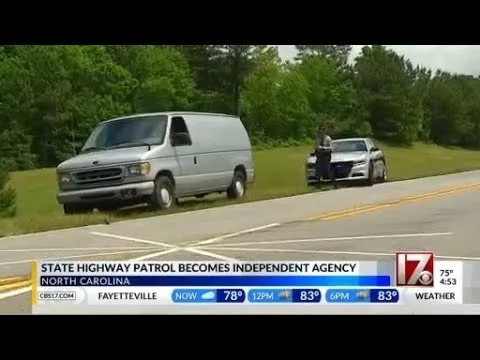
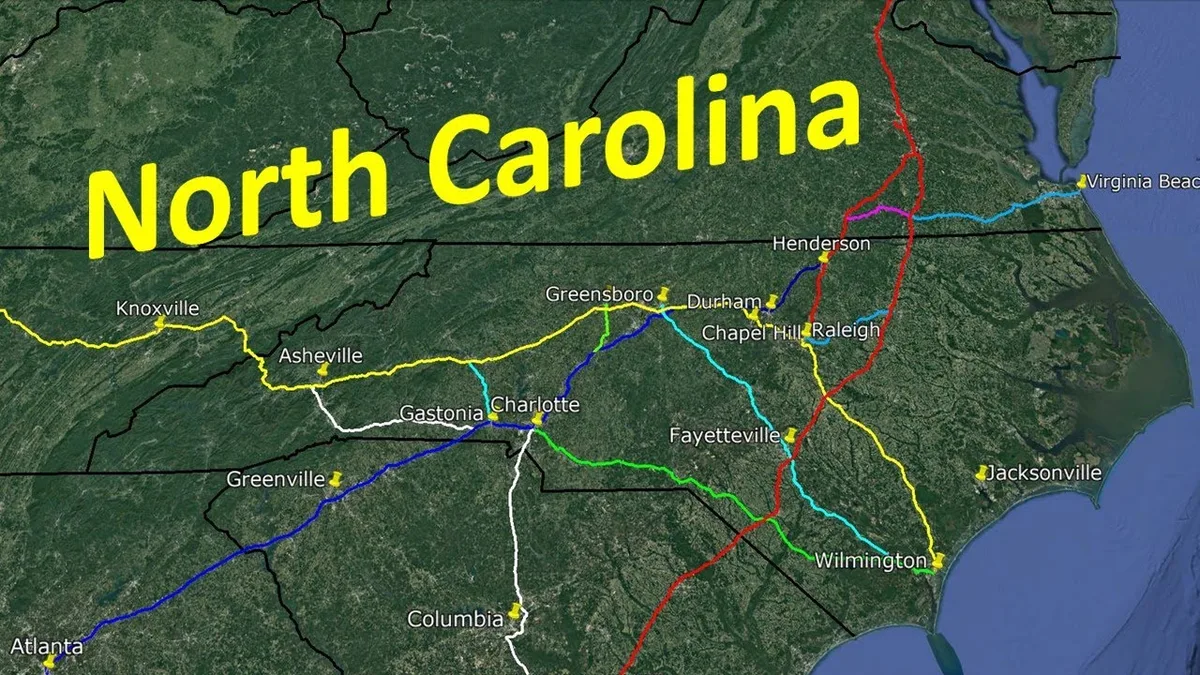
The North Carolina State Highway Patrol has primary jurisdiction over all state-controlled roadways. Local police or county sheriff’s deputies only have jurisdiction over municipal roads and private property within their limits.
If you crash on I-40, I-95, I-85, or any U.S. route, the State Highway Patrol is the responding agency. Local police will not handle the crash unless they arrive first. You can confirm jurisdiction on the official North Carolina State Highway Patrol website.
YouTube / Fly above America (YouTube thumbnail (fair-use with source credit))
Call *HP (*47) from the scene if you’re unsure. The dispatch operator will confirm the correct responding agency.
Step-by-Step: Reporting to NC State Police After a Crash
First, ensure everyone is safe and move vehicles out of traffic if possible. Then call *HP (*47) to reach the North Carolina State Highway Patrol dispatch.
Provide the dispatcher with your location, the number of vehicles involved, and whether there are injuries. Stay on the line until an officer arrives. The responding trooper will document the crash and file an official report if damage exceeds $1,000 or other thresholds are met.
If you’re on a state road and no trooper arrives within a reasonable time, call *HP again. Do not leave the scene until law enforcement has documented the crash.
How to File the 10-Day DMV Report If Police Didn’t Respond
If no law enforcement filed a report at the scene, you must submit a CR-3 form to the NC DMV within 10 days. This applies even if the crash happened on private property or a municipal road. The form is available on the NC DMV website.

YouTube / Kreger Brodish LLP (YouTube thumbnail (fair-use with source credit))
Fill out the CR-3 completely, including all vehicle details, driver information, and a description of the crash. Both drivers involved must submit their own forms. Incomplete or late submissions can lead to penalties.
You can submit the form by mail or in person at any NC DMV office. Keep a copy for your records and insurance purposes.
What Counts as $1,000+ in Damage?
The $1,000 threshold includes the total estimated cost to repair all vehicles involved. This covers parts, labor, and any related expenses. If the total exceeds $1,000 for all vehicles combined, the crash must be reported.

YouTube / Collision Hub (YouTube thumbnail (fair-use with source credit))
Even minor damage can add up quickly. A dented bumper, broken headlight, and misaligned frame can easily surpass the threshold. If you’re unsure, get a repair estimate from a licensed shop before deciding whether to report.
If a vehicle is totaled, its fair market value counts toward the $1,000 threshold. Always err on the side of reporting if you’re close to the threshold.
The Real Consequences of Not Reporting
Failing to report a qualifying crash is a Class 1 misdemeanor in North Carolina. This can result in up to 120 days in jail and a fine of up to $1,000. The court may also suspend your driver’s license for at least 30 days.
Insurance companies can deny claims if you didn’t file a required report. Without an official crash report, you may struggle to prove fault or recover damages.
Non-reporting can also complicate civil lawsuits. The other driver could sue you for damages, and without an official report, proving your case becomes much harder.
Common Mistakes That Get Drivers in Trouble
Many drivers assume that only the at-fault driver needs to report the crash. In North Carolina, all involved drivers must report qualifying crashes. Even if you believe the other driver will handle it, you’re still legally responsible.
Another common mistake is underestimating damage costs. What looks like minor damage can often exceed $1,000 in repair costs. Always get a professional estimate if you’re unsure.
Some drivers think reporting to their insurance company is enough. Insurance reporting does not replace the legal requirement to report to law enforcement or the DMV.
Finally, waiting too long to file the DMV report is a frequent issue. The 10-day deadline is strict, and late submissions can result in penalties.
What to Do If You’re Unsure About the Damage Cost
Get a professional repair estimate as soon as possible. Many body shops will provide a free estimate if you explain you need it for accident reporting purposes.
If you can’t get an estimate immediately, document the damage thoroughly with photos. Note the make, model, and year of all vehicles involved. This helps adjusters and repair shops provide more accurate estimates later.
When in doubt, report the crash. The legal risks of not reporting far outweigh the inconvenience of filing a report for a crash that might not meet the threshold.
FAQs About NC’s $1,000 Accident Reporting Rule
Does the $1,000 threshold apply per vehicle or total for all vehicles?
The $1,000 threshold applies to the total property damage for all vehicles involved in the crash. If the combined repair costs exceed $1,000, the crash must be reported regardless of individual vehicle damage.
What if the other driver says they’ll handle the reporting?
You’re still legally required to report the crash yourself. North Carolina law mandates that all involved drivers file reports for qualifying crashes.
Can I report the crash online?
No, as of 2026 the NC DMV does not accept online submissions for the CR-3 crash report form. You must submit it by mail or in person at a DMV office.
What happens if I report late?
Late reporting can result in the same penalties as failing to report at all. The 10-day deadline for DMV reporting is strict.
Do I need to report if the crash was on private property?
Yes, if the damage exceeds $1,000 or other thresholds are met. The location doesn’t change the reporting requirement.
Final Checklist: Did You Cover Everything?
Use this checklist to ensure you’ve met all North Carolina accident reporting requirements.

YouTube / FESH2 Coaching & Consultancy (YouTube thumbnail (fair-use with source credit))
First, confirm whether the crash happened on a state road. If yes, you called *HP (*47) and a State Highway Patrol trooper filed a report. If no, check whether local police filed a report at the scene.
Next, verify the damage amount. If it’s over $1,000 or there were injuries, ensure a report was filed. If no law enforcement filed a report, submit your CR-3 form to the DMV within 10 days.
Finally, keep copies of all reports and documentation. You’ll need these for insurance claims and potential legal proceedings. Double-check that all involved drivers have also filed their required reports.
Use this checklist to ensure you’ve met all North Carolina accident reporting requirements.
YouTube / FESH2 Coaching & Consultancy (YouTube thumbnail (fair-use with source credit))
First, confirm whether the crash happened on a state road. If yes, you called *HP (*47) and a State Highway Patrol trooper filed a report. If no, check whether local police filed a report at the scene.
Next, verify the damage amount. If it’s over $1,000 or there were injuries, ensure a report was filed. If no law enforcement filed a report, submit your CR-3 form to the DMV within 10 days.
Finally, keep copies of all reports and documentation. You’ll need these for insurance claims and potential legal proceedings. Double-check that all involved drivers have also filed their required reports.