ByMax Lee
Waterless Car Wash Safety: Safe for Wrapped Vehicles or Risky Scratch?
You want your car to look spotless without spending hours or using gallons of water. Waterless car washes promise just that—quick, easy cleaning with no mess.
But if your vehicle is wrapped, you might be wondering: Is this method really safe? Could it damage your wrap or leave scratches? You’ll discover the truth about waterless car wash safety and learn how to protect your investment while keeping your car shining.
Keep reading to find out exactly what you need to know before trying a waterless wash on your wrapped vehicle.
What Is Waterless Car Wash
Waterless car wash is a way to clean cars without using water. It uses special cleaning sprays that break down dirt and dust. These sprays are safe and easy to use on all car surfaces.
The process involves spraying the product on the car’s surface, then wiping it with a soft microfiber cloth. This lifts the dirt away without scratching the paint or wrap. It saves water and is good for places with water limits.
Waterless car wash is ideal for cars that are only lightly dirty. If the car has heavy mud or grime, washing with water first is better. This method is quick and helps keep wrapped vehicles clean without damage.
Credit: www.carwash.com
How Waterless Wash Works
A waterless car wash cleans the vehicle without using water. It uses special cleaning solutions that lift dirt and grime from the surface. These solutions contain lubricants to prevent scratches while wiping.
To clean, spray the solution on a small area. Use a soft microfiber cloth to gently wipe away dirt. The cloth traps dirt particles so they do not scratch the paint or wrap.
This method works well for light dirt and dust. It is quick and saves water. But heavy mud or stuck dirt may need a regular wash first.
Benefits For Wrapped Cars
Waterless car wash helps keep vinyl wraps safe. It preserves vinyl integrity by using gentle cleaning methods. No harsh scrubbing means less chance of scratches or damage. This method avoids the water damage risks that come with regular washing. Wrapped cars don’t get soaked, so glue and edges stay strong longer.
Waterless washing also has eco-friendly advantages. It saves water by using only a small spray or wipe. This helps protect the environment and cuts down on waste. Plus, it is quick and easy, making it a smart choice for wrapped vehicles.
Potential Risks To Wrapped Vehicles
Waterless car wash can sometimes cause scratches and swirl marks on vehicle wraps. Dirt and dust left on the surface may rub against the wrap during cleaning. This friction can damage the wrap’s smooth finish. Using a soft microfiber cloth helps reduce this risk.
Residue buildup is another concern. Some waterless products leave behind a sticky or oily film. This can attract more dirt over time, making the wrap look dull. Regularly wiping the wrap with a clean cloth prevents residue from forming.
Product compatibility matters a lot. Not all waterless wash solutions suit every wrap type. Harsh chemicals can weaken the wrap’s adhesive and cause peeling. Always check product labels to ensure they are safe for vinyl wraps.
Choosing The Right Products
Safe ingredients for vinyl wraps include water-based cleaners and mild surfactants. These keep the wrap shiny and prevent damage. Avoid products with strong acids or alkalis, as they can weaken the vinyl and cause fading.
Avoiding harsh chemicals is key to protect the vehicle wrap’s surface. Ingredients like ammonia, bleach, or strong solvents may strip the wrap’s protective layer. Choose products labeled as vinyl-safe or pH-balanced.
Test any new product on a small area first. This step helps ensure it won’t scratch or discolor the wrap. Gentle cleaning keeps the wrap looking fresh and smooth for longer.
Proper Technique For Waterless Wash
Use clean, soft microfiber cloths for the best results. Avoid rough materials that can cause scratches. Fold the cloth to create multiple clean surfaces. This helps keep dirt away from your vehicle’s wrap.
Spray the waterless wash product on a small section. Gently wipe the area with the cloth in straight, overlapping strokes. Do not rub hard. This prevents damage to the wrap.
Turn the cloth to a clean side often. This removes dirt safely without spreading it. Use a fresh cloth if the first one gets too dirty.
| Step | Action |
|---|---|
| 1 | Spray waterless wash on a small area |
| 2 | Wipe gently with folded microfiber cloth |
| 3 | Use straight, overlapping strokes |
| 4 | Turn cloth to a clean side often |
| 5 | Replace cloth if it gets too dirty |
Comparing Waterless Wash With Traditional Wash
Waterless car wash uses special sprays to lift dirt without water. It cleans light dirt and dust well. Traditional wash uses water and soap to remove heavy dirt and grime effectively. Waterless wash might struggle with mud or sticky grime. Traditional washing rinses off all residues thoroughly.
Waterless wash is gentle on vehicle wraps. It reduces risk of scratches since it uses soft cloths and no water pressure. Traditional wash can be rough if brushes or sponges are not clean, causing scratches on wraps.
| Aspect | Waterless Wash | Traditional Wash |
|---|---|---|
| Cleaning Effectiveness | Good for light dirt and dust | Better for heavy dirt and grime |
| Risk to Wrap | Low risk of scratches | Higher risk if not careful |
| Water Use | No water needed | Uses lots of water |

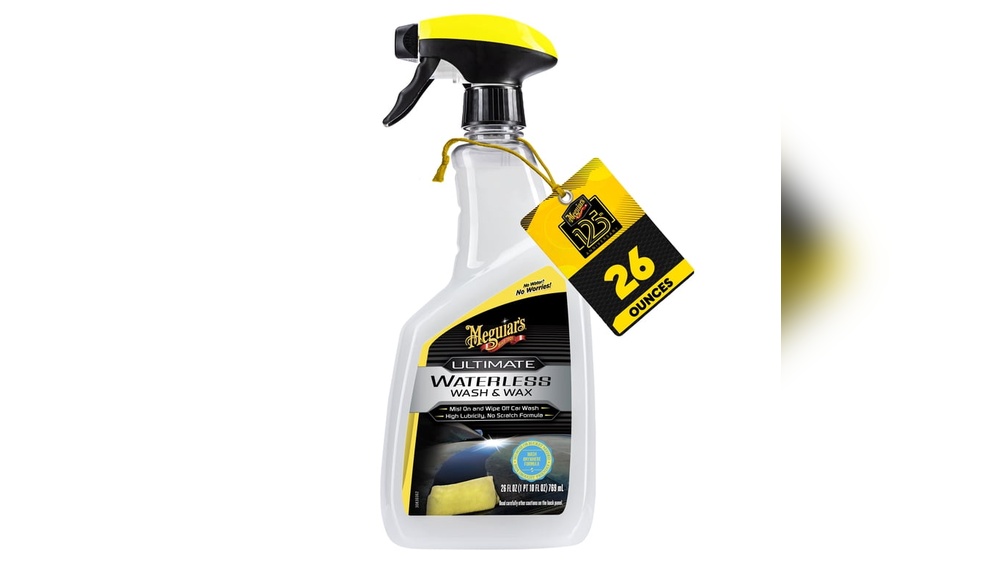
Credit: www.walmart.com
Expert Tips For Wrap Maintenance
Keeping a regular cleaning schedule helps protect your car wrap. Dirt and dust can damage the wrap if left too long. Spot cleaning removes small dirt patches quickly without a full wash. This saves time and keeps the wrap looking fresh.
A full wash is needed sometimes to clean the whole car. Use waterless car wash products made for wraps to avoid scratches. Always use a soft microfiber cloth and gentle motions. Avoid harsh chemicals or abrasive tools that can harm the wrap’s surface.
| Cleaning Type | When to Use | Best Practices |
|---|---|---|
| Spot Cleaning | Small dirt or spots | Use waterless wash and soft cloth |
| Full Wash | When car is very dirty | Use gentle soap and soft cloth |
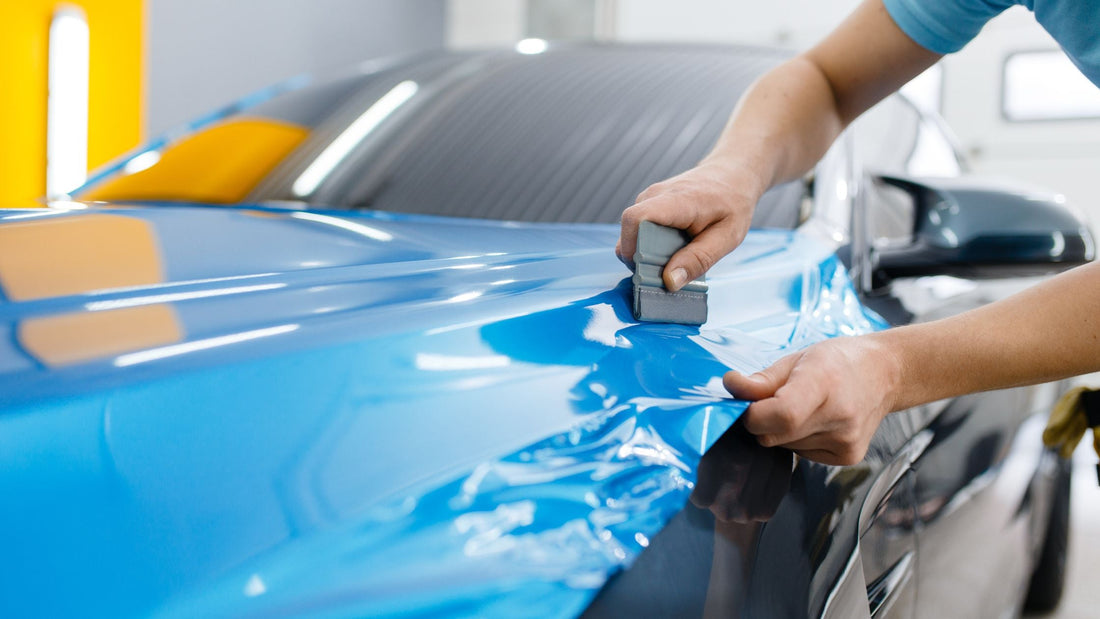
Credit: stonercarcare.com
Conclusion
Waterless car wash products can be safe for wrapped vehicles. Choosing the right product matters a lot. Always pick ones made for delicate surfaces. Use a soft microfiber cloth to avoid scratches. Gentle cleaning and proper technique help protect your wrap.
Testing on a small area first is smart. Regular care keeps your vehicle looking fresh longer. Waterless washing offers convenience without risking damage. Clean your wrapped car with care and confidence.