ByMax Lee
Ppf Edge Lifting: How to Prevent Your Pressure Washer from Peeling Your Film Safely
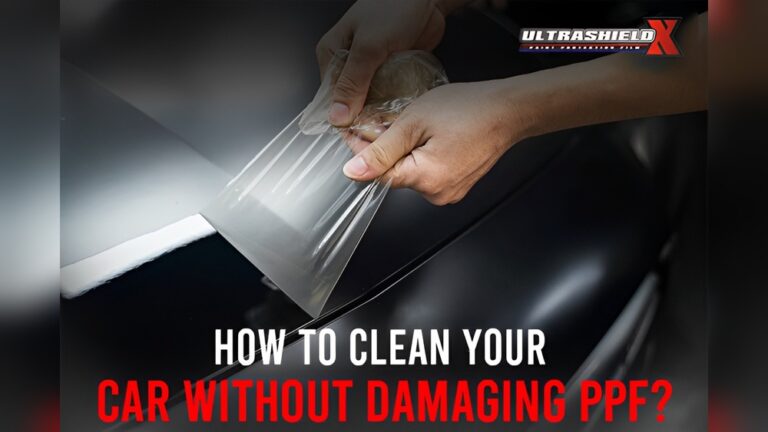
Are you frustrated because your paint protection film (PPF) starts peeling off after using a pressure washer? You’re not alone.
Many car owners love keeping their vehicles spotless but don’t realize that the wrong washing technique can cause the edges of your PPF to lift. This not only ruins the look of your car but can also shorten the life of your film.
You’ll discover simple, effective ways to prevent PPF edge lifting and keep your film intact while still enjoying a powerful clean. Keep reading to protect your investment and keep your car looking flawless!
Credit: autozcrave.com
Causes Of Ppf Edge Lifting
High water pressure can easily lift the edges of paint protection film (PPF). Strong jets push under the film, causing it to peel. Using a pressure washer too close or at full power raises the risk.
Incorrect spray angle also damages PPF edges. Spray hitting edges directly forces water beneath the film. Angling the spray away from edges helps protect the film’s seal.
Low-quality film often has weak adhesive. This makes it easier for water and dirt to get under edges. Choosing a good quality PPF ensures stronger adhesion and longer life.
Environmental factors like dust, heat, and moisture weaken the film’s edges over time. Dirt buildup and sun exposure can dry out the adhesive. Regular cleaning and parking in shade reduce edge lifting risks.

Credit: www.reddit.com
Risks Of Peeling Ppf
Peeling PPF can cause serious damage to your car’s paint. The paint may get scratched or exposed to dirt and water. This leads to rust and corrosion, which weakens the car’s surface.
The cost of repairs rises quickly if peeling happens. Fixing paint protection film or repainting parts is expensive. Small peeling spots often turn into bigger problems, raising repair bills.
Aesthetic issues are another problem. Peeling film looks bad and makes the car appear old or poorly cared for. This lowers the vehicle’s resale value and can hurt your pride in owning it.
Choosing The Right Pressure Washer Settings
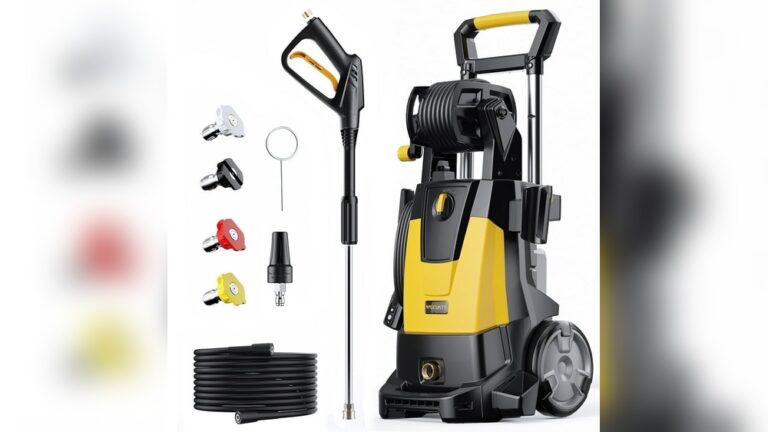
Use a pressure level under 1200 PSI to protect the film. Higher pressure can cause edge lifting or peeling. Choose a setting that cleans well without damage.
Nozzles control water flow and pressure. A 25-degree nozzle works best. It spreads water gently. Avoid zero-degree nozzles, as they are too strong and risky.
Water temperature matters too. Use cold or lukewarm water. Hot water can weaken the film glue. Stay below 100°F (38°C) to keep the film safe.
Safe Washing Techniques
Keep the pressure washer nozzle at least 12 inches away from the film edges. This distance helps protect the film from peeling or lifting. Hold the nozzle at a 45-degree angle to the surface. This angle reduces the force on the film edges and cleans safely.
Avoid spraying water directly on the edges. The strong blast can cause the film to lift. Instead, spray the middle part of the surface and let the water flow to the edges gently. Use a wider spray pattern to spread the water pressure evenly.
Preparing The Vehicle Before Washing
Carefully check all edges of the paint protection film (PPF). Look for any areas that are already lifting or peeling. These spots are at risk of getting worse during washing.
Remove any loose dirt and debris from the vehicle surface. Use a soft brush or microfiber cloth to gently clean around the film edges. This prevents extra pressure on the film when using a pressure washer.
Apply a protective sealant designed for PPF. This helps create a barrier against water pressure and dirt. Sealants also make the surface smoother, reducing the chance of lifting.
Post-wash Care For Ppf
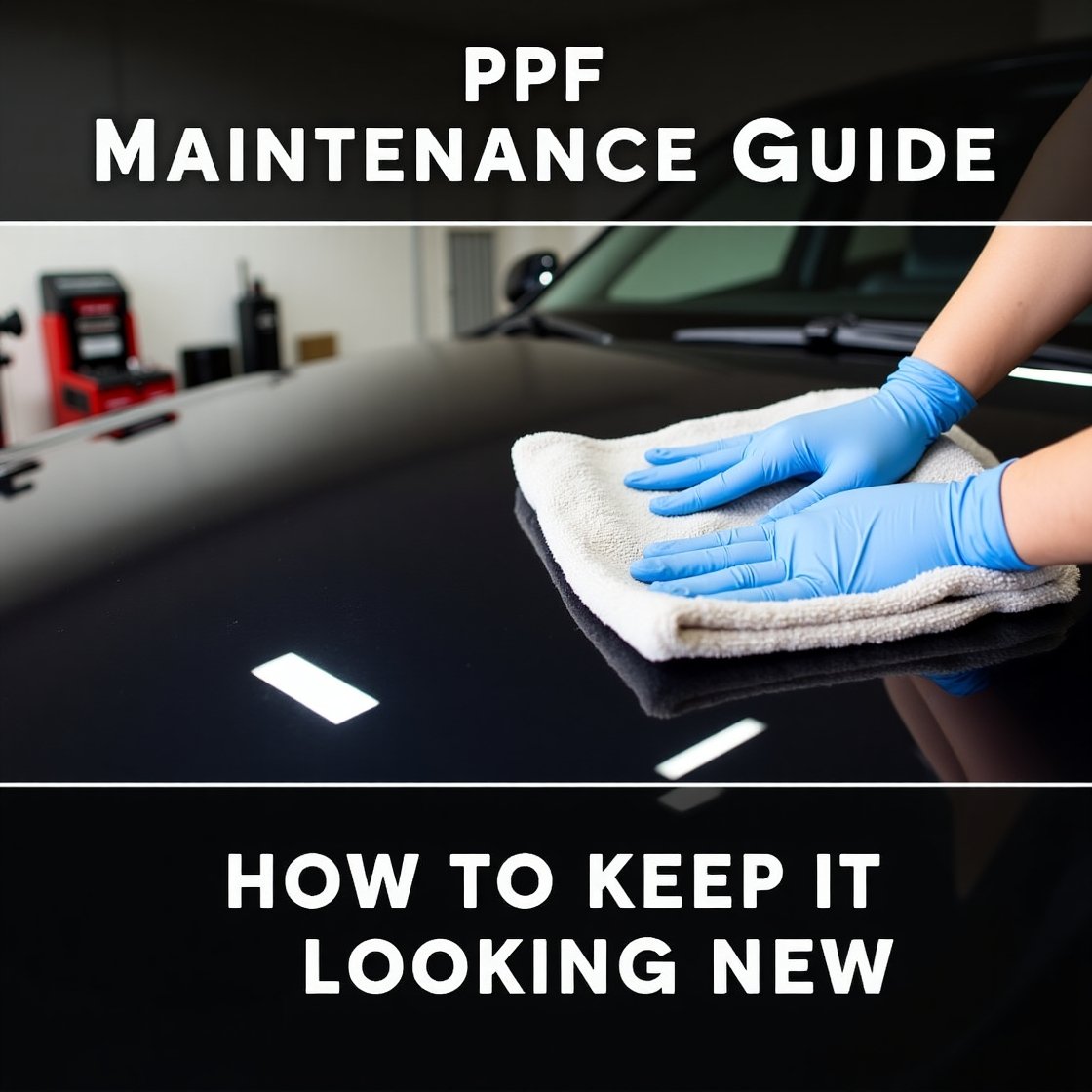
Carefully check the paint protection film (PPF) after washing. Look for any peeling edges or spots where the film lifts. Early spotting stops more damage. Dry the car using a soft microfiber cloth or let it air dry. Avoid rough towels that can lift the edges.
Use gentle drying methods to keep the film safe. Pat dry instead of rubbing hard. This helps the film stay flat and strong.
Apply a protective coating designed for PPF after drying. It adds a layer that guards against dirt and water. Coatings make the film last longer and look shiny. Choose a product made for clear films to avoid damage.
When To Seek Professional Help
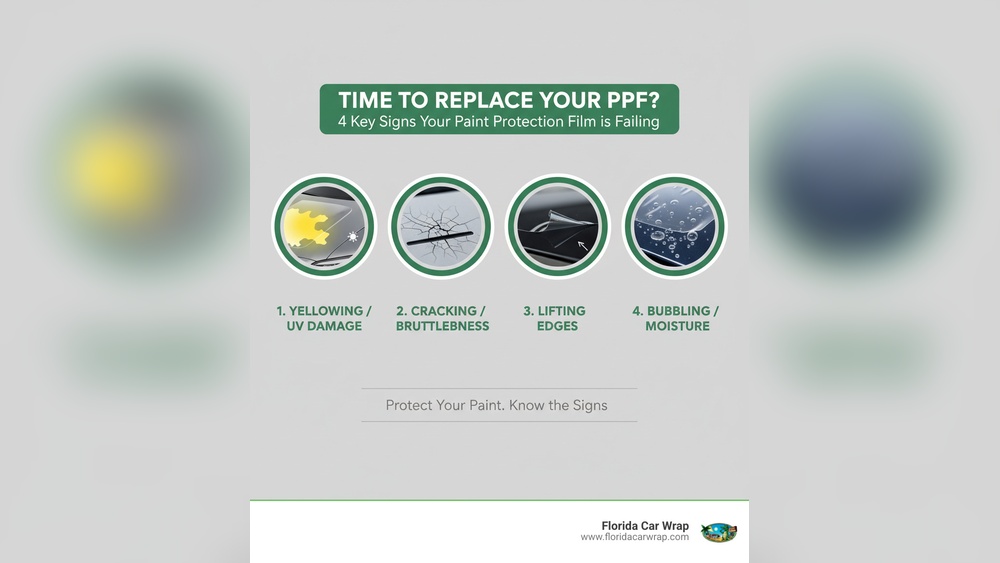
Severe lifting shows clear edges peeling off the film. Bubbles or cracks on the film surface also signal damage. Such signs mean the film may not protect your car well anymore.
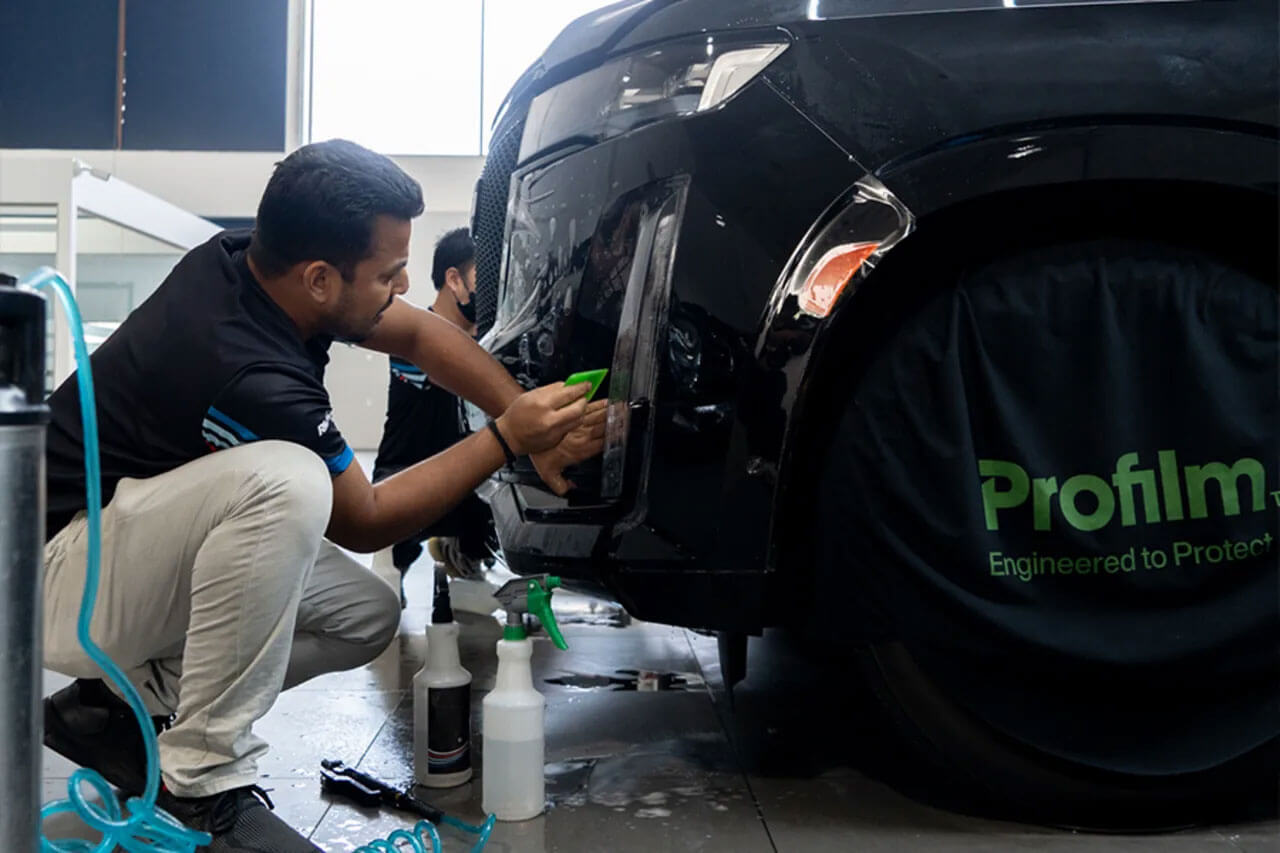
Choosing experienced detailers matters a lot. They know how to handle delicate films carefully. Skilled pros avoid using high pressure that causes lifting. They can fix small lifts without removing the whole film.
Deciding between repair and replacement depends on the damage size. Small lifts can often be repaired with patches or glue. Large or multiple lifts usually need full film replacement. Replacing keeps your car safe and looks fresh.
Credit: rmappf.ae
Conclusion
Protecting your paint protection film is easy with the right care. Use a gentle spray setting on your pressure washer. Keep the nozzle at a safe distance from the edges. Avoid strong chemicals that can weaken the film. Regular checks help spot any lifting early.
Small actions can save your film from peeling. Your car stays looking fresh and protected longer. Simple steps make a big difference for your vehicle. Keep your film secure and enjoy a clean, shiny ride.