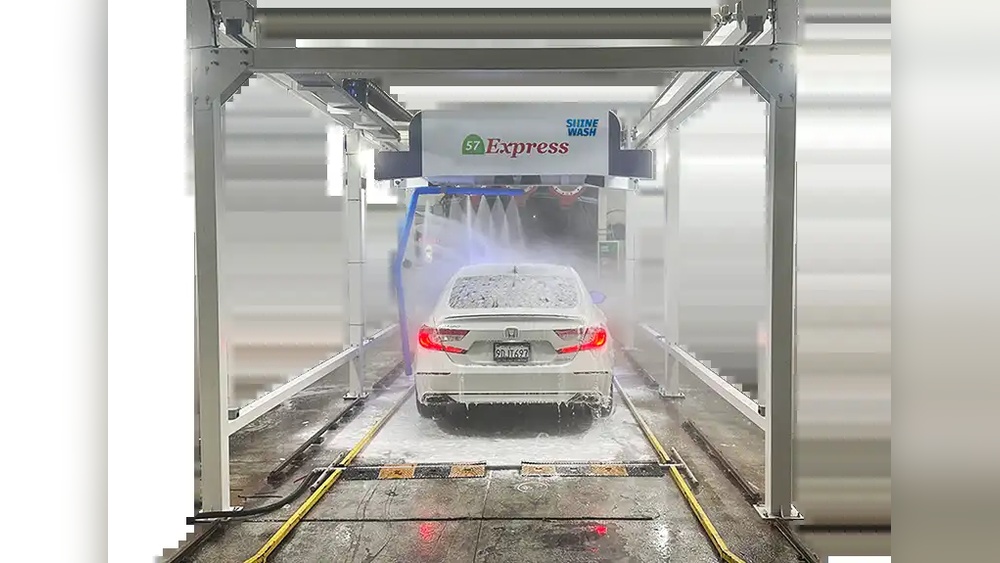

You’ve spent good money on your car, and you want to keep it looking sharp. But when you see a $5 drive-through car wash, you might wonder: will it ruin your ride?
It’s tempting to save time and cash, but is that quick clean doing more harm than good? You’ll discover the truth about these affordable washes and what they really mean for your car’s finish. Keep reading to protect your investment and avoid costly mistakes.
Credit: cruiseinautospa.com
How Drive-through Car Washes Work
Drive-through car washes use machines to clean cars quickly. Your car moves on a conveyor belt through the wash. Brushes, water jets, and dryers do the work. Each step is timed to clean different parts.
There are several wash cycles. Basic washes use water and soap. Deluxe options add wax or tire shine. Some cycles include undercarriage cleaning to remove dirt below.
| Cleaning Agent | Purpose |
|---|---|
| Soap | Removes dirt and grime |
| Wax | Protects paint and adds shine |
| Wheel Cleaner | Breaks down brake dust and dirt |
| Water | Rinses off soap and dirt |
Potential Risks To Your Car
Drive-through car washes can sometimes cause paint damage. Brushes may hold dirt from other cars, leading to scratches. Cheap soaps might strip the paint’s protective layer. Small chips can turn into big problems over time.
Car seals and trim parts are delicate. Harsh brushes or water jets can loosen or damage them. This may cause leaks or make trims fall off. Some cheap washes use strong chemicals that harm rubber seals.
Tires and the undercarriage also face risks. Water jets might not clean well, leaving salt or dirt behind. This can cause rust or wear. Some washes do not reach under the car properly, missing important spots.
Quality Differences Among Car Washes
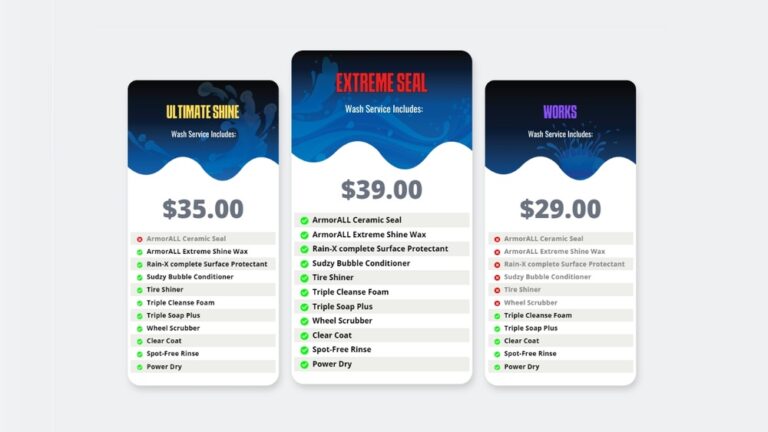
Budget car washes usually cost less but offer fewer services. They often use automated machines that clean quickly. This can save time but might miss some spots or leave streaks.
Premium washes cost more but include extra care. They may offer hand washing, waxing, and drying. These services can help protect your car’s paint and make it shine longer.
| Type | Cost | Cleaning Method | Benefits |
|---|---|---|---|
| Budget Wash | Low ($5 or less) | Automated | Fast, convenient, basic cleaning |
| Premium Wash | Higher ($10+) | Hand & Automated | Thorough cleaning, paint protection |
Hand washes often get better results but take longer. Automated washes are quicker but less detailed. Reading customer reviews helps find good places. Ratings show real experiences and can guide your choice.

Credit: elcarwash.com
Cost Vs. Value: Is $5 Enough?
A $5 car wash usually includes a quick rinse and soap. It may clean dirt from the outside but misses tough spots. Basic cleaning means no wax or tire shine. Some places offer extra services, but these often cost more. Be careful of hidden fees or sales pitches for upgrades.
Upsells may include air fresheners, wax, or interior cleaning. These add to your bill and may not be needed every time. Sometimes, the low-cost wash can leave scratches or miss spots that damage paint. It may save money now but cause expensive repairs later.
Regular washing protects your car’s paint and value. A fast wash won’t remove all grime or salt that cause rust. Spending a bit more on quality cleaning helps keep your car looking good longer.
Tips To Protect Your Car
Choosing the right car wash is key to protecting your car’s paint. Automatic drive-through washes with soft cloth brushes are safer than old-style brushes. Avoid washes with harsh brushes that can cause scratches. Check if the soap used is gentle and designed for cars.
Inspecting your vehicle before and after a wash helps catch any damage early. Look for scratches, dents, or dirt spots. Take photos if you see new marks. This helps you tell if the wash caused any harm.
Frequency of car washes matters too. Washing your car every two weeks keeps dirt and grime from building up. Too many washes can wear down the paint, so balance is important. In dry or dusty areas, wash more often to protect the finish.

Credit: m.yelp.com
Alternatives To Drive-through Washes
DIY car washing lets you clean your car at your own pace. You control the water and soap used. This method saves money and can be fun. Use a soft sponge and gentle soap to protect paint. Avoid strong brushes that can cause scratches.
Professional hand wash services give your car careful attention. Skilled workers clean spots machines might miss. They use soft cloths and special cleaners. This option costs more but can keep your car looking new longer.
Waterless car wash products are easy to use and save water. Spray the product on, then wipe off with a cloth. Great for small jobs or places with water limits. These products clean dirt without using a hose.
Conclusion
A drive-through car wash can clean your car quickly and cheaply. It usually does not harm your paint or parts if used properly. Avoid car washes with old or rough brushes to protect your vehicle. Regular washing helps keep your car looking good and lasting longer.
For a $5 wash, expect basic cleaning, not deep detailing. Taking simple care steps can save you money and keep your car nice. So, a quick drive-through wash is often safe and worth it.