ByMax Lee
Are Touchless Car Washes Bad for Your Car? Shocking Truths Revealed
Touchless car washes promise a scratch-free clean, but hidden risks may be stripping your paint, dulling your wax, or even damaging sensors. If you’ve ever wondered whether those high-pressure jets and chemical sprays are safe for your vehicle, you’re not alone. The truth is more nuanced than marketing claims—while they eliminate the abrasion of brushes, their reliance on harsh detergents and extreme water pressure can take a toll over time.
This guide breaks down how touchless systems work, their real advantages, the often-overlooked dangers, and when you should avoid them entirely. You’ll also get expert-backed tips to minimize harm and keep your car’s finish pristine.
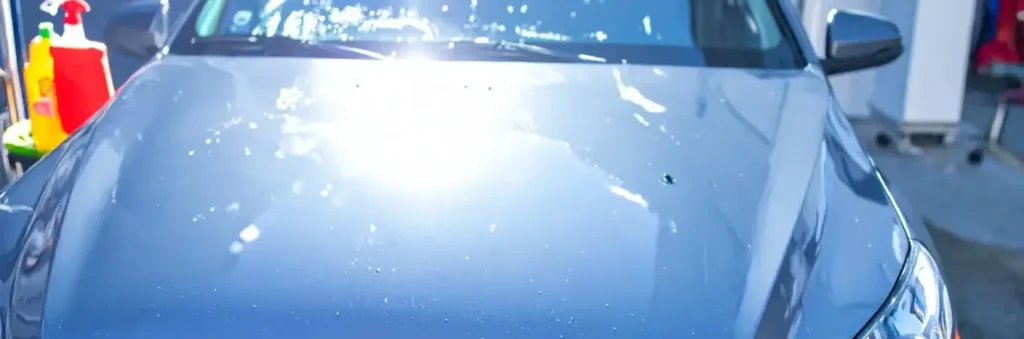 Ceramic-coated vehicles require gentle cleaning to preserve their protective layer
How Touchless Car Washes Actually Work
Unlike traditional brush-based systems, touchless car washes rely on a combination of high-pressure water, specialized detergents, and precision nozzles to dislodge and rinse away contaminants. Understanding the mechanics helps explain both their appeal and their limitations.
High-Pressure Water Jets: The Core Mechanism
These systems use pumps capable of generating 1,000–2,500 PSI—far stronger than a home pressure washer. The jets are strategically angled to cover every contour of your vehicle, from wheel wells to roof racks. While effective at blasting off loose dirt, the force can also:
- Lift and peel weak or aging clear coat if the pressure is miscalibrated
- Drive grime deeper into microscopic paint pores if the pre-soak is inadequate
- Damage trim or decals if the nozzles are too close or the pressure too high
The Role of Chemical Cleaners
Touchless washes depend heavily on alkaline or acid-based pre-soaks to break down:
- Road tar and bug splatter (often requiring pH 12–14 cleaners)
- Salt and mineral deposits (common in winter regions)
- Oil and grease (from engine bays or undercarriages)
The International Carwash Association notes that these chemicals are formulated to be safe for automotive finishes when used as directed—but repeated exposure without proper rinsing can degrade wax and sealants over time.
How They Differ From Soft-Cloth and Brush Washes
| Feature | Touchless | Soft-Cloth | Brush Wash |
|---|---|---|---|
| Contact with Paint | None | Microfiber cloths | Rotating brushes |
| Dirt Removal | Good (surface) | Very good | Excellent |
| Scratch Risk | Low | Moderate | High |
| Chemical Use | Heavy | Moderate | Light to moderate |
| Drying Method | Air blowers | Air blowers/cloth | Air blowers/cloth |
Soft-cloth systems (like those with mitten-style washers) offer a middle ground, reducing chemical reliance while still minimizing abrasion.
The Real Benefits of Touchless Car Washes
When used correctly, touchless systems offer compelling advantages—especially for certain types of vehicles and owners.
Unmatched Convenience and Speed
- Time: A full wash cycle takes 3–7 minutes, compared to 15–30 minutes for a manual wash.
- Effort: No need to vacuum interiors or pre-rinse—just drive in, pay, and exit.
- Accessibility: Ideal for apartment dwellers or those without driveways for a mobile car wash business.
Lower Risk of Physical Damage
- No swirl marks: Eliminates the micro-scratches caused by dirty brushes or improper hand-washing techniques.
- Safe for wraps and decals: Vinyl wraps and custom graphics last longer without brush abrasion.
- Gentler on wheels: High-pressure jets clean brake dust from rims without scratching alloy finishes.
Environmental Considerations
- Water efficiency: Many modern touchless systems use 30–50 gallons per wash, compared to 80–140 gallons for a home wash with a hose.
- Water recycling: Advanced facilities filter and reuse up to 80% of their water, reducing waste.
- Biodegradable detergents: Most reputable chains now use phosphate-free, VOC-compliant cleaners to meet EPA guidelines.
The Hidden Risks to Your Car’s Finish
While touchless washes avoid physical abrasion, their chemical and mechanical intensity introduces other threats—especially with frequent use.
Chemical Damage: More Than Just Fading
- Clear coat erosion: Strong alkaline cleaners (pH 13+) can strip 0.1–0.5 microns of clear coat per wash if not neutralized properly. Over 50 washes, this may lead to premature peeling.
- Plastic and rubber degradation: Trim pieces, weatherstripping, and rubber seals can dry out or crack from repeated exposure to harsh detergents.
- Corrosion acceleration: If acidic pre-soaks (for mineral removal) aren’t fully rinsed, they can etch into metal surfaces, especially around chips or scratches.
The Wax and Sealant Problem
- Stripping protection: Most touchless washes remove 30–50% of wax or sealant in a single cycle. Ceramic coatings fare better but can still degrade faster.
- Reduced hydrophobicity: Without a protective layer, water spots form more easily, and contaminants adhere more stubbornly.
- Solution: Reapply wax every 4–6 weeks if using touchless washes regularly, or opt for a wash with built-in sealant (though these are less common).
Water Spots and Mineral Deposits
- Hard water issues: If the facility uses unfiltered water, calcium and magnesium can leave permanent etches in paint if not removed quickly.
- Drying problems: Air blowers often miss crevices and emblems, leaving water to evaporate and deposit minerals.
- Prevention tip: Immediately dry your car with a microfiber towel after exiting, or choose a wash with spot-free rinse (reverse osmosis filtered water).
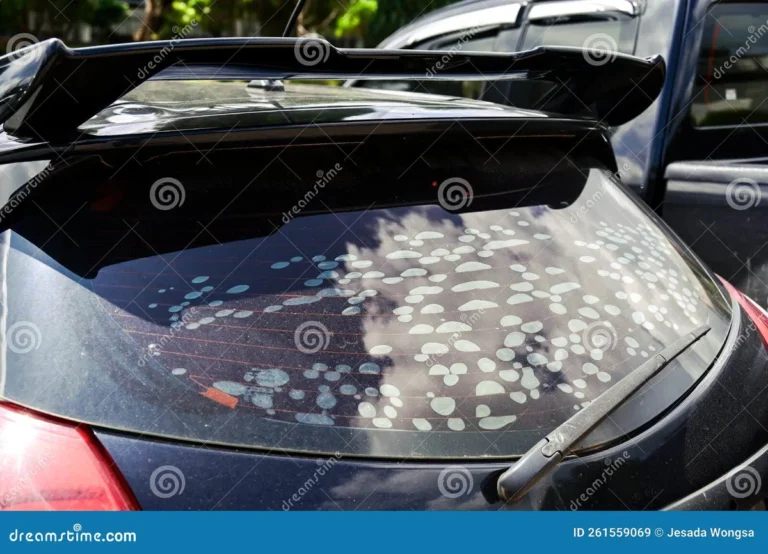
 Water spots and residue are common after touchless washes, especially in hard water areas
Touchless vs. Manual Washes: Which Is Better?
The best method depends on your car’s condition, your time, and your budget. Here’s how they stack up in key areas:
Cleaning Effectiveness
- Touchless: Excels at surface dirt (dust, pollen, light mud) but struggles with:
- Caked-on brake dust (often requires pre-treatment)
- Tree sap or bird droppings (may need multiple cycles)
- Undercarriage grime (unless the wash has dedicated underbody jets)
- Manual: A two-bucket method with grit guards and high-quality microfiber removes 99% of contaminants but risks swirls if done improperly.
Long-Term Paint Health
- Touchless: Chemical exposure is the primary concern. Older cars (10+ years) with thin clear coat are most vulnerable.
- Manual: Physical abrasion is the risk. Dark-colored cars (black, deep blue) show swirl marks more obviously.
Cost Comparison
| Wash Type | Average Cost | Time Investment | Long-Term Costs |
|---|---|---|---|
| Touchless | $10–$20 | 5–10 minutes | More frequent waxing |
| Soft-Cloth | $15–$25 | 10–15 minutes | Occasional paint correction |
| Hand Wash | $25–$50+ | 30–60 minutes | Minimal if done correctly |
| DIY | $5–$15 | 30–90 minutes | Equipment upkeep |
For ceramic-coated cars, a pH-neutral touchless wash is the safest automated option, but hand washing remains ideal.
How to Use Touchless Car Washes Safely
If you rely on touchless systems, these steps will minimize damage and maximize results:
Pre-Wash Preparation
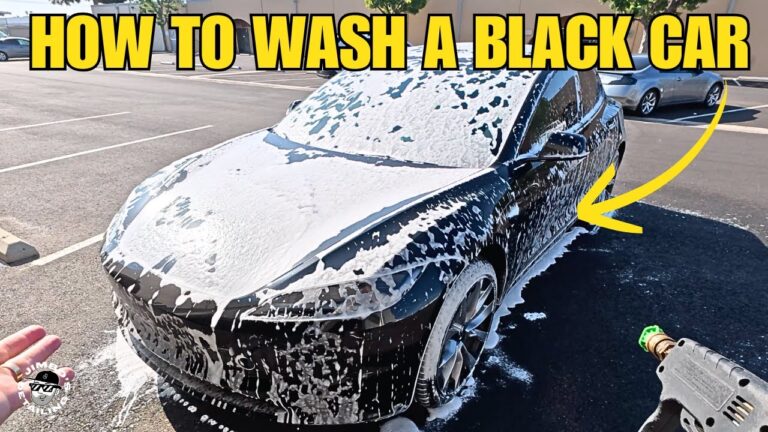
- Rinse at home first: Use a foam cannon or pressure washer to remove loose dirt. This reduces the chemical load needed at the wash.
- Check for existing damage: If your car has peeling clear coat or deep scratches, avoid high-pressure washes entirely.
- Remove sensitive items: Detach aftermarket antennas, loose trim, or magnetic signs that could be dislodged by jets.
Choosing the Right Wash Program
- Basic wash: Best for light dust or weekly maintenance.
- Deluxe/underbody: Adds wheel cleaner and undercarriage jets—ideal for winter salt removal.
- Wax/sealant add-on: Helps offset chemical stripping but won’t last as long as a hand-applied product.
- Avoid: "Heavy-duty" or "bug remover" cycles unless absolutely necessary—they use the harshest chemicals.
Post-Wash Care
- Dry immediately: Use a blower or microfiber towel to prevent water spots.
- Inspect for missed spots: Touchless washes often miss door jambs, fuel caps, and wheel wells—clean these manually.
- Reapply protection: Use a spray sealant (like Meguiar’s Hybrid Ceramic) after every 3–5 washes to maintain a hydrophobic layer.
- Clay bar treatment: Every 3–6 months, use a clay bar to remove embedded contaminants that touchless washes can’t.
When You Should Never Use a Touchless Car Wash
Some situations call for avoiding automated washes entirely. Here’s when to skip the drive-thru:
1. Cars with Compromised Paint
- Fading or peeling clear coat: The chemicals will accelerate deterioration.
- Fresh paint or repairs: Wait at least 30 days (or per manufacturer’s recommendation) before any automated wash.
- Matte or satin finishes: The high-pressure jets can create uneven sheen or damage the specialized clear coat.
2. Vehicles with Special Coatings
- Ceramic coatings: While more resistant than wax, they can still degrade faster. Stick to pH-neutral, touchless washes or hand washing.
- PPF (Paint Protection Film): The edges can lift or peel from high-pressure water. Opt for soft-cloth washes instead.
- Vinyl wraps: Aggressive chemicals can dull the finish or cause adhesive failure.
3. Extreme Weather Conditions
- Freezing temperatures: Water can freeze in door seals or locks, causing damage. If you must wash, choose a heated bay or indoor facility.
- Extreme heat (90°F+): Chemicals dry too quickly, increasing the risk of streaks and residue.
- Heavy pollution days: If your car is covered in industrial fallout or pollen, a touchless wash may grind contaminants into the paint without proper pre-soaking.
4. High-Tech or Luxury Vehicles
- Sensors and cameras: Some Tesla, BMW, or Mercedes models have delicate sensors that can be misaligned or damaged by high-pressure jets. Check your owner’s manual.
- Convertibles: The soft top fabric can be damaged by harsh chemicals or stretched by water pressure.
- Classic cars: Older finishes and single-stage paint lack modern clear coat protection and are highly vulnerable to chemical damage.
Frequently Asked Questions
Are touchless car washes completely safe for car paint?
No wash method is 100% risk-free. Touchless washes eliminate scratches but introduce chemical and water pressure risks. For most modern cars with intact clear coat, the benefits outweigh the risks—if you follow post-wash care.
Do touchless car washes remove wax or ceramic coatings?
Yes. Most touchless washes strip 30–50% of wax per cycle. Ceramic coatings are more resistant but can still degrade 10–20% faster with frequent touchless washes. Reapply protection every 4–6 weeks if using automated washes regularly.
Can touchless car washes damage my car’s sensors or cameras?
In rare cases, yes. High-pressure jets can:
- Displace or misalign parking sensors.
- Crack lens covers on cameras if the pressure is excessive.
- Trigger false alerts if water enters sensor housings. Solution: Cover sensors with painter’s tape before washing, or choose a low-pressure, sensor-safe wash if available.
How often should I use a touchless car wash?
- Weekly: Safe for new cars with strong clear coat if followed by proper drying and occasional wax.
- Biweekly: Ideal for most daily drivers to balance cleanliness and paint health.
- Monthly or less: Best for older cars, matte finishes, or coated vehicles.
Are touchless car washes worse than brush washes?
It depends on the brush. Modern soft-cloth or microfiber brushes (like those in PDQ or Zips chains) cause minimal scratching and may be safer long-term than touchless for heavily soiled cars. Old-style stiff bristle brushes (common in budget washes) are far worse than touchless.
What’s the best alternative to touchless car washes?
For maximum paint protection, consider:
- Hand washing with the two-bucket method and grit guards.
- Soft-cloth automated washes (if available in your area).
- Waterless wash products (for light dust between washes).
Final Verdict: Should You Use Touchless Car Washes?
Touchless car washes are not inherently bad—but they’re not a one-size-fits-all solution either. Here’s the bottom line:
✅ Use them if:
- You have a modern car with intact clear coat.
- You dry and reapply protection regularly.
- You avoid harsh cycles and inspect post-wash results.
❌ Avoid them if:
- Your car has peeling paint, matte finish, or PPF.
- You never reapply wax or sealant.
- You live in an area with hard water or extreme temperatures.
Pro tip: Rotate between touchless washes for convenience and hand washing for deep cleaning. This balance keeps your car clean, protected, and scratch-free without excessive wear.
The key to longevity? Consistency in care—not just the wash method. A well-maintained car stays newer longer, whether you’re driving a Delaware-registered classic or a daily commuter.