Black Friday deals are live on Amazon · limited-time discounts, grab them before they’re gone
Grab the deals

ByMax Lee
How to Wash Ceramic Coated Car in Winter: Essential Tips & Tricks
Winter washing is not about making a ceramic-coated car perfectly glossy after every drive. It is about removing road salt, grit, slush, and oily film before they can stain the finish, contaminate the coating, or contribute to corrosion underneath the vehicle.
The safest approach is simple: wash when temperatures allow, pre-rinse thoroughly, use a pH-neutral shampoo and soft wash media, clean from top to bottom, and dry the vehicle completely. Ceramic coating makes maintenance easier, but it does not make paint scratch-proof or protect the underbody from salt. You can also read our guide on best car wash soap for ceramic coated cars.
What Winter Does to a Ceramic Coating
A properly installed ceramic coating creates a chemically resistant, hydrophobic layer over the vehicle’s paint. It helps water and dirt release more easily, but it does not eliminate the need for careful washing.
Winter introduces several problems:
- Road salt and brine can remain on paint, wheels, brake components, and underbody surfaces.
- Sand and grit can scratch clear coat when dragged across the vehicle.
- Traffic film contains oily contaminants that ordinary rinsing may not remove.
- Freeze-thaw cycles can trap moisture around trim, door seals, locks, and emblems.
- Hard-water deposits can etch or stain the coating if droplets dry on the surface.
In practice, a ceramic coating often makes winter maintenance faster because dirt releases more readily. It does not, however, justify wiping a dusty or salty car with a dry towel. Mechanical contact with grit remains one of the main causes of winter wash marring.
If you are still deciding whether a coating suits your driving routine, compare the expected maintenance benefits with the installation and upkeep involved in this coating value overview.
Before You Wash: Check the Weather and Vehicle
Choose a safe washing window
Wash during the warmest part of the day, ideally when the vehicle and surrounding surfaces can remain above freezing while you work. Avoid washing when:
- Air temperature is near or below freezing
- Wind chill will freeze water quickly
- Snow, sleet, or freezing rain is falling
- The driveway is icy
- The vehicle will be parked outdoors immediately afterward
A heated garage is the best option, but it must have adequate drainage and ventilation. If you use a professional wash bay, confirm that the bay is open, the rinse water is not freezing on the floor, and you can drive far enough afterward to clear water from brakes and door seals.
Check a reliable local weather forecast before starting. The important factor is not only the air temperature; wind, shade, surface temperature, and the time available for drying matter too.
Inspect the coating and paint
Look closely at the vehicle before washing. Check for:
- Bird droppings or tree sap that need separate treatment
- Existing water spots
- Stone chips or exposed metal
- Peeling clear coat or damaged trim
- Blocked drains around the hood, doors, and hatch
- Salt packed behind wheel-arch liners
A ceramic coating cannot repair chips, scratches, failed clear coat, or corrosion. If water no longer sheets or beads in one isolated area, that may indicate contamination rather than coating failure. Clean the area first and reassess before applying another coating product.
Prepare the right equipment
Have everything within reach before adding water:
- Pressure washer or hose with a gentle spray nozzle
- pH-neutral, coating-safe car shampoo
- Separate wash mitts for the body and wheels
- Two buckets with grit guards, if using the bucket method
- Soft wheel brushes
- Large, clean microfiber drying towels
- A blower or compressed air for mirrors, trim, grilles, and emblems
- Dedicated glass cleaner
- Optional ceramic-compatible drying aid or topper
- Nitrile gloves and warm clothing for your own safety
For a detailed bucket arrangement, use this paint-safe wash setup. Keep wheel tools separate: brake dust and road grit should never be transferred to painted panels.

Prepare clean wash media, drying towels, and separate wheel tools before opening the water.
Step-by-Step: How to Wash a Ceramic Coated Car in Winter
1. Rinse the vehicle thoroughly
Begin with a generous rinse, working from the roof downward. Spend extra time on:
- Wheel arches
- Rocker panels
- Lower doors
- Rear bumper
- Grille openings
- License-plate areas
- Undercarriage and suspension components
The pre-rinse is one of the most important steps because it removes loose salt and grit before your wash mitt touches the paint. Use enough pressure to move contamination without forcing water into electrical connectors, damaged seals, or sensitive trim.
Avoid placing a pressure-washer nozzle extremely close to the paint, coating edges, badges, or weather seals. A fan spray held at a sensible distance is safer than a concentrated jet.
2. Clean the wheels and tires separately
Wheels collect brake dust, salt, and abrasive road debris. Wash them before the body so splashes can be rinsed away while the rest of the vehicle is still wet.
Use:
- A dedicated wheel rinse
- A wheel-safe cleaner, if needed
- Separate brushes or mitts
- A thorough final rinse
- A tire-sidewall cleaning step if dressing will be applied later
Do not use the same bucket or mitt on wheels and paint. Even a coating-resistant surface can be scratched by trapped metallic brake particles.
3. Apply a coating-safe shampoo
Use a lubricating, pH-neutral shampoo mixed according to its label. More soap is not automatically safer; excessive concentration can leave residue and make rinsing difficult in cold weather.
If your coating manufacturer specifies a maintenance shampoo or topper, follow that guidance. A product marketed for ceramic coatings is not automatically compatible with every coating system. When in doubt, choose a simple pH-neutral shampoo rather than a strong degreaser.
You can compare suitable gentle wash formulas before washing, especially if the vehicle has a sensitive satin or matte finish.
4. Wash one small section at a time
Start at the roof and upper glass, then move down through the hood, upper doors, trunk, and lower panels. Leave the dirtiest areas for last.
Use light, straight passes rather than aggressive circles. Rinse the mitt repeatedly in the plain-water bucket, inspect it for grit, and reload it with shampoo. Do not allow the shampoo solution to dry on the vehicle.
A common mistake is to wash the entire car before rinsing. In winter, cold panels and low sun can make residue difficult to see. Section-by-section washing keeps the surface lubricated and makes it easier to control drying.
5. Rinse from top to bottom
Rinse each section completely, then make a final top-to-bottom pass. If the coating is healthy, water may sheet away quickly. That is helpful, but it does not mean every trapped drop has disappeared from mirrors, handles, badges, roof rails, or trim.
Avoid letting salty wash water run back over panels you have already cleaned. Rinse the lower sections last because they usually contain the most contamination.
6. Pay attention to the underbody
The paint may look clean while salt remains underneath. Use a gentle rinse on:
- Wheel wells
- Subframes
- Behind mud flaps
- Rocker-panel edges
- Exhaust components
- Brake and suspension areas
Do not force water into wheel bearings, open connectors, damaged boots, or engine-bay components. Underbody rinsing is particularly valuable after driving on heavily salted roads.
Drying a Ceramic-Coated Car in Cold Weather
Drying is not optional in winter. Residual water can freeze in door gaps, mirrors, handles, locks, and window channels. Mineral-rich droplets can also leave marks when they evaporate.
Use a blower before touching the paint
If available, use a filtered car dryer or clean compressed air to push water out of:
- Side mirrors
- Door handles
- Emblems
- Grilles
- Window trim
- Roof rails
- Fuel-door gaps
- Panel seams
A portable compressor can work well for this task, but use clean, dry air and avoid excessive pressure near seals. This guide to air equipment for vehicle care explains why tank capacity and duty cycle matter.
Dry with clean microfiber towels
Use a large, high-quality drying towel and lay it flat over the panel. Pull it gently or pat the area rather than scrubbing. Turn to a dry section as soon as the towel becomes saturated.
For a ceramic coating, a light mist of a manufacturer-approved drying aid can improve lubrication and reduce towel drag. Do not use a quick detailer as a substitute for washing a visibly dirty vehicle. It is designed for light dust or drying assistance, not for removing winter grit.
If you are replacing worn towels, focus on proper microfiber selection rather than choosing the cheapest available cloth.
Dry the brakes and seals
After leaving the wash area:
- Press the brake pedal gently several times to dry the rotors.
- Open and close each door carefully to release trapped water.
- Wipe door jambs and rubber seals.
- Clear water from the fuel door and hatch seam.
- Avoid engaging frozen power-folding mirrors.
- Drive long enough for remaining water to leave the brakes and lower body.
Never force a frozen door, mirror, wiper, or charging-port cover. Warm the component gradually in a garage or use a product specifically intended for that part.
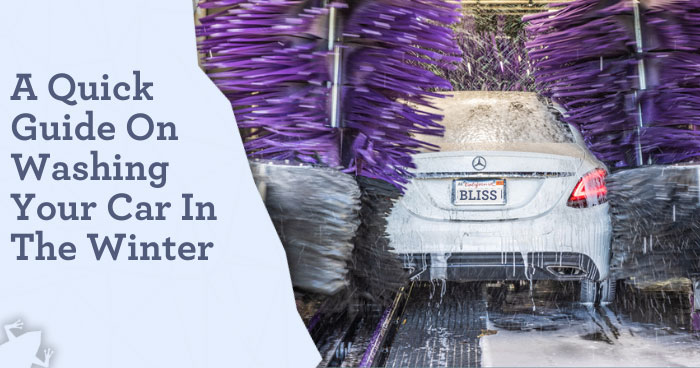
Drying removes trapped water from the coating before it can freeze or leave mineral spots.
Choosing Winter-Safe Cleaning Products
pH-neutral shampoo
A pH-neutral shampoo is the best routine choice for most coated vehicles. It provides lubrication and removes normal dirt without unnecessarily stripping compatible maintenance products.
Use a stronger cleaner only when the contamination requires it and the product label confirms it is safe for your coating, paint, trim, and wheels.
Ceramic-compatible toppers
Some coating systems allow a silica-based spray topper or maintenance sealant. These products can temporarily improve water behavior and slickness, but they are not permanent replacements for the coating.
Apply only a product approved by the coating manufacturer. Layering incompatible products can create streaks, reduce water behavior, or make the coating appear uneven. A topper is optional; removing salt safely is the priority.
Water-spot removers
If mineral spots remain, use a dedicated water-spot remover on a cool, clean panel. Follow the dwell time and rinse instructions carefully. Do not reach for aggressive polishing compounds immediately, because polishing can remove part or all of the coating.
For recurring mineral deposits, investigate the water source and consider a filtered rinse. These hard-water cleaning options can help when ordinary drying leaves visible spotting.
Ice and deicing products
Use an approved ice scraper only on glass, not painted panels. A plastic scraper can still scratch paint if grit is trapped underneath.
For frozen glass or locks:
- Use a proper automotive deicer according to its label.
- Never pour boiling water over glass or painted surfaces.
- Do not scrape paint, badges, or rubber seals.
- Avoid household solvents and abrasive powders.
Deicer intended for windows should not be sprayed indiscriminately over the paint. Rinse any overspray when conditions allow, especially around rubber, plastic, and coated surfaces.
Touchless and Automatic Car Washes
A touchless wash is generally safer for painted and ceramic-coated surfaces than a brush tunnel because nothing physically drags grit across the paint. It can be a practical winter option when hand washing is impossible.
However, touchless systems often rely on stronger alkaline or acidic detergents. Occasional use may be acceptable, but repeated use can reduce the performance of some toppers or maintenance layers. Rinse thoroughly and dry afterward when possible.
Avoid automatic washes with:
- Rotating brushes
- Reused fabric strips
- Dirty foam rollers
- Brush contact with heavily salted paint
- Forced air nozzles that strike loose trim
If using a self-service bay, select a rinse or foam setting that is compatible with your coating, bring your own clean mitt if permitted, and never use the shared brush on the paint. Hand washing remains the most controlled method, but a careful touchless wash is better than leaving salt on the vehicle for weeks.
Winter Maintenance Between Washes
Wash often enough to remove salt
There is no universal interval for every climate, but washing every one to two weeks during frequent salt exposure is a sensible starting point. Wash sooner after driving through fresh brine, slush, or heavily treated roads.
The correct schedule depends on:
- How much the car is driven
- Whether roads are salted
- Whether the car is stored indoors
- Local humidity and precipitation
- How much contamination is visible on the lower panels
Do not wait for a thick white salt layer to build up. Frequent, gentle washing is safer than one aggressive spring cleanup.
Do not dry-wipe a dirty car
A dry microfiber towel can remove fingerprints from a clean surface, but it is not a safe way to remove winter dust, salt, or sand. Rinse first. If the vehicle is only lightly dusty and you have a suitable rinseless-wash process, follow that product’s dilution and towel requirements precisely.
Remove bird droppings and chemicals promptly
Bird droppings, tree sap, fuel spills, and strong road-treatment residues should not remain on the coating for long periods. Soften the contamination with water or an appropriate cleaner, then lift it away without rubbing aggressively.
Inspect the coating after each major wash
Look for consistent water behavior across the panels. A temporarily reduced bead pattern can result from traffic film or mineral contamination. If cleaning does not restore the behavior, the coating may need professional decontamination, inspection, or a manufacturer-approved maintenance treatment.
Treat the underbody as part of the wash
The coating on the upper paint is only one part of winter care. Regularly rinsing wheel wells and underbody areas helps reduce salt accumulation and supports broader vehicle maintenance. Do not confuse a clean glossy exterior with a salt-free vehicle.

Winter maintenance should include the lower panels, wheel arches, and underbody—not just the visible paint.
Common Winter Washing Mistakes to Avoid
- Washing below freezing without a heated, drainable workspace
- Using boiling or very hot water on cold glass or paint
- Scraping ice from painted panels
- Wiping salt away with a dry towel
- Using one mitt for wheels and bodywork
- Skipping the pre-rinse
- Allowing shampoo to dry on the surface
- Holding a pressure-washer nozzle too close
- Applying household cleaners or solvents
- Using wax or sealant without checking coating compatibility
- Leaving water in mirrors, door seals, and handles
- Assuming strong water beading proves the coating is fully healthy
- Parking immediately after washing without drying critical seams and brakes
Frequently Asked Questions
How often should I wash a ceramic-coated car in winter?
Wash whenever salt, brine, mud, or heavy traffic film builds up. For a car driven regularly on treated roads, every one to two weeks is a practical starting point. Wash sooner after significant exposure, and adjust the schedule if the vehicle is stored outside or driven in wet conditions.
Can I wash a ceramic-coated car when it is below freezing?
Only if you have a heated, well-drained space where water will not freeze on the vehicle or floor. Outdoor washing near or below freezing can create slippery conditions and freeze door seals, mirrors, locks, and brake components. If you cannot dry the vehicle fully, postpone the wash or use a reputable touchless facility.
Is warm water safe for ceramic coatings?
Comfortably warm water is generally suitable, but avoid boiling water or sudden extreme temperature changes. The concern is thermal shock to cold glass, trim, and certain surfaces—not that ordinary warm water will crack a properly cured coating. Follow the coating manufacturer’s instructions if they specify a temperature limit.
What soap should I use?
Choose a lubricating, pH-neutral car shampoo that is compatible with ceramic coatings. Avoid household dish soap, abrasive cleaners, and strong chemicals unless the coating manufacturer specifically approves them for a particular contamination problem.
Can I use a pressure washer?
Yes, a pressure washer can make winter washing safer by removing grit before contact washing. Use a broad spray pattern, maintain a reasonable distance, and avoid damaged paint, loose trim, seals, sensors, and electrical connectors. The pressure washer should supplement—not replace—a careful wash process.
Are automatic car washes safe for ceramic coatings?
Touchless washes are usually preferable to brush tunnels because they avoid direct mechanical contact. Their detergents can be stronger than hand-wash shampoo, so use them selectively and rinse thoroughly. Brush systems can introduce scratches and should generally be avoided.
Should I apply wax over ceramic coating?
Do not automatically apply traditional wax. Some waxes can reduce the coating’s water behavior or leave an uneven residue. Use only a ceramic-compatible topper or sealant approved by the coating manufacturer, and treat it as optional maintenance rather than essential protection.
How do I remove salt without scratching the paint?
Start with a thorough rinse, then use plenty of shampoo lubrication and a clean microfiber mitt. Work from top to bottom, rinse the mitt frequently, and never dry-wipe visible salt or grit. Use separate equipment for the wheels and lower panels.
What if the coating stops beading?
First, wash the vehicle and remove traffic film or mineral deposits. Reduced beading does not always mean coating failure. If the behavior remains inconsistent after proper cleaning, seek an inspection or decontamination service before applying another product.
Conclusion
The best way to wash a ceramic-coated car in winter is to reduce contact, remove salt early, and control freezing. Choose a suitable weather window, rinse thoroughly, use a pH-neutral shampoo, keep wheel tools separate, and dry every seam and trim area before the vehicle is exposed to freezing temperatures.
Ceramic coating simplifies winter cleaning, but it does not replace routine care. Protect the finish by washing before contamination hardens, rinsing the underbody, avoiding dry wiping, and using only products compatible with the coating system. A consistent winter routine will help preserve the coating’s appearance and make spring cleanup far easier.
Plan your next wash around a safe temperature window, and remove salt before it has time to build up.








