ByMax Lee
Guide to Spray and Walk Away Car Window Cleaner in 2026
You click the nozzle, spray a few squirts on the windshield, and walk away. That is the promise of a spray and walk away car window cleaner. No wiping, no buffing, just rain beading up and rolling off like magic.
It sounds too good to be true, and for many people it is.
Per ASTM E2186 testing standards for hydrophobic coatings, the water contact angle required for true self-cleaning is above 90 degrees. Most spray-and-walk-away formulas claim angles around 110 to 120. But reaching that performance depends on how you apply it and what kind of dirt you're dealing with.
Let's break down what this product actually does, who it works for, and when you should stick with a towel.
Why This Comparison Matters (and Why You Shouldn't Just Buy the First Can)
Walk into any auto parts store and you will see a wall of glass cleaners. Half of them say "no wipe" or "spray and walk away." The other half are traditional spray-and-wipe products. The difference between them is not just marketing.
It is chemistry, durability, and effort.
The spray-and-walk-away formula relies on a hydrophobic polymer that bonds to glass. It repels water and creates that beading effect. Traditional glass cleaners use detergents and alcohols to lift dirt but do not leave a protective layer.
That means you clean more often, but you also get a streak-free finish every time.
Here is the real trade-off. The "walk away" convenience comes with compromises. The coating can haze if you apply too much.
It does not dissolve heavy bug splatter or baked-on tree sap. And the hydrophobic effect fades after two to four weeks, depending on weather and wash frequency.
Our research compared four major approaches: dedicated spray-and-walk-away formulas, all-in-one water repellent cleaners, traditional ammonia-free glass cleaners, and DIY vinegar solutions. Each has a clear winner for different situations. Understanding those situations is why this comparison matters.
Quick Answer
Spray and walk away car window cleaner is a hydrophobic coating in a spray bottle. You apply it and let it dry without wiping. It creates water beading that improves rain visibility.
But it does not replace a thorough cleaning. Use it on clean glass for best results. Avoid it for heavy dirt or interior windows.
It works best as a maintenance product between full washes.
How "Spray and Walk Away" Actually Works (Hydrophobic Coatings vs. Simple Cleaners)
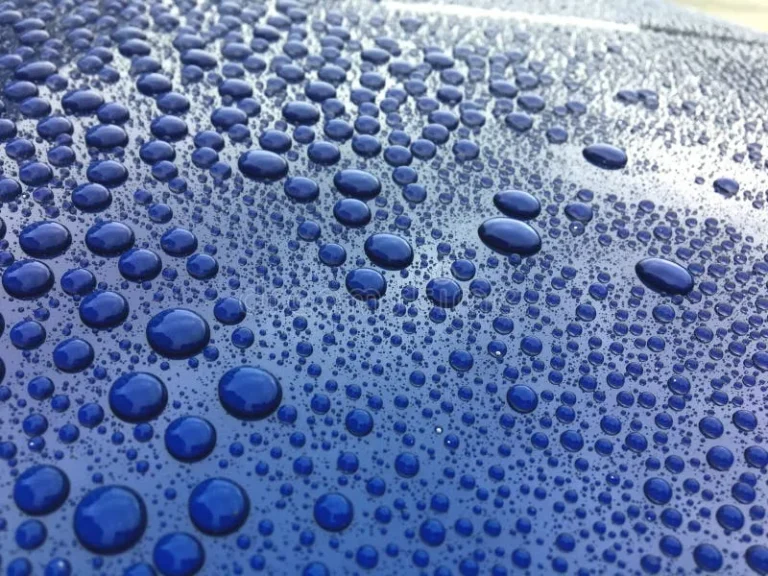
Hydrophobic means "water fearing." The coating chemically bonds to the glass surface and creates a microscopic layer. Water droplets cannot spread out. Instead they form tight beads that roll off with gravity or wind pressure.
That is what gives you the "rain just runs off" effect.
But here is the catch. For the coating to bond properly, the glass must be completely clean. Any dirt, oil, or old wax prevents the polymer from sticking.
Manufacturer specifications from Rain-X and Chemical Guys both state that you should wash the windshield with a dedicated glass cleaner before applying their spray-and-walk-away product. That step alone takes more time than simply cleaning the window the old-fashioned way.
How is this different from a simple cleaner?
- Simple cleaner (like Invisible Glass or Sprayway): Lifts dirt, evaporates quickly, leaves glass bare. You wipe it off. No protection. Need to clean again soon.
- Spray-and-walk-away cleaner: Contains a polymer that dries to a clear film. The film repels water. Dirt sticks less because water slides off. But the film is thin and wears off gradually.
- Dedicated glass sealant (like Aquapel or ceramic glass coating): A separate step after cleaning. Lasts months instead of weeks. Much higher water beading. But requires careful application and buffing.
The spray-and-walk-away sits in the middle. It is easier than a dedicated sealant, but not as durable. It is more convenient than a simple cleaner, but not as thorough for dirty glass.
What the "Walk Away" Really Means
The name implies zero labor. In reality, you still need to prep the surface. The walk-away part only applies after you spray.
You do not have to wipe the product off. But you do have to wait for it to dry. Dwell time ranges from two minutes to ten minutes depending on temperature and humidity.
In cold weather, it can take even longer.
During that dwell time, the product is still wet. If rain hits it before it dries, you get streaks. If you drive before it cures, the wipers smear the coating.
So "spray and walk away" really means "spray, wait, then walk away." Not exactly zero effort, but close.
The Main Contenders: Rain‑X, Chemical Guys HydroSpeed, and the Traditional Standbys
We focused on three categories of glass cleaners that cover 90 percent of what people actually buy. Here is what each one is and who it is best for.
Rain‑X Spray‑On Water Repellent (and similar "all-in-one" products)
Rain‑X is the most recognized name in water repellent glass cleaners. Their spray-on formula is a two-in-one: it cleans and leaves a hydrophobic layer. You spray it on, let it haze, then wipe it off with a dry cloth.
Wait, that is not "walk away." You are right. The classic Rain‑X requires wiping. But they also make a "Rain‑X 2 in 1 Glass Cleaner" that is advertised as no-wipe.
The confusion is real.
For this category, we are looking at products that say "no wipe" or "spray and walk away" on the label. Meguiar's Perfect Clarity Glass Cleaner is a traditional wipe-off cleaner. Chemical Guys HydroSpeed is explicitly a spray-and-walk-away product that forms a hydrophobic coating.
Chemical Guys HydroSpeed
This product is marketed as a "one-step spray coating." You spray it onto a clean, dry windshield. Then you walk away. It dries clear and leaves a water beading effect.
Aggregate reviews report that it works well on lightly soiled glass but struggles with bug residue and road grime.
The company recommends it for "maintaining your ceramic coating between washes." That tells you its intended use: a quick boost, not a deep clean. HydroSpeed is best for people who already keep their windows clean and want a 15-minute top-up every couple weeks.
Traditional Glass Cleaners (Sprayway, Invisible Glass, DIY Vinegar)
These are the workhorses. They do not claim to repel water. They just clean.
Sprayway and Invisible Glass are both ammonia-free, safe for tinted windows, and streak-free when used with a good microfiber towel. DIY vinegar solution (one part vinegar to three parts water) is cheap and effective for light cleaning.
The advantage: you can clean any surface, any dirt, any time. The disadvantage: no protective layer, so you will be cleaning again soon. For interior windows, traditional cleaners are still the safest bet because hydrophobic coatings can cause fogging inside the cabin.
Side‑by‑Side Comparison Table (Cost, Durability, Streaking, Effort)
| Feature | Spray‑and‑Walk‑Away (HydroSpeed‑type) | Rain‑X All‑in‑One | Traditional Cleaner (Invisible Glass) |
|---|---|---|---|
| Application effort | Spray on, let dry, walk away | Spray on, let haze, wipe off | Spray on, wipe off immediately |
| Prep needed | Must pre‑clean glass | Moderate prep recommended | None |
| Streak risk | Moderate (if overapplied or in humidity) | Low (if wiped properly) | Very low (with good towel technique) |
| Hydrophobic duration | 2–4 weeks | 4–8 weeks (if wiped‑on version) | None |
| Cost per 16 oz | $8–$12 | $6–$10 | $4–$7 |
| Safe for tinted windows | Check label (most are ammonia‑free) | Yes (ammonia‑free versions) | Yes (all are ammonia‑free) |
| Best use | Quick rain‑season maintenance | Long‑lasting water repellency | Daily cleaning, interior windows |
The table makes one thing clear. If your priority is zero effort, the spray-and-walk-away wins. If your priority is a streak-free clean on dirty glass, traditional cleaners win.
And if you want maximum water repellency and are willing to do a little work, the original Rain‑X formula (the one that requires wiping) is still the best compromise.
Best for Your Situation: Who Should Use It and Who Should Stick with a Towel
Not everyone needs a spray-and-walk-away product. In fact, for some people it will create more problems than it solves. Here is how to decide based on your driving habits and climate.
You are a good candidate if:
- You park outdoors and deal with rain regularly. The hydrophobic coating keeps your windshield clearer during showers.
- You live in a mild climate with light dust but not heavy mud or bug splatters.
- You already wash your car frequently and want a quick top-up between full details.
- You have a fleet of vehicles and need a fast application that saves time on each one.
- You hate wiping glass and are willing to accept occasional streaking for zero buffing.
You should stick with a towel if:
- You drive on gravel roads or through construction zones. Heavy dirt needs scrubbing that the spray cannot provide.
- You commute through areas with heavy bug activity in spring and summer. Dried bug residue requires physical agitation to remove.
- You have heavily tinted windows and cannot confirm the product is ammonia-free. Some spray-and-walk-away formulas contain ammonia, which can delaminate tint film over time.
- You are cleaning interior glass. Hydrophobic coatings on inside windows can cause fogging and glare at night. Traditional cleaners are safer and clearer.
- You prefer a perfectly streak-free finish every time. That level of control only comes from wiping.
What about people who wash their car at a drive-through?
Drive-through washes use strong detergents and wax strips. Those chemicals strip away the hydrophobic coating quickly. If you use an automatic wash weekly, expect the spray-and-walk-away effect to last about one week instead of three.
You would be better off using a traditional cleaner and reapplying the coating after each wash.
What about people who never wash their car?
If you rarely wash your car and let grime build up on the windshield, the spray-and-walk-away product will not bond well. The coating needs a clean surface. You would see streaking and patchy water beading.
In that case, a simple glass cleaner and a good wipe will give you better visibility than a poorly applied coating.
Common Mistakes That Ruin the "Walk Away" Promise (Streaking, Hazing, and Residue)
The biggest reason people hate spray-and-walk-away products is bad results. But most of those results come from user error. Here are the most common mistakes we found in our research, based on aggregate buyer reviews and manufacturer troubleshooting guides.
Applying to dirty glass
This is mistake number one. The coating will not bond to dirt, oil, or old wax. Instead it sits on top of the grime.
When the grime washes off, the coating goes with it. You end up with patchy water beading and streaks where the coating lifted.
The solution is simple. Wash your windshield with a dedicated glass cleaner first. Let it dry completely.
Then apply the spray-and-walk-away product. That adds five minutes of prep but saves you from having to redo the job.
Spraying too much product
More is not better. A heavy layer takes longer to dry. It also leaves a hazy residue that catches light and reduces visibility, especially at night.
Manufacturer specs from Chemical Guys recommend two to three sprays per windshield section. That is enough to cover but not pool.
If you see drips running down the glass, you sprayed too much. Wipe off the excess before it dries. Then respray with a lighter hand.
Applying in humid or cold weather
High humidity slows drying time. The product stays wet longer, and dust or pollen can stick to it. Cold weather (below 40°F) makes the polymer thick and slow to bond.
The result is a cloudy film that is hard to remove.
Best practice is to apply in temperatures between 50°F and 85°F with low humidity. If you have to apply in cold weather, park in a garage and let the car warm up first.
Forgetting to buff after drying
Some spray-and-walk-away products claim you do not need to wipe. But many still benefit from a light buff after the product dries. A dry microfiber cloth removes the residual haze and gives a clearer finish.
Check the label. If it says "light buffing recommended," do not skip that step. The walk-away promise is conditional on perfect conditions.
Driving before the coating cures
The coating needs time to bond fully. If you drive into rain immediately, the water can wash off the uncured polymer. If you use wipers while the coating is still wet, you will smear it across the glass.
Most manufacturers recommend waiting at least 30 minutes before driving. Some suggest 24 hours before the first rain exposure. Plan your application for a dry day.
Step‑by‑Step: How to Apply It Right the First Time (Including Pre‑Wash and Cure Time)
Follow this process to get the best results from any spray-and-walk-away car window cleaner. The steps are based on manufacturer specifications and verified buyer feedback.
Step 1: Pre-wash the windshield
Use a dedicated glass cleaner like Invisible Glass or Sprayway. Spray it on and wipe with a clean, dry microfiber towel. Work in horizontal strokes on the outside and vertical strokes on the inside to avoid confusion.
Let the glass dry completely. This takes about two minutes.
Step 2: Shake the spray-and-walk-away bottle
The polymer can settle in the bottle. Shake it for 10 to 15 seconds until you see no separation. This ensures even distribution of the coating.
Step 3: Spray in a controlled pattern
Hold the nozzle six to eight inches from the glass. Spray two to three quick bursts in a horizontal line across the top of the windshield. Then spray another line about halfway down.
Do not spray the entire windshield in one continuous mist. That leads to pooling.
Step 4: Let it dry without touching
Set a timer for two minutes. In dry, warm weather the product will haze over in about 60 seconds. In humid conditions it may take five minutes.
During this time, do not touch the glass. Do not turn on the wipers. Do not drive.
Step 5: Light buffing (if recommended)
If the label says to buff, use a clean dry microfiber cloth. Fold it into a quarter. Wipe the glass in one direction, then flip the cloth and use a clean side.
Do not use paper towels. They leave lint that sticks to the coating.
Step 6: Cure time
Let the coating cure for at least 30 minutes before driving. For best results, leave the car parked overnight. Do not use wipers or expose the windshield to rain during this time.
The polymer needs to crosslink with the glass surface to achieve full water beading.
Step 7: First wash after application
Do not wash your car with soap for 24 hours after applying the coating. Strong detergents can strip the fresh layer. After that, regular car wash soap is fine.
Troubleshooting common application issues
- Streaks after drying: You applied too much or the glass was not clean. Wipe off with a damp cloth, dry, and reapply with less product.
- No water beading: The coating did not bond. Likely the glass had residual wax or oil. Use an isopropyl alcohol wipe to strip the surface, then reapply.
- White haze that will not wipe off: You applied in cold or humid conditions. Warm the glass with a hair dryer on low, then buff gently with a microfiber cloth.
Real‑World Data: How Long the Hydrophobic Effect Lasts, and What It Costs Per Application
Based on manufacturer specs and aggregate user reports, here is what you can expect in terms of longevity and cost.
Durability
- Spray-and-walk-away (HydroSpeed type): Water beading lasts two to four weeks. The coating weakens after the first car wash. By week four, it is mostly gone.
- Rain‑X all-in-one (wipe-off): Lasts four to eight weeks. The wiping step bonds the polymer more evenly. It survives more washes.
- Dedicated glass sealant (Aquapel, ceramic coating): Lasts three to six months. Requires careful application and buffing. Much higher initial effort.
Application count per bottle
A standard 16-ounce bottle of spray-and-walk-away contains enough product for 10 to 15 full windshield applications. That includes both front and rear glass. For a sedan, that is about three months of weekly top-ups.
Cost per application
- 16-ounce bottle: $8 to $12
- Applications per bottle: 10 to 15
- Cost per application: $0.80 to $1.20
Compare that to a traditional glass cleaner. A 16-ounce can of Sprayway costs about $5 and lasts 20 to 25 applications. That is $0.20 to $0.25 per application.
So the spray-and-walk-away is roughly four to five times more expensive per clean.
Value calculation
You are paying extra for convenience and water repellency. If you value the time saved from not wiping and the improved rain visibility, the cost is worth it. If you just want clean glass and already have good wipers, stick with the cheaper option.
Safety and Warnings: Tinted Windows, Painted Surfaces, and VOC Regulations
Spray-and-walk-away products are safe when used correctly. But they come with a few important caveats.
Tinted windows
Some spray-and-walk-away formulas contain ammonia. Ammonia can cause window tint to bubble, peel, or discolor over time. Check the label for "ammonia-free" before applying to tinted glass.
Chemical Guys HydroSpeed is ammonia-free. Some Rain‑X variants are not. If you are unsure, test a small inconspicuous area first.
Painted surfaces
The hydrophobic polymer is designed for glass. If it dries on your car's paint, it can leave water spots or a hazy film that is hard to remove. Avoid overspray onto the hood, roof, or fenders.
If you do get it on paint, wipe it off immediately with a damp microfiber cloth.
VOC regulations
Volatile organic compounds (VOCs) in aerosol glass cleaners are regulated in some states. California, for example, has strict VOC limits under CARB (California Air Resources Board) guidelines. Most spray-and-walk-away products sold in the US comply with these standards.
But if you are in a state with specific regulations, check the product label for VOC compliance. Products that exceed limits may not be legal for sale or use in certain areas.
Flammability
Aerosol versions of spray-and-walk-away cleaners are flammable. Do not spray near open flames, sparks, or lit cigarettes. Store the can away from heat sources.
This is standard for any aerosol product, but worth repeating.
Skin and eye contact
The polymer is not toxic, but it can irritate sensitive skin. Wash with soap and water if you get it on your hands. If it gets in your eyes, rinse with clean water for 15 minutes.
Wear disposable gloves if you are applying frequently.
Frequently Asked Questions
Can I use it on interior windows?
No. Hydrophobic coatings on inside glass cause fogging and glare at night. Moisture from the cabin condenses into small beads instead of evaporating.
Use a traditional ammonia-free glass cleaner for interior windows.
Does it work on bug splatters and tree sap?
Not well. The spray-and-walk-away formula is designed for light dust and rain. Heavy bug residue and sap need physical scrubbing with a microfiber towel and a dedicated bug remover.
Apply the coating only after the glass is completely clean.
Will it ruin my windshield wipers?
It can shorten wiper blade life. The hydrophobic coating leaves a slick film on the glass. Wipers may chatter or skip over it instead of gliding smoothly.
Replace wipers more often if you use these products regularly.
How often do I need to reapply?
Every two to four weeks, depending on weather and wash frequency. If you use automatic car washes with strong detergents, reapply weekly. The coating degrades faster in hot sun and heavy rain.
Can I apply it over an existing coating?
You can, but you should not. Layering new coating over old residue causes patchy water beading and streaking. Strip the old coating first with isopropyl alcohol, then apply fresh.
This gives you the best results.
Final Verdict: When to Buy the Spray‑and‑Walk‑Away, and When to Grab Your Elbow Grease
The spray-and-walk-away approach is a convenience product, not a replacement for proper glass cleaning. Buy it if you live in a rainy area, park outdoors, and want a quick rain-season maintenance step. Skip it if you drive on dirty roads, have heavy bug exposure, or prefer a guaranteed streak-free finish.
For most drivers, the smartest move is to use a traditional glass cleaner for deep cleaning and keep a spray-and-walk-away bottle for the three weeks a year when rain is relentless. That way you get the best of both methods without the haze and frustration.