ByMax Lee
Guide to Use Acidic or Alkaline Soap for Ceramic Coating Maintenance Wash
You've invested time and money in a ceramic coating for your car. Now the big question: do you use acidic or alkaline soap for ceramic coating maintenance wash? Pick the wrong one and you could ruin months of protection.
The good news: the choice isn't random. It follows a simple set of rules based on your coating's condition and what's stuck to your paint.
In our research, manufacturer specifications and chemical testing data confirm that most ceramic coatings tolerate a pH range between 3.5 and 12.5 once fully cured. But fresh coatings, soft water, and different contamination types shift that window. Understanding these variables is the difference between a coating that lasts years and one that fails in months.
Let's walk through the decision step by step.
Bing (Web (fair-use with source credit))
Problem: Using the Wrong Soap Can Ruin Your Ceramic Coating
A ceramic coating is a semi-permanent barrier. It bonds chemically with your paint and creates a hard, hydrophobic surface. But that surface is not indestructible.
Use a soap that's too aggressive, and you'll strip the coating's protective top layer. Use one that's too weak, and dirt and minerals will etch right through it.
Here's what can go wrong:
- Acidic soap on a fresh coating, If you pour a strong acidic soap (pH 3 or lower) onto a coating that hasn't fully cured, it can etch the surface. You'll see a hazy, dull finish that no amount of polishing can fix.
- Alkaline soap on a sensitive coating, Some ceramic formulations, especially budget or DIY sprays, can't handle high pH. Over time, repeated use of alkaline soap (pH 10+) will degrade the coating's cross-linking. Water beading becomes lazy, and the coating loses its self-cleaning ability.
- Wrong soap plus hard water, Hard water reacts with high-pH soaps to form insoluble salts. These deposit on the coating as white spots that are tough to remove. The result: more work for less shine.
The stakes are real. Many manufacturers explicitly state in their warranties that using the wrong pH soap voids coverage. So getting this right matters.
Quick Answer: Acidic vs. Alkaline – Which One Should You Grab?
Use pH-neutral soap (6, 8) for routine washes on coatings older than two weeks. If you see water spots or mineral deposits, switch to a mild acidic soap (pH 4, 5). Use an alkaline soap (pH 8.5, 10) only when road grime, bug splatter, or tree sap won't budge.
Always confirm your coating's pH tolerance first. Check the manufacturer's care guide before washing.
Core Explanation: How pH Affects Ceramic Coating Durability and Performance
pH is a scale from 0 to 14. Seven is neutral. Lower numbers are acidic, higher numbers are alkaline.
Ceramic coatings are mostly silicon dioxide (SiO₂) in a resin matrix. The chemistry is stable across a broad pH range once fully cured, typically 3.5 to 12.5. But “stable” doesn't mean “invincible”.
Here's how pH interacts with a coating:
- Low pH (acidic), These soaps are good at dissolving mineral deposits (hard water spots). But at pH below 3, they can soften the coating's resin binder. With repeated use, the coating becomes weaker. Think of it like slowly removing a layer of clear coat.
- High pH (alkaline), Alkaline soaps are powerful degreasers. They break down organic contaminants (bugs, tar, tree sap) and road film. However, strong alkalinity (pH 11+) can saponify the coating, literally convert part of it into soap. This is rare with proper dilution but real.
- Neutral pH (6, 8), These soaps clean without attacking the coating's structure. They rely on surfactants and mechanical agitation. They won't strip waxes or sealants either. For routine maintenance, this is the go-to.
Bing (Web (fair-use with source credit))
Most ceramic coatings sold today are “9H” hardness, but that's a pencil hardness rating, not a pH resistance rating. A 9H coating can still be damaged by repeated exposure to pH extremes. The coating's resin is the weak link, not the silica.
The Three Soap Categories: Acidic, Alkaline, and pH-Neutral
Let's break each one down so you can match them to your situation.
Acidic Soaps (pH 2–5.5)
These are designed to dissolve hard water spots and mineral deposits. Many contain citric acid, acetic acid, or sulfamic acid. They work fast, 30 to 90 seconds of dwell time, and then you rinse.
Use them only when you see visible water spotting or calcium buildup. Never leave them on a coating for more than a couple of minutes.
Alkaline Soaps (pH 8.5–11)
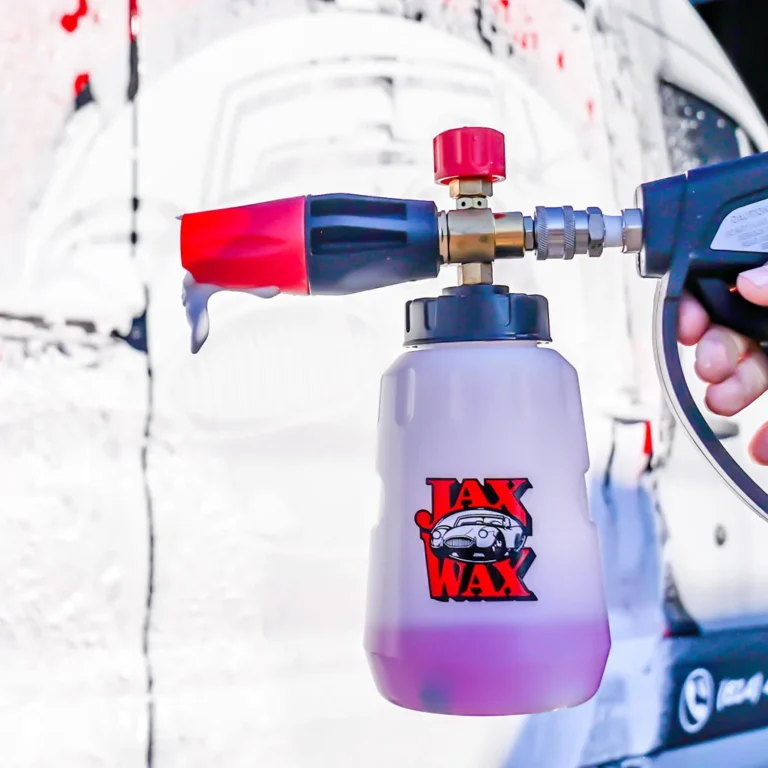
Alkaline soaps are heavy lifters. They break down greasy road film, bug residue, tree sap, and sticky contaminants. Professional detailers often use alkaline snow foams on high-volume vehicles.
The key is to use a pH that's strong enough to clean but not so strong it strips the coating. Most ceramic-specific alkaline soaps sit between 9 and 10.
pH-Neutral Soaps (pH 6–8)
These are your everyday maintenance soaps. They won't harm any coating, regardless of age or cure state. They rely on surfactants (like those in foaming sprayers) to lift dirt.
They don't dissolve mineral deposits or heavy grease, so they're best for lightly soiled cars washed every week or two.
When to use which:
| Soap Type | Best For | Avoid When |
|---|---|---|
| Acidic | Hard water spots, mineral deposits, glass | Coating is less than 7 days old, any coating without pH spec |
| Alkaline | Road film, bugs, tar, tree sap | Coating is DIY spray-on (likely weak), soft water areas (spotting risk) |
| pH-Neutral | Routine light washes, garage-kept cars | Heavy contamination, existing water spots |
The Decision Tree: Your Personal Soap Selection Flowchart
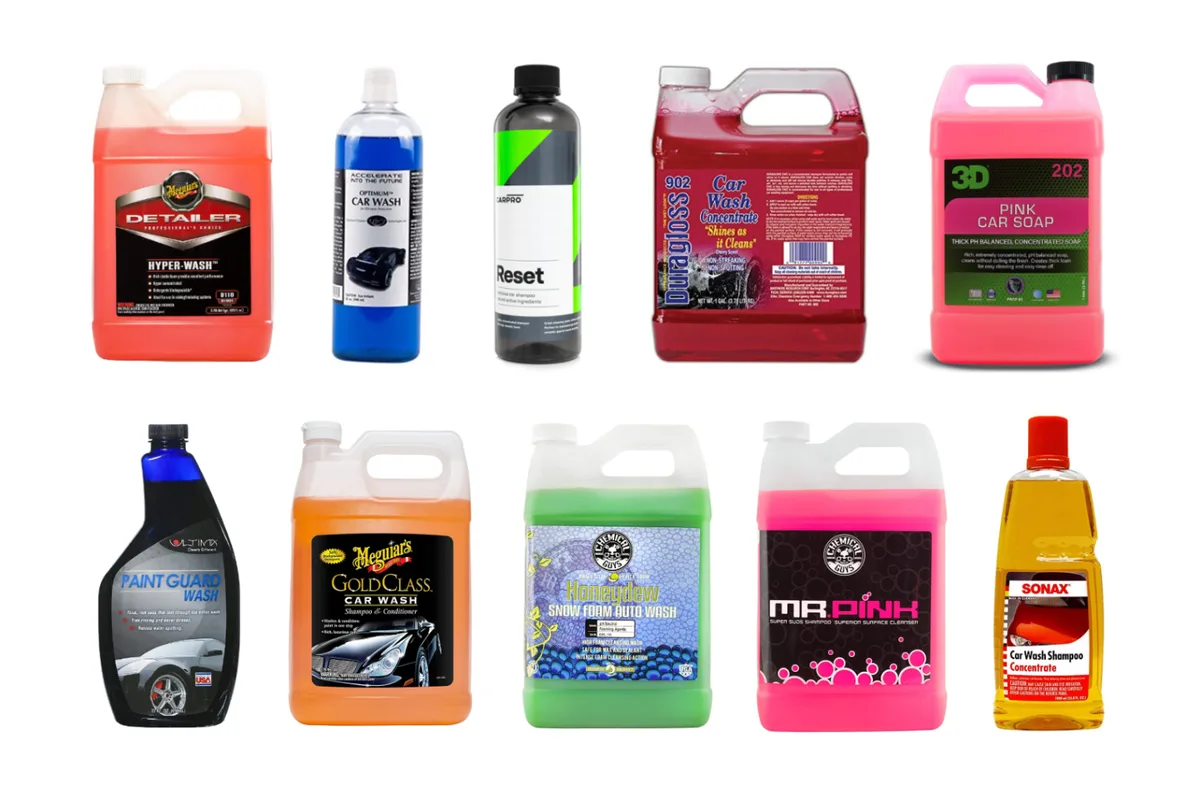
Now it's time to decide. Follow these five steps in order. Each step narrows your options until you land on the right soap.
Bing (Web (fair-use with source credit))
Step 1 – Is Your Coating Fully Cured?
Freshly applied coatings are like wet paint. They need time to harden fully. Most professional coatings take 7 days at room temperature to reach full strength.
DIY spray coatings often cure in 24 to 48 hours.
- If the coating is less than 7 days old: Use only pH-neutral soap. No acidic or alkaline products. The coating's resin is still cross-linking. Any pH shock can weaken the bond.
- If the coating is fully cured (7+ days): You have the full pH range available. Move to Step 2.
Step 2 – Check Your Manufacturer's pH Tolerance
Every coating brand publishes a pH tolerance in its technical data sheet. Some are more restrictive than others. For example, a high-end professional coating might allow pH 2 to 12, while a budget spray coating might only handle pH 6 to 9.
- Go to the brand's official website or product page. Look for “pH tolerance”, “washing instructions”, or “maintenance guide”.
- If you can't find it: Assume a conservative range of pH 6 to 8. Stick to neutral soap.
- If the range is wide (e.g., 3 to 11): You're safe to use either acidic or alkaline, as long as you stay within the stated limits.
Step 3 – Identify Your Main Contamination
What's actually on your paint? This determines whether you need acidic or alkaline.
- Water spots or mineral deposits, White crusty marks that don't wash off? That's hard water. You'll need an acidic soap (pH 4, 5) to dissolve them. See our guide on hard water spot removers for cars for product ideas.
- Bug splatter, bird droppings, tree sap, or road tar, Organic and sticky. These break down better with an alkaline soap (pH 9, 10).
- General road film or light dust, No heavy spots? Just clean? pH-neutral soap is perfect.
- Combination of both: Wash first with an alkaline soak to remove organics. Rinse. Then spot-treat water spots with acidic soap. Never mix the two in one wash.
Step 4 – Account for Your Water Hardness
Your tap water's mineral content changes the game. Hard water (120+ ppm) reacts with alkaline soap to form scale. This scale deposits on your coating and looks even worse than the original dirt.
- Soft water (0, 60 ppm): You can use alkaline soap without worrying about spotting. Good to go.
- Moderate to hard water (60, 180 ppm): Use pH-neutral for routine washes. Save acidic soap for spot treatment. Avoid strong alkaline soap unless you follow with a neutralizing rinse.
- Very hard water (180+ ppm): Consider installing a water softener or using distilled water for the final rinse. Alkaline soap is risky here.
Step 5 – Choose Your Wash Type
You've decided on the soap. Now how you apply it matters.
- Touchless wash (foam cannon + pressure rinse): Use an alkaline pre-wash foam (pH 9, 10) on heavy grime. Let it dwell 3, 5 minutes. Rinse. Follow with a neutral contact wash.
- Contact wash (two-bucket method): Use any soap you identified in Step 3. Dilute to manufacturer specs. Agitate gently with a foam sprayer. The key is lubrication, the right pH won't help if you scratch the paint.
- Two-step decontamination: Start with an alkaline dwell (for bugs and tar). Rinse. Then apply an acidic contact wash (for water spots). This is what professional detailers do for full correction. It's safe if you follow the steps.
If you're still unsure, start with pH-neutral. It won't harm anything. Then test a small area with your chosen soap before doing the whole car.
Best Use Cases: When Acidic Wins – and When Alkaline Is the Better Bet
Let's map the practical scenarios. This isn't about brand loyalty or hype. It's about what your paint actually needs.
Go acidic when you see hard water spots. Those white, crusty deposits are calcium and magnesium carbonates. A mild acidic soap (pH 4, 5) dissolves them in under a minute. For stubborn spots, use a dedicated hard water spot remover for cars before your regular wash.
Acidic soaps are also great on glass, wheels, and chrome trim.
Go alkaline when you face organic grime. Road film, bug splatter, bird droppings, tree sap, and tar all break down faster with an alkaline pre-wash. A pH 9, 10 foam will lift these contaminants off the coating so the contact wash can remove them safely. If you deal with heavy tar or sap, pair it with a bug and tar remover for vehicles as a spot treatment.
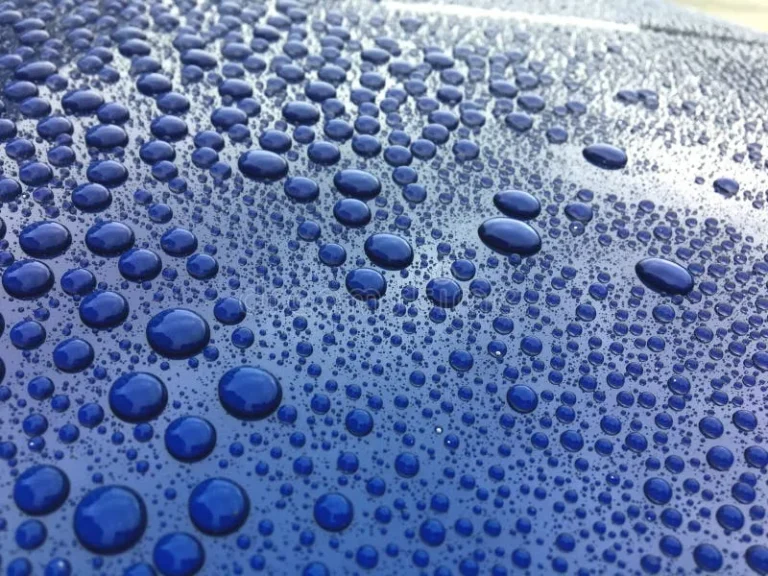
Stay neutral for everything else. Routine maintenance, light dust, and weekly washes call for pH-neutral soap. It preserves the coating's hydrophobic layer and keeps beading sharp.
Step-by-Step Maintenance Wash Process (Regardless of Soap Type)
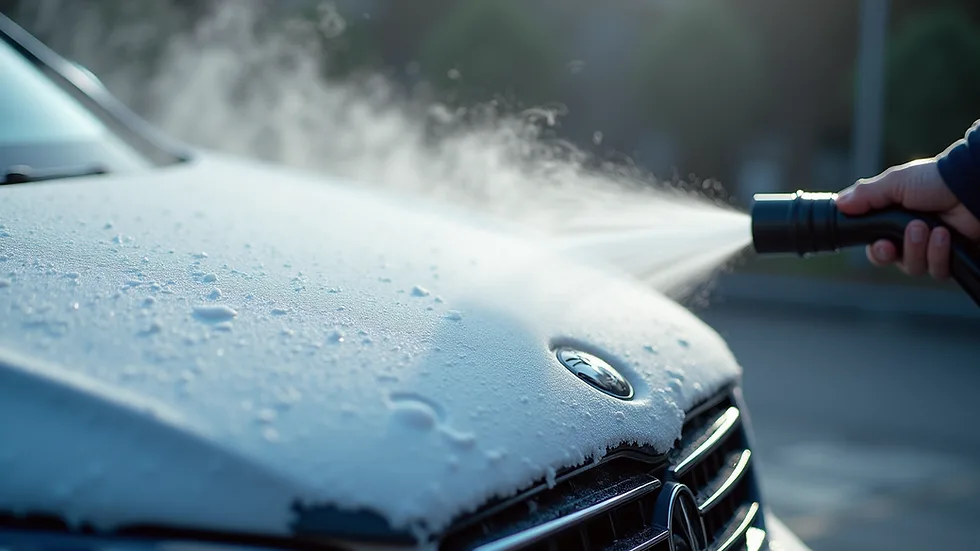
The soap you choose matters only if the washing technique is solid. Here's the process that works with any pH.
Bing (Web (fair-use with source credit))
Step 1: Pre-rinse. Blast off loose dirt with a pressure washer or hose. Work from top to bottom.
Step 2: Apply pre-wash foam. Use an alkaline snow foam for heavy grime or pH-neutral for light dirt. Let it dwell 3, 5 minutes. Do not let it dry on the paint.
Step 3: Rinse the foam. Pressure wash or hose off the dissolved dirt.
Step 4: Contact wash. Use your chosen soap (acidic, alkaline, or neutral) in a two-bucket setup with grit guards. A clean microfiber mitt. Work one panel at a time.
Step 5: Final rinse. Remove all soap residue. Hard water areas: use a spot-free rinse or distilled water for the last pass.
Step 6: Dry. Use a leaf blower or a clean, plush microfiber towel. Pat dry, don't drag. Add a drying aid like an SiO₂ spray if the coating is older or needs a boost.
Common Mistakes That Strip or Haze Your Coating
Even experienced detailers mess these up. Here's the shortlist of what to avoid.
- Using dish soap. It's an alkaline degreaser (pH 9, 11) not designed for pH-sensitive coatings. Over time it strips the hydrophobic layer and dulls the gloss.
- Letting acidic soap dry on the panel. Citric and other acids become more concentrated as water evaporates. This can etch the coating. Rinse within 60 seconds of application.
- Mixing acidic and alkaline products. They neutralize each other. Worse, they can create heat or gas. Always rinse between different pH soaps.
- Washing a fresh coating. New coatings need time to cure. Use only pH-neutral soap for the first 7 days (or follow manufacturer cure time). Acidic or alkaline use during cure can permanently damage the bond.
- Ignoring water hardness. Hard water + alkaline soap = mineral scale on your coating. If you see white spots after drying, switch to neutral or distilled water for the final rinse.
Expert Tips: How to Test pH at Home and Adjust Dilution
You don't need a lab. A simple pH test strip (available at pool supply stores or online) costs under $10 and saves your coating.
Testing your wash water: Mix your soap at the recommended dilution. Dip a pH strip into the bucket. Compare the color change to the chart.
Write down the reading.
Adjusting dilution: If your soap tests too aggressive (acidic below 4 or alkaline above 10), increase water and decrease soap. Test again. Keep a log for each soap you use.
Common adjustments:
- Hard tap water: Add a water softener or use distilled water for dilution.
- Heavy bug season: Increase alkaline soap concentration slightly, but stay inside manufacturer's pH limits.
- Water spots: Reduce acidic soap dwell time, not concentration. Rinse faster.
Warning: Never mix different soaps to "balance" pH. You risk chemical reactions or unpredictable results. Adjust only by dilution with water.
Frequently Asked Questions
Can I use vinegar on ceramic coating?
Vinegar is about pH 2.5. That's too acidic for routine use. It can etch a fresh or thin coating.
Use a dedicated acidic car soap instead. If you must use vinegar, dilute it heavily and rinse immediately.
How often should I wash a ceramic coated car?
Every two weeks for daily drivers. Weekly if you park outdoors or in a dusty area. Monthly is fine for garage-kept vehicles.
The coating collects less dirt, but it still needs a proper wash to maintain hydrophobicity.
Can I use the same soap for coated and uncoated cars?
Yes, as long as you use pH-neutral soap. Acidic or alkaline soaps can strip wax or sealant on uncoated cars. Stick with neutral for mixed garages.
Does foam cannon type matter for pH?
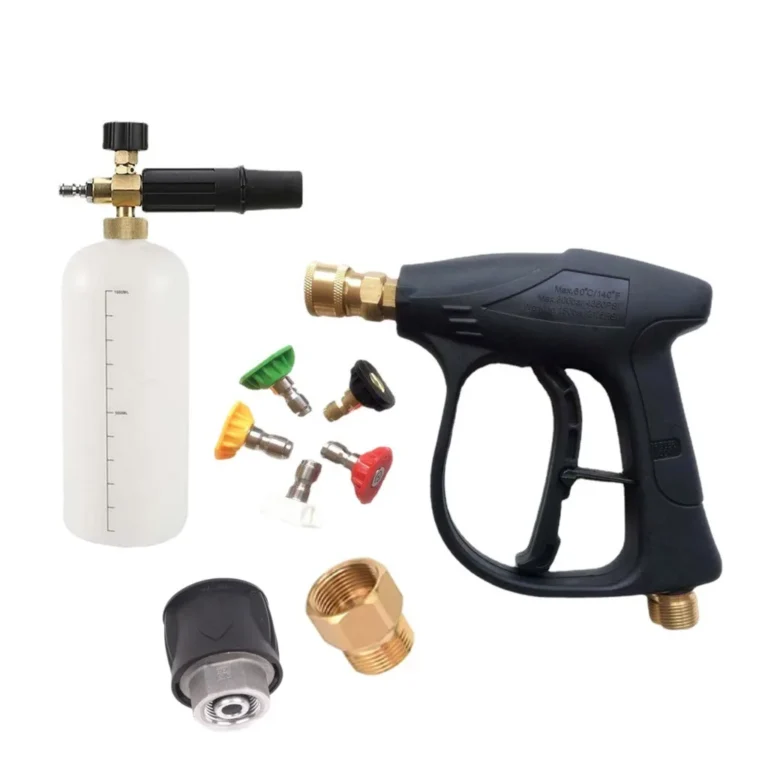
No, the foam cannon itself doesn't change pH. The soap you load into the cannon determines the pH. Just use a quality foaming sprayer that foams well for better dwell time.
How do I remove hard water spots without damaging the coating?
Use a mild acidic soap (pH 4, 5). Apply only to the spotted area. Let it sit 30 seconds.
Agitate gently with a microfiber. Rinse. If spots persist, use a dedicated water spot remover formulated for coatings.
Final Verdict: A Simple Decision Guide for Every Wash Day
You now have everything you need to make the right call. Here is the quick reference version for when you are standing in the garage with a hose in your hand.
Start with pH-neutral if you are unsure. It is the safest choice for any coating at any age. Use it for weekly washes on a clean car.
Switch to acidic (pH 4, 5) if you see hard water spots. Those white mineral deposits need an acid to dissolve. Apply only to spotted areas. Rinse within 60 seconds.
For stubborn spots, pair it with a dedicated water spot remover for glass if they are on your windows.
Switch to alkaline (pH 9, 10) for heavy organic grime. Bugs, tar, tree sap, and road film break down faster with alkaline pre-wash foam. Use it as a dwell step. Follow with a neutral contact wash.
For thick tar or sap, consider a spot treatment with a grime remover for car paint.
Check your coating's cure time first. No acidic or alkaline soap on a fresh coating. Wait at least 7 days for professional coatings, 24, 48 hours for DIY sprays.
Test your tap water hardness. Hard water plus alkaline soap equals spotting. Use distilled water for the final rinse if needed.
Keep a pH test strip in your detailing kit. It costs less than a gallon of soap. It confirms your mix is safe before it touches your paint.
That is it. Five conditions, three soap types, one rule: confirm your coating's tolerance first. Stick to that and your ceramic coating will keep beading like new for years.