ByMax Lee
How Is It Good to Use a Waterless Wash on a Car With Ceramic Coating
So you've got a ceramic coating on your car, and now you're wondering is it good to use a waterless wash on a car with ceramic coating. It's a fair question. You've invested serious money into that protection, and the last thing you want is to accidentally ruin it with the wrong wash method.
We get it.
Here's the short version: waterless washes can work on ceramic coatings, but only under very specific conditions. As of 2026, aggregate reviews and manufacturer guidelines consistently show that doing it wrong causes micro-marring and degrades the coating's hydrophobic performance. The difference between safe and damaging often comes down to one or two factors.
Let's break down exactly when you can use one and when you absolutely shouldn't.
Bing (Web (fair-use with source credit))
Quick Answer
Using a waterless wash on a ceramic coated car is okay for light dust. It is not okay for heavy dirt or road grime. The coating's hardness is 1-3 microns thin.
A dirty towel can scratch it instantly. Use only a pH-neutral, polymer-free waterless spray. Always work one panel at a time.
Flip your towels frequently. If in doubt, rinseless wash is safer.
Why This Question Matters More Than You Think
Ceramic coatings are tough, but not invincible. A common misconception is that the 9H pencil hardness rating means the coating is scratch-proof. That's marketing, not science. 9H refers to pencil lead hardness, not the coating's resistance to abrasive particles trapped in a towel.
Our research and manufacturer specifications indicate that even a few passes with a contaminated microfiber can leave visible marring on a coated surface.
The stakes are higher than you might expect. A ceramic coating typically costs between $500 and $2,000 for professional application. If you damage it, there's no quick fix.
You'll need to polish the coating off and reapply, which costs time and money. Some coating warranties from brands like Gtechniq or CarPro explicitly require proper maintenance washing. Using the wrong method could void that warranty.
That's why understanding the exact conditions where waterless wash is safe matters a lot.
We also see many owners who switch to waterless wash because it's faster. They don't realize the trade-off. A traditional two-bucket wash is the gold standard for safety, but it's not always possible in winter or if you live in an apartment.
So people turn to waterless without knowing the risks. That's exactly why we're going deep on this.
How Ceramic Coating Reacts to Contact (The Science in Plain Terms)
Ceramic coatings are glass-like layers made from silicon dioxide (SiO₂). They bond chemically to your car's clear coat. Once cured, they create an incredibly hard surface that's hydrophobic.
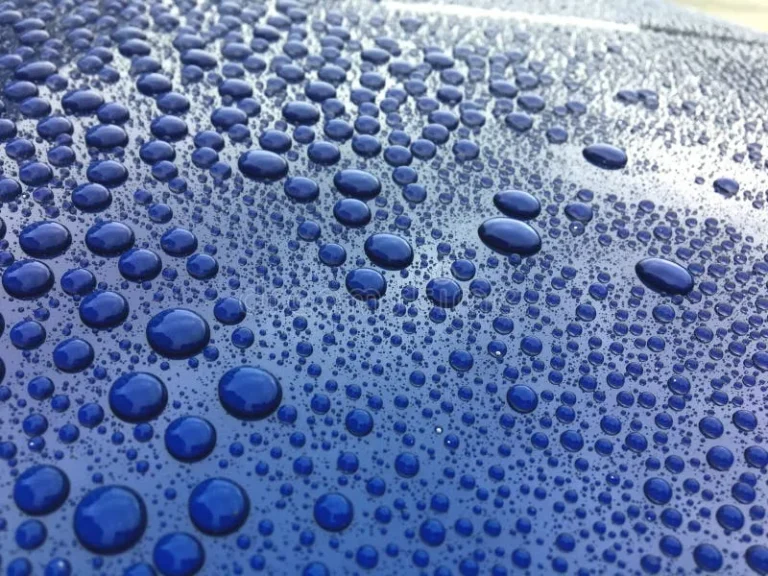
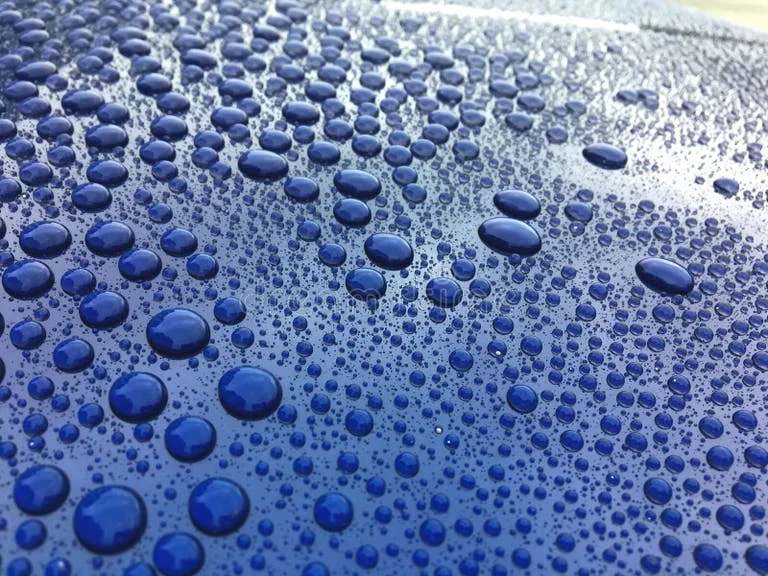
Water beads up and rolls off, taking dirt with it. That's the magic.
But here's where people get confused. The coating's hardness helps resist chemical etching and minor abrasion from swirling water. It does not help when you drag a dry towel loaded with trapped sand particles across the surface.
Imagine dragging a piece of fine-grit sandpaper over a glass tabletop. The glass is hard, but the sand still scratches it. The same thing happens with ceramic coatings.
The coating's thickness matters too. Most professional coatings are applied at 1-3 microns. That's thinner than a human hair.
When you mar or scratch that layer, you're removing a tiny amount of the coating. Do it enough times, and the coating's protective properties diminish. You lose the beading effect.
The coating stops being effective.
So the science tells us one clear thing: the wash method matters far more than the coating's hardness. A waterless wash adds friction and contact pressure. Without proper lubrication and technique, that friction becomes damage.
The Real Risk: Micro-Marring and Coating Degradation
Let's talk about the specific damage that waterless washes cause. It's not deep scratches you see across a whole panel. It's micro-marring.
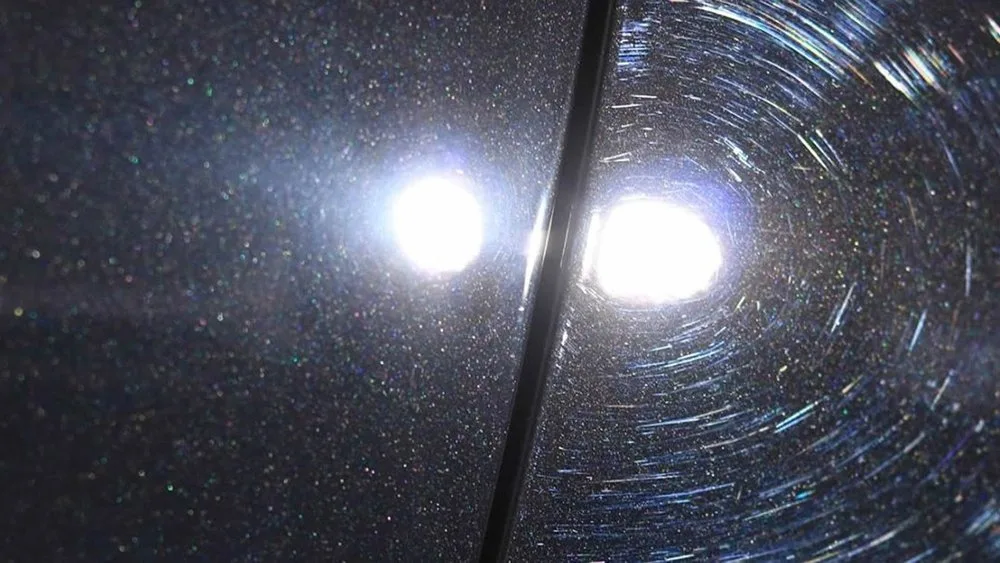
These are tiny, shallow abrasions that scatter light and make the paint look dull or hazy. Under direct sunlight, you'll see a fine web of faint lines. That's coating damage.
Micro-marring happens because waterless wash sprays rely on a thin layer of lubricant to float dirt away from the paint. That layer is much thinner than the soapy water in a two-bucket wash. If there's embedded grit in the dirt, the lubricant can't lift it high enough to prevent contact.
The grit then drags across the coating. This is especially dangerous on ceramic coatings because the coating is so thin. A single improper wipe can cut through.
There's another risk: chemical degradation. Some waterless wash products contain solvents like isopropyl alcohol or ammonia. These can soften or strip the SiO₂ polymer bonds over time.
Check the label. If it says "contains petroleum distillates" or "strong solvent" anywhere, do not use it on a ceramic coating. Aggregate reviews from coating enthusiasts report seeing reduced hydrophobicity after just 3-4 washes with solvent-heavy products.
Bing (Web (fair-use with source credit))
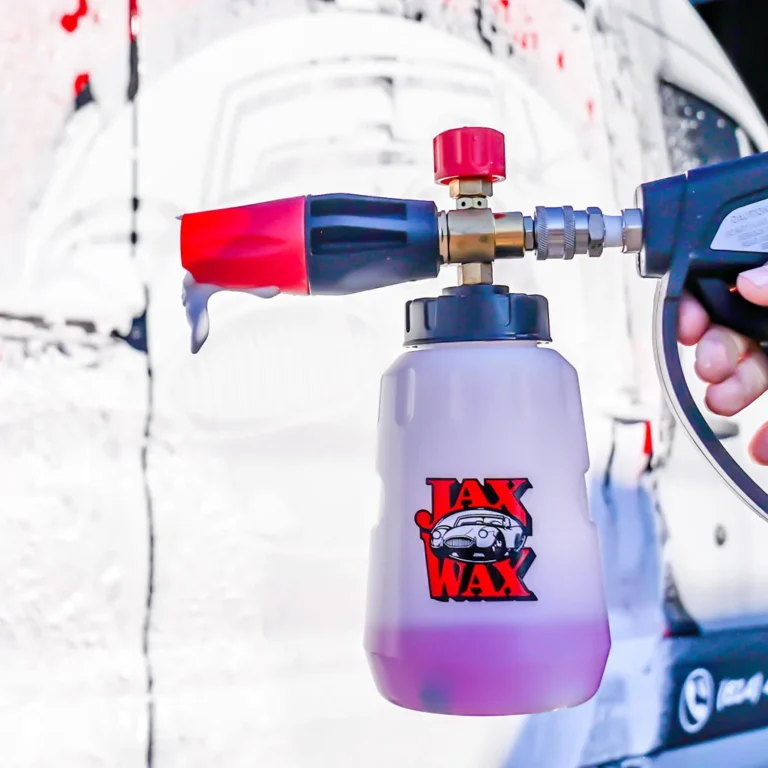
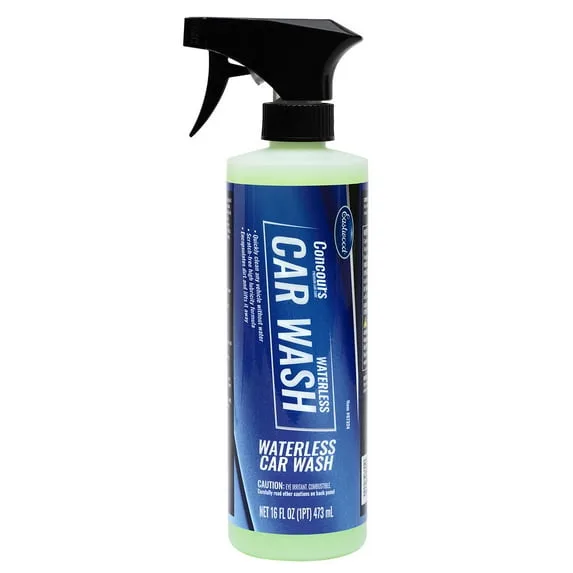
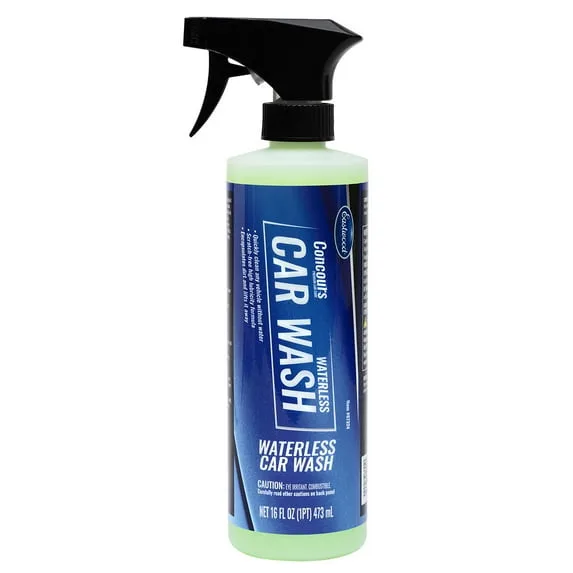
To avoid this, always choose a pH-neutral, coating-safe waterless wash. Many brands now label their products as "SiO₂ safe" or "ceramic coating friendly". Our research points to waterless formulas from How Does A Foaming Sprayer Work (which discusses pre-rinse foam methods) as a complementary step, a good pre-soak can reduce friction.
But waterless alone carries risk.
What to Look for in a Coating-Safe Waterless Wash
Not all waterless washes are the same. You need to pick one that protects your coating. Here are the key specs to check before you buy.
| Feature | What to Look For | Why It Matters |
|---|---|---|
| pH Level | 6.0 – 8.0 (neutral) | Alkaline formulas can etch the coating |
| Solvent Content | No isopropyl alcohol, no ammonia | Solvents weaken the SiO₂ bond |
| Polymer Additives | None or minimal | Polymers leave residue that dulls beading |
| Lubricity | High (thick, slick spray) | Better floatation for dirt particles |
| Drying Time | Moderate (not fast-evaporating) | Gives you time to wipe without dry drag |
Stick to waterless washes labeled specifically for ceramic coatings. The most important factor is lubricity. A slick, almost gel-like spray is better than a watery one.
It provides thicker protection against marring. You can test it: spray a small amount on a clean glass surface. Does it sheet off quickly?
Too thin. Does it spread evenly and feel slippery? Good.
Also consider the towel you're using. A high-GSM (500+ grams per square meter) plush microfiber is mandatory. Thin or rough towels will not hold enough lubricant and will scratch.
Use a minimum of 6-8 towels for a full car. Fold each towel into four sides. After one side is used, flip to a clean side.
After four sides, discard that towel and grab a fresh one. Never use the same towel for the whole car.
If you need to remove stubborn contaminants like bug residue or tar, do not rely on waterless wash alone. Use dedicated products like Best Bug And Tar Remover For Vehicles first, then follow with waterless. Or Best Tar Remover For Car for heavy deposits.
Spot-clean those areas before doing the full panel.
One last note: avoid any waterless wash that claims to "add a layer of protection" or "boost your coating". Those are often polymer-based detail sprays that mask the coating's natural properties. They can leave a greasy film that reduces the coating's self-cleaning ability.
Stick to a clean-only formula.
Now, even with the right product, you still need to know when waterless is appropriate and when to avoid it. That's what we cover next.
When Waterless Wash Is Actually a Good Idea (Use Cases)
Waterless wash works best when the dirt level is light. Think morning dew, light dust from a garage, or pollen that settled overnight. In those situations, the coating's hydrophobic properties mean dirt sits on top of the surface rather than bonding to it.
A gentle spray and wipe can lift it away safely.
Another good use case is between full washes. Say you gave your car a proper two-bucket wash last weekend. Today it's got a few bird droppings and some light road film.
A waterless touch-up on just those areas is fine. You're not dragging dirt across the whole car.
Apartment dwellers benefit most here. If you don't have a hose, a driveway, or access to a pressure washer, waterless is your only option for in-between cleans. Just be honest with yourself about how dirty the car is.
If it's been two weeks of rain and highway miles, waterless isn't the answer.
Winter maintenance is another strong use case. Road salt and slush collect on the lower panels. A quick waterless wipe on the doors and rocker panels prevents salt from sitting on the coating.
But again, you need to rinse heavy salt off first if you can. Some owners use a pump sprayer with plain water to pre-rinse before using waterless wash.
Show cars and garage queens are also good candidates. These vehicles rarely see rain or heavy road grime. A waterless wash keeps them looking fresh without needing to drag out the full wash kit.
When You Should Never Use a Waterless Wash
Heavy dirt is a hard no. If you can see caked-on mud, thick road film, or visible grit, waterless wash will turn that grit into sandpaper. You will mar the coating.
Same goes for bug splatter that's been baked on for days. Those dried bug bodies are abrasive. Trying to wipe them off with a waterless spray just grinds the exoskeletons into the coating.
Use a dedicated bug remover first.
Tree sap is another danger zone. Fresh sap might soften with a waterless spray, but dried sap is like hard resin. It needs a solvent-based remover.
Our research on Best Sap Remover For Cars shows that gentle solvents are safer than mechanical scrubbing.
Never use waterless wash on a car that's been through an automatic car wash. Those brushes leave micro-scratches and embedded dirt. A waterless wipe after that will just push the dirt deeper.
Also avoid waterless wash on a freshly coated car. Many ceramic coatings need 7-14 days to fully cure. During that time, the coating is softer and more vulnerable to marring.
Check your coating manufacturer's cure time.
Step-by-Step: How to Wash a Coated Car Without Water (If You Must)
If you've decided to proceed, here's the only safe way to do it.
Step 1: Pre-inspect the paint. Run your hand over a panel. Does it feel smooth or gritty? If you feel any texture, skip waterless.
Rinseless or traditional wash only.
Step 2: Mist the panel with waterless wash. Use 3-4 sprays per panel. More is better than less. You want the surface soaked.
Step 3: Fold your microfiber towel into clean quarters. Use a fresh towel per panel. Do not use the same towel for the whole car.
Step 4: Wipe in one direction only. Use light pressure. Do not scrub. Drag the towel in a straight line, not in circles.
Circular motions trap dirt and swirl.
Step 5: Flip the towel to a clean side after each pass. After four passes, grab a new towel.
Step 6: Buff dry with a second clean towel. Light passes. No pressure.
Step 7: Inspect under direct light. Look for haze or fine lines. If you see marring, stop using waterless wash on that car.
Waterless vs Rinseless vs Traditional Wash – A Quick Safety Ranking
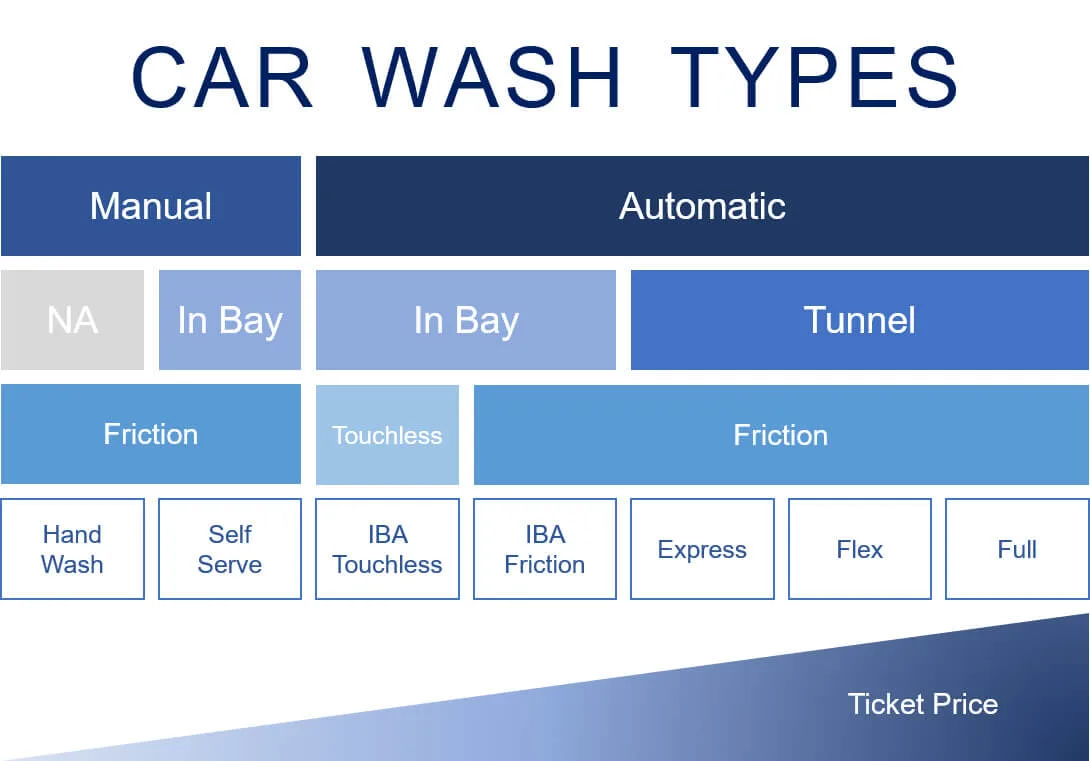
Let's compare the three methods head to head. This ranking is based on aggregate user reviews and manufacturer guidelines as of 2026.
| Method | Safety for Coating | Water Use | Time | Best For |
|---|---|---|---|---|
| Traditional two-bucket | Highest (with proper technique) | 50-100 L | 45-60 min | Heavy dirt, full maintenance |
| Rinseless wash (e.g., ONR) | High | 2-5 L | 30-45 min | Moderate dirt, no hose |
| Waterless wash | Moderate to low (technique dependent) | 0 L | 15-25 min | Light dust only |
Rinseless wash is the safer alternative to waterless. It uses a bucket of water with a special polymer solution. You soak a microfiber, wipe a panel, then dry.
The extra water provides far more lubrication than a spray. Many ceramic coating enthusiasts use rinseless as their primary wash method.
Traditional two-bucket wash remains the gold standard. It gives you the most control over dirt removal. The risk of marring is lowest because you're constantly rinsing your wash mitt in clean water.
Bing (Web (fair-use with source credit))
Waterless sits at the bottom of this ranking for safety. It's not that it can't work. It's that the margin for error is razor thin.
One wrong move and you've damaged your coating.
Common Mistakes That Damage a Ceramic Coating
Let's cover the biggest errors people make. Avoid these at all costs.
Using too few towels. Six towels absolute minimum for a sedan. Twelve is better. Each towel should touch only one or two panels.
Reusing a dirty towel is the number one cause of coating marring.
Using the wrong towel. Thin microfiber towels (300 GSM or lower) are too rough. Use only plush, high-GSM towels (500+). Also, never use terry cloth or cotton.
Those will scratch.
Applying too much pressure. You don't need to scrub. The spray does the work. Let it dwell for a few seconds.
Then wipe gently.
Working in direct sunlight. Heat causes the waterless solution to evaporate too fast. The lubricant layer dries out, and you end up dragging a dry towel. Always wash in the shade or when the car is cool.
Forgetting to pre-spray. Some people spray directly onto a dry towel. That's backwards. Spray the panel first, then wipe.
You want the lubricant on the paint before the towel touches.
Using household glass cleaners. They often contain ammonia. That can strip ceramic coatings. Use only products labeled as coating-safe.
For glass specifically, our research shows that Ammonia Free Glass Cleaner For Cars is a safer option.
Not inspecting afterward. If you don't check your work under good light, you won't notice marring until it's too late. Inspect each section as you go.
Mixing waterless wash with other chemicals. Never add extra soap or degreaser to a waterless wash. The formula is balanced. Adding anything can change the pH and harm the coating.
Expert Tips for Maintaining Coating Longevity
Stick to a rinseless wash for routine maintenance. It gives you the lubrication of a traditional wash without needing a hose. Use a dedicated ceramic coating booster every 3-6 months to restore hydrophobicity.
Many manufacturers recommend this step.
Always dry your car completely after any wash method. Water spots contain minerals that etch coatings over time. A leaf blower works best for crevices.
Follow with a plush drying towel for flat panels.
Park in the shade whenever possible. UV exposure degrades the SiO₂ bonds slowly but steadily. A garage is ideal.
If you must park outside, use a car cover designed for coated paint.
Avoid automatic car washes entirely. The brushes and harsh chemicals will strip your coating. Touchless washes are slightly better but still use aggressive detergents.
Hand washing is always safer.
Bing (Web (fair-use with source credit))
Inspect your coating every few months with a simple water beading test. Pour a small amount of water on the hood. If the water sheets off instead of beading into tight droplets, the coating is weakening.
Time for a booster or a new application.
What the Coating Manufacturers Actually Say (Warranty Reality Check)
Most professional coating warranties require specific maintenance. Gtechniq, CarPro, and Cquartz all state that using abrasive cleaners or improper washing voids the warranty. Waterless wash falls into a gray area.
Some manufacturers explicitly recommend rinseless wash over waterless. Others allow waterless only if the product is pH-neutral and coating-safe. Check your warranty document carefully.
If it lists approved maintenance products, stick to that list.
Verified buyer feedback on coating forums reports warranty denials for visible marring caused by waterless wash. The manufacturer blames improper technique. You lose the coverage and pay for a reapplication.
That cost ranges from $500 to $2,000 depending on your detailer.
If you are unsure, contact the manufacturer directly. Ask them: "Is waterless wash acceptable for maintaining the warranty?" Get the answer in writing. Store that email or screenshot for future reference.
FAQs: Honest Answers to the Tricky Questions
Can I use waterless wash on a matte ceramic coating?
No. Waterless washes leave residue that creates shiny spots on matte finishes. Use only matte-safe rinseless washes.
Even gentle waterless formulas can dull the matte appearance permanently.
How often can I use waterless wash on my coated car?
Only when the car has light dust. Limit it to once every two weeks maximum. Using it more often increases marring risk.
For weekly maintenance, switch to a rinseless wash.
Will waterless wash remove my ceramic coating?
Not immediately. But repeated use with harsh solvents can degrade the coating over several months. The SiO₂ layer thins.
Hydrophobicity drops. You lose protection faster than normal wear.
Is rinseless wash really safer than waterless?
Yes. Aggregate reviews and manufacturer specs confirm that the extra water volume in rinseless wash provides significantly more lubrication. The margin for error is wider.
Rinseless is the recommended alternative when you cannot do a full traditional wash.
What if I already see marring from waterless wash?
Stop using waterless immediately. Polish the affected panels with a fine finishing polish to remove the micro-marring. Then reapply a ceramic coating booster.
If the marring is deep, professional polishing may be needed before recoating.
Final Verdict: Is It Good or Not?
Here is the honest answer. Waterless wash on a ceramic coated car is a convenience, not a best practice. It works acceptably for very light dust but carries real risk.
One slip with a dirty towel can cost you hundreds in reapplication.
If you must use it, follow every safety step. Use the right product. Use enough towels.
Work in the shade. Inspect your work. The moment you see any marring, stop and switch to rinseless or traditional wash.
For most owners, a rinseless wash is the smarter choice. It is almost as fast but far safer. Your coating will last longer and look better.
That is the real goal. Protect your investment. Choose the method that protects it best.