Black Friday deals are live on Amazon · limited-time discounts, grab them before they’re gone
Grab the deals

ByMax Lee
Is It 25 Degrees Too Cold for a Car Wash? Expert Tips for Washing Safely
At 25°F (-4°C), washing a car outdoors is risky but not automatically impossible. The main problem is not that cold air instantly damages automotive paint. It is that rinse water can freeze on the body, in door seals, around locks, inside mirrors, and near brakes before you can dry it.
A professional wash bay with heated water, strong air drying, and an indoor exit is usually safe. A driveway wash at 25°F, especially in wind or shade, can leave frozen water in places that later prevent doors, windows, or locks from working. You can also read our guide on is it bad to wash your car in the cold weather.
The practical rule is simple: avoid a full outdoor wash below freezing unless removing road salt is urgent and you have a reliable way to dry the vehicle completely.
What Does 25 Degrees Mean?
This advice assumes 25 degrees Fahrenheit, not Celsius. At 25°F, the air temperature is 7 degrees below water’s normal freezing point of 32°F (0°C).
However, the temperature shown on your vehicle’s display is only part of the risk. Water may freeze faster when:
- Wind increases evaporation and makes surfaces colder
- The vehicle has been sitting in the shade
- The body panels are already below freezing
- The wash takes place in an exposed driveway
- Water remains trapped in seams, mirrors, handles, or weatherstripping
- The temperature is falling toward evening
Sunlight can warm a dark vehicle’s panels, but it should not be treated as a guarantee that water will stay liquid. Check the forecast and wind conditions through the National Weather Service before planning a winter wash. You can also read our guide on best water spray gun for car wash.
Should You Wash a Car at 25°F?
A driveway wash: generally no
A traditional hose-and-bucket wash at 25°F is usually a poor choice. Water can ice over before you finish rinsing, and the remaining moisture may freeze while you drive away. This is particularly troublesome around:
- Door handles and hinges
- Rubber door seals
- Trunk and hood latches
- Key cylinders
- Power-folding mirrors
- Window channels
- Fuel-door mechanisms
- Brake components and wheel areas
A common mistake is focusing only on drying visible paint. The hidden water inside a door seal or mirror housing is often what causes trouble later.
A professional wash: often yes
A heated or enclosed car wash can be appropriate at 25°F because it may use warm water, controlled drainage, high-pressure rinsing, and blow-drying equipment. Choose a facility that offers:
- An underbody rinse for salt removal
- A strong air-dry cycle
- A heated or sheltered wash area
- Enough time for water to drain before you leave
- Staff who can advise whether the equipment is operating safely in current conditions
If the wash is an open, self-service bay with no effective dryer, the freezing risk is much closer to washing at home.
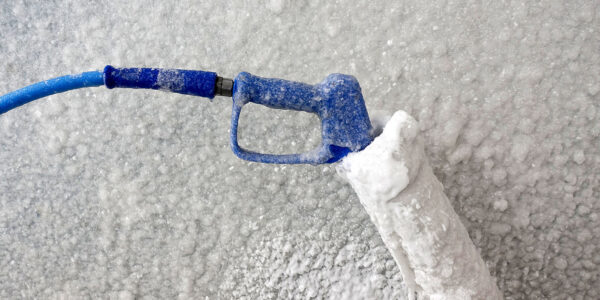
Credit: www.autozone.com
Water left on seams and trim can freeze quickly below 32°F.
Why Winter Washing Still Matters
Cold weather does not eliminate the need to wash a vehicle. Road salt, brine, slush, and grime can collect underneath the car and around suspension, brake, and body components. Leaving salt residue in place for weeks can contribute to corrosion, especially where protective coatings have been damaged by chips or scratches. You can also read our guide on best hose for car wash in winter use.
If the vehicle is heavily coated with salt, removing it may be more important than waiting for a perfectly warm day. The safest compromise is usually a professional wash with an undercarriage option, followed by thorough drying.
If the car is only dusty, lightly muddy, or covered with loose snow, waiting for a warmer period is usually the better decision. Do not rub dry salt or gritty dirt across the paint because the particles can create fine scratches. You can also read our guide on best hose filter for car washing.
For winter travel, washing is only one part of preparation. Make sure the vehicle is also ready for poor visibility, icy roads, and changing road conditions; guidance on winter vehicle readiness can help identify equipment worth checking before a trip.
What Can Go Wrong at 25°F?
| Risk | Why it happens | Practical consequence |
|---|---|---|
| Ice on body panels | Rinse water freezes before it drains or dries | Reduced visibility and frozen trim |
| Frozen door seals | Moisture remains between rubber and painted metal | A door may stick or resist opening |
| Frozen locks or latches | Water enters small openings and freezes | Key cylinders, handles, or latches may not operate |
| Frozen mirrors | Water remains in mirror housings or adjustment joints | Power-folding mirrors may strain |
| Frozen window channels | Water freezes beside the glass | Windows may move slowly or not close correctly |
| Temporary brake noise | Moisture freezes around brake surfaces | Scraping or grinding sounds can occur briefly |
| Trapped underbody moisture | Water remains on salt-covered components | More exposure to corrosion over time |
| Frozen wash equipment | Hoses, sprayers, and drains are exposed to freezing conditions | Poor pressure, blocked equipment, or damage |
Cold temperatures alone do not normally make properly maintained automotive paint crack or peel during an ordinary wash. The bigger concerns are freezing water, abrasive grit, trapped moisture, and using unsuitable chemicals or tools. You can also read our guide on how to use drive through car wash.
The Safest Way to Wash at 25°F
If you must wash the vehicle, use a controlled process rather than a long driveway wash.
1. Choose the warmest safe window
Wash during the warmest part of the day, preferably when the temperature is rising and the vehicle can be moved into a garage or heated area afterward. Avoid washing when:
- The temperature is falling rapidly
- Strong wind is blowing
- Freezing rain is present
- Snow is accumulating
- You cannot dry the vehicle immediately
- You need to park outside overnight with wet seals and locks
A short drive after washing may help shed water, but it is not a substitute for drying. Wind can also push moisture deeper into gaps.
2. Remove loose grit first
Use a gentle rinse to loosen salt and sand before touching the paint. Do not begin with a dry towel, brush, or sponge on a visibly gritty panel. You can also read our guide on how to keep a black car clean between washes.
For a hand wash, a properly arranged two-bucket washing setup reduces the chance of dragging abrasive particles across the finish. In freezing weather, work in small sections and do not allow soapy water to sit on the car.
3. Use lukewarm water, never very hot water
Moderately warm water can make washing more comfortable and may slow freezing. Do not pour boiling or very hot water over cold glass, plastic, or metal. A sudden temperature change can stress glass, especially if it already has a chip or crack.
Use a car-wash soap formulated for automotive finishes. Keep the solution moving and rinse promptly rather than flooding the vehicle repeatedly.
4. Wash from the top down
Clean the roof and upper glass first, then the windows and upper body panels. Leave the dirtiest lower panels and wheels for last. This limits the amount of road grit carried onto cleaner areas.
Use separate equipment for wheels and lower bodywork whenever possible. Brake dust and road grit are more likely to cause scratching.
5. Dry immediately and thoroughly
Drying is the most important step below freezing. Use clean, soft microfiber towels or a dedicated vehicle air dryer. Concentrate on:
- Door edges and jambs
- Rubber seals
- Handles and locks
- Trunk and hood seams
- Side mirrors
- Fuel and charging doors
- Grilles and parking sensors
- License-plate recesses
- Window channels
Open each door briefly to wipe the seal and lower edge, but do not force a door that has already frozen shut. A short burst of clean, dry compressed air can help remove water from seams; if you maintain your own equipment, confirm that your compressor’s tank and duty cycle are suitable for the job.
Never direct high-pressure air at a delicate seal from extremely close range.
6. Protect seals and locks
After drying, apply a vehicle-safe silicone-based rubber protectant sparingly to clean door seals. This can help reduce sticking, but it will not correct a seal that is already frozen.
For locks, follow the vehicle manufacturer’s instructions. Many modern vehicles use electronic handles or covered key cylinders, so forcing a key or handle can cause damage. Do not use an open flame or a heat gun near the vehicle.
7. Check the brakes before normal driving
After a wash, brake surfaces may be wet or lightly iced. Drive slowly in a safe area and apply the brakes gently several times to confirm normal response. If the pedal feels abnormal, braking is weak, or a scraping noise continues, stop and inspect the vehicle rather than continuing at speed.
Professional Car Wash or Home Wash?
Choose a professional wash when:
- Road salt is heavily built up
- You need an underbody rinse
- The temperature is below freezing
- You do not have indoor drying space
- The vehicle has delicate seals, frozen mechanisms, or extensive road grime
- You can use a touchless system with a strong dryer
A touchless wash reduces brush contact, but high-pressure water can still enter handles, mirrors, and seals. Always use the dryer and inspect the vehicle before leaving.
A brush-based automatic wash may clean effectively, but brushes can carry grit from previous vehicles. If preserving a delicate or recently corrected finish is important, a well-maintained touchless wash or careful hand wash is usually the lower-contact option.
A home wash may be reasonable when:
- The temperature is near or above freezing
- The vehicle is in a sheltered, heated area
- You can wash one section at a time
- You have plenty of drying towels or an air dryer
- The vehicle is only lightly soiled
- You can keep the vehicle indoors afterward
If you cannot dry the car completely, do not start a full wash simply because the vehicle looks dirty.
What About Salt, Snow, and the Undercarriage?
The underside often needs more attention than the painted roof. Salt and brine can collect behind wheels, along rocker panels, in wheel wells, and on exposed suspension or subframe areas.
When using an underbody rinse:
- Keep the nozzle moving.
- Avoid forcing water directly into electrical connectors or damaged protective covers.
- Rinse wheel wells and lower door areas.
- Use a dryer or drive into a sheltered area immediately afterward.
- Check for packed snow and ice before driving.
Do not chip frozen deposits off paint with a scraper. Let them soften in a warmer location or remove them with a gentle rinse when conditions allow.
Alternatives When It Is Too Cold
Wait for a warmer day
Waiting is best when the vehicle is not coated in salt and the forecast shows temperatures rising above freezing. A mid-day wash followed by a fully dry vehicle is safer than an evening wash before a hard freeze.
Use a waterless wash carefully
A waterless product can work for light dust and loose film when used with abundant clean microfiber towels. It is not appropriate for thick mud, sand, or heavy salt because wiping can grind abrasive material into the paint.
Use a small section at a time, fold the towel frequently, and stop if the surface feels gritty.
Clean only critical areas
If a full wash is impractical, prioritize:
- Wheel wells
- Rocker panels
- Lower doors
- License plates and lights
- Windshield and windows
- Areas visibly covered in road salt
This reduces corrosive residue without leaving the entire vehicle wet.
Remove snow correctly
Use a soft snow brush designed for automotive paint. Avoid scraping ice across painted surfaces, and clear all windows, mirrors, lights, and the roof before driving. Snow left on the roof can slide forward during braking or fall onto vehicles behind you.
Is Wax or Ceramic Protection Helpful in Winter?
A wax, sealant, or ceramic coating can make grime easier to remove and provide a barrier against contamination. It does not stop water from freezing in locks, seals, or mirrors, and it does not make an unsafe below-freezing wash safe.
Apply protection only to a clean, dry surface and follow the product’s temperature and curing instructions. Many products need a minimum application temperature and time away from moisture. If the panel is too cold for the product, wait rather than applying it poorly.
When Should You Avoid Washing Completely?
Skip a home wash at 25°F if:
- You cannot dry the door jambs and seals
- The vehicle has cracked glass or damaged seals
- Freezing rain is falling
- Wind is strong enough to freeze spray immediately
- You must park outdoors immediately afterward
- The vehicle has frozen doors or handles already
- You have no safe place to manage runoff and ice
If road salt is the urgent concern, use a professional wash with underbody rinsing and drying instead of attempting a slow wash outdoors.
Winter Driving After a Wash
A clean vehicle still needs a cautious post-wash check. Before entering normal traffic:
- Confirm that all windows and mirrors are clear
- Check headlights, taillights, and license plates
- Test the brakes gently
- Make sure doors latch securely
- Ensure sensors and cameras are free of ice
- Verify that the windshield washer fluid is winter-rated
- Remove loose snow from the roof and hood
If you will be driving through rural areas, review practical slow-vehicle road safety as well as your vehicle’s winter equipment. For vehicles subject to inspection requirements, keeping safety components functional matters more than achieving a spotless appearance; a state inspection checklist such as this vehicle safety guidance can help identify neglected items.
Frequently Asked Questions
Is 25°F too cold for a car wash?
It is generally too cold for an ordinary outdoor driveway wash, but a professional wash with warm water and effective air drying can be suitable. The combination of wind, shade, falling temperatures, and drying time matters as much as the temperature itself.
Can water freeze on a car at 25°F?
Yes. Water can freeze on body panels, glass, door seals, mirrors, handles, and underbody components. The risk is highest when the vehicle is cold, the wind is strong, or water is left in protected gaps.
Should I use warm water at 25°F?
Use lukewarm water if needed, but never boiling or very hot water. Extreme temperature differences may stress cold glass and some plastic components. More importantly, dry the vehicle immediately after rinsing.
Will washing at 25°F damage automotive paint?
A normal wash does not usually damage sound automotive paint simply because the air is 25°F. Scratches from gritty tools, harsh chemicals, trapped moisture, and frozen mechanisms are more realistic concerns.
Is a touchless car wash safer in freezing weather?
It can be safer than an outdoor hand wash if it has heated water, an enclosed bay, and a strong dryer. Use the full drying cycle and inspect doors, mirrors, locks, and seals before leaving.
Should I wash off road salt even when it is below freezing?
If salt buildup is heavy, removing it may be worthwhile. Prefer a professional wash with an underbody rinse and drying. If the vehicle is only lightly dirty, waiting for a warmer period is usually safer.
Can I use a waterless car wash at 25°F?
Yes, but only for light, loose contamination and only if the product can be used at that temperature. Do not use a waterless method on thick mud, sand, or heavy salt because wiping can scratch the finish.
What should I do if my car door freezes after washing?
Do not yank the handle or pour boiling water over the door. Move the vehicle into a warmer location if possible, gently warm the area using an appropriate method, and inspect the rubber seal before trying again. If the door will not latch securely, do not drive.
Bottom Line: Is 25 Degrees Too Cold for a Car Wash?
Twenty-five degrees Fahrenheit is too cold for most casual outdoor car washes, but it is not an absolute prohibition. A professional wash with warm water, an underbody rinse, and powerful drying is usually the safest option when winter salt must be removed.
If you wash at home, work quickly, use lukewarm—not hot—water, avoid abrasive wiping, and dry every seam, seal, lock, mirror, and brake area. When you cannot guarantee complete drying, wait for a warmer day or choose a carefully performed light-cleaning alternative.
The priority is not merely making the paint look clean. It is removing corrosive salt without leaving water trapped where it can freeze.








