ByMax Lee
How to Keep a Black Car Clean Between Washes: Expert Tips Revealed
Black cars turn heads the moment they roll down the street, but that mirror‑finish comes with a hidden trade‑off: every speck of dust, fingerprints, and water spot becomes instantly visible. Maintaining that showroom glow without a full wash every few days requires a routine built on precision, the right tools, and a few insider habits. Below, you’ll find practical, experience‑driven steps to keep your black paint looking deeper and cleaner between appointments at the car wash.
Why Black Paint Demands a Different Mindset
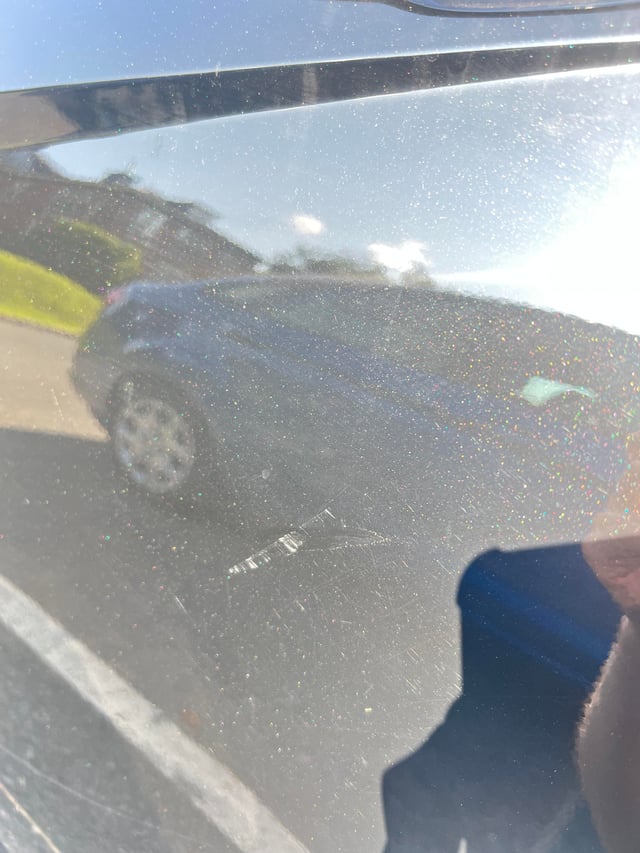
Dark‑colored finishes absorb and reflect light differently than lighter shades, which means contaminants aren’t just sitting on the surface—they’re highlighted. Brake dust, pollen, and microscopic road grime cling to the paint, and when the sun hits, they’re amplified. In practice, owners who wash their black cars the same way they would a silver or white vehicle often end up with swirl marks that are far more obvious on a black canvas. The goal here isn’t just cleanliness; it’s protecting the finish while minimizing the appearance of every day’s wear. You can also read our guide on best car wash for paint protection.
1. Deploy a pH‑Balanced Quick Detailer Spray for Daily Refreshes
A quality quick detailer is designed to lift light dust and fingerprints without requiring water, making it the fastest way to refresh your car’s appearance between washes. Look for a pH‑balanced formula; harsh chemicals can strip existing wax or sealant, leaving the paint vulnerable. In practice, spraying a micro‑thin layer and gently wiping with a clean microfiber towel removes dust before it bonds to the clear coat, reducing the need for aggressive scrubbing later.
Steps:
- Work in shaded sections so the product doesn’t dry too quickly.
- Spray 6–8 inches from the surface, using short bursts.
- Wipe with a plush microfiber towel using light, straight‑line motions.
- Flip the towel frequently to avoid re‑depositing dirt.
2. Keep a Dedicated Microfiber Cloth Within Reach—Inside and Out
Not all cloths are created equal. A high‑grammage, edgeless microfiber towel traps particles within its fibers rather than pushing them across the paint, which is the primary cause of fine scratches on black cars. Keeping one in the driver’s side door pocket means you can address dust or a smudge the moment you notice it, preventing the buildup that leads to a dull, hazy finish. You can also read our guide on best products for car washing.
Tip: Wash your microfiber towels separately from other laundry, avoid fabric softener, and store them in a breathable bag. A dirty cloth is worse than no cloth—it grinds grit into the paint each time you wipe.
3. Park Strategically to Reduce Contaminant Exposure
Where you park can cut down the amount of dust and bird activity your car encounters daily. A covered spot or garage is ideal, but if only open lots are available, orient the vehicle so the front faces away from prevailing wind directions that blow pollen and road dust. A breathable, custom‑fit car cover adds another layer of defense against tree sap, bird droppings, and UV fading when outdoor parking is unavoidable. You can also read our guide on how to prevent water spots on car after washing.
Numbers: Owners who consistently park in shaded areas report up to a 40% reduction in weekly dust accumulation compared with those who park in direct sun.
4. Neutralize Bird Droppings and Tree Sap Before They Bond
Bird excrement and tree sap are chemically aggressive; left too long, they can etch into the clear coat, creating permanent pits that are especially visible on black paint. Keep a quick‑detailer spray and a damp microfiber towel in your car’s center console. As soon as you spot a contaminant, spray the area, let it dwell for 60 seconds (but not longer), and gently lift it away. Never rub aggressively—this spreads the residue and increases the risk of scratching. You can also read our guide on best microfiber cloth for washing cars top picks for streak free shine.
5. Use a Modern Waterless Wash Spray for Light Grime
Waterless wash products have evolved significantly through 2026, with many now incorporating lubricating polymers that encapsulate dirt without scratching. These are ideal when you’re short on time or lack a hose, but they’re not a substitute for a full wash when the car is heavily soiled. Spray a section, wait the manufacturer‑recommended dwell time (usually 30–60 seconds), then lift the dirt with a clean microfiber towel using straight‑line pulls.
Limitation: Avoid using waterless wash on cars covered in road salt or heavy mud; the grit can act like sandpaper under the towel. For more on this, see our guide on are automatic car washes bad for your paint.
6. Master the Two‑Bucket Wash Method When a Full Cleaning Is Due
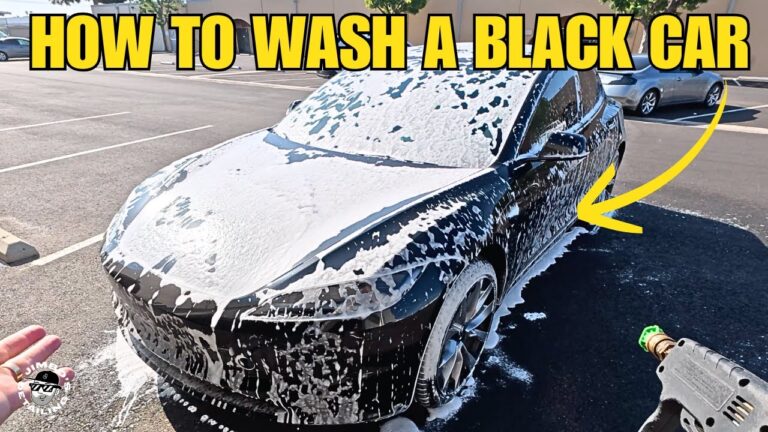
When it’s time for a thorough cleaning, the two‑bucket method is the gold standard for preventing swirl marks. One bucket holds pH‑neutral car shampoo; the other holds clean rinse water. Dip your wash mitt into the soapy bucket, clean a panel, then rinse the mitt in the clear water bucket before re‑loading. This removes grit from the mitt before it touches the paint again. Always wash from top to bottom, and finish with a dedicated drying towel to lift moisture without dragging remaining particles across the surface.
Pro tip: Place a grit guard at the bottom of the rinse bucket; it traps settled particles, keeping the wash water cleaner longer. For further reading, see example.com.
7. Add a Protective Layer: Compare Wax, Sealant, and Ceramic Coatings
A protective barrier not only adds depth and shine but also makes subsequent cleaning easier by creating a hydrophobic surface. Carnauba wax offers a warm, deep glow and lasts 4–6 weeks, while synthetic sealants provide 3–6 months of protection with higher heat resistance. Ceramic coatings (professional‑grade) can last 2+ years but require a flawless application surface. From experience, a high‑quality hybrid sealant often hits the sweet spot for daily drivers: durable protection without the long‑term commitment of a full ceramic install.
Trade‑off: If you wash your car weekly, a sealant’s longevity may be sufficient. If you only wash monthly, a wax’s shorter life may require more frequent application to maintain the barrier.
8. Keep the Interior Glass Clean—It Affects the Overall Exterior Look
A hazy interior windshield reflects light outward, making the exterior appear less crisp, especially under sunlight. Use an ammonia‑free glass cleaner and a microfiber towel to clean the inside of all windows monthly. For black‑interior cars, a dedicated interior protectant prevents UV‑induced cracking on dashboards, which can shed particles that eventually land on the paint during drives.
9. Common Mistakes That Undermine Your Efforts
- Using dish soap or household cleaners: These strip wax and leave residues that attract dust.
- Wiping with a dry cloth: This grinds microscopic particles across the clear coat.
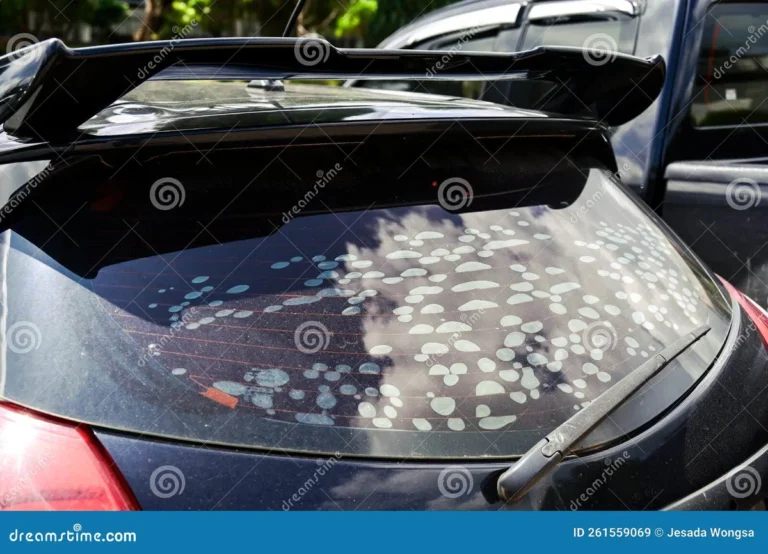
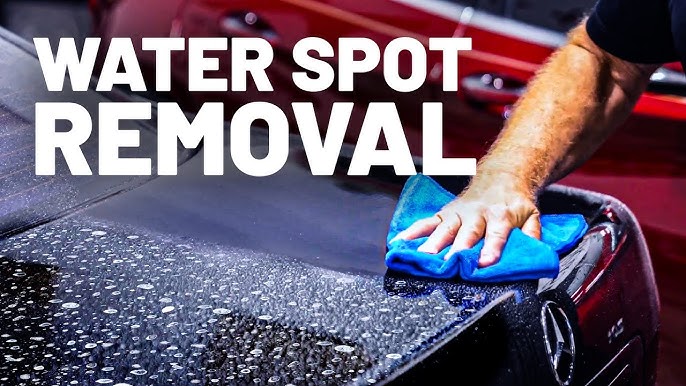
- Skipping the dry step: Leaving water to air‑dry creates mineral deposits that show as white spots on black paint.
- Applying protectant to a dirty surface: Always wash and decontaminate before waxing or sealing; otherwise, you lock in contaminants.
Quick Reference Table: Black Car Maintenance Between Washes
| Tip | Why It Helps | How to Do It |
|---|---|---|
| Quick detailer spray | Removes dust without water | Spray, wipe with microfiber, flip towel |
| Dedicated microfiber cloth | Safe, does not scratch paint | Keep in car, wash separately, store dry |
| Strategic parking | Reduces dust and UV damage | Use shade, consider breathable cover |
| Bird dropping/sap removal | Prevents paint etching | Spray, dwell 60s, gentle lift |
| Waterless wash spray | Cleans without water, convenient | Spray, dwell, lift with microfiber |
| Two‑bucket wash | Prevents swirl marks during full wash | Top‑to‑bottom, rinse mitt, dry towel |
| Protective layer (wax/sealant) | Adds shine, repels dirt | Apply every 4–8 weeks, clean surface first |
| Interior glass care | Keeps overall look sharp | Ammonia‑free cleaner, microfiber towel |
| Avoid dish soap | Preserves existing protection | Use car‑specific shampoo only |
Final Thoughts
A black car’s beauty is in the details—and those details are built one small step at a time. By integrating quick detailer sprays, strategic parking, and the right protective layer into your routine, you’ll spend less time correcting wash‑induced swirls and more time enjoying that deep, lustrous finish. Consistency beats intensity: a few minutes of mindful maintenance each week outweighs a single heavy scrubbing session every month.
Frequently Asked Questions
How often should I use a quick detailer spray on my black car?
For most daily drivers, every 2–3 days is sufficient to keep dust at bay without over‑loading the paint with product. If you park outdoors in a high‑dust area, you may need to apply it daily; in a garage, every few days will maintain the shine.
What’s the safest way to remove dried bird droppings from black paint?
Never scrape or rub dry. Spray a quick detailer or dedicated remover onto the spot and let it dwell for 60–90 seconds. The chemistry will break down the acids, allowing you to gently lift the residue with a damp microfiber towel. If any stain remains, repeat rather than applying pressure.
Can waterless wash products damage my car’s wax or sealant?
Modern waterless washes are formulated to be safe on existing protection, but they’re not a replacement for a proper wash. Use them sparingly between full cleans, and always follow with a quick detailer spray to refresh the protective layer if needed.
How do I avoid swirl marks when washing my black car at home?
Use the two‑bucket method, a high‑quality pH‑neutral car shampoo, and a plush, edgeless microfiber mitt. Rinse the mitt frequently in the clear‑water bucket, wash from top to bottom, and dry with a dedicated air‑blown or high‑pile drying towel. Never use a sponge or an old bath towel—these are primary swirl‑mark culprits.
Is a ceramic coating worth it for a black car used as a daily driver?
If you prefer low‑maintenance protection and don’t mind the upfront cost, a professional ceramic coating can last 2–3 years with proper aftercare. For those who enjoy the ritual of monthly waxing and don’t mind the upkeep, a high‑quality sealant offers durable shine without the long‑term commitment.
Start with one tip today—your car’s shine will thank you on the next drive. (No further text; the article concluded with the CTA line.)