ByMax Lee
Guide to Remote Travel Survival Kit Requirements
If you drive in Alaska, understanding Remote Travel Survival Kit Requirements isn't just good advice. It's the difference between a bad day and a deadly one. The stakes rise fast when the nearest town sits 200 miles away and the temperature drops to 40 below.
Alaska State Trooper response data confirms that remote highway rescues average 2 to 12 hours on major routes. On secondary roads like the Denali or Dalton Highways, that window stretches past 24 hours in winter. Your survival kit fills that gap.
Here is what you actually need to pack.
Quick Answer
A remote Alaska survival kit must handle 40 below temperatures with no cell service for 200 miles. The core requirements are an insulated shelter rated to minus 40, a satellite communicator that works in Alaska terrain, high-calorie food that won't freeze solid, and vehicle recovery tools. Pack for 72 hours minimum.
Why Your Alaska Car Kit Is Different Than a Typical Emergency Kit
Bing (Web (fair-use with source credit))
A standard roadside emergency kit from a big-box store will get you killed in Alaska. Those kits assume you are stranded near a town with moderate weather. They include a mylar blanket, a cheap flashlight, and a few granola bars.
That is fine for a flat tire in Ohio. It is deadly on the Dalton Highway.
Alaska's challenges are fundamentally different. The cold is so intense that standard gear fails. Batteries lose power.
Plastic becomes brittle. Food freezes into a block. And the distances mean nobody passes by for hours or days.
Your kit must compensate for three specific realities. First, you cannot rely on cell service. Alaska has vast dead zones where no carrier reaches.
Second, the cold is a direct threat, not just an inconvenience. Third, rescue may take longer than your vehicle's gas tank will last.
Alaska car owners need to rebuild their emergency kit from scratch. Our research shows that the single biggest mistake drivers make is assuming any kit is better than no kit. That is not true when a standard kit gives you false confidence in conditions that will expose every weakness.
What Makes Alaska Different
| Factor | Typical Lower 48 Kit | Alaska Kit Required |
|---|---|---|
| Temperature rating | 20°F to 32°F | -40°F minimum |
| Communication | Cell phone | Satellite messenger or PLB |
| Rescue timeline | 30 minutes to 2 hours | 2 to 24+ hours |
| Road traffic | Frequent | Very sparse |
| Water source | Store or gas station | Melt snow or carry gallon |
| Food durability | Standard bars | High-calorie, freeze-resistant |
The 3 Biggest Threats to a Stranded Driver in Alaska
Hypothermia is the number one killer of stranded Alaska drivers. It does not require extreme cold either. You can become hypothermic at 30°F if you are wet and windy.
But at 40 below, it happens in minutes.
The second threat is poor decision making. Panic sets in fast when the engine dies and no headlights approach. Drivers leave the vehicle, walk into whiteout conditions, and never return.
Alaska State Trooper reports consistently show that people who stay with their vehicle survive far more often than those who walk.
The third threat runs second to hypothermia but is deadlier than most realize. Carbon monoxide poisoning from improper heating inside the vehicle. Drivers run the engine to stay warm, but snow blocks the exhaust pipe.
The gas seeps into the cabin. Our research indicates this kills more Alaska stranded drivers than cold exposure alone.
How These Threats Connect
- Hypothermia hits when your shelter gear is insufficient or wet.
- Panic walking happens when you lack a communication device to call for help.
- CO poisoning occurs when you have no alternative heat source and run the engine dangerously.
Each threat has a direct solution. Proper shelter prevents hypothermia. A satellite messenger removes the urge to walk for help.
A safe emergency heat source like a catalytic heater eliminates the need to run the engine.
Essential Gear Categories: What Belongs in a True Alaska Kit
Bing (Web (fair-use with source credit))
Alaska survival gear splits into five categories. Each category must hold up at 40 below. If it fails there, it does not belong in your kit.
Shelter and Warmth
Your shelter is your single most important item. The standard mylar blanket is useless. It tears, does not trap heat, and provides zero insulation.
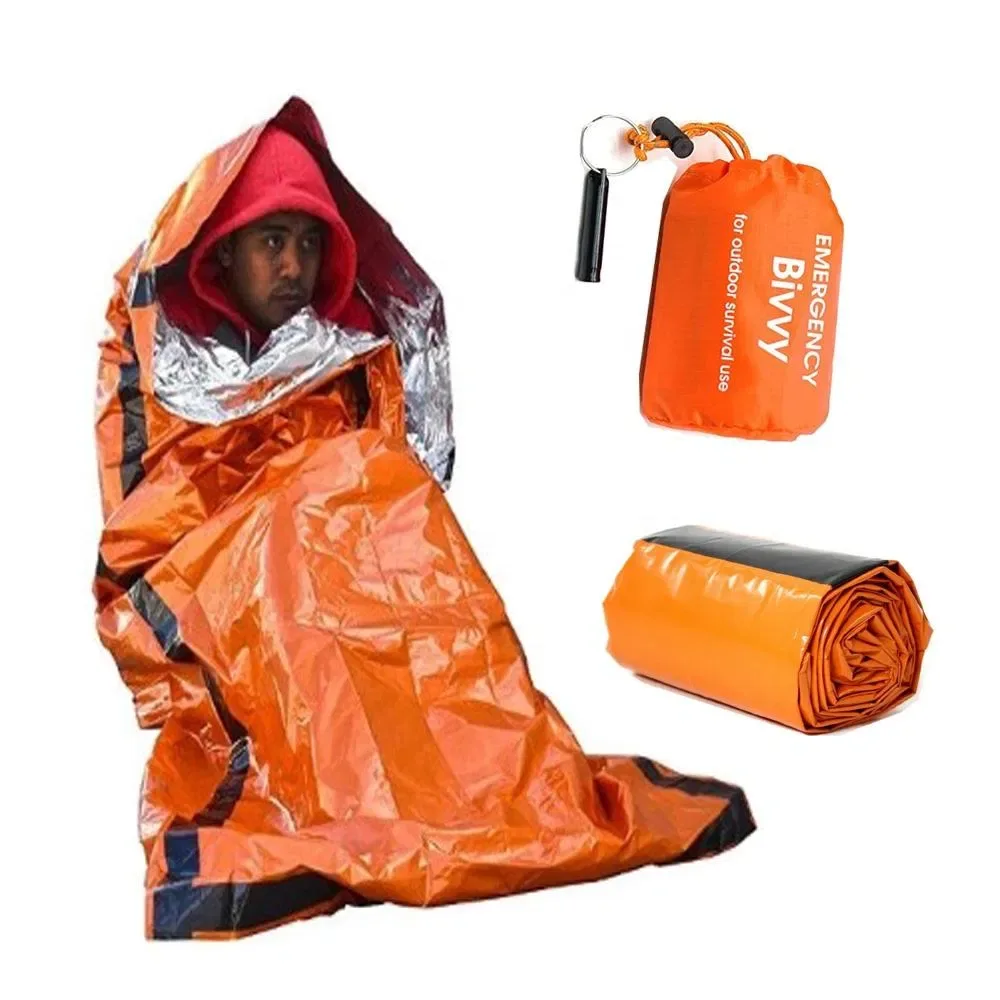
You need a bivvy sack or sleeping bag rated to at least minus 40. Synthetic fill is better than down in Alaska because it still insulates when wet.
Aggregate reviews from Alaska backcountry users consistently rate the SOL Escape Bivvy and similar heavy-duty bivvy sacks as the minimum viable shelter. Pair that with a closed-cell foam pad underneath. The pad prevents ground heat loss, which is severe on frozen ground.
Food and Water
Food in your kit must stay edible at minus 40. Granola bars freeze into hard bricks. Canned goods freeze, burst, and become useless.
MREs and freeze-dried pouches tolerate extreme cold better. Look for high-calorie options around 4000 calories per person per day.
Water is trickier. Bottles freeze and split. Carry water in insulated containers.
A wide-mouth metal bottle lets you melt snow if needed. Plan for four liters per person per day minimum. Two liters for drinking, two for cooking and melting.
Fire and Light
Standard lighters fail in extreme cold. The gas does not vaporize. Butane lighters stop working below 32°F.
You need a ferro rod and waterproof matches as backup. A ferro rod works at any temperature.
For light, a headlamp leaves your hands free. Lithium batteries perform better than alkaline at low temperatures. Keep spare batteries in an inside pocket close to your body.
Cold batteries drain fast.
Communication and Signaling
This is the category where most Alaska kits fall short. A cell phone is not a communication device in remote Alaska. You need a satellite messenger or personal locator beacon.
Models from Garmin, Zoleo, and ACR Electronics work. Iridium network coverage is the only reliable option across Alaska's interior.
A signal mirror and whistle are lightweight backups. They work when electronics fail. Practice using the mirror before you need it.
It is harder than it looks.
Vehicle Recovery Basics
You cannot drive out of every situation without recovery gear. A shovel, traction boards, and a tow strap let you self-extract from snowbanks and ditches. Alaska drivers on the Dalton Highway regularly carry these.
- Shovel: Full-size, not a tiny foldable model.
- Traction boards: Plastic or metal, rated for snow and mud.
- Tow strap: 30-foot minimum, rated for your vehicle weight.
- Tire chains: Carry a set that fits your tires.
Staying Put vs. Walking Out: How to Decide
Here is the simplest rule in Alaska survival. Stay with your vehicle unless it is actively on fire or filling with carbon monoxide. Your vehicle is visible.
It provides shelter. It has fuel for heat. It contains your survival kit.
Walking out is almost never the right call. The nearest town may be 100 miles away. Whiteout conditions make navigation impossible.
You lose body heat fast when moving through snow. Alaska Search and Rescue data shows that the majority of fatalities involve people who left their vehicles.
When You Actually Leave
There are exactly two situations where leaving makes sense. First, if your vehicle is unsafe due to fire or CO risk. Second, if you have a confirmed rescue rendezvous within walking distance and clear weather.
Even then, leave a note in the vehicle stating your direction and time of departure. Mark your path clearly. Flag branches or use a stick to draw arrows in the snow.
Take your survival kit with you.
Three conditions must be met before you consider walking:
- You know exactly where you are going and how far.
- The weather is clear enough to see landmarks.
- You have shelter, fire, food, and water on your person.
If even one condition is missing, stay put.
Common Mistakes That Get People in Trouble
The most common mistake Alaska drivers make is overconfidence in their vehicle's heater. They assume they can sit in a running car until help arrives. But a vehicle burns about one gallon of fuel per hour idling.
A full tank lasts 15 to 20 hours in extreme cold. After that, the heater stops and the temperature inside drops to match the outside within an hour.
The second mistake is packing the kit in the trunk where it freezes solid. Batteries drain faster at extreme cold. Food turns unusable.
Water bottles burst. Keep your survival kit inside the passenger cabin. If you store it in the trunk, temperature swings are slower but still problematic at 40 below.
Third mistake: failing to tell someone your route. A trip plan is free and saves lives. Tell a friend or family member your exact route, expected arrival time, and what to do if you do not check in.
This is standard practice for Alaska bush pilots. Drivers should adopt the same habit.
- Not testing gear before you need it.
- Packing a kit once and never checking it again.
- Forgetting that batteries die faster in cold.
- Assuming any fire is safe inside the vehicle.
- Leaving the vehicle to "stretch legs" in whiteout conditions.
Fourth mistake is the most subtle. People pack a kit based on what they think they might need, not on what will keep them alive. A deck of cards and a book are nice.
An insulated sleeping bag and a satellite messenger are non-negotiable. Prioritize survival over comfort.
If you drive Alaska's remote highways, you need a vehicle that can handle winter conditions too. Our blog covers more on maintaining your car for Alaska's unique demands, from winter tires to anti-corrosion protection against road salt. Check out our guide on vehicle ownership in Alaska.
And since Alaska roads get heavy salt treatment in winter, understanding how ceramic coating protects against salt can save your paint long term.
How to Organize and Store Your Kit in the Vehicle
Where you store your kit matters almost as much as what is in it. The trunk seems like the obvious spot, but it causes real problems in Alaska winter.
The trunk gets almost as cold as the outside air after a few hours. Batteries drain faster. Water bottles freeze and burst.
Food turns into a frozen brick you cannot eat. Keep your survival kit inside the passenger cabin instead.
A duffel bag works well for organization. Pack it in layers. The items you need most go on top.
Shelter, communication device, and fire starter should be reachable without digging. The vehicle recovery gear and extra food can sit lower in the bag.
Practical Storage Tips
- Use a waterproof dry bag or heavy-duty duffel. Snow melt and condensation soak regular backpacks.
- Keep the satellite messenger clipped to the sun visor or center console, not buried in the bag.
- Store water in an insulated bottle or a partially filled metal canteen. Leave headroom for ice expansion.
- Rotate your kit into the cabin every winter. If you only use the trunk, move it inside from October through April.
- Attach a small flashlight to the bag's outside zipper pull. You do not want to fumble in the dark.
If you carry a lot of gear, consider a dedicated plastic tub with a lid. It slides in and out easily and keeps everything dry. Just remember to bring it inside when you park overnight.
A frozen tub of gear is useless gear.
Why You Need a Communication Device (and Which One Works in Alaska)
Bing (Web (fair-use with source credit))
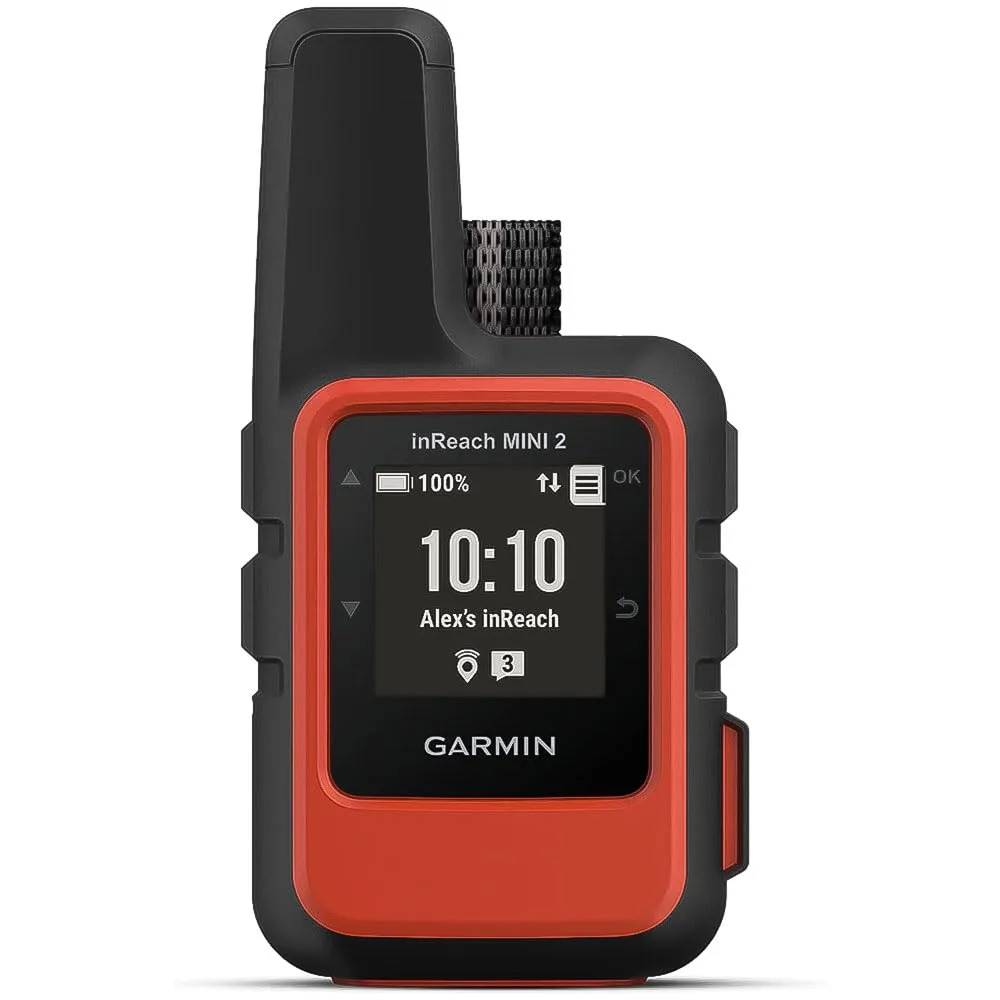
A cell phone will not save you on most Alaska highways. Cell towers stop around 20 miles outside major towns. The Dalton Highway has zero cell service for its entire 414-mile length.
You need a satellite-based communication device.
Two main options exist. A personal locator beacon sends a distress signal to search and rescue with your GPS coordinates. It does not send or receive text messages.
It is strictly an SOS button. A satellite messenger lets you send text messages, check in with family, and trigger SOS. It costs more upfront but gives you two-way communication.
For Alaska driving, a satellite messenger is the better choice. It lets you send a "I am stuck but okay" message. That alone can prevent a full search and rescue activation.
Models using the Iridium satellite network work best in Alaska because coverage is truly global. Globalstar has gaps in the interior and far north.
Communication Options Compared
| Device Type | Best For | Monthly Cost | Message Capability |
|---|---|---|---|
| Personal locator beacon | Emergency only | None | SOS signal only |
| Satellite messenger | Two-way communication | $12 to $30 per month | Text, check-in, SOS |
| Satellite phone | Full voice calls | $30 to $60 per month | Voice and text |
A PLB is a good backup if you already own one. But for primary communication on Alaska roads, a satellite messenger is the standard recommendation. The Garmin inReach and Zoleo are the most common models aggregate reviews point to.
One Important Rule
Test your device before you need it. Set up the account, activate the subscription as of 2026, and send a test message from your driveway. Many drivers buy a messenger, throw it in the glove box, and never turn it on.
That is almost as bad as not having one.
Vehicle Preparedness: Tires, Battery, and Block Heaters
Bing (Web (fair-use with source credit))
Your survival kit works best when you prevent the breakdown in the first place. Vehicle preparedness in Alaska starts with three things. Winter tires, a strong battery, and a functional block heater.
Winter tires are not optional. All-season tires lose grip below 45°F and turn into hockey pucks below 20°F. Studded winter tires are legal in Alaska from September through April.
They provide real traction on ice. Use them.
Your battery is the most common failure point in Alaska winter. A cold battery loses about 60 percent of its starting power at 0°F. At 40 below, it loses almost all of it.
Replace your battery if it is more than three years old. Look for a battery with a high cold cranking amp rating. 800 CCA or higher is a safe target for most Alaska vehicles.
Block Heater Basics
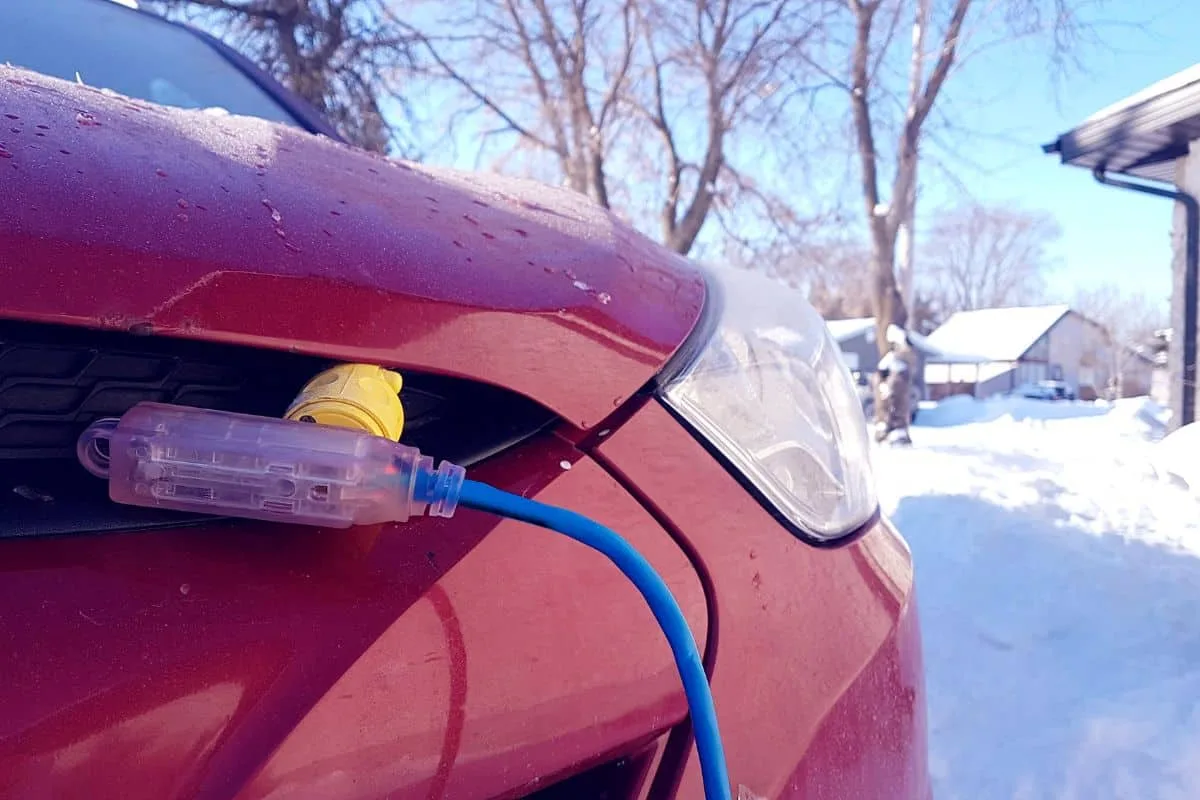
A block heater keeps your engine warm enough to start in extreme cold. Every vehicle in Alaska should have one. Plug it in when temperatures drop below 10°F.
A timer set to turn on two hours before you drive saves electricity and still does the job.
The heater cord is easy to damage. Check it for cracks at the start of every winter. Carry an extension cord in your vehicle.
Some remote parking lots have outlets. Some do not. Being prepared either way is smart.
Aggregate reviews from Alaska mechanics consistently warn that a dead battery is the number one reason for winter roadside calls. Pair a good battery with synthetic oil. It flows better at low temperatures and reduces strain on the starter.
Proper vehicle maintenance reduces the chance you will need your survival kit. But never rely on it alone. Even a well-prepared car breaks down.
Your kit is the backup plan.
Food, Water, and Shelter: What's Realistic for 72 Hours
A 72-hour kit means exactly what it sounds like. You need enough food, water, and shelter to survive three full days in your vehicle. That is a realistic window for rescue in most Alaska scenarios.
Water is the hardest item to pack correctly. One gallon per person per day is the standard. That is 12 pounds per gallon.
For three days, you need three gallons per person. That gets heavy fast.
A smarter approach is to carry two liters of water in an insulated bottle and a metal canteen for melting snow. You can melt snow in the canteen using a small stove or body heat. It takes fuel and time, but it extends your water supply indefinitely.
Food needs to deliver calories without freezing solid. Energy bars work if you keep them in an inside pocket. MREs handle cold well.
Freeze-dried pouches require hot water but pack the most calories per ounce. Aim for 4000 calories per person per day.
Shelter Realities
Your vehicle is your primary shelter. But if you have to leave it, a bivvy sack is your backup. A bivvy rated to minus 40 with a closed-cell foam pad underneath keeps you alive in most Alaska conditions.
Do not rely on a space blanket alone. It reflects heat but provides zero insulation. In a 40 below wind, it is not enough.
A real bivvy or sleeping bag is non-negotiable.
Seasonal Maintenance: When to Update Your Kit
Your survival kit is not a set-it-and-forget-it item. It needs attention at least twice a year. Fall and spring are the natural checkpoints.
Before winter hits, inspect every item. Replace batteries. Check that food has not expired.
Test your satellite messenger. Confirm your block heater cord is not damaged. This is also the time to swap your all-season tires for winter tires.
In spring, rotate out items that winter damaged. Hand warmers that got damp. Food that froze and thawed repeatedly.
Batteries that drained faster than expected. Clean and dry everything before storing it for the summer.
What to Check Each Season
- Batteries: Replace every year. Cold storage drains even lithium cells.
- Food: Check expiration dates. Replace anything that looks frost damaged.
- Water: Dump old water. Refill with fresh. Sanitize the bottle.
- Shelter: Inspect for tears, mold, or moisture damage.
- Communication: Send a test message. Confirm your subscription is active.
- First aid: Replace used items. Check that ointments have not separated.
A consistent maintenance schedule takes 20 minutes twice a year. It ensures your kit works when you need it most. That small investment of time can save your life.
If your vehicle gets a lot of winter road salt exposure, the undercarriage and paint take a beating. Our article on ceramic coating and salt protection explains how to shield your car from corrosion. And if you hand wash in winter to avoid automatic car washes, our guide on washing a black Mercedes by hand applies to any dark paint that shows scratches.
A Quick Decision Guide for Alaska Drivers
Use this simple checklist before any remote drive. If you answer no to any item, reconsider your trip or adjust your kit.
- Do you have a satellite messenger or PLB with an active subscription?
- Is your survival bag packed and inside the passenger cabin?
- Does your sleeping bag or bivvy rate to minus 40?
- Do you have at least 4000 calories per person in freeze resistant food?
- Have you told someone your exact route and expected return time?
- Are your winter tires on and your battery less than three years old?
- Is your block heater working and do you have an extension cord?
If all answers are yes, you are ready for most Alaska road conditions. If any are no, fix that gap before you leave.
The Bottom Line: Your Alaska Survival Kit Is Your Seatbelt
You would not drive without a seatbelt in Alaska. You should not drive without a survival kit either. The kit is not optional gear for extreme adventurers.
It is a basic safety requirement for anyone on Alaska highways.
The stakes are simple. Rescue takes hours. Cold kills fast.
A well stocked kit fills the gap between a breakdown and a ride home. Build your kit around the five categories of shelter, food, water, communication, and recovery. Store it in the cabin.
Check it twice a year.
That is the difference between an Alaska driver who is prepared and one who is not. Choose prepared.
Frequently Asked Questions
How much does a good Alaska survival kit cost?
A quality kit runs 200 to 600 dollars total. The satellite messenger is the biggest single cost at 250 to 400 dollars. Food, shelter, and recovery gear add another 150 to 250 dollars.
That is cheap insurance compared to a helicopter rescue.
Can I just use a pre-made emergency kit from a store?
No. Store kits are designed for moderate climates and short waits. They lack proper shelter, reliable communication, and cold rated gear.
You need to build a custom kit for Alaska conditions.
How long can I run my car for heat while stranded?
A full tank lasts 15 to 20 hours idling at 40 below. Conserve fuel by running the engine for 10 minutes each hour. That keeps the cabin above freezing without draining the tank too fast.
Do I really need a satellite messenger for Alaska driving?
Yes, if you drive any remote highway. Cell service is nonexistent on the Dalton, Denali, and most of the Richardson Highway. A satellite messenger is the only way to call for help.
What is the most common Alaska survival kit mistake?
Packing the kit in the trunk where it freezes solid. Keep it in the passenger cabin. Batteries drain, water freezes, and food becomes inedible when stored at 40 below in an unheated trunk.