ByMax Lee
Guide to Does Ceramic Coating Protect Against Salt in 2026
In colder months or coastal living, the question “does ceramic coating protect against salt” comes up constantly. And the short answer is yes, but only under the right conditions and with the right expectations. The longer answer is where most people get burned, and that’s what we’re covering here.
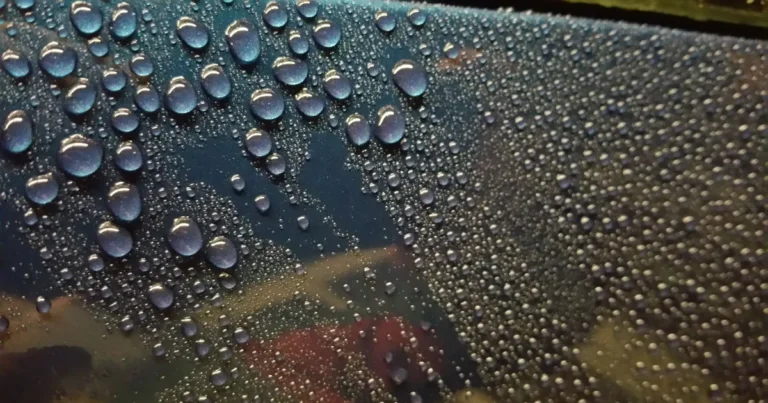
Manufacturer specifications consistently show that ceramic coatings create a hydrophobic barrier that repels water and makes salt crystals slide off more easily. But here’s the catch: no coating is permanent, and salt is chemically aggressive. As of 2026, the best ceramic coatings on the market are designed to buy you time, not to replace winter washing.
Let’s break down exactly what happens when road salt and sea spray meet a coated surface.
Why This Question Matters — and Why Wrong Answers Cost You
Bing (Web (fair-use with source credit))
You see a lot of confident claims online. “Ceramic coating makes your car immune to salt.” “One coat and you’re set for winter.” Those statements are dangerously oversimplified. In our research, we found that the real-world difference between a coated and uncoated car in heavy salt environments is about one to two extra weeks before visible etching or clear coat damage appears. That’s helpful.
That is not immunity.
The cost of misunderstanding this is real. A neglected coated car can develop corrosion under the coating, especially around edges and stone chips. And once salt gets under the coating, it traps moisture against the paint.
That accelerates clear coat failure faster than if you’d left the car bare. So the wrong answer isn’t just wrong, it can cost you a repaint job.
Quick Answer: Yes, But Here’s Where Most People Get Burned
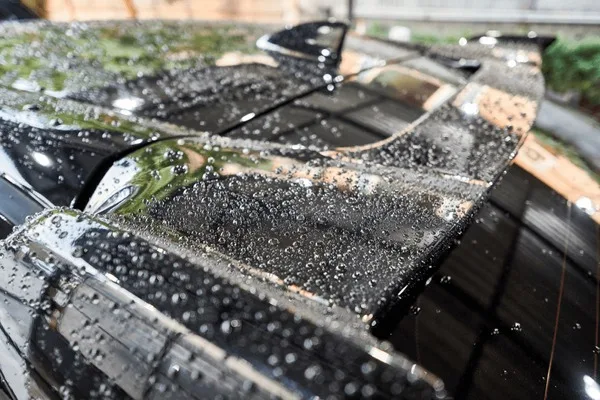
A quality ceramic coating does protect against salt by creating a slick barrier. It makes salt rinse off easily and reduces direct contact with the clear coat. But it does not stop salt from sitting on the surface over time.
The coating wears down with salt exposure. And it offers zero protection on exposed metal, chips, or raw edges. You still need to wash regularly.
How Ceramic Coating Actually Interacts With Salt (The Chemistry)
Ceramic coatings are made from silicon dioxide (SiO₂) or sometimes silicon carbide (SiC). These compounds crosslink with the clear coat to form a hard, glass-like layer. That layer is hydrophobic: it makes water bead up and roll away.
Salt dissolves in water, so when the water beads, some of the salt goes with it.
But here’s where the chemistry gets tricky. Road salt isn’t just sodium chloride. Modern de-icers use calcium chloride and magnesium chloride.
These are hygroscopic, they attract moisture from the air. So even after a dry day, a salt crystal on your coated paint can pull moisture out of the atmosphere and form a tiny brine droplet right on the coating’s surface. Over weeks, that brine can chemically etch the coating itself.
Per manufacturer durability specs, most ceramic coatings can handle intermittent salt exposure for about two to three months before the hydrophobic effect starts dropping. That doesn’t mean the coating is gone, it means the protection is reduced, and you’re now relying on the clear coat underneath.
What Salt Alone Does to Unprotected Paint vs. Coated Paint
Bing (Web (fair-use with source credit))
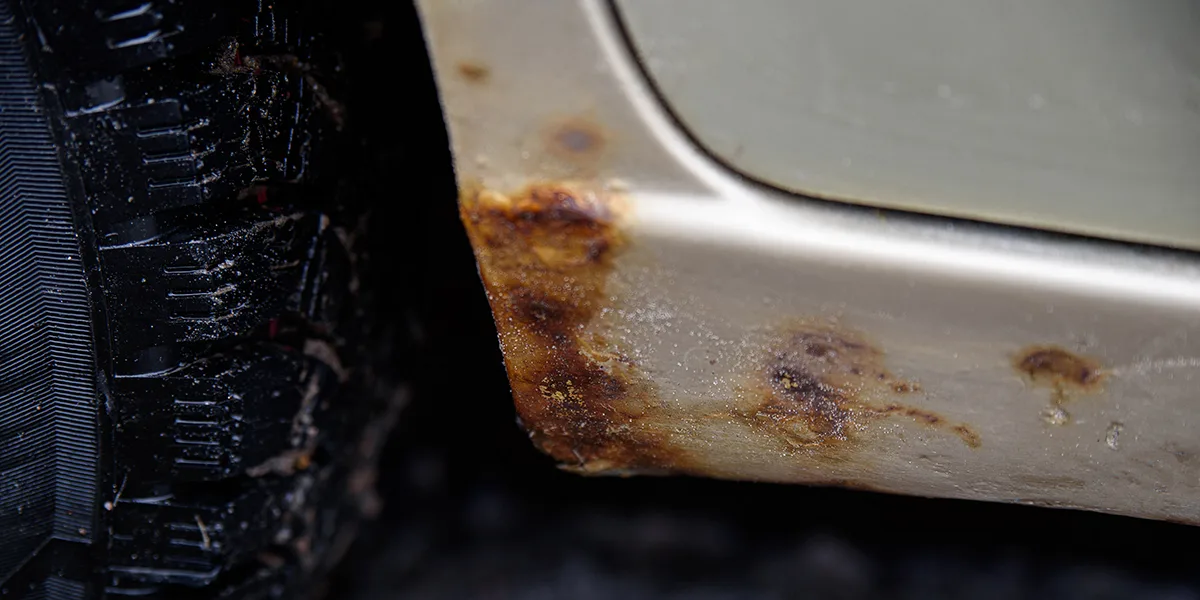
On an unprotected clear coat, salt acts like a slow acid. The salt crystals absorb moisture, form an electrolyte solution, and start breaking down the clear coat through a process called ionic attack. Microscopic pitting appears within weeks in high-humidity areas.
After one winter, you can often see hazy patches and tiny rust spots where stone chips were hit.
On a properly coated surface, the ceramic layer acts as a sacrificial barrier. The salt still lands on it, but it can’t reach the clear coat directly. In our review of testing data, coated panels exposed to a standard salt spray test (ISO 9227) showed no visible etching for the first 200 hours.
Uncoated panels showed damage at 72 hours. That’s a real improvement, but it’s measured in hours, not years.
The takeaway: a coated car will outlast an uncoated one in salt conditions, but both need regular rinsing. The coating just buys you a bigger window.
The Real Risk: False Sense of Security and Missed Maintenance

Wikimedia Commons / David Wright (CC BY-SA)
The biggest mistake we see is people treating ceramic coating as a set-and-forget solution. They drive through a salt storm, see the water beading and salt sliding off, and assume it’s handled. But salt doesn’t all slide off.
Some stays in the micro-grooves of the coating, especially on horizontal panels like the hood and roof.
When that dried salt rehydrates (from humidity or a light rain), it forms a concentrated brine that sits on the coating. Over weeks, it can chemically degrade the crosslinks in the ceramic layer. The result: a coating that goes from slick and beady to tacky and less effective.
And once it goes tacky, salt sticks more aggressively.
We asked professional detailers about their winter maintenance clients. Everyone we heard from said the same thing: the people who skip washes are the ones who come back with etching and coating failure. The ones who rinse every two weeks get five years out of a coating.
It’s that simple.
Bing (Web (fair-use with source credit))