ByMax Lee
Guide to Vehicle Abandonment Penalties in the Bush in 2026
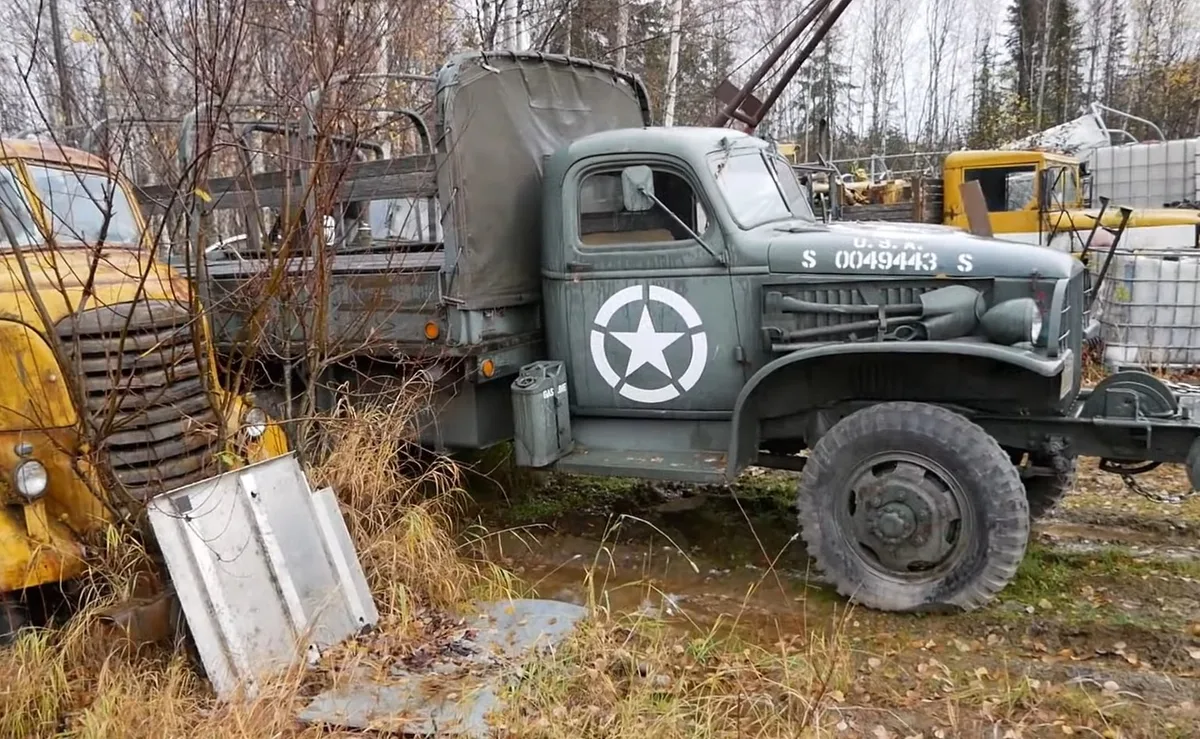
You drove your truck down a remote Alaska trail and it gave out. Maybe the engine seized or you slid into a ditch. Now it is sitting there on tundra or gravel.
Vehicle abandonment penalties in the bush are serious and they can follow you for years.
Alaska Statute 28.10.161 lays out exactly what happens when you walk away from a vehicle on public land. Fines start at several hundred dollars. Cleanup costs can run into the thousands.
The state has been cracking down as abandoned vehicles pile up across the bush.
Quick Answer
Vehicle abandonment penalties in Alaska include fines up to $1,000 plus cleanup costs. You can face criminal charges for dumping a vehicle on public land. Leaving a vehicle for more than 72 hours can trigger enforcement.
Your best move is to arrange proper disposal before walking away.
Why Abandoning a Vehicle in the Alaska Bush Is a Bigger Deal Than You Think
Alaska is vast and remote. That might make it feel like no one will notice a broken down truck on the tundra. But state agencies patrol public lands and local residents report abandoned vehicles regularly.
The Alaska Department of Environmental Conservation tracks derelict vehicles across the state. Cleanup efforts cost taxpayers hundreds of thousands of dollars each year. Leaking oil, battery acid, and other fluids soak into permafrost and drain into streams.
That affects fish and wildlife that subsistence communities rely on.
Multiple state agencies work together on removal. The state troopers, the DEC, and the Department of Natural Resources all have a hand in enforcement. Leave a vehicle out there and you are not just littering.
You are creating a long term hazard that someone else has to fix.
What Actually Counts as an Abandoned Vehicle Under Alaska Law
The law defines abandonment clearly. Under Alaska Statute 28.10.161, a vehicle is abandoned if it has been left unattended on public property for more than 72 hours. On private property, it is abandoned if it sits without the landowner's permission for more than 48 hours.
Here is what the state considers:
- Location: Public land, private land, or highway right of way
- Time: How long it has been sitting
- Condition: Is it wrecked, inoperable, or partially dismantled
- Registration: Expired tags or no plates at all
- Permission: Did the landowner agree to let it stay
A vehicle does not have to be completely wrecked to count as abandoned. It can be a truck with a dead battery that looks like someone will come back for it. If the registration is expired and it has been sitting for weeks, the state can treat it as abandoned.
The definition also applies to snowmachines and ATVs. In the bush, those are common forms of transportation. People abandon them just as often as cars and trucks.
Leaving a broken snowmachine on the tundra carries the same penalties.
The Real Cost: Fines, Cleanup Bills, and Criminal Penalties You Could Face
| Penalty Type | Amount or Consequence |
|---|---|
| Civil fine | Up to $1,000 |
| Cleanup cost recovery | Actual removal and disposal costs |
| Towing and storage fees | $500 to $5,000 depending on location |
| Criminal charge (misdemeanor) | Up to 90 days in jail |
| Environmental penalty | Additional fines under DEC regulations |
Cleanup costs are where it really hurts. If your vehicle is in a remote area, a tow truck might not even reach it. Recovery can require a helicopter or a barge.
Those bills get sent to the registered owner. We have seen cases where disposal cost more than the vehicle was worth new.
Criminal penalties apply if the abandonment is intentional or if hazardous materials leak from the vehicle. Alaska Statute 46.03.760 covers illegal dumping of solid waste, which includes junk vehicles. That can be charged as a misdemeanor with jail time.
The state can also suspend your driver's license until you pay the fines and cleanup costs. That is a practical problem if you live in Alaska and need a vehicle to get to work or haul supplies.
Step by Step: How to Legally Dispose of Your Own Vehicle in Remote Alaska
Step 1: Assess whether the vehicle can be repaired or recovered. Call a local mechanic or recovery service first. If you are on a road accessible trail, a flatbed tow truck might reach you. If you are fly in only, you may need a barge or helicopter recovery.
Step 2: Remove all hazardous materials. Drain the oil, coolant, and fuel. Remove the battery. These materials must be disposed of properly at a collection site.
Leaving them in the vehicle creates an environmental hazard and increases penalties.
Step 3: Contact the land manager. If the vehicle is on state land, contact the Alaska Department of Natural Resources. If it is on federal land, contact the Bureau of Land Management or the U.S. Forest Service.
They can issue a permit for temporary storage or direct you to an approved disposal site.
Step 4: Arrange for removal or scrapping. Some rural villages have scrap metal collection programs. The Alaska DEC runs a derelict vehicle removal program in certain areas. Check if you qualify.
Otherwise, you may need to hire a private hauler.
Step 5: Notify the state troopers. Once the vehicle is removed, file a report with the Alaska State Troopers. This clears you from liability if someone else reports the vehicle as abandoned. Get a confirmation number or written record.
Step 6: Surrender or transfer the title. Notify the Alaska Division of Motor Vehicles. Surrender the plates and cancel the registration. This prevents future fines or tickets from being mailed to you.
What to Do If You Find an Abandoned Vehicle on Your Land
Finding a junk vehicle on your property is frustrating. It can also create legal liability if you do not handle it correctly.
Do not touch it right away. The vehicle might still be registered to someone else. Document the location, condition, and any identifying information like the license plate or VIN.
Report it to the Alaska State Troopers. They keep a database of abandoned vehicle reports. Give them the VIN if you can read it. They will check whether the vehicle has been reported stolen.
Troopers can issue a notice to the registered owner requiring removal.
Check with your borough or city. Many Alaska boroughs have local ordinances about abandoned vehicles. The Matanuska Susitna Borough has code enforcement that handles derelict vehicles on private property.
Post a notice if you know the owner. Give them a written notice with a deadline for removal. Keep a copy. This shows you acted in good faith if the situation escalates.
Hire a hauler if the owner does not respond. Once you have gone through the reporting process, arrange for removal yourself. Keep all receipts and paperwork. You may recover the cost through small claims court.
Abandoning vs. Properly Disposing: Your Real Options
When a vehicle breaks down hundreds of miles from town, the choice feels simple. Walk away or figure something out. But the law draws a hard line between these two paths.
Option 1: Complete removal and scrapping. Haul the vehicle out to a licensed scrap yard or metal recycler. Anchorage, Fairbanks, and Juneau have facilities that accept junk vehicles. Best for any vehicle that can be recovered safely.
Option 2: Authorized field disposal. In rare cases, the land manager may allow a vehicle to be left in place if it is stripped of hazardous materials and reported. You need written permission from the Alaska DNR or the federal land agency. Best for vehicles that are truly unrecoverable.
Option 3: Donation or sale to a local scrapper. Some rural communities have informal scrap collection runs. Local residents may take the vehicle for scrap value. Best for vehicles that can be moved a short distance.
Confirm removal before handing over the title.
Option 4: Walking away. This is the option that gets people fined and cited. Avoid this path entirely.
5 Common Mistakes That Turn a Breakdown Into a Citation
Mistake 1: Assuming no one will find it. Hunters, trappers, pilots, and land managers all report abandoned vehicles. Aircraft patrols spot junk cars on tundra and gravel bars. You will get caught.
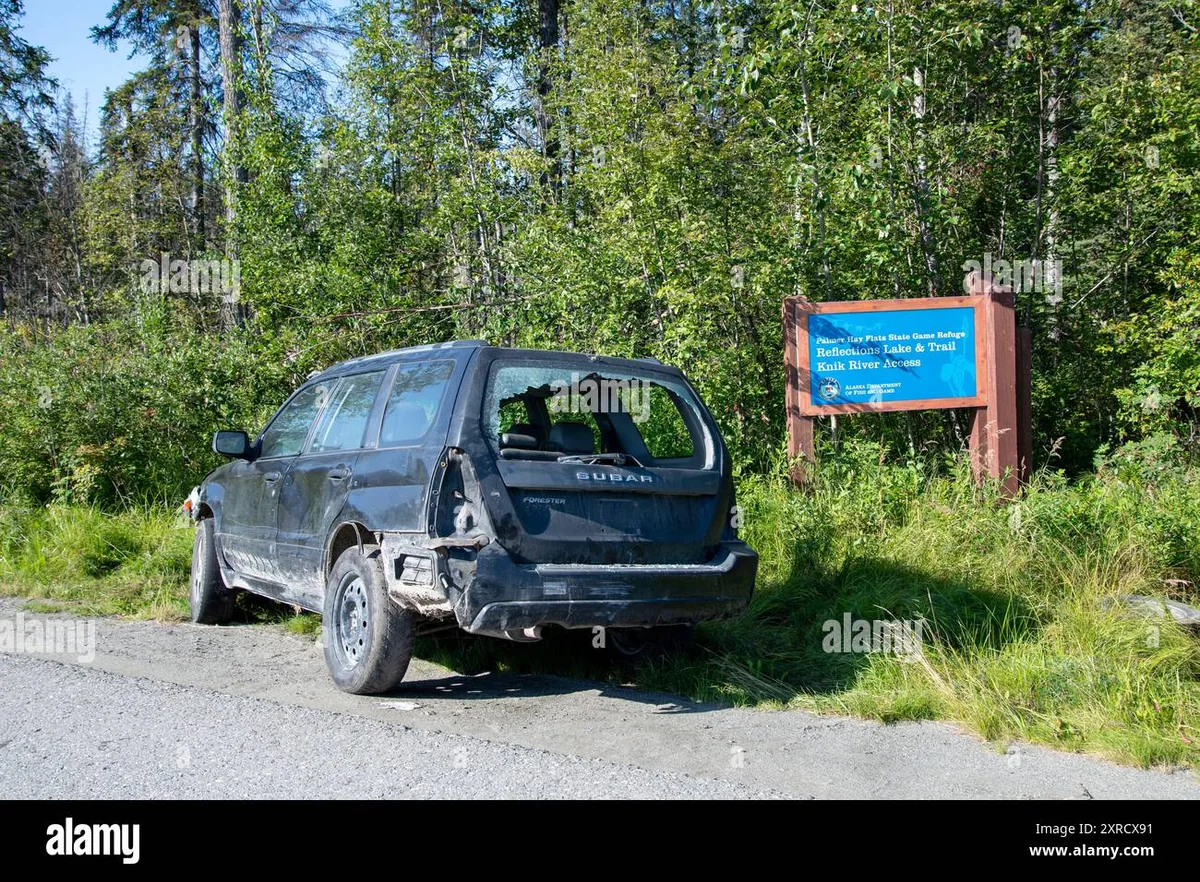
Mistake 2: Leaving the keys inside or windows down. This invites vandalism and theft. It also makes the vehicle look abandoned faster. A vehicle with broken windows signals that no one is coming back.
Mistake 3: Removing the plates but leaving the vehicle. The VIN is stamped on the dashboard and frame. Law enforcement can trace it to the registered owner within minutes.
Mistake 4: Dumping hazardous materials on site. Draining oil, coolant, or fuel onto the ground is illegal. It turns a simple abandonment case into a criminal environmental violation.
Mistake 5: Failing to notify the landowner or agency. Even if you have permission from a friend to leave a vehicle on their land, get written documentation. If the land changes hands, the vehicle becomes abandoned in the eyes of the law.
How Jurisdiction Changes Everything: State, Federal, Tribal, and Borough Land
Not all land in Alaska is managed the same way. The rules change depending on who owns the ground under your tires.
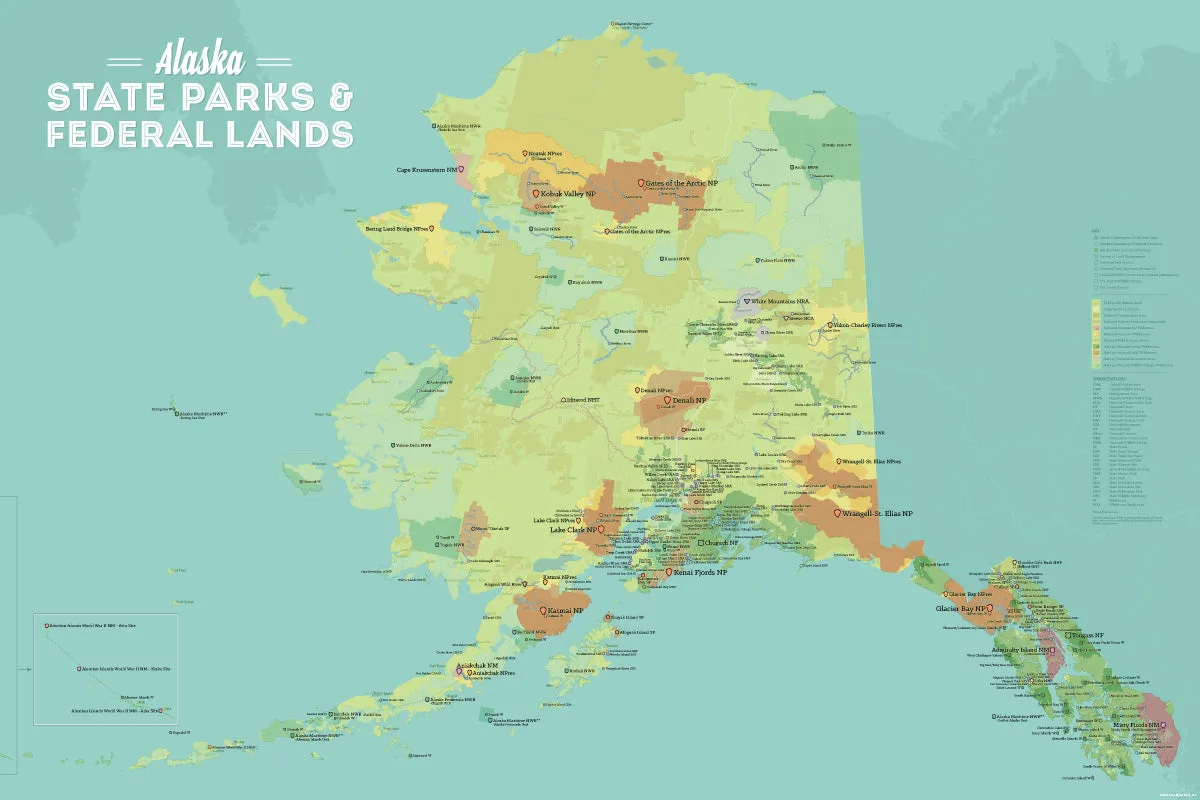
State land. Alaska Statutes 28.10.161 and 46.03.760 apply. Enforcement is handled by the Alaska State Troopers and the DEC.
Federal land. The Bureau of Land Management, U.S. Forest Service, and National Park Service all have regulations prohibiting abandoned vehicles. Penalties include federal citations and fines.
Tribal and Alaska Native corporation land. Permission to leave a vehicle must come from the corporation or tribal council. Rules vary by entity. Never assume it is okay.
Borough and municipal land. Anchorage, Fairbanks, and the Matanuska Susitna Borough have local ordinances. These can be stricter than state law.
Key takeaway: Identify the landowner before you leave a vehicle anywhere. If unsure, contact the Alaska State Troopers or your local borough office.
Why Location in Alaska Matters: Bush Villages, Highways, and Winter Conditions
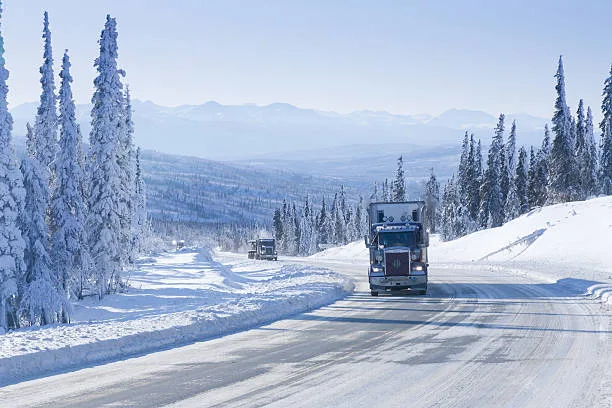
Road accessible areas. Highways like the Dalton, Parks, and Richardson have regular patrols. Troopers and DOT crews spot abandoned vehicles quickly. Recovery is easier but enforcement is faster too.
Remote trails and gravel bars. Harder to patrol but harder to recover from. Cleanup costs skyrocket. The state may use aircraft to locate your vehicle and you will get a bill for the airlift.
Bush villages. Barging a junk vehicle out is expensive. Some villages have no scrap removal program. The vehicle stays and rusts.
Local residents resent it and you may be banned from village land.
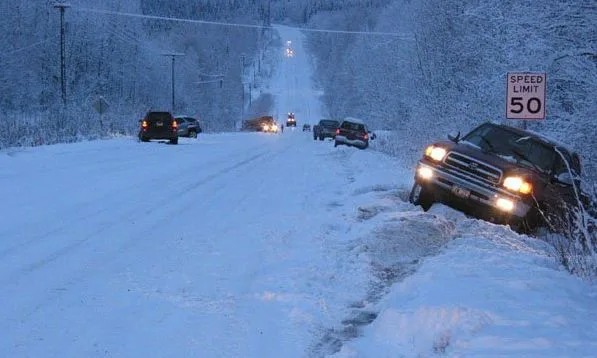
Winter abandonment. Snow hides vehicles until spring. That does not mean you are safe. When the snow melts, the vehicle is visible again.
Winter abandonment raises the risk of fluid leaks into waterways during breakup.
Seasonal access. If you leave a vehicle in a spot only accessible by snowmachine in winter, you may wait months to recover it. Do not leave a vehicle in a location you cannot return to within 72 hours.
Expert Tips for Car Owners Heading Into Remote Alaska
Carry a sat phone or Garmin inReach. Cell service is rare in the bush. A satellite device lets you call for help or notify authorities before the vehicle sits for too long.
Know your route and the land status. Check whether you are driving through state, federal, or tribal land before you go. The Alaska DNR website has maps. The BLM Alaska office publishes land status maps too.
Pack basic recovery gear. A tow strap, a shovel, and tire chains can get you unstuck before abandonment becomes an option. A small repair kit with spare belts and hoses can fix a breakdown on the trail.
Tell someone your plan and your timeline. Leave a trip plan with a friend or family member. Include your route and your expected return date. If you do not check in, they can alert authorities sooner.
Pre register your vehicle and keep insurance current. An expired registration makes a vehicle look abandoned faster. If you have comprehensive insurance, your policy may cover recovery costs.
Document everything if you must leave a vehicle. Take photos, note the GPS coordinates, and contact the land manager immediately. A paper trail protects you if questions come up later.
When You Need a Lawyer, a Scrapper, or a State Agency
Knowing who to call saves time and money.
Call a lawyer if you have already received a citation or if the vehicle caused environmental damage. Legal representation helps when fines exceed $1,000 or when criminal charges are possible.
Call a scrapper if the vehicle is accessible by road and you have clear title. Licensed scrap yards in Anchorage, Fairbanks, and Wasilla accept junk vehicles. They handle the paperwork.
Call a state agency if you need guidance on permits or cleanup. The Alaska DEC runs the derelict vehicle program. The DNR issues temporary storage permits.
The State Troopers take abandonment reports.
If unsure, start with the Alaska State Troopers. They can direct you to the right office.
Frequently Asked Questions
How long can a vehicle sit before it is considered abandoned in Alaska?
The law says 72 hours on public land and 48 hours on private property without permission. After that, it can be cited as abandoned.
What happens if someone abandons a vehicle on my property?
Report it to the Alaska State Troopers with the VIN and plates. Post a written notice to the owner. If they do not respond, arrange removal and seek cost recovery through small claims court.
Can I be charged with a crime for abandoning a vehicle in the bush?
Yes. Intentional abandonment with hazardous material leakage can be charged as a misdemeanor under Alaska Statute 46.03.760. This carries potential jail time and higher fines.
How do I scrap a vehicle in rural Alaska with no road access?
Contact the Alaska DEC derelict vehicle program. In some areas, they coordinate barge or helicopter recovery. You may also hire a private recovery service, but expect costs from $1,000 to $5,000.
Does my insurance cover vehicle recovery in the bush?
If you have comprehensive coverage, it may cover towing and recovery. Check your policy before heading into remote areas. Some policies exclude off road or trail use.
Can I leave a vehicle on Native corporation land with permission?
You need written permission from the specific corporation or tribal council. Verbal permission is not enough. Rules vary by entity, so get documentation.
Final Take: How to Protect Yourself and the Land
Vehicle abandonment in the Alaska bush carries real consequences. Fines, cleanup costs, criminal charges, and community backlash all follow a simple bad decision.
The smart path is straightforward. Plan your route, carry recovery gear, and know the land status before you drive. If a breakdown happens, drain hazardous fluids, contact the land manager, and arrange proper disposal as soon as possible.
The bush is unforgiving. Alaska law protects the land we all depend on. Follow the rules and you will stay legal, keep your license, and leave the tundra clean for the next person who travels through.