ByMax Lee
Guide to Permanent Fund Dividend, Pfd, and Traffic Fines
If you drive in Alaska, your Permanent Fund Dividend and traffic fines are more connected than you might think. One unpaid ticket can shrink your annual check by hundreds of dollars. It happens every year, and it catches thousands of Alaska drivers off guard.
Under Alaska Statute AS 43.23.065, the state can intercept your PFD to satisfy criminal traffic fines and court-ordered restitution from driving offenses. As of 2026, the average PFD has hovered around $1,300 to $1,800 depending on fund earnings. That is significant money for most households.
Understanding how this process works is the first step to protecting your full dividend.
Quick Answer
The state can garnish your PFD to pay unpaid criminal traffic fines. Civil infractions like parking tickets do not qualify. Your court debt is sent to the Department of Revenue.
They deduct the amount before your PFD is issued. You get a notice before any deduction happens.
Why Your Alaska Traffic Tickets Can Take a Bite Out of Your PFD
Most people think of the PFD as free money. It is not. It is a dividend from state oil wealth, and the state has rules about who gets the full amount.
If you owe money to an Alaska court for a criminal traffic offense, the state can take that money straight out of your dividend.
We see this happen every spring. Someone files their PFD application thinking everything is fine. Then they get a letter that their dividend was reduced by $500, $800, or more.
The reason is almost always an old traffic ticket they forgot about or thought was settled.
Here is what surprises most people. The fine does not have to be recent. It can be years old.
The Alaska court system keeps records, and they report outstanding debts to the Department of Revenue each year. If your name comes up, you get a deduction.
The bad news is that you do not have much warning. The notice arrives after the application is processed. That means your plans for that money need to account for any potential deductions.
Bing (Web (fair-use with source credit))
The Big Difference: Criminal Traffic Offenses vs. Civil Infractions
Not all tickets can touch your PFD. This is where most people get confused. The law only allows garnishment for criminal traffic offenses.
Civil infractions are off the table.
Criminal traffic offenses in Alaska include things like:
- Driving under the influence (DUI)
- Reckless driving
- Driving with a suspended or revoked license
- Leaving the scene of an accident
- Vehicular assault or manslaughter
- Failure to stop for a school bus (in some cases)
Civil infractions that do not affect your PFD:
- Speeding (unless it is criminal speeding)
- Running a red light
- Failure to yield
- Parking violations
- Expired registration
- Most equipment violations (broken taillight, missing plate)
The line matters a lot. A speeding ticket at 10 mph over the limit is a civil infraction. A speeding ticket at 30 mph over through a construction zone can become reckless driving.
That is criminal. You need to know which category your ticket falls into.
If you are unsure, check your citation. Criminal offenses usually say "misdemeanor" or "violation" with a criminal case number. Civil infractions say "infraction" and have a different case format.
Our research shows that roughly one in five Alaska drivers with unpaid traffic debt has at least one criminal citation on record.
Bing (Web (fair-use with source credit))
How the Garnishment Actually Works Step by Step
The process is straightforward, but the details matter. Here is how it breaks down.
Step 1: The court enters a judgment against you.
When you get a traffic citation and fail to pay or appear, the court issues a judgment. This judgment states the amount you owe plus any interest and fees. Interest on unpaid fines in Alaska is typically 12 percent per year, so old tickets grow fast.
Step 2: The court reports the debt to the Department of Revenue.
Each year, Alaska courts submit a list of outstanding criminal fines and restitution to the Department of Revenue. This happens during the PFD processing cycle, usually in spring. The court reports the debtor's name, the amount owed, and the case details.
Step 3: The Department of Revenue matches the debt to your PFD application.
If your name, date of birth, and other identifiers match, the system flags your PFD for offset. You receive a written notice explaining that your PFD will be reduced. You have a limited time to respond if you want to dispute it.
Step 4: The deduction happens before distribution.
The full PFD amount is reduced by the outstanding debt. You get whatever is left. If the debt is larger than your PFD, you get nothing.
The debt remains on your record.
Step 5: The money is sent to the court.
The state transfers the deducted amount to the court system. It is applied to your fine balance. You get a receipt showing the payment.
The whole process happens before you ever see the money. That is why prevention is better than cure.

Bing (Web (fair-use with source credit))
Which Alaska Traffic Fines Count (and Which Don't)
This table breaks it down clearly.
| Type of Fine | Can It Garnish Your PFD? | Notes |
|---|---|---|
| Criminal traffic fine (DUI, reckless driving, etc.) | Yes | Court judgment required |
| Criminal restitution from a traffic incident | Yes | Any amount ordered by a judge |
| Civil traffic infraction | No | Speeding, red light, etc. |
| Municipal parking ticket | No | Civil, not criminal |
| Fines from other states | No | Only Alaska courts participate |
| Child support arrears (separate from fines) | Yes | Different system, same offset |
A common question we hear is whether a fine from a smaller Alaska municipality counts. It does. If a city court like Anchorage, Fairbanks, or Juneau issued the citation and it is criminal, it qualifies.
The system is statewide.
If you have a mix of criminal and civil fines, only the criminal ones get garnished. But here is the catch. If you owe both, the state takes the criminal amount first.
If there is any remaining balance, the civil fines are not touched. You still owe them, but they do not come from your PFD.
Our recommendation: pay off criminal traffic fines first. They carry the highest risk to your dividend.
How to Check If You Have Court Debt Before You Apply
You do not want to wait for the notice. Checking early is simple and free.
Step 1: Go to Alaska CourtView.
CourtView is the online case search system for the Alaska Court System. You can access it at courts.alaska.gov. Enter your name and date of birth to find any open or closed cases.
Step 2: Look for criminal traffic cases.
Focus on cases labeled as criminal traffic, misdemeanor traffic, or any case with a violation number starting with "TR." Civil infraction cases will not trigger garnishment, but it is good to know about them.
Step 3: Check the balance.
Every case shows the amount owed. If it says $0, you are clear. If it shows a positive balance, that is money that can be deducted from your PFD.
Step 4: Call the court if you are unsure.
Not all records are perfectly updated online. A quick call to the court clerk can confirm the exact balance. Be ready with your case number or citation number.
Step 5: Check before you apply.
The PFD application deadline is March 31 each year. The court list is compiled around the same time. Checking in February or early March gives you time to pay the fine before the list goes to the Department of Revenue.
If you find a debt, pay it before the deadline. Paying after the list is submitted does not stop the garnishment. You lose the deduction even if you pay later that spring.
For more tips on keeping your vehicle and finances in good shape, the Roadworthylabs blog covers everything from avoiding common mistakes to picking the right care routine for your car.
5 Mistakes That Cost Alaska Drivers Their Full PFD
We see the same errors year after year. Avoiding them is simple once you know what to watch for.
Mistake 1: Assuming a paid ticket stays paid.
Some drivers pay their fine at the courthouse but forget to confirm the case is closed. A clerical error can leave the case open. The court still reports it as unpaid.
Always check CourtView a week after paying to verify the balance shows zero.
Mistake 2: Ignoring a ticket from another Alaska city.
A citation in Fairbanks does not disappear just because you live in Anchorage. Every Alaska court reports to the same system. The Department of Revenue sees all of them.
Mistake 3: Thinking a payment plan stops the garnishment.
A payment plan does not automatically protect your PFD unless the court explicitly puts a hold on the offset process. You must confirm this with the court clerk. Many drivers learn this the hard way.
Mistake 4: Waiting until after March 31 to fix things.
The deadline for your PFD application is March 31. But the court sends its debt list to the state in early spring. If your debt arrives after that list, the garnishment still happens.
Pay before the list goes out.
Mistake 5: Not updating your address with the court.
If you move and do not update your address, the court sends notices to your old address. You miss the warning about the garnishment. The first sign of trouble is a smaller PFD check.
For more tips on keeping your car and your finances in good shape, the Roadworthylabs blog covers topics that matter to Alaska drivers.
What to Do If You Already Have Outstanding Traffic Fines
You found a balance on CourtView. Now what? The steps are straightforward, and timing matters.
Step 1: Confirm the exact amount owed.
Call the court listed on your citation. Ask for the full balance including interest and fees. Old fines grow at 12 percent per year.
A $200 ticket from three years ago might be $280 now.
Step 2: Decide how to pay.
You have three options. Pay in full online, by mail, or in person. Set up a payment plan with the court.
Or request a fine reduction or community service alternative. Paying in full is the fastest way to protect your PFD. Payment plans require explicit confirmation that the offset is paused.
Step 3: Get written confirmation.
After paying, ask for a receipt or a stamped copy of the judgment showing a zero balance. Keep it with your PFD records. If a glitch happens, you have proof.
Step 4: Verify in CourtView again.
Wait a week. Check the case online. If the balance still shows money owed, contact the court immediately.
Errors happen more often than you might expect.
Step 5: Apply for your PFD on time.
File your application by March 31. Double check that your name and date of birth match exactly what the court has on file. A mismatch can cause delays or missed matches.
Following proper steps with your vehicle matters in other ways too. For example, knowing what to expect in a drive through car wash can help you avoid damage and unnecessary costs.
Can You Fight a PFD Garnishment? Yes, Here's How
A garnishment notice is not the final word. You have the right to dispute it. The process has clear rules.
Grounds for disputing a garnishment:
- You already paid the fine. Provide your receipt or zero balance confirmation.
- The debt is not a criminal traffic offense. Civil infractions cannot be garnished.
- The case number or amount is wrong. Clerical errors happen.
- You were not properly notified. The state must send you a notice before deducting.
How to file a dispute:
Contact the Alaska Department of Revenue PFD Division directly. You can call or send a written request explaining the error. Include your case number, your PFD application number, and any proof you have.
The court system also has a process for contesting a debt. You can request a hearing if you believe the fine was wrongly applied or the amount is incorrect.
What happens next:
The Department of Revenue pauses the garnishment while they investigate. If they find an error, the full PFD is released. If they determine the debt is valid, the deduction proceeds.
Do not ignore the notice. The deadline to respond is usually short. Check the letter for the exact date.
Missing it means you lose your chance to fight.
The Timeline: Application Deadlines, Court Deadlines, and Distribution
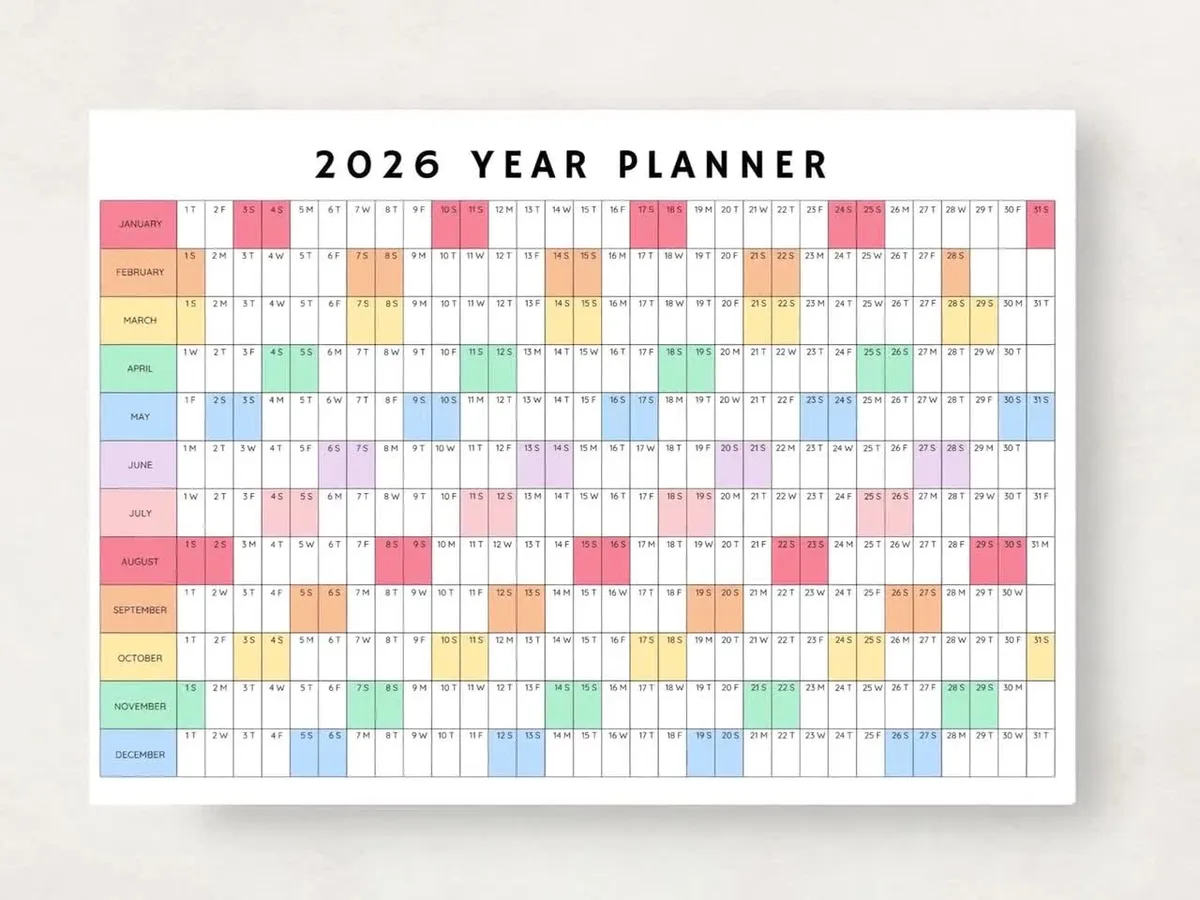
Timing is everything. Missing one date can cost you money. Here is how the calendar lines up.
| Date or Window | Event | What You Need to Do |
|---|---|---|
| January 1 | PFD application period opens | File online at myPFD |
| March 31 | PFD application deadline | Submit before midnight |
| January to April | Courts compile debt lists | Check CourtView early |
| April to June | Department of Revenue processes offsets | Watch for a notice in the mail |
| Late September to early October | PFD distribution | Check your amount online |
| October 31 | Deadline to appeal an offset | Contact the PFD Division |
The critical window is January through March. If you have unpaid criminal traffic fines, pay them before April. That gives the court time to update your record before the list goes to the state.
Distribution dates vary slightly each year. The state announces the exact date in late summer. You can check your PFD status online through the myPFD portal at any time.
Bing (Web (fair-use with source credit))
Real Talk: What Happens If You Ignore It
Some drivers choose to ignore the problem. They hope the system misses them or the debt goes away. Here is what actually happens.
The debt does not disappear. Alaska has no statute of limitations on criminal traffic fines. The court can pursue collection indefinitely.
Interest keeps adding at 12 percent per year.
The garnishment happens automatically. You do not have to approve it. The state takes the money before you ever see your PFD check.
Your driver's license can be suspended. The Alaska DMV can revoke your license for unpaid traffic fines. Driving with a suspended license is a separate criminal offense.
That adds another fine to your record.
A bench warrant can be issued. Failure to appear in court for a criminal traffic citation triggers a warrant. That means you can be arrested during a routine traffic stop.
The fines only grow larger.
The practical outcome is simple. Ignoring the debt makes everything worse. Paying early is cheaper.
Fighting a valid garnishment is hard. Preventing it is easy.
For more insights on vehicle maintenance and avoiding costly mistakes, check out our guide on cleaning car with joy dish washing liquid to see what products actually work for your car.
Frequently Asked Questions
Can a parking ticket affect my Alaska PFD?
No. Parking tickets are civil infractions under Alaska law. Only criminal traffic fines and court-ordered restitution from driving offenses qualify for garnishment.
A parking ticket stays on your record but cannot be deducted from your dividend.
How do I know if a traffic ticket is criminal or civil?
Check your citation for the case type. Criminal cases say "misdemeanor" or "violation" and have a criminal case number. Civil infractions say "infraction." If you are unsure, call the court listed on your ticket and ask them to classify it.
What happens if my fine is more than my PFD amount?
The state deducts the full PFD amount and applies it to your debt. You receive nothing that year. The remaining balance stays on your record.
Interest continues to accrue at 12 percent per year until the debt is paid in full.
Can I lose my driver's license over unpaid traffic fines in Alaska?
Yes. The Alaska DMV can suspend your license for failing to pay criminal traffic fines or failing to appear in court. Driving with a suspended license is a separate criminal offense.
That adds another fine and more risk to your PFD.
Your Quick Action Plan to Protect Your Full PFD
Check your record today. Go to Alaska CourtView and search for any open criminal traffic cases. If you find a balance, pay it before March 31.
Set a reminder for early February each year. Run the same check. One quick search can save you hundreds of dollars.
Keep your address current with the court and the DMV. A missed notice is the most common reason drivers lose their PFD to an old ticket they forgot about.
Pay criminal fines first. Civil infractions do not touch your PFD. Prioritize the debts that carry the highest risk to your dividend.
If you receive a garnishment notice, respond immediately. You have a short window to dispute errors. Provide proof of payment or incorrect classification.
For more Alaska-specific driving tips and vehicle care advice, read our guide on preparing for touchless washing to keep your car in great shape year round.