If you drive in Arizona, the state's hands off law cell phone restrictions affect every mile you cover behind the wheel. Since January 2021, holding a phone for any reason while driving has been illegal, even at a red light. The law is simple, but the confusion around it is not.
One wrong move can cost you a ticket, points on your license, and a jump in your insurance rates.
Per data from the Arizona Department of Transportation, distracted driving crashes dropped by roughly 12 percent in the first year after the law took effect. That is thousands of accidents avoided. Still, enforcement is active and citations are common.
Knowing exactly what the law allows and what it prohibits is the only way to keep your record clean.
Quick Answer
Arizona bans holding any mobile device while driving. You can use hands-free features with a mounted phone. First offense fines start at $75.
School and construction zone violations cost double.
Why This Law Matters More Than You Think
Most drivers think they already know the rules. The problem is that Arizona's law is stricter than what many people assume. It is not just a "no texting" ban.
It covers every form of handheld phone use.
What that means for you
- You cannot hold a phone to check directions
- You cannot hold a phone to change music
- You cannot hold a phone at a red light or stop sign
- You cannot hold a phone in heavy traffic or standstill
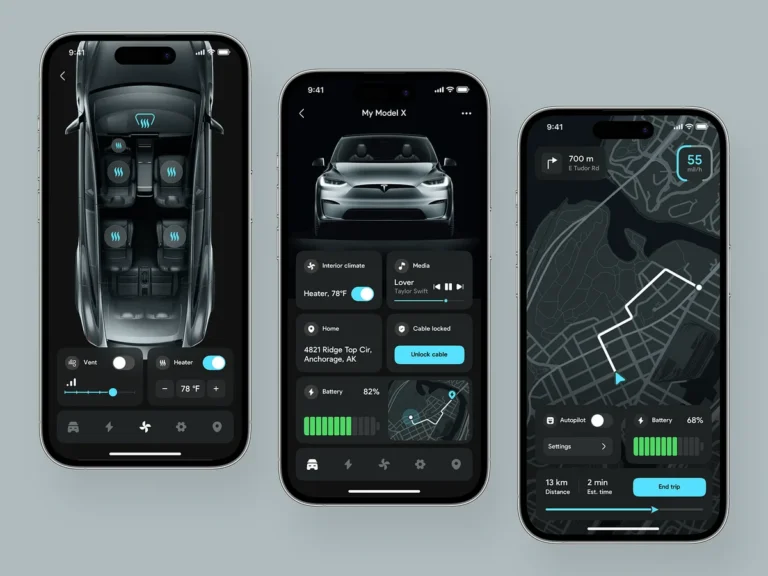
The only legal way to use a phone is hands-free with a mount. Voice commands are fine. Bluetooth calls are fine.
Tapping a mounted screen while driving is a gray area that officers interpret differently.
Why enforcement is aggressive
Arizona treats this as a primary offense. An officer does not need any other reason to pull you over. If they see you holding a phone, that alone justifies the stop.
This makes the law much more enforceable than the old texting-only ban that required officers to prove you were typing.
In Maricopa County alone, thousands of citations get issued every year. The goal is prevention, not punishment. But the financial impact adds up fast if you get caught.
Image source: Wikimedia Commons / CZmarlin — Christopher Ziemnowicz, releases all rights but a photo credit would be appreciated if this image is used anywhere other than Wikipedia. Please leave a note at Wikipedia here. Thank you!
What the Law Actually Says (ARS 28-915)
Arizona Revised Statute 28-915 lays out the rules in plain language. You cannot operate a motor vehicle while physically holding or supporting a mobile device with any part of your body. That includes your hands, your shoulder, or even your knee.
What the law covers
The statute defines a mobile device broadly. It includes cell phones, tablets, laptops, and any handheld electronic device capable of wireless communication. If it can send a message, make a call, or access the internet, it falls under the law.
What the law allows
| Activity | Allowed? |
|---|---|
| Holding a phone in your hand while driving | No |
| Using a mounted phone for navigation | Yes |
| Sending voice-to-text messages | Yes |
| Making a Bluetooth call | Yes |
| Scrolling social media at a red light | No |
| Dialing a number on a handheld phone | No |
The exceptions are narrow. You can use a phone if you are reporting an emergency to police, fire, or medical services. You can use one if you are parked legally off the roadway.
Utility workers and public safety officials performing job duties also get an exemption.
One critical detail
The law applies even when your car is stopped in traffic. Being at a red light or stuck in a jam does not give you permission to pick up your phone. The vehicle is still in operation, and the restriction stays in effect.
What You Can and Cannot Do Behind the Wheel
This section is where most drivers get tripped up. The core rule is simple: hands off the device. But everyday driving situations create gray areas that are worth examining.
Navigation
Using GPS on a mounted phone is legal. Setting the destination before you drive is smart. Touching the mounted screen to change a route while moving is technically allowed, but it draws attention from officers.
If you need to enter a new address, pull over and park first.
Music and podcasts
Changing a song or podcast with a single tap on a mounted phone is generally accepted. Scrolling through a playlist while driving is not. Voice commands through Apple CarPlay or Android Auto are the safest bet.
Siri and Google Assistant can handle almost any music request without you touching the screen.
Phone calls
Bluetooth calls through your car's system are fully legal. If your car does not have built-in Bluetooth, a single-ear headset or earpiece works. Speakerphone with the phone in a cup holder is illegal because the phone is not mounted and you are still supporting it.
Red lights and stop signs
The law does not make exceptions for stopped traffic. If your engine is on and you are in the driver's seat, you cannot hold the phone. The only exception is if you have pulled over to the side of the road and parked completely.
Passengers and phone use
If a passenger is holding a phone, that is not your problem. But if you pick up a passenger's phone to show them something, that counts as handheld use. Keep your hands on the wheel and let passengers handle their own devices.
Fines, Points, and Penalties (The Real Cost)
Getting caught under Arizona's hands-free law costs more than just the ticket. The total expense includes fines, court fees, insurance increases, and potential driving record damage.
Fine structure
| Violation | Base Fine | With Surcharges |
|---|---|---|
| First offense | $75 to $149 | About $150 to $250 |
| Second offense within 24 months | $150 to $250 | About $300 to $400 |
| School or construction zone | Double the base fine | About $300 to $500 |
The base fine is just the starting point. Arizona courts add surcharges and fees that typically double the final amount. A first offense with a $100 base fine can end up costing around $200 after court costs.
Points on your license
Each violation adds 2 points to your driving record. Accumulating 8 points in 12 months triggers a license suspension hearing. Stacking a handful of distracted driving citations on top of other infractions pushes you toward that threshold fast.
School and construction zone penalties
If you are caught holding a phone in a marked school zone or active construction zone, the fines double. A first offense that would normally cost $100 jumps to $200 before surcharges. The total with fees can exceed $300.
How long it stays on your record
A distracted driving conviction stays on your driving record for 3 years. Insurance companies can see it and adjust your rates accordingly during that period.

Image source: Bing (Web (fair-use with source credit))
The Insurance Hit Nobody Talks About
The ticket itself is expensive, but the insurance increase is what really hurts. A single distracted driving citation can raise your premiums for three years.
Typical rate increases
Insurance companies classify distracted driving as a high-risk behavior. Rates vary by provider, but the pattern is consistent across major carriers in Arizona.
| Policy Holder Type | Average Premium Increase |
|---|---|
| Clean record driver | 15 to 25 percent |
| Driver with one prior violation | 20 to 35 percent |
| Young driver under 25 | 30 to 50 percent |
For a driver paying $1,500 per year, a 20 percent increase adds $300 annually. Over three years, that is nearly $1,000 in extra cost on top of the ticket.
Why insurance companies care
Distracted driving correlates strongly with accidents. Insurers have data showing that phone use behind the wheel increases crash risk by two to four times. A citation signals to the insurance company that you are a higher risk, and they adjust your rates to match.
How to minimize the impact
Defensive driving school can remove the points from your record. Some insurance companies offer accident forgiveness or first-time violation programs. Not all policies include these options, so checking with your provider is worth the call.
Long-term consequences
A conviction stays on your record for three years. Switching insurance providers during that time does not hide it. Any new carrier will see the violation and price your policy accordingly.
The only way to avoid the premium hit is to avoid the ticket in the first place.
Who Gets Exempted and Who Does Not
The law includes a few narrow exceptions. Knowing them can save you from an unnecessary citation.
Real exemptions
You can use a handheld phone to report an emergency to police, fire, or medical services. That covers crashes, fires, medical emergencies, and crimes in progress. You can also use your phone if you are parked safely off the roadway and out of traffic lanes.
Utility workers and public safety officials performing job-related duties are exempt while on the clock.
False exemptions
Being stopped at a red light is not an exemption. Being stuck in traffic is not an exemption. Using your phone to check directions while holding it is not an exemption.
Many drivers assume these situations are fine. They are not.
Common Myths and Traps That Get Drivers Ticketed
Officers hear the same excuses every day. Here are the myths that get drivers in trouble.
Myth: I can hold it at a red light
The law applies whenever the vehicle is in operation. That includes stopped traffic. If your engine is running and you are in the driver's seat, you cannot hold the phone.
Myth: Only texting is illegal
Arizona's law covers all handheld use. Scrolling, dialing, browsing, and reading all count. If you are holding the device, you are breaking the law.
Myth: If the phone is in a cupholder, I am fine
A phone in a cupholder is still being supported by your hand or arm when you use it. That counts as holding. The phone must be mounted to the dashboard, windshield, or vent to be legal.
Myth: I can use it if I am parked in a parking lot
If you are in a parking spot with the engine off, you are fine. If you are in a driving lane or aisle within the lot, you are still operating the vehicle. Pull into a marked space first.
How to Stay Legal and Safe on Arizona Roads
Staying compliant is not hard. It just takes a small setup change and a new habit.
Get a phone mount
A good dashboard or windshield mount costs $15 to $30. Choose one that holds your phone securely and places it within easy view. Avoid mounts that block your view of the road.
Set up before you drive
Enter your destination in your navigation app before you shift into drive. Set your playlist or podcast. Adjust your volume.
The goal is zero phone touching once you are moving.
Use voice commands
Apple CarPlay, Android Auto, Siri, and Google Assistant can handle almost everything. Calls, texts, music, and navigation all work with voice. Learning a few basic commands saves you from reaching for the phone.
Pull over for complex tasks
If you need to type an address, read a long message, or make a call that requires looking up a number, pull over. Find a safe spot off the roadway and park. Then handle the task.
Keep your phone out of reach
If you have trouble resisting the urge, put the phone in the glove box or trunk. Out of sight removes the temptation entirely.

Image source: Bing (Web (fair-use with source credit))
What to Do If You Get a Ticket
If an officer pulls you over for a phone violation, stay calm. The process is straightforward.
During the stop
Pull over safely. Turn off your engine. Keep your hands visible on the steering wheel.
Be respectful and honest. Arguing or making excuses rarely helps.
After the citation
You have several options. Pay the fine, which means admitting guilt and accepting the points. Take defensive driving school to have the citation dismissed and points removed.
Contest the ticket in court if you believe the citation was issued incorrectly.
Defensive driving school
This is the most common choice for drivers with clean records. You pay a fee and complete a state-approved course online or in person. The ticket gets dismissed and no points go on your record.
You can use this option once every 12 months for a moving violation.
Contesting in court
If you have a valid defense, like an emergency situation or improper stop by the officer, you can fight the ticket. You will need evidence and a clear argument. Most drivers without a strong defense are better off with defensive driving school.
What happens if you ignore it
Ignoring a citation leads to a default judgment. The court adds fees. Your license can get suspended.
Eventually a warrant may be issued. Pay the ticket or take the class on time.
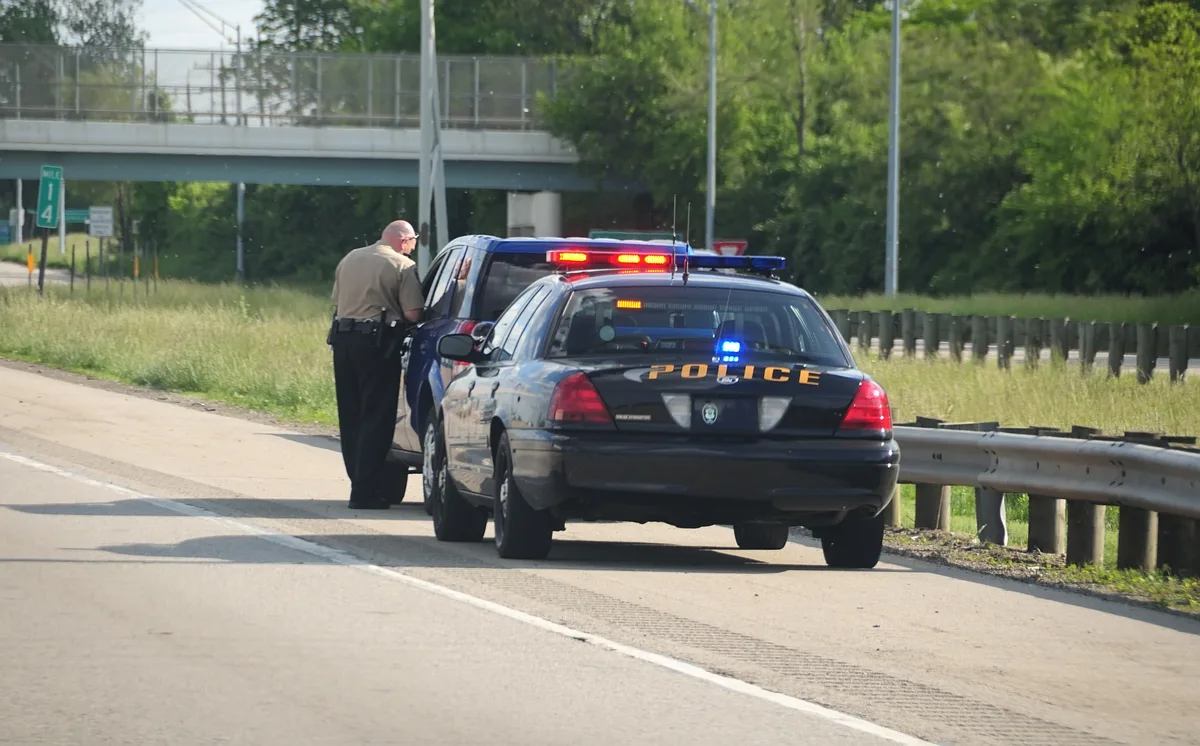
Image source: Bing (Web (fair-use with source credit))
Special Rules for Commercial and Rideshare Drivers
The rules get tighter for commercial drivers and people who drive for work.
CDL holders
Federal regulations ban commercial drivers from holding any mobile device while operating a commercial vehicle. Arizona's state law applies too. The penalties are stiffer.
A first violation can result in a 60 day disqualification of your CDL. Second violations within three years cost you 120 days.
Rideshare and delivery drivers
Uber, Lyft, DoorDash, and Amazon Flex drivers rely on phones for navigation and order management. The same hands-free rules apply. Mount your phone.
Use voice commands. Do not touch the screen while the vehicle is moving. If you need to interact with the app, pull over first.
Fleet policies
Many Arizona companies enforce stricter policies than the state law. Some ban all phone use including hands-free. Check your employer's distracted driving policy.
Violating company rules can cost you your job.
How Arizona Compares to Neighboring States
Arizona's law falls in the middle compared to nearby states. Knowing the differences helps if you drive across state lines.
| State | Handheld Ban | Hands-Free Allowed | Notes |
|---|---|---|---|
| Arizona | Yes | Yes | Mount required |
| California | Yes | Yes | No phone touching at all, even mounted |
| Nevada | Yes | Yes | No texting while driving, handheld calls allowed |
| New Mexico | Yes | Yes | Similar to Arizona |
| Utah | Yes | Yes | Lower fines for first offense |
| Texas | Partial | Yes | Only texting and calling banned while handheld |
Why this matters for Arizona drivers
If you drive into California, the rules are stricter. You cannot touch your phone at all while driving, even if it is mounted. Nevada allows handheld calls but bans texting.
Out-of-state drivers in Arizona often get caught off guard because their home state has looser rules. Snowbirds and visitors should review Arizona's law before hitting the road.
Frequently Asked Questions
Can I use my phone at a red light in Arizona?
No. The law applies whenever the vehicle is in operation, including when stopped at a red light or in traffic. If the engine is running and you are in the driver's seat, you cannot hold a phone.
Will a distracted driving ticket raise my insurance rates?
Yes. A distracted driving conviction typically raises rates by 15 to 25 percent for drivers with clean records. The increase lasts about three years.
Defensive driving school can prevent the points and the rate hike.
How many points is a distracted driving violation in Arizona?
Each violation adds 2 points to your driving record. Accumulating 8 points in 12 months can lead to a license suspension hearing. Taking defensive driving school removes the points.
Do I need a special mount for my phone?
Any secure dashboard, windshield, or vent mount works. The mount must keep your phone in your line of sight without blocking your view of the road. Cup holders and lap positions do not count.
Can I use my phone for navigation in Arizona?
Yes, but only if the phone is mounted. Enter your destination before you start driving. If you need to change the route, pull over and park first.
Voice commands through CarPlay or Android Auto are the safest option.
What happens if I get a second ticket within 24 months?
Second offense fines are $150 to $250 before surcharges. With court fees the total is around $300 to $400. The same 2 point penalty applies.
A second violation also increases the likelihood of higher insurance rates.