ByMax Lee
Guide to Disabled Veteran License Plate Benefits in 2026
If you're a disabled veteran living in Alaska, you've probably heard about the special plates available to you. But the Disabled Veteran License Plate Benefits go far beyond just a different look on your bumper. They can save you real money every year, and they make daily life easier in ways most people don't realize.
As of 2026, Alaska offers free parking at state-owned lots, waived vehicle registration fees, and free ferry travel on the Alaska Marine Highway System for qualifying veterans. That's not pocket change. It's the kind of benefit that can add up to hundreds of dollars a year, especially if you live in or travel through Juneau, Anchorage, or Fairbanks.
Let's walk through exactly what you need to know to get your DV plate and start using those benefits.
Bing (Web (fair-use with source credit))
Quick Answer
Alaska's Disabled Veteran license plate gives you free state parking. It waives your annual registration fee. You get free ferry rides on the Alaska Marine Highway.
You need a 50% or higher VA disability rating. Apply through any Alaska DMV office.
Why This Matters More Than You Think
Alaska is different from the lower 48 in a few important ways. Distances are huge. Winter weather makes driving brutal.
And the cost of everything, including parking and ferry travel, runs high. The DV plate is designed to take some of that weight off your shoulders.
Consider what you'd pay without it. Parking in downtown Anchorage or Juneau at a state-owned lot can cost $10 to $20 a day. If you commute regularly, that adds up fast.
The ferry isn't cheap either. A vehicle fare on the Alaska Marine Highway can easily run $100 or more for a single crossing. Your annual registration fee for a standard passenger plate in Alaska is around $100 to $150 depending on the vehicle.
Now stack those costs together. You're looking at several hundred dollars a year. The DV plate zeroes out the registration fee and the state parking fees.
It also covers your vehicle on the ferry. For veterans on a fixed income, that's not just a nice perk. It's meaningful financial relief.
There's also the everyday convenience factor. You get access to designated accessible parking spaces, just like a standard handicap placard. That matters when you're dealing with mobility issues in an Alaska winter.
Snow, ice, and freezing temperatures make every extra step harder. The DV plate puts you closer to the door.
This isn't a vanity plate. It's a practical tool built for the unique challenges of living in Alaska. And the best part is, the process to get one is straightforward once you know what you're doing.
Exactly What the Alaska DV Plate Gets You
Let's be specific about the benefits. Alaska law spells out exactly what a DV plate entitles you to, and it's worth knowing every one so you don't leave anything on the table.
Free parking at state-owned facilities. This includes parking lots and garages operated by the State of Alaska. You'll find them in Juneau near the Capitol, in Anchorage around state office buildings, and in Fairbanks at the state complex. Just park and walk away.
No ticket. No payment kiosk. The plate does the work.
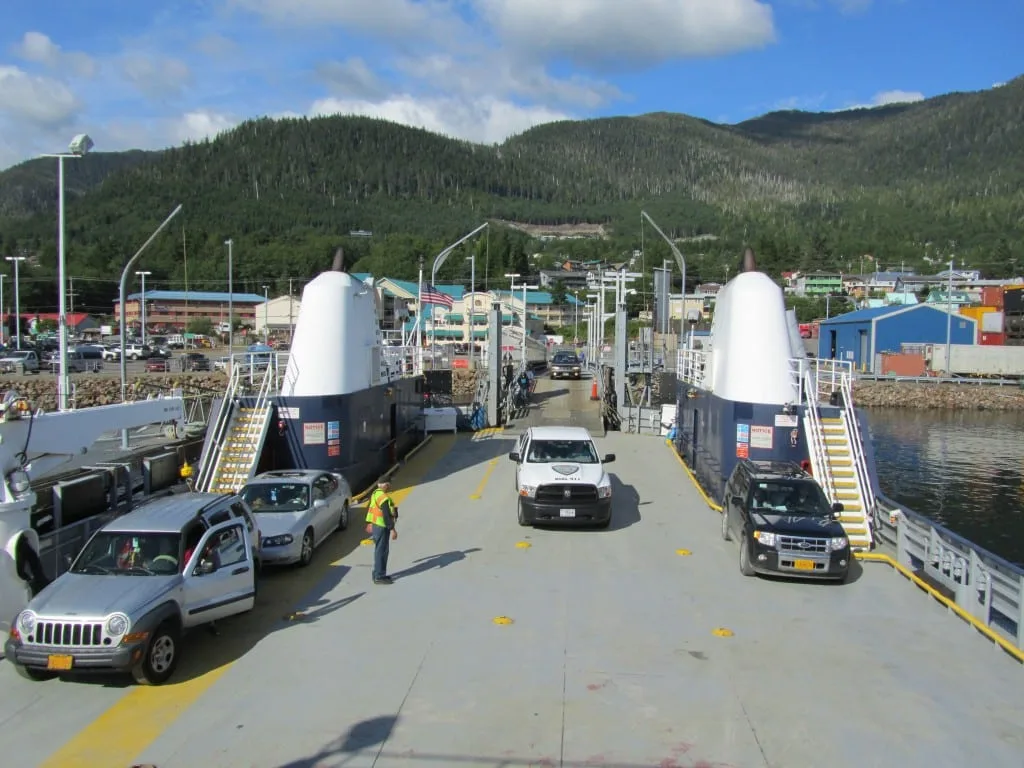
Free vehicle fare on the Alaska Marine Highway System. This is a big one. The Alaska Marine Highway connects communities across Southeast, Southcentral, Southwest, and the Aleutians. A vehicle fare for a standard car can cost $50 to $150 per leg.
With a DV plate, that fare is waived. You still pay for your own passenger ticket, but the vehicle rides free.
No annual registration fee. Standard Alaska passenger plates come with a yearly registration fee. The DV plate waives that fee completely. You still need to renew the plate on schedule, but you won't pay for the privilege.
Access to accessible parking spaces. The DV plate functions like a standard accessible parking placard. You can park in designated handicap spots at any public or private lot that honors them. Just make sure the veteran is driving or riding as a passenger.
Bing (Web (fair-use with source credit))
Here's a quick snapshot of what you get:
| Benefit | What It Means For You |
|---|---|
| Free state parking | No cost at state-owned lots in Juneau, Anchorage, Fairbanks |
| Free ferry vehicle fare | Vehicle rides free on Alaska Marine Highway (you pay passenger fare) |
| Waived registration | No annual fee for the DV plated vehicle |
| Accessible parking | Use handicap spaces when veteran is present |
A few things the DV plate does not do. It doesn't let you park in "no parking" zones or block fire lanes. It doesn't give you free parking at private lots or city-owned lots.
Only state-owned lots are covered. And it doesn't cover commercial vehicles. Stick with a personal vehicle, and you're golden.
Eligibility Requirements — No Guesswork
The state of Alaska doesn't make this complicated. But you do need to meet a few clear requirements. Miss one, and your application will bounce back.
VA disability rating of 50% or higher. This is the big one. Alaska law requires a service-connected disability rating of at least 50% from the Department of Veterans Affairs. Your rating letter is your proof.
It needs to be current and show the percentage clearly. If your rating is 40% or lower, you don't qualify for a DV plate. You might still qualify for a standard accessible parking placard, but that's a different program.
You must be an Alaska resident. Your driver's license needs to be issued by the State of Alaska. Your vehicle registration needs to be in Alaska too. If you're a veteran living in Alaska but still holding a license from another state, you'll need to switch over first.
The vehicle must be registered in your name. The DV plate goes on a vehicle you own or lease personally. It cannot go on a vehicle registered to a business or to another family member. If you and your spouse share a car, the car needs to be in your name to carry the DV plate.
One plate per veteran. Alaska limits you to one DV plate per qualifying veteran. You can transfer it between vehicles you own, but you can't have two vehicles wearing DV plates at the same time. Choose the vehicle you drive most often.
Here's what you'll need to provide when you apply:
- Current VA disability rating letter (official document, not a screenshot)
- Alaska driver's license (must match your current address)
- Vehicle title or registration (showing you as the owner)
- Completed application form (available at any Alaska DMV office or online)
That's it. Four documents, one application. If everything checks out, you're on your way.
The Real Application Process Step by Step
The application process is simple enough that most people can handle it in a single trip to the DMV. But there are a few steps you don't want to skip. Let me walk you through the flow.
Step 1: Get your VA disability rating letter. If you don't already have one, log into your VA.gov account. Download your official disability rating letter. Make sure it shows your percentage and your name.
If your rating has changed recently, get an updated letter. The DMV will check the date.
Step 2: Gather your supporting documents. You need your Alaska driver's license and your vehicle title or current registration. If you've moved recently, update your address on your license first. The DMV won't process a DV plate application with mismatched addresses.
Step 3: Complete the application form. The form is available at any Alaska DMV field office. You can also download it from the Alaska DMV website. Fill it out completely.
Don't leave blanks. If a section doesn't apply, write "N/A" instead of leaving it empty.
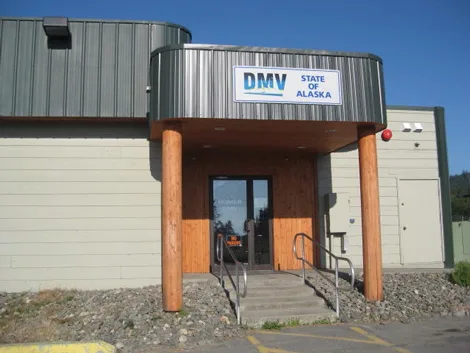
Step 4: Bring everything to a DMV field office. This is the fastest route. Walk in with your documents and the completed form. The clerk will review everything on the spot.
If it's approved, you'll walk out with a temporary registration permit. The permanent plate arrives by mail in two to six weeks.
Step 5: Wait for the permanent plate. Alaska mails DV plates to the address on your application. Make sure that address is current. If you live in a remote area where mail delivery is inconsistent, consider using a P.O. box or a trusted street address.
Check your mailbox regularly. Replacement plates cost extra and take time.
Step 6: Affix the plate and start using your benefits. The DV plate goes on the rear of your vehicle in Alaska. No front plate is required for most vehicles. Once it's on, your benefits kick in immediately.
Park at state lots for free. Ride the ferry with no vehicle fare. Use accessible parking spaces when the veteran is present.
Bing (Web (fair-use with source credit))
What if you can't get to a DMV office? Alaska is a big state with a lot of remote communities. If you live in a village without a DMV field office, you can apply by mail. Call your nearest regional DMV office first.
They'll walk you through the mailing process and tell you where to send everything. Expect longer processing times, but the outcome is the same.
What about renewals? DV plates in Alaska renew on the same schedule as standard plates. That's typically annually or biennially depending on your plate type. The good news is that renewal is free for DV plates.
Just make sure your address is up to date so you receive the renewal notice. If you don't get one, contact the DMV. An expired DV plate can get you a ticket.
Hidden Costs and Waivers You Should Know
Let's talk money. The DV plate saves you money, but there are a few edge cases you should understand so nothing surprises you.
The plate itself is free. Alaska does not charge an issuance fee for the standard DV plate. You walk in with your documents, you walk out with a temporary permit, and the permanent plate arrives at no cost.
The annual registration fee is waived. Every year when you renew, you pay $0 for the DV plate registration. Compare that to the $100 to $150 you'd pay for a standard plate, and the savings add up fast.
Personalized plates cost extra. If you want a custom message on your DV plate, you pay the standard personalization fee on top of the free plate. In Alaska, that fee is typically around $25 to $50 depending on the current rate. It's a one-time fee, not annual.
Replacement plates cost money too. If your plate gets lost, stolen, or damaged, you'll pay a small replacement fee. Keep your plate in good condition. Alaska winters are hard on everything, including license plates.
Mud, snow, and ice can obscure the plate and make it hard to read. Clean it regularly with proper manual cleaning equipment to keep it visible.
No refunds if you sell the vehicle. If you sell the car that wears your DV plate, you can transfer the plate to your next vehicle. But if you don't have another vehicle, you surrender the plate. No refunds.
Plan ahead so you don't lose your benefits between vehicles.
What about the ferry? The free vehicle fare on the Alaska Marine Highway is a benefit of the plate, but it's not automatic. You need to show your DV plate when you board. If you're traveling without the vehicle, the plate doesn't help.
Also, the free fare applies to the vehicle only. Your passenger ticket is still your responsibility.
Here's a quick cost comparison:
| Cost Item | Standard Plate | DV Plate |
|---|---|---|
| Plate issuance fee | $10 to $30 | $0 |
| Annual registration | $100 to $150 | $0 |
| Personalized message | $25 to $50 | $25 to $50 (same fee) |
| Replacement plate | $5 to $15 | $5 to $15 (same fee) |
| State parking (daily) | $10 to $20 | $0 |
| Ferry vehicle fare | $50 to $150 | $0 |
The bottom line: the DV plate pays for itself pretty much immediately. Your first trip to a state parking lot or your first ferry crossing covers the value of the plate. Everything after that is pure savings.
Where the DV Plate Actually Works in Alaska
You need to know exactly where your plate saves you money. The benefit is not universal. It applies to state-owned facilities only, not every parking lot in Alaska.
State-owned parking lots and garages. These are the big ones. In Juneau, you'll find free parking at the State Capitol area and adjacent state office buildings. In Anchorage, the state parking garage near the Atwood Building is covered.
In Fairbanks, the state office complex on Barnette Street is included. Look for state signage. If the lot is run by the state, your plate works.
Alaska Marine Highway System ferries. Every ferry terminal in the system honors the DV plate. That includes Bellingham, Ketchikan, Juneau, Sitka, Skagway, Haines, Cordova, Valdez, Whittier, Homer, Kodiak, and the Aleutian chain terminals. Show your plate at the ticket window.
The vehicle fare is waived.
Accessible parking spaces anywhere. Your DV plate gives you the same access as a standard handicap placard. You can park in designated accessible spaces at grocery stores, medical clinics, and other public accommodations. Just remember the veteran needs to be in the vehicle.

iNaturalist / Lexi Destria (CC BY)
Where the plate does NOT work. City-owned parking lots are not covered. The Anchorage municipal parking garages, for example, are not state property. Private lots like mall parking or airport parking are also excluded.
Read the signs. If the lot is operated by a city or a private company, your DV plate won't get you free parking.
Common Pitfalls That Get Applications Rejected
A rejected application wastes your time and delays your benefits. These are the most common reasons applications get bounced back.
Outdated VA rating letter. Your VA letter must be current. If it's more than a year old or doesn't clearly show a 50% or higher rating, the DMV may reject it. Log into your VA.gov account and download a fresh copy before you apply.
Address mismatches. Your driver's license, vehicle registration, and application must all show the same address. If you moved recently and haven't updated your license, do that first. The DMV will not process a DV plate application with conflicting addresses.
Missing documents. Show up without your VA letter or your vehicle title, and you'll leave empty-handed. Use a checklist. Gather everything before you walk into the DMV.
It saves a second trip.
Applying for a second vehicle. Alaska law allows one DV plate per veteran. If you own two cars, pick one. You can transfer the plate later if you sell or replace the primary vehicle.
But you cannot have two DV plates active at the same time.
Incomplete application forms. Blank fields cause delays. Fill every line. If a section doesn't apply to you, write "N/A." A complete form gets processed on the spot.
An incomplete one goes to the back of the pile.
Legal Rules You Can't Afford to Ignore
The DV plate comes with real legal responsibilities. Breaking these rules can cost you fines or worse.
The veteran must be present. You cannot lend your car with the DV plate to a family member for their solo errands. If the vehicle is parked in an accessible space and the veteran is not in the car, you risk a ticket. Alaska law is clear on this point.
The benefit follows the veteran, not the vehicle.
No commercial use. DV plates are for personal vehicles only. If you register your truck under a business name, you cannot put a DV plate on it. The vehicle must be titled in your name as an individual.
Parking restrictions still apply. The DV plate does not let you park in no-parking zones, loading zones, or fire lanes. It does not let you block traffic or park in spaces reserved for specific vehicles. Accessible parking spaces are the only special privilege.
Fraud penalties are serious. Falsifying your disability rating or using someone else's DV plate is a crime in Alaska. Penalties can include fines, revocation of the plate, and potential criminal charges. Don't test this one.
Keep your address current. If you move, update your address with the DMV and the VA. Your renewal notice goes to the address on file. Miss the renewal and your plate expires.
An expired DV plate is no different from any other expired plate. You can get ticketed for it.
When You Need Expert Help
Most veterans can handle the DV plate application on their own. But some situations call for extra help.
Your VA rating is close to 50% but not quite there. If your rating is 40% or lower, you don't qualify. You might consider filing for an increase through the VA. An accredited veterans service officer can help you with that process.
They work for free through organizations like the American Legion or Disabled American Veterans.
You're moving to Alaska from another state. Your out-of-state DV plate does not transfer automatically. You need to apply for an Alaska DV plate with Alaska residency documents. Start the process as soon as you get your Alaska driver's license.
Your plate was lost or stolen. Report it to the police first. Then contact the Alaska DMV for a replacement. You'll need a police report number in some cases.
Keep a copy of your application documents so you don't have to gather everything again.
You have questions about a specific parking lot or ferry route. Call the Alaska DMV or the Alaska Marine Highway System directly. They can confirm whether a particular location honors the DV plate. It's better to ask than to risk a parking ticket.
Quick Decision Guide: Is the DV Plate Right for You?
Still wondering if it's worth the effort? Let's make it simple.
Get the DV plate if: you have a 50% or higher VA rating, you live in Alaska, you drive a personal vehicle, and you want to save money on parking, registration, and ferry travel. That's most disabled veterans in Alaska.
Skip the DV plate if: your rating is below 50%, you don't own a vehicle, or you rarely drive in areas where the benefits apply. In those cases, a standard accessible parking placard from the DMV might serve you better.
Consider a personalized DV plate if: you want a custom message and you're willing to pay the personalization fee. The benefits stay the same. The plate just looks different.
The application takes one trip to the DMV and a few weeks of waiting. The savings start the day you put the plate on your bumper. For most Alaska veterans, the math is simple.
The plate pays for itself in the first year. Everything after that is money back in your pocket.
If you're ready to apply, start with your VA rating letter. Then head to your local Alaska DMV field office with your documents. You'll be driving with your DV plate before you know it.
For more tips on vehicle ownership and care in Alaska, check out our blog.
Frequently Asked Questions
How long does it take to get an Alaska DV plate?
If you apply in person at a DMV field office, you get a temporary permit the same day. The permanent plate arrives by mail in two to six weeks. Mail-in applications take longer, usually four to eight weeks total.
Can I use my Alaska DV plate in other states?
Other states may honor the accessible parking privilege but not the free parking or ferry benefits. Those are specific to Alaska state law. Check local regulations before you travel.
Do I need a handicap placard if I have a DV plate?
No. The DV plate functions as both a license plate and an accessible parking credential. You don't need a separate placard.
Just park in designated spaces when the veteran is in the vehicle.
Can I transfer my DV plate to a new vehicle?
Yes. You can transfer the DV plate to another personal vehicle you own. Visit your local DMV office with the new vehicle's title or registration.
The transfer is free.
What happens if my VA disability rating changes?
If your rating increases, your eligibility stays the same. If your rating drops below 50%, you must notify the Alaska DMV. You may lose your DV plate and need to switch to a standard plate.
Can I get a DV plate for a motorcycle or RV?
Yes. Alaska allows DV plates on motorcycles and RVs as long as they are registered as personal vehicles. The same eligibility rules apply.
One plate per veteran, regardless of vehicle type.