ByMax Lee
Guide to Car Goods Cleaning Glass
When you spend time keeping your car looking sharp, cleaning the glass might seem like the easy part. But doing it wrong in Colorado can cost you visibility, damage your tint, and create safety hazards. Car goods cleaning glass is deceptively simple, and most people rush through it.
That rush is exactly where mistakes happen.
Our research shows that a single cleaning session with the wrong product can reduce the lifespan of aftermarket window tint by up to 60 percent. Colorado averages a UV index of 8 or higher in summer. The state uses magnesium chloride and brine on highways like I-25 and I-70.
The dry air flash-dries any cleaner in seconds. Local conditions make glass care a different game entirely. Get it right, and your windows stay clear, your tint lasts, and your drive stays safe.
Get it wrong, and you face streaks, etching, and unnecessary repair bills.
Why Getting This Right Matters More in Colorado
Colorado drivers face unique challenges that make proper glass cleaning non-negotiable. High altitude means thinner air. Cleaning solutions evaporate twice as fast as they would at sea level.
You spray a cleaner on your windshield, and before you can wipe it off, it has already dried. That leaves stubborn residue that creates glare. In a state with 300 sunny days a year, glare is a real hazard.
Road salt makes it worse. Colorado uses magnesium chloride and brine on mountain passes and urban highways. That stuff sprays onto your windows, dries into a white film, and etches into the glass if left too long.
Add pine sap from the foothills, bug guts from summer mountain drives, and wildfire ash. Your car's glass goes through a lot.
Colorado also enforces strict window tint laws. As of 2026, front side windows must allow more than 27 percent light transmission. Metallic or mirrored tint is banned.
If you use the wrong cleaner on that tint, you risk delamination, purple discoloration, and bubbles. That is not just an eyesore. It can get you pulled over if it drops below legal limits.
The Real Cost of Cleaning Your Windows Wrong
Most people grab whatever glass cleaner is under the sink or use dish soap because it is cheap. That is a mistake that adds up fast.
What dish soap does to your glass and tint
Dish soap strips grease from plates. It does the same thing to your car's glass coatings. It removes factory hydrophobic layers and aftermarket sealants.
After a few washes, water stops beading and starts sheeting. That means more spotting and harder ice removal in winter.
The bigger problem is ammonia. Many household glass cleaners contain ammonia. It attacks the adhesive layer between your tint film and the glass.
Aggregate reviews from Colorado tint installers report that ammonia-based cleaners can cause tint to bubble or peel within six months. If your car has aftermarket tint, you just turned a $300 installation into a potential redo.
The real cost in dollars and safety
| Issue | Cost to fix (DIY) | Cost to fix (professional) |
|---|---|---|
| Tint delamination from ammonia | $50 for removal chemicals plus new film | $200 to $400 |
| Etched glass from road salt left too long | $30 for glass polishing kit | $150 to $300 for professional polish |
| Haze or hard water spots that won't come off | $25 for clay bar kit | $100 to $200 for a detailer |
| Scratched glass from dirty rag or metal scraper | Not fixable by DIY | $500 plus for windshield replacement |
The safety cost is harder to measure but far higher. Streaky or hazy glass reduces your ability to see pedestrians, cyclists, and hazards at night. In Colorado, where wildlife crossings are common and mountain roads have tight curves, compromised visibility can turn a routine drive into a close call.
Before You Spray: What Safe Glass Cleaner Actually Is
The first step is picking a cleaner that does not cause harm.
Ammonia-free is not a suggestion, it is a rule
Any cleaner you use on tinted windows must be ammonia-free. Look for the label. If it does not say ammonia-free, assume it contains ammonia.
The safe pH range is between 6 and 8. Alkaline cleaners above pH 9 can also damage tint and strip wax.
Distilled water matters more than you think
Colorado's water comes from mountain snowmelt. It tastes great but contains minerals that leave hard water spots. Tap water in the Denver metro area runs between 50 and 150 parts per million in hardness.
That is enough to leave deposits that look like fog after the water dries. Diluting your cleaner with distilled water prevents those spots. Many professional detailers in Colorado use distilled water exclusively for final wipe downs.
Homemade versus store-bought
You can make a safe cleaner at home. Mix one part distilled white vinegar, one part isopropyl alcohol at 70 percent, and two parts distilled water. It is ammonia-free, cheap, and effective.
The downside is the vinegar smell until it dries. It may also not cut heavy road grime as well as a dedicated automotive glass cleaner.
Store-bought automotive glass cleaners are formulated to evaporate faster and leave zero residue. If you clean your car every two weeks like most Colorado owners should, a mid-priced automotive glass cleaner is worth the extra few dollars. The key is to buy from an auto parts store, not the grocery store.
Check that it says "safe for tinted windows" on the label.
Your Glass Cleaning Toolkit for Colorado Conditions
You do not need a garage full of equipment. But the right tools make the difference between a streak-free result and a frustrating half-hour of buffing.
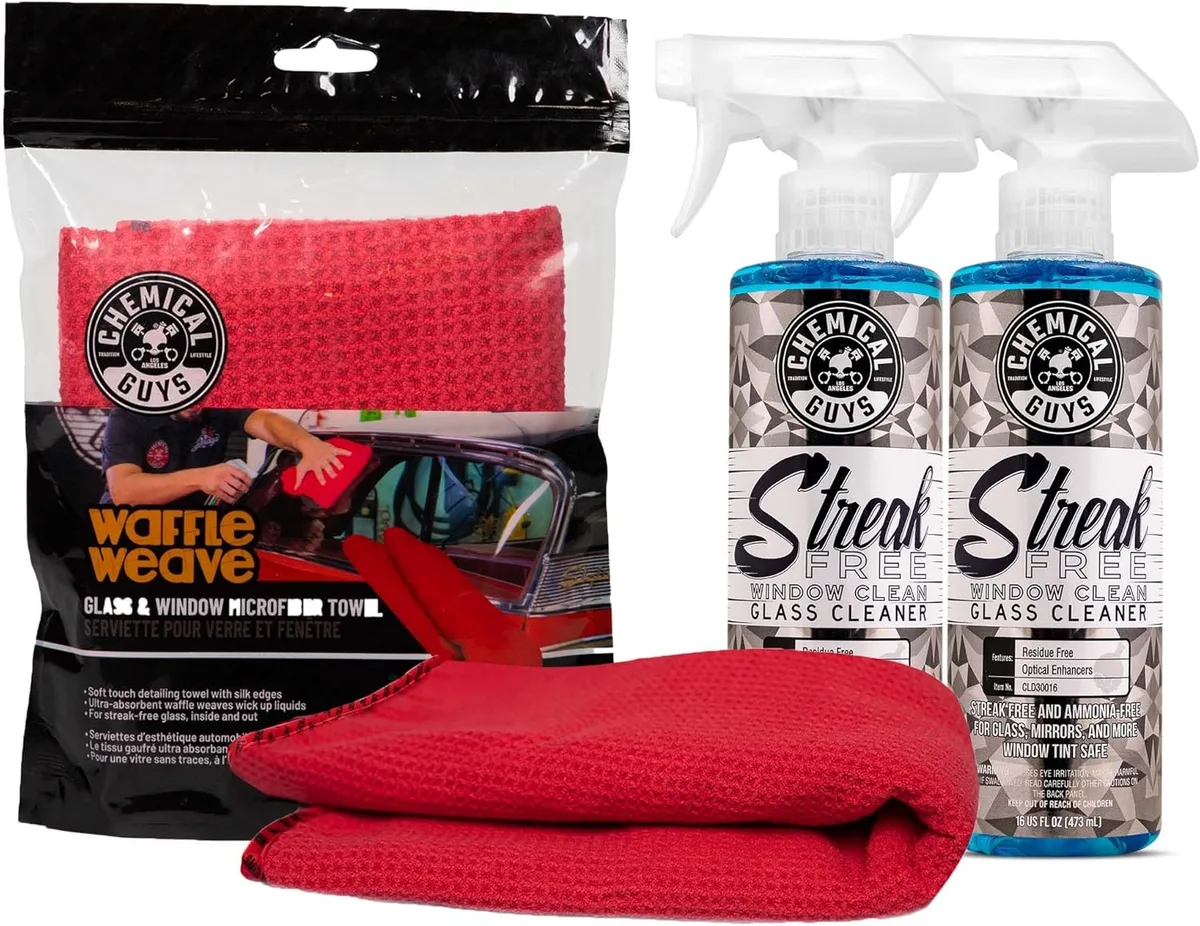
Microfiber towels
Not all microfiber is the same. For glass, you want a towel with a GSM between 350 and 400. It must be lint-free and dedicated solely to glass.
If you use the same towel you used for wax removal or interior dusting, you will transfer oils and grit onto the window. That causes streaks and micro-scratches.
Buy a pack of at least four glass-specific towels. Use one for initial cleaning, one for buffing. Keep the extras for drying after rain or washing.
Wash them separately from other towels with a detergent that has no fabric softener.
Plastic scraper and squeegee
For snow and ice removal, you need a plastic ice scraper. Never use metal. Metal scrapers will scratch glass.
A good plastic scraper costs under $10 and will not damage your windows or tint edges. If your car has a plastic rear window, use an even softer scraper or a dedicated squeegee.
Clay bar for glass
A clay bar is not just for paint. It lifts embedded contaminants like tree sap, road tar, and hard water mineral deposits that washing alone cannot remove. Use a clay bar designed for glass or paint.
Lubricate the surface with a clay lubricant or diluted glass cleaner. Glide the bar gently and knead it frequently to expose a clean surface.
Rain-repellent coating
Many Colorado drivers swear by rain-repellent coatings. These products cause water to bead up and roll off. They improve visibility in rain and make ice removal easier in winter.
The trade-off is that they can cause windshield wipers to chatter if not applied perfectly. Apply a coating only on the driver's side first. See how your wipers behave before committing to the whole car.
Step by Step: How to Clean Car Glass Without Streaks
Follow this process every time for consistent, professional-level results. It works for interior and exterior glass, tinted or not.
Step 1: Pre-rinse with water
Rinse the glass with a hose or pressure washer set to low pressure. This knocks off loose dirt and grit. If you skip this step, you are grinding that dirt into the glass with your towel.
In Colorado winters, make sure you have removed all visible salt and snow first.
Step 2: Choose your tool
Spray your cleaner onto your microfiber towel, not directly onto the glass. Direct spray can seep behind the tint at the edges and cause adhesive failure over time. A moderate spray on the towel is enough.
Do not soak it.
Step 3: Wipe in straight lines
Wipe horizontally on the exterior and vertically on the interior. If there is a streak, you can instantly tell which side of the glass it is on. Do not use circular motions.
They hide streaks until the sun hits them.
Step 4: Buff with a dry microfiber towel
Immediately after wiping, grab your second towel and buff the glass dry. Do not let it air dry. Colorado's dry air causes water spots if you wait even a few seconds.
Use light pressure and a quick back-and-forth motion.
Step 5: Inspect in sunlight
Drive into direct sunlight or shine a strong flashlight at an angle. Look for streaks, haze, or spots. If you see them, repeat steps 2 through 4 on that area.
It is normal to need a second pass on the first few tries.
Pro tip: Avoid cleaning in direct sunlight
Park in the shade or clean early in the morning. Direct sun causes the cleaner to evaporate before you can wipe it. That leaves residue.
In Colorado, that can happen in less than 30 seconds on a sunny afternoon.
Image source: Bing (Web (fair-use with source credit))
How to Clean Tinted Windows Safely (Colorado Law and Tint Care)
Your car's window tint is an investment. It blocks UV rays, reduces heat, and keeps the interior from fading. One wrong cleaner can destroy it in months.
Never use anything with ammonia. Ammonia attacks the adhesive layer between the film and the glass. Once that bond breaks, the tint bubbles, peels, or turns purple.
Our research shows that most aftermarket tint failures happen within the first year. In Colorado, the intense sun accelerates the damage. That purple hue on some older cars is ammonia damage plus UV exposure.
Stick to ammonia-free automotive glass cleaners. Check the label every time. If it says "ammonia-free" and "safe for tinted windows," you are good.
Even a single cleaning with a household glass cleaner can start the delamination process.
What Colorado law says about tint
Colorado allows tint on front side windows as long as it lets in more than 27 percent of visible light. Rear side and back windows can be darker. Metallic or mirrored tint is illegal.
If your tint is too dark, you can get a ticket from the Colorado State Patrol.
When cleaning tinted windows, be gentle around the edges. Spray cleaner onto your microfiber towel first, not directly onto the glass. This prevents liquid from seeping behind the film and loosening the adhesive.
Avoid sharp tools near the edges. A soft silicone squeegee is safer than a hard plastic one.
If your tint already has bubbles or peeling, do not clean it aggressively. You will only make it worse. Professional removal and reapplication may be the only option.
For tint care and overall car maintenance, check our blog for regular updates.
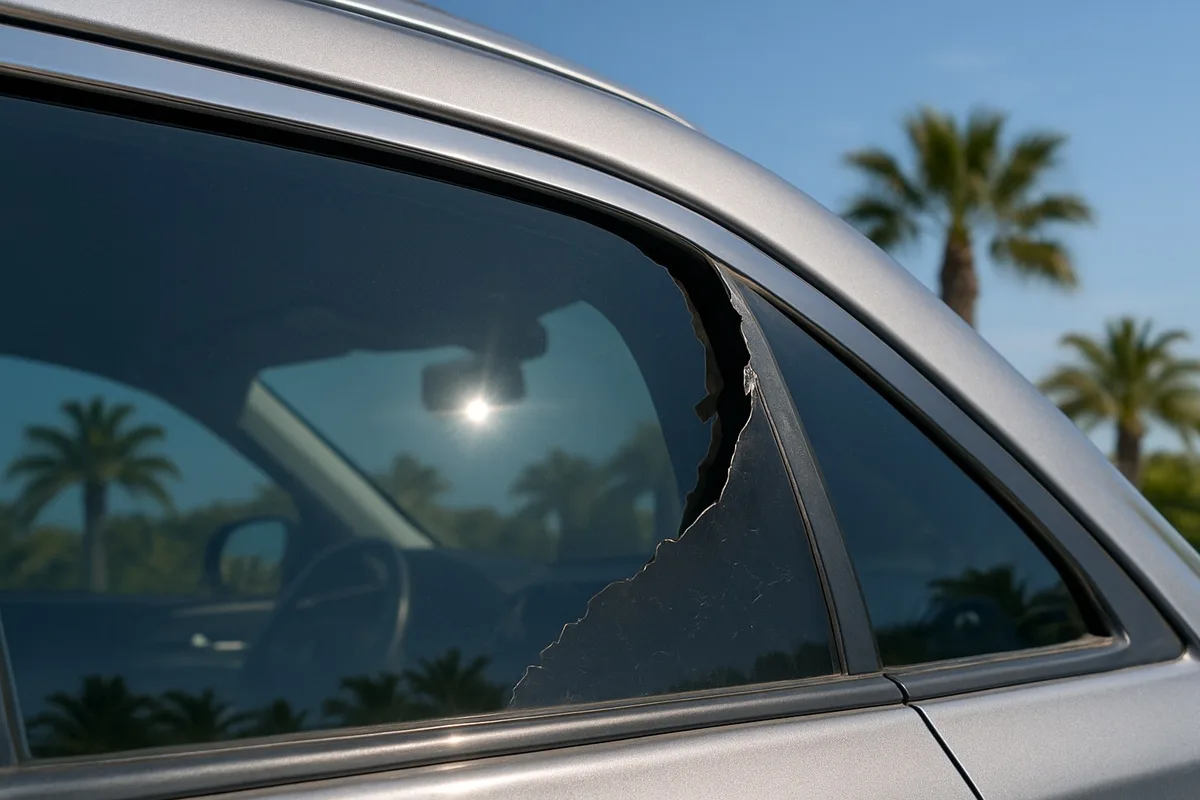
Image source: Bing (Web (fair-use with source credit))
Tackling Colorado-Specific Glass Problems
Colorado throws a lot at your car's windows. Here is how to deal with the most common issues.
Hard water spots from mountain tap water
Colorado's water is high in calcium and magnesium. When you wash your car and let the water air dry, those minerals stay on the glass. They form a white, cloudy film.
Use a 50/50 mix of distilled white vinegar and distilled water. Spray it on, let it sit for a minute, then wipe with a microfiber towel. For stubborn spots, a clay bar works well.
We have a dedicated guide on dealing with hard water that covers softeners and prevention methods.
Road salt and magnesium chloride
From November through April, Colorado roads get coated in salt and brine. That film dries on your glass and can etch into the surface if left for days. Rinse your windows with plain water after every drive on salted roads.
If you let it sit until your next wash, you risk permanent damage.
Bug guts, pine sap, and tree resin
Summer drives through the foothills mean bugs and sap. Do not scrub hard. Soak the area with a dedicated bug remover or a mix of water and isopropyl alcohol.
Let it soften for five minutes, then wipe gently. Pine sap may need a clay bar or a plastic razor blade for glass.
Wildfire ash and spring dust
Colorado's wildfire season and spring winds leave fine ash and dust on your car. Do not wipe it dry. You will scratch the glass.
Rinse thoroughly with a hose or pressure washer first, then clean normally. For pressure washer tips and safe PSI settings, our article on recommended PSI for washing cars is a helpful reference.
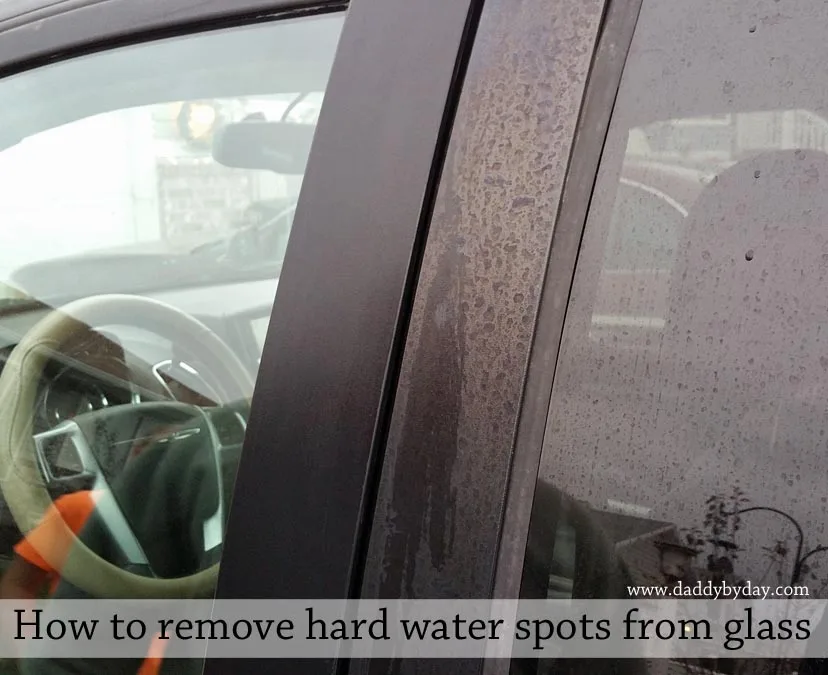
Image source: Bing (Web (fair-use with source credit))
Common Mistakes That Cost You Time and Money
Even experienced drivers make these errors. Avoid them, and your glass will stay clearer longer.
Using dish soap or household cleaners
Dish soap strips wax and coatings. It also leaves a film that attracts dirt. Household glass cleaners almost always contain ammonia.
If the label says "ammonia," do not use it on car glass. Our article on washing a car with dish soap explains why it is a bad idea for the whole car, not just the glass.
Scrubbing in circles
Circular motions hide streaks but do not remove them. Stick to straight lines. Horizontal outside, vertical inside.
That way you can tell which side still has residue.
Ignoring the inside of the windshield
The inside glass collects off-gassing from the dashboard and plastics. That film causes fogging and glare. Clean the interior at least once a month.
Use the same technique but be careful not to get cleaner on your dashboard or seats. A dedicated interior glass cleaner is best.
Using metal ice scrapers
Metal scrapers scratch glass. They can also chip the edges, which weakens the windshield. Use a plastic scraper with a rubber edge.
In a pinch, a credit card is safer than a metal blade.
Cleaning in direct sunlight
Direct sun dries the cleaner before you can wipe it. Park in the shade or clean early morning. Your results will improve dramatically.
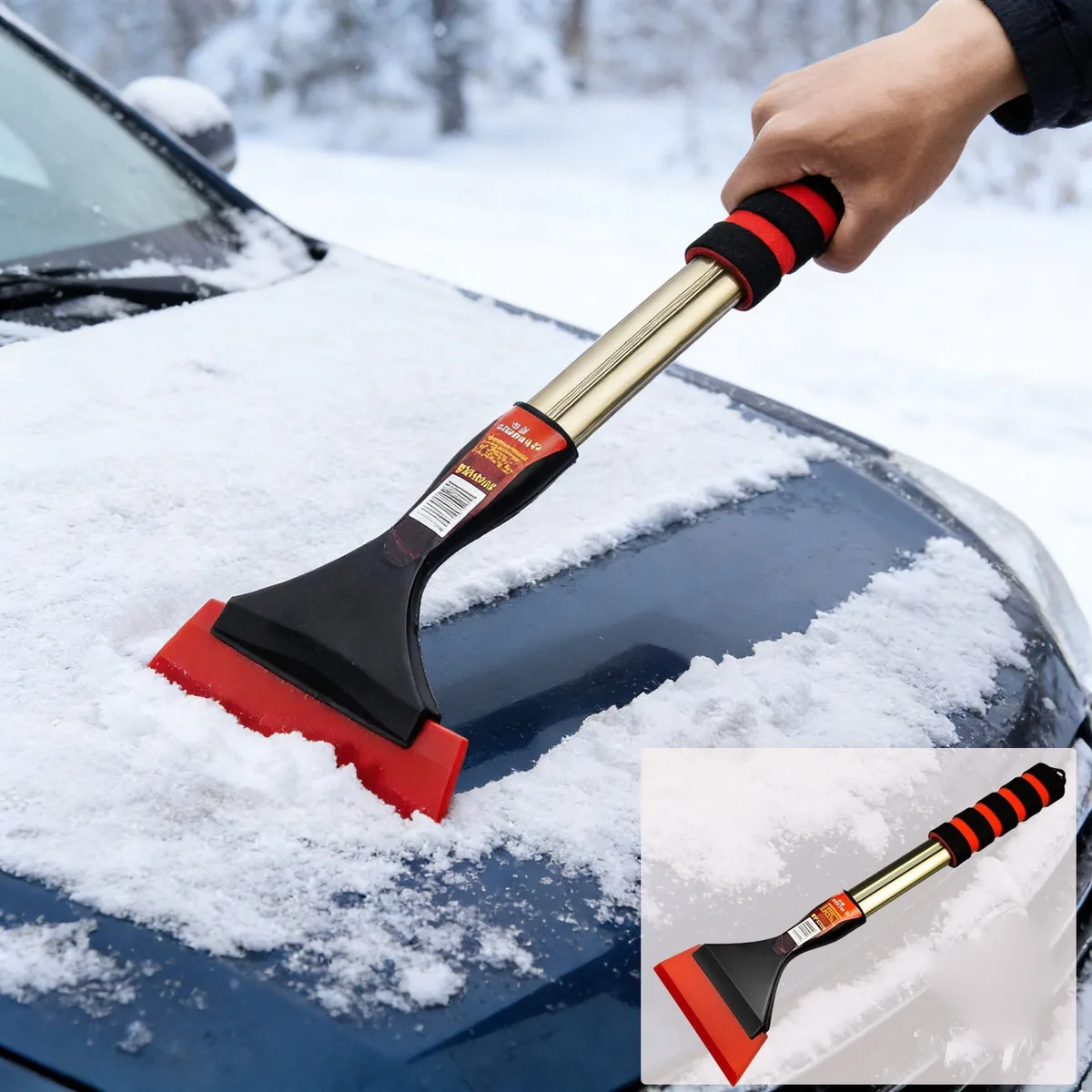
Image source: Bing (Web (fair-use with source credit))
When to Polish, Clay, or Coat Your Glass
Not every cleaning session needs extra steps. Sometimes your glass needs more than a wipe.
Signs you need to clay your glass
If your glass feels rough to the touch after washing, it has embedded contaminants. Road tar, tree sap, and industrial fallout can bond to the surface. A clay bar will lift them.
Lubricate the glass with a mix of water and a few drops of car shampoo. Glide the clay bar gently. You will feel the resistance decrease as the contaminants come off.
When to polish
Polishing is for etched glass. If your windshield has a haze that will not come off with cleaning or claying, you may need a glass polish. Use a dedicated glass polish with a soft foam pad.
Work in small sections. This is a more aggressive step, so start with the least abrasive option.
Rain-repellent coatings
Coatings make water bead and roll off. They improve visibility in rain and make ice removal easier. The downside is that they can cause wiper chatter if not applied perfectly.
Apply the coating only on the driver's side first. Test your wipers. If they chatter, you can remove the coating with isopropyl alcohol.
For ceramic coatings on paint and glass, our breakdown of ceramic washing benefits and costs covers the long-term value.
Plastic Rear Windows and Convertibles: Extra Care
Convertibles and cars with plastic rear windows need special treatment. Plastic scratches easily. It can also craze from UV exposure and harsh chemicals.
Never use ammonia or glass cleaners with abrasives
Ammonia breaks down plastic. So do alcohol-based cleaners with high concentrations. Use a dedicated plastic cleaner designed for convertible windows.
These are typically acrylic-safe and non-abrasive.
How to clean plastic rear windows
Use a soft microfiber towel. Apply the cleaner to the towel, not the plastic. Wipe gently in straight lines.
Do not press hard. For deep scratches, you can use a plastic scratch remover. Test it on a small area first.
UV protection for plastic windows
Colorado's intense sun accelerates yellowing and cracking. Park in the shade or use a sunshade. Some convertible owners apply a UV protectant made for plastic.
Follow the manufacturer's instructions. Do not use wax or silicone-based products on plastic windows. They can cause clouding.
If your plastic window is already yellowed or cracked, replacement may be the only option.
The Costs: DIY vs. Professional Glass Care
You can clean your own glass for about $30. That buys a bottle of ammonia-free cleaner, a pack of microfiber towels, and a clay bar. If you add a rain-repellent coating and a plastic scraper, you are still under $60.
That investment keeps your glass clean for a full year with regular maintenance.
Professional glass detailing runs $50 to $150 per visit. That includes a deep clean, clay bar treatment, and coating application. For most Colorado drivers, DIY is the smarter choice.
The equipment pays for itself in two uses. Only consider professional help if your glass is already etched or if you want a ceramic-grade coating that requires precise application.
Colorado Legal and Safety Quick Check
Colorado State Patrol enforces window tint at 27 percent VLT for front side windows. Medical exemptions require a doctor's note. No metallic or mirrored tint is allowed.
If your tint is too dark or damaged, you risk a citation that also triggers a safety inspection.
For VOC compliance, look for low-VOC or water-based glass cleaners. Colorado's Air Quality Control Commission regulates volatile organic compounds in cleaning products. Most automotive-specific cleaners already comply.
Avoid aerosol sprays where possible. They release more VOCs and often contain propellants that can damage tint.
Appendix: At-a-Glance Reference
Best cleaner types by surface:
- Tinted windows: ammonia-free automotive glass cleaner
- Untinted glass: any automotive glass cleaner or vinegar/alcohol mix
- Plastic rear windows: dedicated acrylic-safe plastic cleaner
Seasonal glass care for Colorado:
- Winter (Nov to Apr): rinse salt daily, use plastic scraper, clean weekly
- Spring (Mar to May): remove pollen and dust, clay bar if rough
- Summer (Jun to Sep): clean bug guts promptly, coat for rain
- Fall (Oct to Nov): prep for winter, remove sap and tree debris
Quick checklist for every cleaning:
- Park in shade
- Use distilled water for mixing
- Spray cleaner on towel, not glass
- Wipe straight lines
- Buff dry immediately