ByMax Lee
Guide to Car Goods Cleaning Glass
You've probably grabbed a bottle of household glass cleaner and a paper towel before, figuring car glass is just another window. But it's not. That approach can leave streaks, hazy film, or even scratch the glass over time.
And on a windshield, scratches and haze directly affect visibility. Car goods cleaning glass is its own category with different rules, tools, and risks than cleaning your home's windows.
Manufacturer specs for modern automotive glass coatings show that ammonia-based household cleaners can degrade those coatings over repeated use. Per SAE International testing standards, even a single application of an ammonia-heavy cleaner can start to weaken the hydrophobic layer on a factory-treated windshield. That's why we're going to walk through the right way to do it, starting with the actual risks involved.
Why Car Glass Cleaning Isn't Like Wiping a Window at Home
Your car's glass is not the same as your kitchen window. Automotive glass is typically treated with a multi-layer coating that includes a hydrophobic (water-repelling) layer on the outside and sometimes an anti-glare coating on the inside. These improve visibility in rain and reduce glare from oncoming headlights at night.
When you use a household glass cleaner with ammonia, you're stripping those coatings. The ammonia breaks down the chemical bonds holding the hydrophobic layer to the glass. After a few cleanings, water no longer beads up and rolls off.
Instead, it sheets across the glass, making it harder to see through in light rain. You'll also get more fogging on the interior because the anti-fog treatment has been compromised.
The other major difference is the cleaning tool. A paper towel leaves lint and tiny fibers embedded in the glass. Those fibers create micro-scratches when you wipe.
Over a few months, the glass starts to look hazy, especially at night when light catches those tiny scratches. A dedicated microfiber towel with a high GSM (300-400) is the right tool.
The Hidden Risks: What Can Go Wrong (and Why It Matters for Safety)
Streaking That Impairs Night Vision
Streaks are the most common complaint. They happen when the cleaner dries too fast or the towel is too dirty. Those streaks scatter light at night, creating a halo effect around oncoming headlights.
Per NHTSA guidelines, even a small reduction in visual acuity at night increases stopping distance by roughly 6-8 feet at 40 mph.
Scratches That Create a Permanent Haze
If you use a dry towel or a paper towel to wipe a dusty windshield, you're grinding dust particles into the glass. Over a few months, this creates a network of micro-scratches that look like a fine fog. Once they're there, you can't just clean them away.
You need a glass polishing compound, which is an abrasive process that can only be done a few times before the glass starts to thin.
Degradation of Tint and Coatings
If you have tinted windows, you're at risk of delaminating the tint film. Many window tint manufacturers, including those that meet IWFA standards, explicitly warn against using ammonia-based cleaners. The ammonia attacks the adhesive layer that holds the tint to the glass.
You'll see bubbling, peeling, or a purple-ish discoloration over time. The only fix is to have the tint stripped and reapplied.
Hard Water Spots That Are Permanent
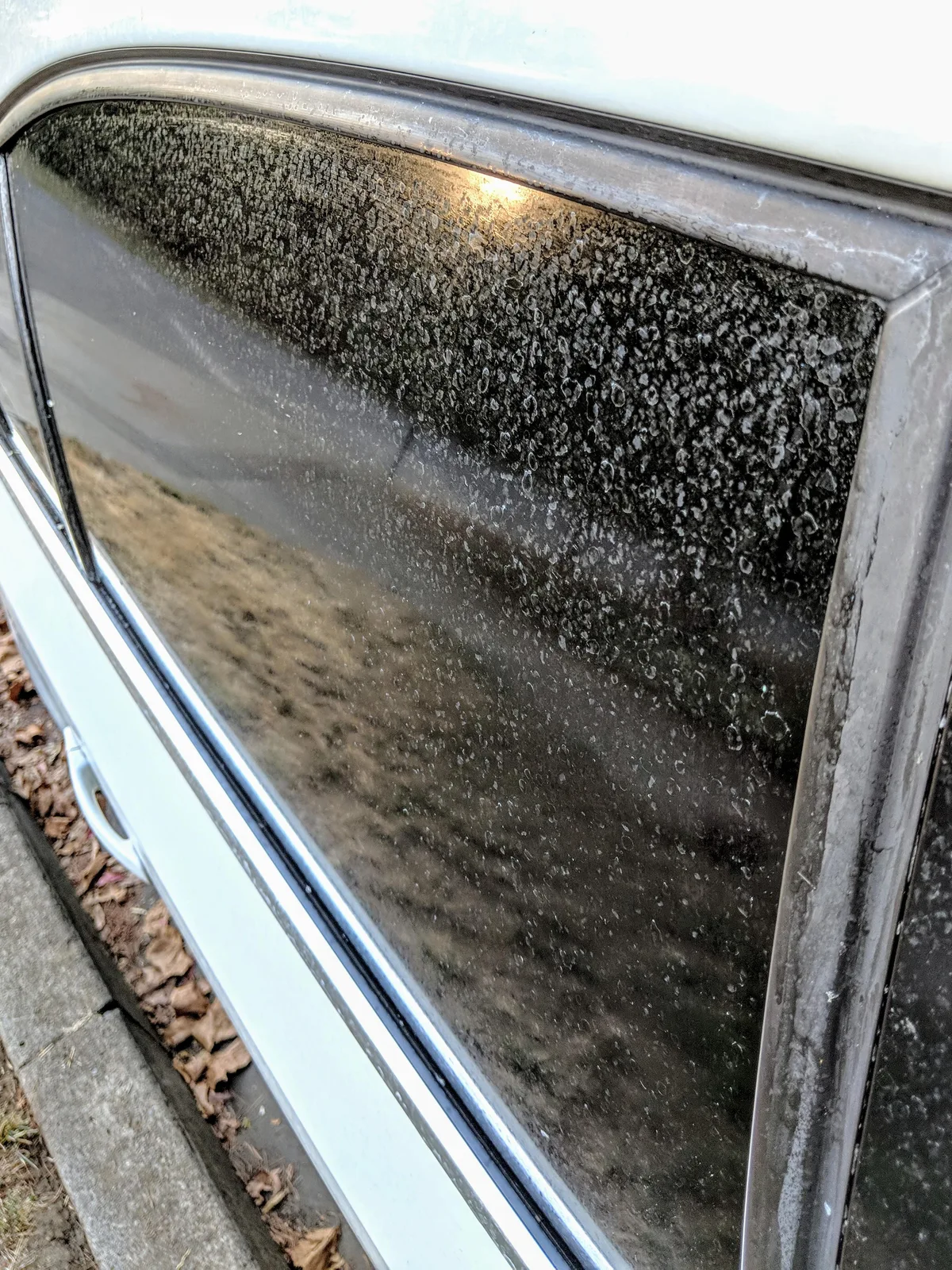
Hard water spots happen when you wash your car and let the water dry on the glass. The minerals in the water leave behind white, chalky deposits that don't come off with normal glass cleaner. You need an acid-based water spot remover (pH 2-3) to dissolve them.
If you let them sit too long, they can etch into the glass, creating a permanent rough surface.
Core Gear: The Only Products and Tools You Should Trust
Cleaners: Ammonia-Free and Safe for Tint
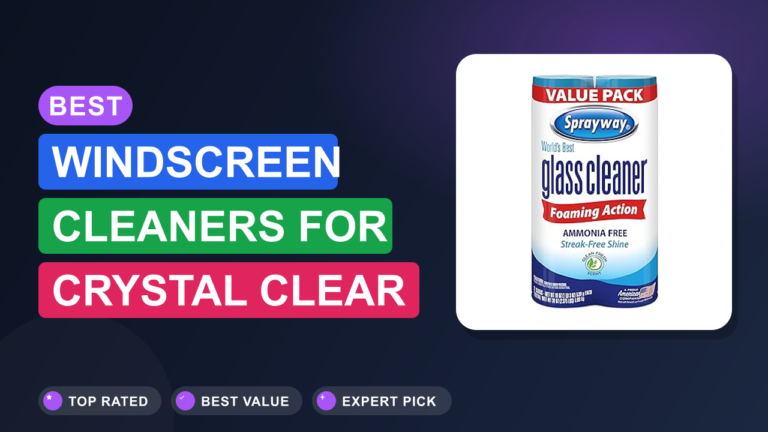
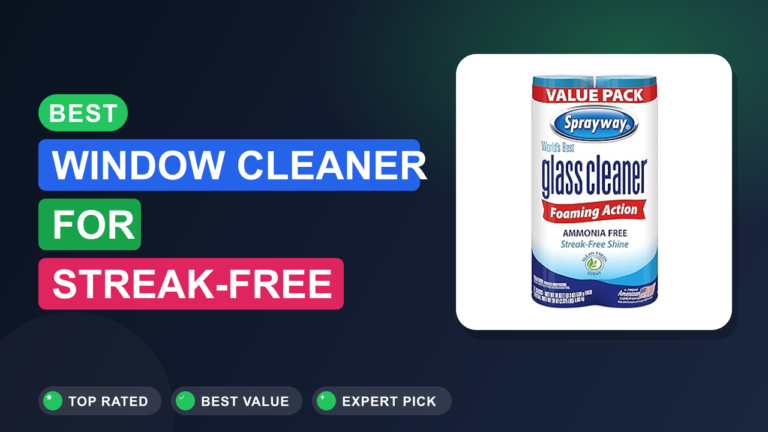
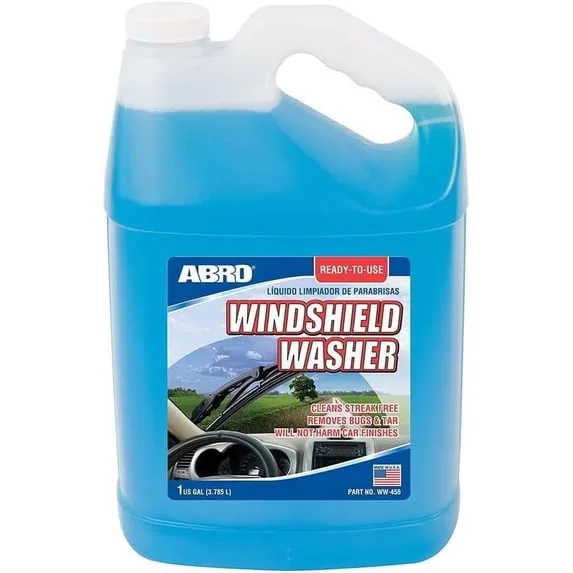
Your starting point is the cleaner itself. It must be labeled "ammonia-free" or "safe for tinted windows." The good ones contain isopropyl alcohol (about 5-10 percent), water, and a small amount of surfactant. The alcohol evaporates quickly, leaving no residue.
The pH is neutral (7-8), so it won't attack coatings. Aggregate user reviews on automotive forums indicate the most reliable option is a dedicated glass cleaner, not a multi-surface spray.
Towels: GSM, Lint, and Why One Towel Isn't Enough
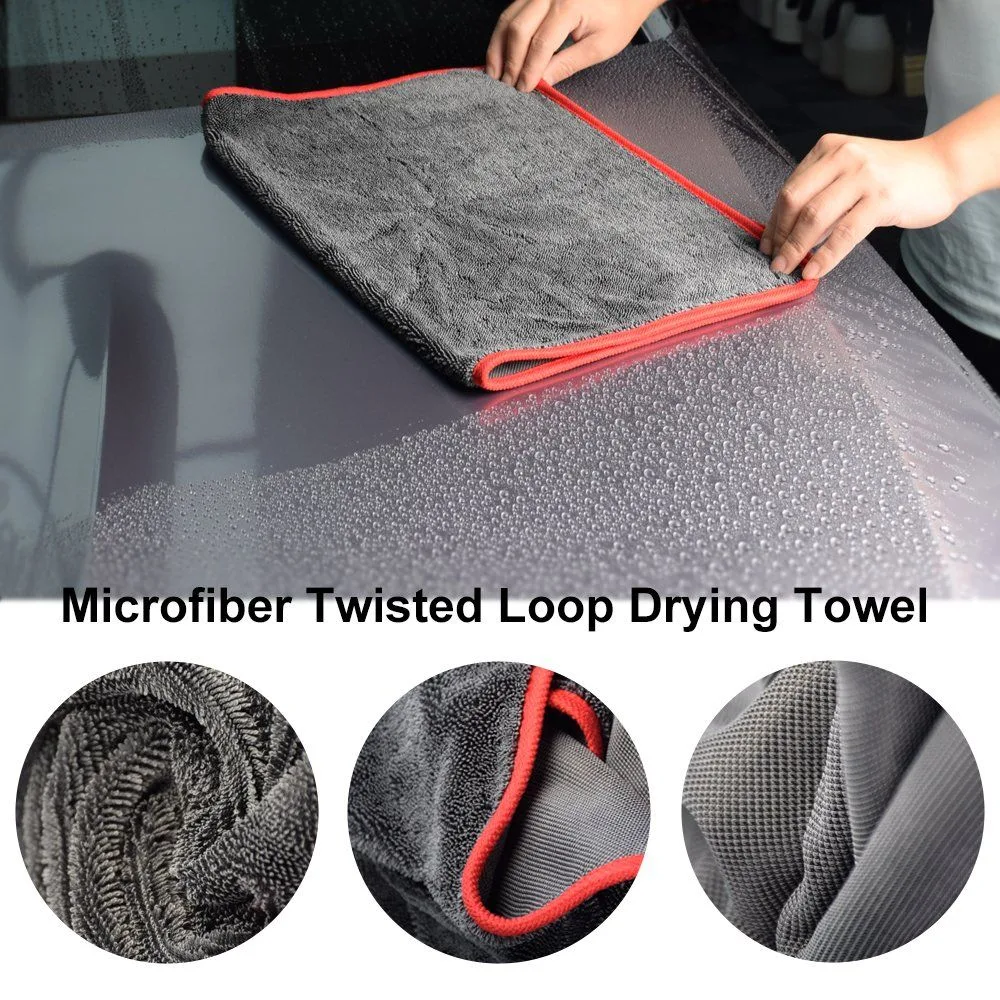
A quality glass-dedicated microfiber should be 300-400 GSM. Lower GSM is too thin and can scratch. Higher GSM is too plush and can leave fibers behind.
You need two towels: one damp for applying the cleaner, one dry for buffing. This is the only way to get truly streak-free glass.
Coatings: Rain Repellents, Ceramics, and Anti-Fog
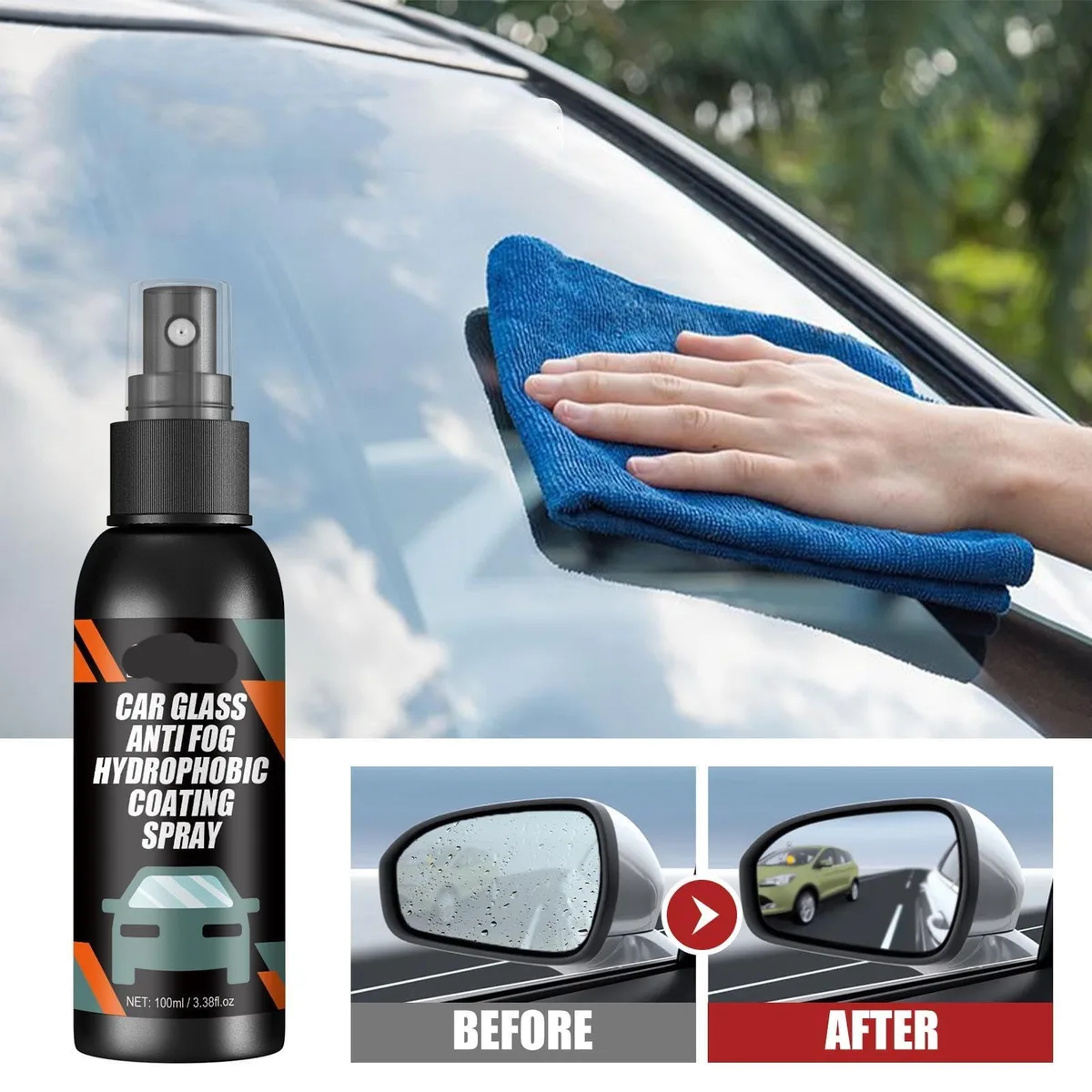
A hydrophobic spray creates a water-repelling layer that makes rain bead up and roll off. The contact angle should be at least 110 degrees. A ceramic glass coating lasts 6 months to 2 years but costs more and requires a cleaner surface to bond.
An anti-fog treatment prevents fog on the interior glass and is especially important in humid climates.
Water Spot Removers and Polishes
A water spot remover is an acid-based product (pH 2-3) that dissolves mineral deposits. Apply it, let it sit for 30-60 seconds, then rinse. For light scratches, use a glass polishing compound.
This is an abrasive process and one that most people should only attempt if they're willing to spend time.
Step-by-Step: How to Clean Car Glass Without Streaks or Scratches
Pre-Wash Preparation: Remove Loose Grit First
The single most important step is removing loose dirt before you touch the glass with a towel. Rinse the glass with water first. If you're cleaning the outside of the car, do this after you've washed the paint.
For interior glass, use a blower or soft brush to remove dust from the window sills.
The Two-Towel Method
Dampen one microfiber towel with your ammonia-free glass cleaner. Just two to three sprays per panel. Wipe with a horizontal motion on the inside and a vertical motion on the outside.
This helps you identify which side has a streak. Use a dry, clean microfiber to buff to a streak-free finish. Wipe in a single direction.
Check for streaks with a bright light.
Handling Hard Water Spots and Bonded Grime
Apply the water spot remover to the glass and let it sit for 30-60 seconds. Use a plastic scraper to gently remove any remaining spots. Rinse thoroughly with water.
Applying Hydrophobic or Anti-Fog Treatments
Apply the coating after the glass is perfectly clean and dry. Spread it with the provided applicator and let it cure according to the product's instructions (usually 30-60 seconds). Buff off with a clean, dry microfiber.
For anti-fog treatments on the interior, apply a thin layer, let dry for 30 seconds, then buff off.
Common Mistakes That Ruin Your Glass (and How to Avoid Them)
The number one mistake is using a dirty towel. If you've used a microfiber to dry your car's paint or wipe up wax, it's now contaminated. The residue gets transferred to the glass.
You'll see a hazy film that won't come off. Have dedicated glass towels only.
Cleaning in direct sunlight causes the cleaner to evaporate before it lifts the dirt. You get streaks. Work in the shade or early morning.
If you have to clean in the sun, work on small sections at a time.
More cleaner is not better. One or two sprays per pane is enough. A single towel used for both cleaning and buffing just moves dirt around.
The two-towel method is not negotiable.
When to Call a Pro (And When DIY Is Fine)
Most of what we've covered is DIY. The only time you need a pro is for deep scratches you can feel with your fingernail, bonded hard water spots that have been there for months, tint delamination, or a full glass coating that requires machine polishing.
Cost & Value: What You'll Actually Spend on Quality Gear
A good ammonia-free glass cleaner runs $6 to $12 for a 12-ounce bottle. A pair of quality 300-400 GSM microfiber towels costs $10 to $15. A hydrophobic spray coating adds $15 to $25.
Water spot removers are roughly $10 to $20. You're looking at $40 to $70 for a complete starter kit that lasts months. That's less than a single professional glass polish.
Product Comparison: Spray Cleaners, Wipes, and Concentrates
Spray cleaners are the standard. They work well for regular cleaning and cost about $0.15 to $0.30 per use. Stick with these for routine maintenance.
Pre-moistened wipes are convenient for quick touch-ups. They cost $0.50 to $1.00 per wipe and can leave fibers behind. Use these for travel only.
Concentrates offer the best value at roughly $0.05 per use. You need a spray bottle and must follow the dilution ratio precisely.
Avoid all-in-one wipes that claim to clean both glass and plastic. The formula is often a compromise and may leave a film on glass.
Maintenance Schedule: How Often to Clean and Re-Coate
Clean your glass every two to three weeks under normal driving. Re-apply hydrophobic coatings every two to three months. A ceramic coating lasts 6 to 12 months.
In dusty areas or hard water regions, you may need monthly cleaning and a water spot remover session every quarter.
FAQs: Tinted Windows, Foggy Glass, and Etch Marks
How do I clean tinted windows safely?
Use only ammonia-free glass cleaner and a soft microfiber. Never scrub hard. If your tint is already peeling, skip the spray and have it professionally removed.
Why does my glass fog up on the inside after cleaning?
You likely left a residue from too much cleaner or a dirty towel. Apply a dedicated anti-fog treatment after a streak-free clean.
Can I use water spot remover on tinted glass?
No. Acid-based water spot removers can damage the tint film. Use it only on non-tinted exterior glass.
Your Actionable Decision Guide
If you want quick, safe results without damage, use ammonia-free cleaner and the two-towel method every time. If you want long-term protection, add a hydrophobic coating after cleaning. If you have hard water spots, treat them with a dedicated remover before they etch.
Stick to this routine, and your car glass stays clear, safe, and scratch-free for years.