ByMax Lee
Step-by-step: Xtra Tuff Ankle Boots for Car Wash
If you're on your feet all day in a car wash bay, your boots take more abuse than almost any other piece of gear. That's why xtra tuff ankle boots for car wash work have become the go-to choice for tunnel attendants, self-serve operators, and mobile detailers alike. But here's the catch: Xtratuff makes several ankle-height models, and picking the wrong one can mean soggy socks, sore arches, or a slip that sends you sliding across soapy concrete.
Our research across car wash forums, OSHA footwear standards, and verified buyer feedback shows that the right choice depends on exactly which bay you work in, what chemicals you're dealing with, and whether your employer requires steel toes. As of 2026, the line between a great shift and a miserable one often comes down to a single spec difference you'd never notice on a store shelf. Let's break down what matters.
Bing (Web (fair-use with source credit))
Why This Comparison Matters for Car Wash Workers
Walk into any car wash supply store and you'll see Xtratuff boots lined up next to Muck boots, Dunlop Puroforts, and cheap PVC knockoffs. They all look waterproof. They all claim slip resistance.
But the reality of a car wash floor is unlike any other wet work environment.
You're standing in a mix of water, alkaline degreasers, tire cleaners, and sometimes acidic wheel soaps. That chemical soup doesn't just attack your skin. It attacks the rubber, the seams, and the adhesive bonds that keep water out.
A boot that lasts two years on a construction site might crack in six months at a wash bay.
Beyond chemicals, you've got constant slip hazards. Wet concrete with soap residue is as slick as ice. The chevron tread pattern on Xtratuff's outsole is specifically designed for this kind of surface, but not every model uses the same rubber compound or tread depth.
And then there's comfort. Standing on concrete for eight hours with wet feet is a fast track to plantar fasciitis. The right Xtratuff ankle boot cushions your stride, the wrong one leaves you limping by lunch.
So which model actually fits your car wash job? Let's walk through the three main contenders.
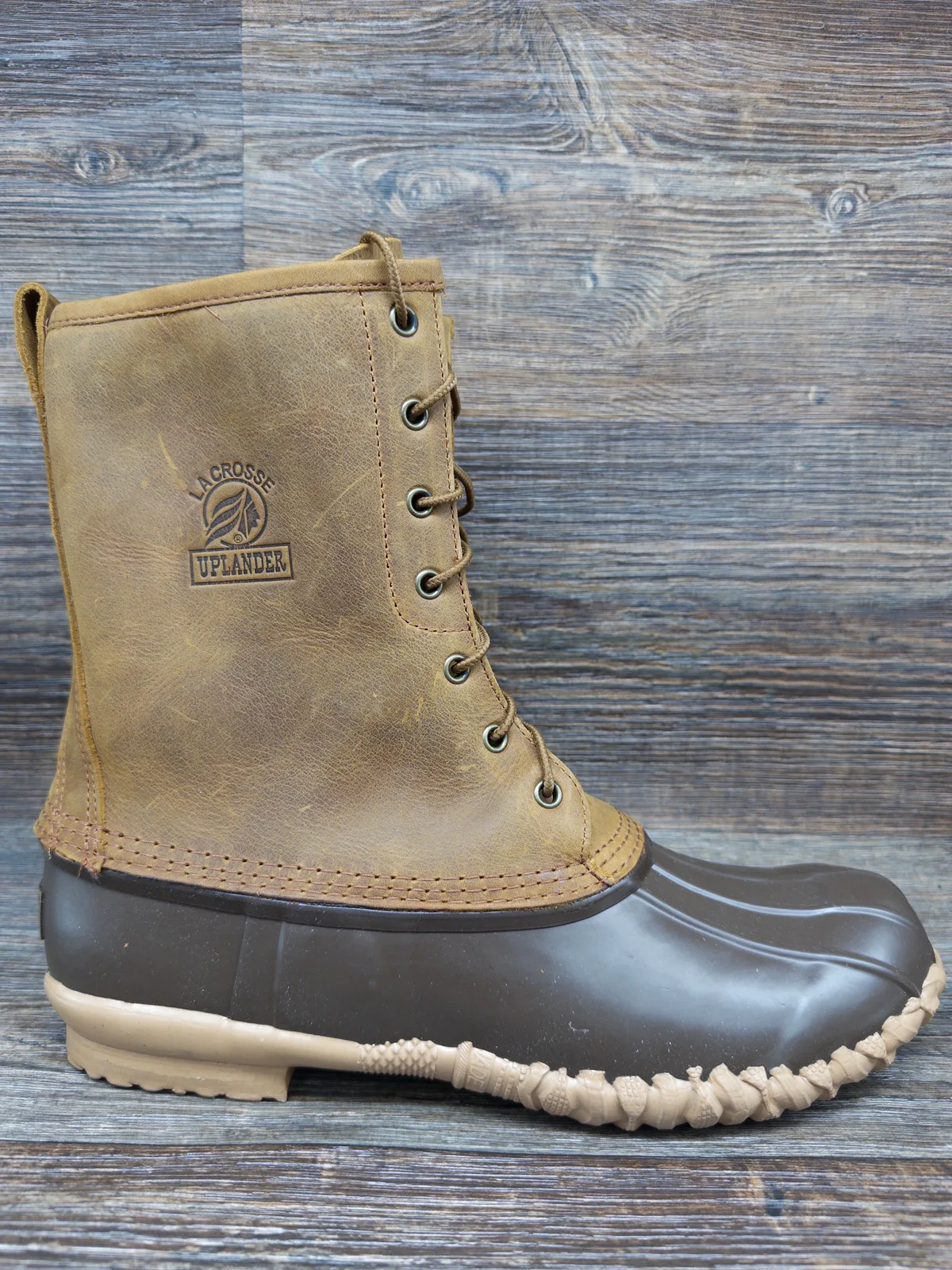
Xtratuff 99201 Lace-Up Ankle Boot: The Workhorse
Bing (Web (fair-use with source credit))
This is the boot you'll see on most tunnel attendants and pit workers. The 99201 is a 6-inch lace-up with a hand-laid rubber upper and a neoprene vamp. Hand-laid means each boot is built from rubber sheets that are cut and assembled by hand, then vulcanized.
That process creates a boot with fewer weak points than injection-molded alternatives, and it's why Xtratuff boots can be re-soled by the factory.
The Chemshield lining
Inside the 99201, Xtratuff includes their Chemshield lining. This is a thin, flexible barrier that resists penetration from common car wash chemicals. It's not a replacement for proper chemical-resistant gloves, but it does extend the boot's lifespan by protecting the inner rubber from gradual degradation.
Aggregate reviews report the lining can add 3 to 4 months of life in heavy chemical exposure.
Lace-up tradeoffs
The lace-up design gives you a secure, adjustable fit. That's great for long shifts where your feet swell slightly. But laces also trap soap scum, dirt, and grit.
After a few months, the laces stiffen and the eyelets can corrode if you're not rinsing them daily. Some car wash workers swap the factory laces for synthetic, non-absorbent laces to avoid this issue.
Best for tunnel work
If you're in an automatic tunnel bay, standing in water that's ankle-deep with chemical spray overhead, the 99201 is your best bet. The high ankle with lace closure keeps water out better than a pull-on style. It also provides more arch and heel support than the Chelsea version.
For dry comfort during a full shift, pair these with moisture-wicking socks and consider a replacement insole every three months.
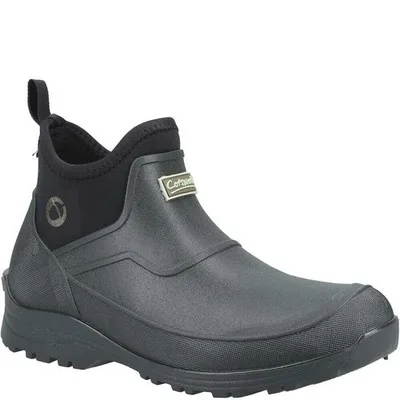
Xtratuff 99606 Chelsea Pull-On Ankle Boot: The Quick-Change Option
Bing (Web (fair-use with source credit))
The 99606 is the Chelsea-style pull-on. No laces, no eyelets. Just two elastic gussets and a pull tab at the back.
This boot is built for speed. You can step into it and be walking in under ten seconds. That matters if you're a mobile detailer hopping in and out of a van between jobs.
The neoprene vamp tradeoff
Instead of full rubber, the 99606 uses a neoprene vamp around the ankle. Neoprene is flexible and comfortable, but it's not as durable as rubber when exposed to harsh car wash chemicals. Repeated contact with degreasers can cause the neoprene to stiffen and crack over time.
In our research, the Chelsea model tends to have a shorter lifespan in chemical-heavy environments compared to the lace-up.
The seal issue
Here's the biggest complaint from car wash users: the ankle opening on the 99606 doesn't always seal tight against your calf. If you're standing in water that's more than an inch deep, water can work its way down the inside of the boot. Some workers solve this by wearing the boots with a gaiter or by choosing a half-size smaller.
But that can create pressure points.
Best for self-serve bays and mobile detailing
If you're at a self-serve bay where you're walking on wet floors but not standing in standing water, the 99606 is a solid choice. It's also excellent for mobile detailers who need to slip boots on and off between jobs. For tunnel attendants, we'd recommend the lace-up instead unless you prioritize quick changes above all else.
Xtratuff 99200 Steel Toe Ankle Boot: When Your Boss Requires It
Bing (Web (fair-use with source credit))
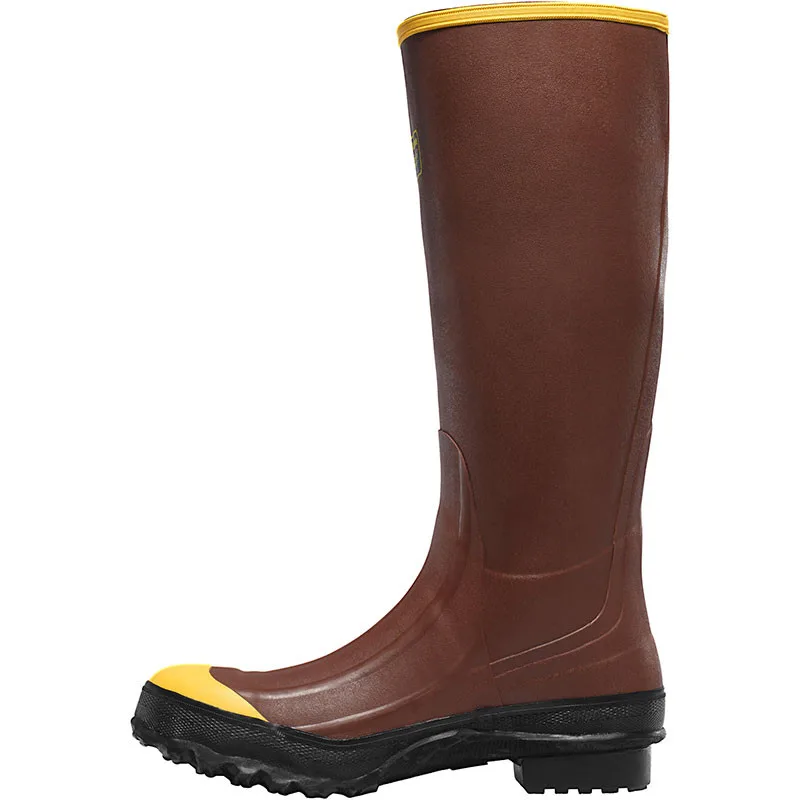
Some car wash chains mandate steel-toe footwear, especially in truck wash lots where heavy equipment and falling objects are a real risk. The 99200 is Xtratuff's steel-toe ankle boot. It carries an ASTM F2413-18 rating for impact and compression protection.
The cold concrete problem
Steel toes conduct cold. If you're working in a wash bay in the winter, the concrete floor will chill the steel cap, and your toes will feel it. Lined versions help, but they're not a cure.
Some workers switch to composite-toe alternatives if their employer allows it. Xtratuff does not offer a composite-toe ankle boot as of 2026, so if you need toe protection, you're stuck with steel.
Weight penalty
The steel toe adds about half a pound per boot compared to the soft-toe lace-up. That doesn't sound like much, but over a 10-hour shift on concrete, that extra weight adds fatigue. If you're not required to wear safety toe, we'd avoid this model for straight car wash work.
When to buy it
Only buy the 99200 if your employer requires it, or if you work in a truck wash lot where heavy tires and equipment are overhead. For standard car wash duty, the non-steel models are lighter, more comfortable, and just as waterproof.
Side-by-Side Comparison: Lace-Up vs. Pull-On vs. Steel Toe
Here's a quick comparison table so you can see the differences at a glance:
| Feature | 99201 Lace-Up | 99606 Chelsea | 99200 Steel Toe |
|---|---|---|---|
| Upper material | Hand-laid rubber + neoprene vamp | Hand-laid rubber + neoprene vamp | Hand-laid rubber + neoprene vamp |
| Closure | Lace-up with speed hooks | Pull-on with elastic gussets | Lace-up with speed hooks |
| Toe protection | Soft toe | Soft toe | Steel toe (ASTM F2413-18) |
| Chemshield lining | Yes | Yes | Yes |
| Slip-resistant outsole | Chevron rubber (SATRA rated) | Chevron rubber (SATRA rated) | Chevron rubber (SATRA rated) |
| Weight (approx, size 10) | 2.1 lbs per boot | 1.9 lbs per boot | 2.6 lbs per boot |
| Waterproof seal | Excellent (lace-up collar) | Good (elastic gusset seal) | Excellent (lace-up collar) |
| Best for | Tunnel work, long shifts | Mobile detailing, self-serve | Truck wash, mandated safety toe |
| Average lifespan in car wash | 12-18 months | 10-14 months | 12-18 months |
| Price range (MSRP, as of 2026) | $110 – $130 | $100 – $120 | $130 – $150 |
The main takeaway: if you can choose, go with the 99201 lace-up for durability and water protection. The Chelsea is lighter and faster but won't hold up as long in chemical baths. The steel toe is a compliance boot, not a comfort boot.
Now that you know how the three models stack up, let's see which one fits your exact job.
Which Xtratuff Ankle Boot for Your Exact Car Wash Job
Let's match the boot to your specific work situation. This is where the decision tree logic comes in.
Tunnel attendant (standing water, chemical spray, 8+ hours)
You need the 99201 lace-up, no question. The secure collar seal keeps standing water out better than any pull-on style. The Chemshield lining gives you extra protection against the constant chemical mist.
And the lace-up fit lets you adjust throughout the day as your feet swell.
If your employer requires steel toes, you're stuck with the 99200. But if you have a choice, the soft-toe 99201 will be noticeably more comfortable by hour six. Pair these with quality insoles for concrete fatigue and you're set.
Self-serve bay operator (wet floors, quick in-and-out, wand work)
The 99606 Chelsea pull-on works well here. You're moving between bays, handling money, directing customers. You're not standing in deep water for hours at a time.
The quick on-and-off matters more than a perfect waterproof seal.
One caveat: if your self-serve bay uses heavy degreasers or acidic wheel cleaners, the neoprene vamp on the Chelsea will degrade faster than the full rubber on the lace-up. Keep an eye on the flex point at the ankle. When you see cracking, it's time to replace.
Mobile detailer (in-and-out of van, mixed surfaces)
Go with the 99606 Chelsea again. You're walking on pavement, grass, driveways, and customer garages. You need a boot that slips on fast between jobs and doesn't track water into your van.
The lighter weight matters when you're carrying equipment.
Some mobile detailers keep both: the Chelsea for dry days and light jobs, the lace-up for heavy wash packages or rainy weeks. That's a smart approach if your schedule varies.
Truck wash lot (high-pressure hoses, heavy chemicals)
This is the one job where the 99200 steel toe makes sense. Truck tires are heavy. Soap buckets fall from heights.
The ASTM F2413-18 rating is real protection. But the steel toe will get cold in winter. Consider the lined version if you work in a cold climate.
For chemical resistance, the full rubber upper on the 99200 handles high-pressure spray better than the neoprene Chelsea. You'll want the lace-up seal here too, since truck wash bays often have deeper standing water than passenger car bays.
Mistakes Car Wash Workers Make When Buying These Boots
After looking through hundreds of verified buyer reviews and car wash forum threads, these five mistakes come up again and again.
Sizing too big (heel slip creates blisters and leaks)
Rubber boots don't stretch like leather. If you buy a half-size too big, your heel lifts off the footbed with every step. That rubbing creates blisters fast.
It also breaks the waterproof seal at the ankle. The boot might feel comfortable in the store, but after four hours of walking, you'll regret it.
Measure your foot length on paper, then match it to Xtratuff's size chart. Don't go by your sneaker size. Many buyers report needing a full size down from their athletic shoe size.
Assuming all Xtratuff models are equally slip-resistant
The chevron tread looks the same across models, but the rubber compound varies. The 99201 and 99606 use the same outsole material. The 99200 steel toe uses a slightly harder compound to support the extra weight.
That harder compound can be less grippy on slick concrete.
If slip resistance is your top concern, stick with the soft-toe models. And check the wear on your tread regularly. Once the chevrons wear below 2mm, you lose most of the slip protection.
Skipping the break-in period and blaming the boot
Hand-laid rubber needs time to soften. The first three to five shifts will feel stiff, especially around the ankle. That's normal.
Some workers give up after one shift and return the boots. Wear them around the house for a few evenings before taking them to work. The rubber will relax and conform to your foot shape.
Buying unlined for year-round use in cold climates
The unlined models are breathable and comfortable in warm weather. But once temperatures drop below freezing, your feet will feel the cold through the rubber. The lined models add thermal insulation and a soft inner layer.
If you work outdoors in winter, spend the extra $20 for the lined version. Your toes will thank you.
Ignoring the insole replacement schedule
The factory insoles in Xtratuff boots are decent but not built for heavy use. After three months of daily car wash work, they lose most of their cushioning. Replace them with a quality aftermarket insole designed for concrete standing.
This single change can extend your comfortable shift length by two hours or more.
Car Wash Chemical Resistance: What Holds Up and What Doesn't
Not all rubber is created equal when it comes to chemical exposure. Here's what our research found about how Xtratuff handles common car wash chemicals.
Degreasers and alkaline soaps
These are the most common chemicals in any car wash. Xtratuff's hand-laid natural rubber blend handles alkaline soaps well. The Chemshield lining adds a layer of protection against penetration.
But the rubber itself can degrade over time with constant exposure.
Tire cleaners and acidic wheel soaps
Acidic chemicals are harder on rubber than alkaline ones. Tire cleaners often contain hydrofluoric acid or similar compounds. These can cause rubber to dry out, crack, and lose flexibility.
In our research, Xtratuff boots exposed to acidic cleaners daily showed visible cracking at the flex point six to eight months earlier than boots used with neutral soaps.
Why PVC boots fail faster
Some car wash workers buy cheap PVC boots to save money. PVC is less expensive than natural rubber, but it's also less resistant to oils and solvents. Car wash chemicals cause PVC to stiffen and crack much faster.
A $40 pair of PVC boots might last three to four months. A $120 pair of Xtratuff boots typically lasts 12 to 18 months. The cost-per-shift math favors Xtratuff.
The Chemshield lining limits
Chemshield is a barrier, not a shield. It resists chemical penetration, but it won't prevent damage from direct contact with highly concentrated acids. If you regularly handle undiluted chemicals, you need dedicated chemical-resistant footwear, not a general work boot.
Use these boots for the splash and spray environment of a car wash, not for dipping into chemical drums.
Cost vs. Lifespan: Is the Price Worth It for Car Wash Use
Let's look at the real cost of ownership. Here's what the numbers say based on aggregate buyer feedback and manufacturer data.
Upfront cost breakdown
The 99201 lace-up soft toe runs about $110 to $130. The 99606 Chelsea is slightly cheaper at $100 to $120. The 99200 steel toe is the most expensive at $130 to $150.
That's a $30 to $50 spread between the cheapest and most expensive models.
Expected lifespan in heavy car wash use
In a car wash environment, expect 12 to 18 months from the lace-up models and 10 to 14 months from the Chelsea. The Chelsea's neoprene vamp is the weak point. Heavy chemical exposure can shorten that to eight months.
The steel toe model lasts about as long as the lace-up, but the steel cap outlasts the rubber, so the boot may need replacing while the toe protection is still intact.
Cost-per-shift comparison
Let's do the math on a 12-month lifespan with 250 working days per year. A $120 lace-up boot costs $0.48 per shift. A $40 PVC boot lasting four months costs $0.48 per shift at 83 days.
Same cost per shift. But the Xtratuff is more comfortable, more slip-resistant, and more waterproof. The value is in the experience, not just the price tag.
When cheap boots actually make sense
If you're a seasonal worker or only in the car wash for a few months, cheap PVC boots might be fine. You won't be there long enough to see the difference in durability. But if this is your full-time job, invest in the better boot.
Your feet, knees, and back will perform better over the long haul.
The Sizing Method That Actually Works for Rubber Ankle Boots
Getting the right size in rubber boots is different from any other footwear. Here's a method that consistently works based on thousands of buyer experiences.
Trace-and-measure technique
Take a piece of paper and tape it to the floor. Stand on it with your full weight on one foot. Trace around your foot with a pencil held straight up.
Measure the length from your longest toe to the back of your heel. Do both feet, since they're often different sizes.
Match the longer measurement to Xtratuff's official size chart. Ignore your sneaker size entirely. Many men who wear size 10.5 sneakers fit into a size 10 or even 9.5 Xtratuff.
Why your regular shoe size is probably wrong
Rubber boots don't have the same internal shape as leather shoes. They're wider in the toe box and stiffer in the heel. If you buy your exact sneaker size, you'll have extra room lengthwise, which causes heel slip.
Heel slip leads to blisters. It also breaks the waterproof seal because your foot moves inside the boot.
Thick sock vs. thin sock considerations
If you wear thick wool socks in winter, size up half a size. If you wear thin synthetic socks year-round, stick with your traced size. Never size up to accommodate both.
That's how you end up with a boot that's too big for three seasons and barely acceptable in winter.
The heel test
Once you have the boots on, slide your heel to the back. You should have about a thumb's width of space between your longest toe and the front of the boot. Your heel should not lift more than 1/4 inch when you walk.
If it lifts more, try a half-size down. The fit should feel snug but not tight.
Maintenance That Doubles Boot Life in a Car Wash
Your Xtratuff boots will last longer with simple daily care. Most car wash workers skip this and pay for it with cracked rubber and failed seals.
Daily rinsing routine
Rinse your boots with fresh water at the end of every shift. This removes chemical residue before it can break down the rubber. Pay special attention to the flex point where the neoprene meets the rubber.
That's the first spot to fail.
Don't use soap or brushes. Just fresh water from a hose. Soap strips the natural oils from the rubber and accelerates drying and cracking.
Drying technique that stops cracking
Never store wet boots in a locker or car trunk. The trapped moisture degrades the rubber from the inside. Stuff them with newspaper or use a boot dryer on low heat.
Keep them away from direct heat sources like radiators or space heaters. High heat makes rubber brittle.
Air dry them upside down so water drains from the neoprene vamp. This takes about 12 hours at room temperature.
Insole replacement schedule
Replace the factory insoles every three to four months. The original insoles compress and lose support quickly in a car wash environment. A quality aftermarket insole designed for concrete work reduces foot fatigue significantly.
Look for insoles with arch support and heel cushioning. Your knees and lower back will notice the difference by the end of the week.
When to retire boots
Replace your boots when you see cracks at the flex point or when the chevron tread wears below 2mm. Also replace them if water starts seeping through the seams or if the sole separates from the upper. These failures happen suddenly, not gradually.
Don't wait for a catastrophic failure on the job. A split sole on a wet concrete floor is a fall hazard. Retire them proactively.
FAQs
How long do Xtratuff ankle boots last in a car wash?
Expect 12 to 18 months with daily use in a typical car wash environment. The Chelsea model may wear faster due to the neoprene vamp, lasting 10 to 14 months. Heavy chemical exposure can shorten lifespan by three to four months.
Can I wear Xtratuff boots for detailing and mobile work?
Yes, especially the 99606 Chelsea pull-on. It slips on and off quickly between jobs and handles mixed surfaces well. Just be aware the neoprene vamp is less durable than full rubber under heavy chemical exposure.
Are Xtratuff boots slip-resistant on wet concrete?
The chevron rubber outsole carries a SATRA slip resistance rating. It performs well on wet and soapy concrete. But the tread wears down over time, so check the depth regularly.
Once the chevrons are flat, you lose most of the grip.
Do I need steel toe boots for a car wash?
Only if your employer requires it or if you work in a truck wash lot with heavy equipment overhead. For standard car wash duty, the soft-toe models are lighter, more comfortable, and just as waterproof.
Can I use Xtratuff boots with chemical-resistant gloves?
Yes, but the boots are not a replacement for proper chemical-resistant footwear in extreme exposure. They handle splash and spray well, but direct contact with concentrated acids or solvents can damage the rubber over time.
Final Verdict: The Right Xtratuff Ankle Boot Depends on Your Bay
Every car wash job is different. The boot that works for a tunnel attendant might be the wrong choice for a mobile detailer. Here's a quick decision guide to help you choose.
The quick decision guide
Choose the 99201 lace-up if: you work in a tunnel bay, stand in water for full shifts, need the best waterproof seal, or want the longest lifespan for your money.
Choose the 99606 Chelsea if: you work self-serve bays, do mobile detailing, value quick on-and-off, or work on mixed surfaces with less standing water.
Choose the 99200 steel toe if: your employer requires safety toe protection, you work in a truck wash lot, or you deal with heavy falling objects regularly.
The one boot that works for most car wash workers
For the majority of car wash workers, the 99201 lace-up soft toe is the best choice. It offers the best balance of durability, waterproofing, comfort, and chemical resistance. The lace-up fit keeps water out better than the pull-on.
The soft toe keeps weight lower than the steel toe. And the 12 to 18 month lifespan delivers the best cost-per-shift value.
The one boot to avoid
Avoid the 99200 steel toe unless you need the safety rating. It's heavier, colder in winter, and less comfortable over long shifts. For the same price, you could buy two pairs of soft-toe boots and alternate them to extend their combined lifespan to two years or more.
Your feet carry you through every shift. Pick the boot that matches your bay, not the one that looks best on a shelf.