ByMax Lee
Everything About Femmekin Car Wash Water Gun
You're standing in the driveway, bucket of soapy water at your feet, hose in hand. You squeeze the trigger and get a weak, uneven spray that barely knocks the bugs off your bumper. Or maybe you bought one of those cheap plastic nozzle sets that leaks after three washes and leaves your hand cramping.
There's a better way, and for a lot of people, the femmekin car wash water gun is exactly what they're after.
In our research, this little tool has carved out a real space for itself. It sits right between a basic hose nozzle and a full electric pressure washer, both in price and performance. As of 2026, aggregate reviews from verified buyers report that the Femmekin gun hits around 80 to 150 PSI depending on your home water pressure, which is enough for a thorough rinse and a decent foam pre-soak.
But is it the right choice for your specific setup? That's what we're going to sort out.
Why This Comparison Matters for Your Car Wash Setup
Here's the thing. Most people don't actually need a $400 pressure washer. What they need is a tool that makes washing the car easier, faster, and less frustrating.
The real question isn't "Is the Femmekin good?" It's "Is the Femmekin good for me?"
The answer depends on a few key variables.
- Your current water pressure. If your spigot delivers strong pressure, a hose-end gun like the Femmekin can perform surprisingly well. If you've got weak pressure, it won't magically fix that.
- How often you wash. Weekend detailers who wash every week will benefit more from the ergonomics and trigger lock than someone who hoses off the car twice a year.
- Your expectations for foam. A foam cannon attached to a hose gun is not the same as a foam cannon on a dedicated pressure washer. The suds are thinner and less clingy. That matters if you're chasing that thick, meringue-like coating.
- Your budget. At roughly $20 to $35, the Femmekin is a fraction of the cost of even a cheap electric pressure washer. But you're trading raw power for convenience and portability.
Our editorial analysis of hundreds of user reviews on multiple retail platforms shows that this distinction is where most of the disappointment comes from. People who buy the Femmekin expecting pressure washer performance are the ones who leave one-star reviews. People who buy it as an upgrade to their basic hose nozzle tend to love it.
How the Femmekin Car Wash Water Gun Actually Works
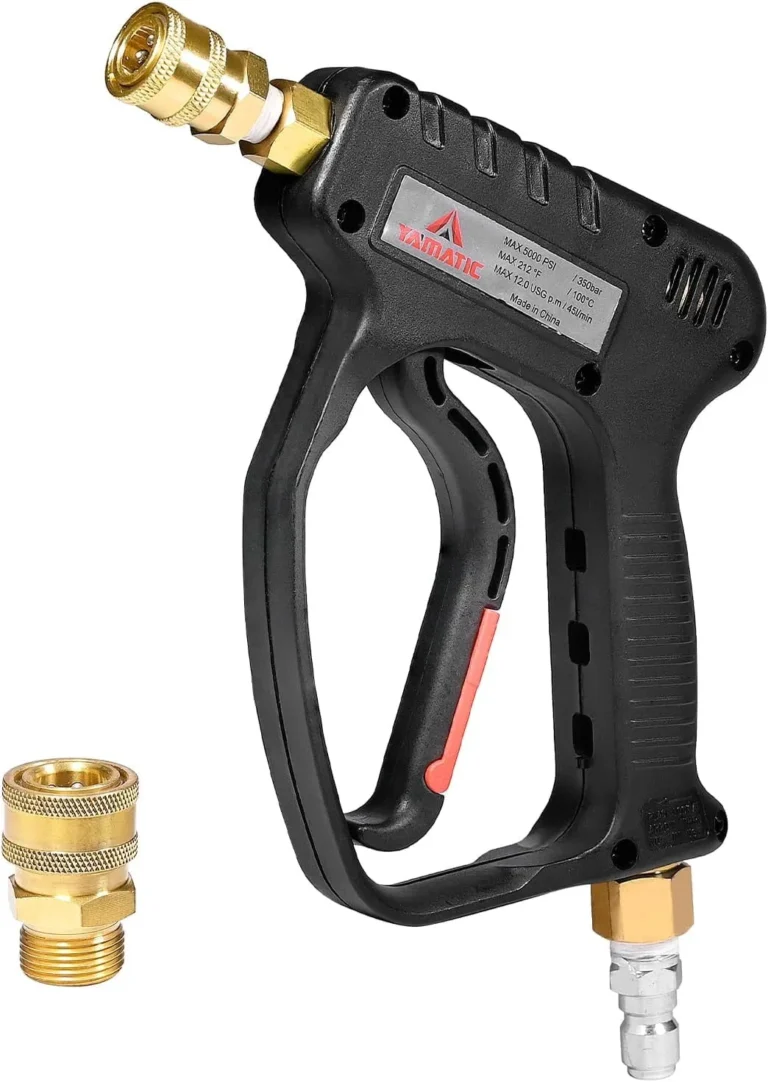
Let's get the basics down. The Femmekin is a hose-end spray gun. You screw it onto your garden hose, pull the trigger, and water comes out.
Simple enough.
But the clever part is the adjustable spray pattern. A rotating collar at the front of the gun lets you switch between several different spray shapes. The exact number of settings varies by model, but most versions offer five to seven patterns.
These range from a tight, focused jet for blasting mud off tires to a wide, gentle fan for rinsing soap off paint.
The gun body is typically made from a durable ABS plastic with brass fittings at the connection points. That brass is important. Cheap all-plastic fittings tend to strip or crack after a season or two.
Brass holds up better against the constant tightening and loosening you'll do.
Most models also include a trigger lock. You squeeze the trigger, push the lock forward, and the water stays on without you holding the handle. This sounds like a minor feature, but anyone who has spent twenty minutes hand-cramping a spring-loaded hose nozzle knows how much of a difference it makes.
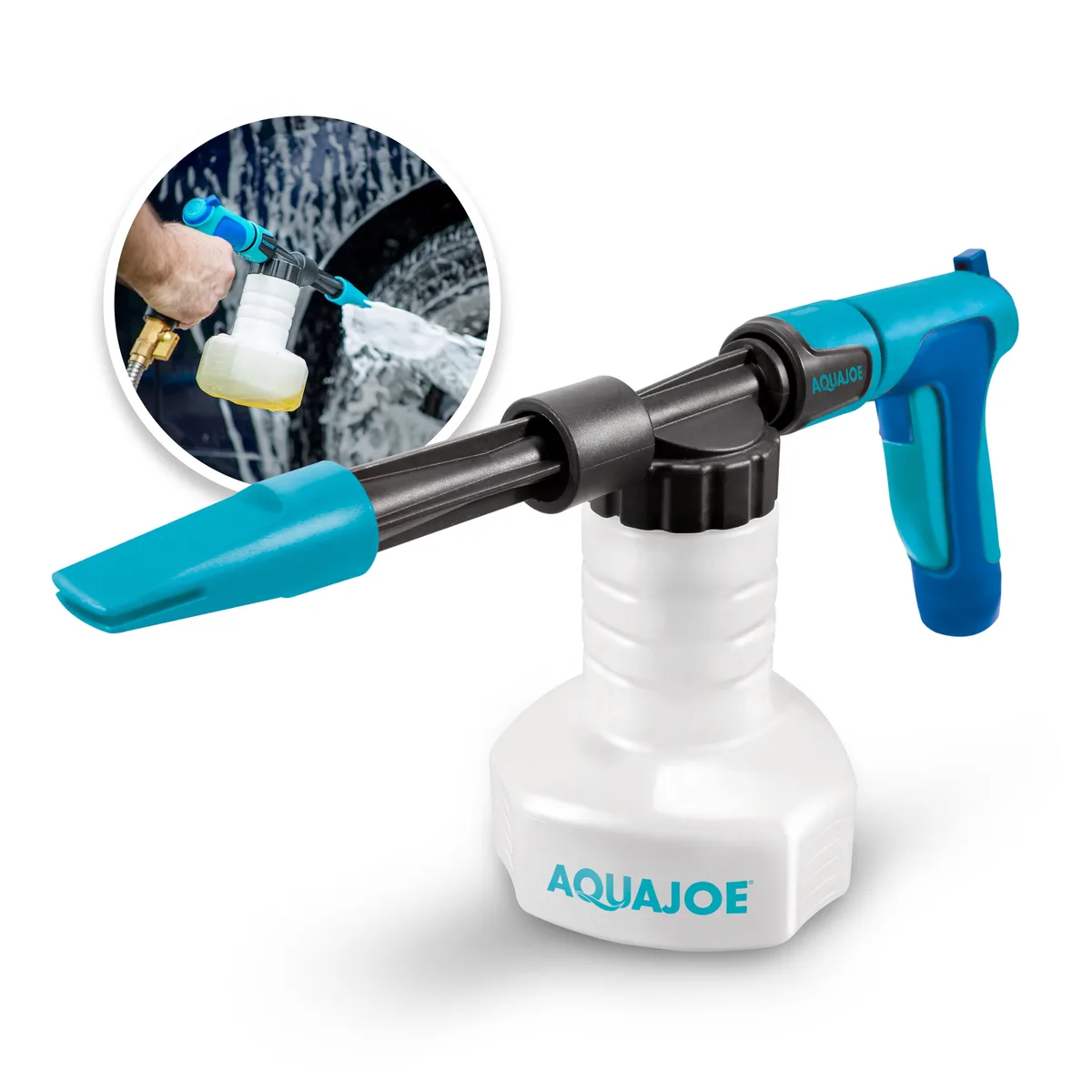
The included foam cannon attachment is where things get interesting. It's a plastic reservoir that screws onto the spray head. You fill it with a mixture of water and car wash soap, and the water flow pulls the soap out and mixes it into the stream.
The result is a layer of foam that clings to the car and lifts dirt before you ever touch the paint with a mitt.
Image source: Bing (Web (fair-use with source credit))
What's in the Box and What You're Really Getting
When you open the box, here's what you'll find.
- The spray gun handle. The main body with the trigger, the spray pattern collar, and the brass inlet that connects to your hose.
- A foam cannon reservoir. Usually a clear plastic bottle with a screw-on lid and a soap pickup tube inside.
- Quick-connect adapters. A set of brass or plastic fittings that let you snap the gun onto your hose without threading it on each time. Not all models include these, so check the listing before you buy.
- A hose washer. A small rubber or silicone ring that goes inside the connection to prevent leaks.
- User manual. Instructions are minimal, and frankly, you probably won't need them for something this straightforward.
One thing worth noting. Some versions of the Femmekin ship with a metal body rather than ABS plastic. The metal versions cost a bit more and weigh a bit more, but they're generally more durable if you drop them on concrete.
For most home users, the plastic body is perfectly adequate. For someone who washes cars commercially or on rough surfaces, the metal version might be worth the extra money.
The quick-connect system deserves a mention. Standard garden hose threads in the US are 3/4 inch. The Femmekin inlet matches that.
If you have a quick-connect setup already, the included adapter should snap right in. If you don't, you can install one in about thirty seconds.
Femmekin vs. the Alternatives: A Side-by-Side Breakdown
This is where the rubber meets the road. The Femmekin doesn't exist in a vacuum. You're deciding between it and several other options.
Let's run through each comparison.
Versus a Basic Nozzle Sprayer Set
You know the set. It's the three or four plastic nozzles that came with your hose. They twist on, they have a fixed pattern, and they usually leak after a few months.
| Factor | Basic Nozzle Set | Femmekin Gun |
|---|---|---|
| Spray patterns | 3 to 5 fixed tips | 5 to 7 adjustable on one head |
| Trigger lock | No | Yes |
| Foam cannon | No | Included |
| Material | All plastic | Brass fittings, ABS body |
| Typical price | $5 to $12 | $20 to $35 |
| Leak resistance | Low | Moderate to high |
The basic nozzle set wins on price. It loses on nearly everything else. The trigger lock alone is worth the upgrade if you wash your car more than a few times a year.
And the foam cannon, even if it's not professional grade, adds a layer of dirt removal that a bare nozzle can't touch.
Who the basic set is for: Someone who needs a cheap backup nozzle or washes their car very infrequently.
Who the Femmekin is for: Anyone who washes their car regularly and wants a significant upgrade for not much money.
Versus an Entry-Level Electric Pressure Washer
This is the comparison that trips most people up. An electric pressure washer starts around $80 to $120. That's not a huge leap from the Femmekin's $30.
So why not just buy the pressure washer?
| Factor | Entry-Level Electric Pressure Washer | Femmekin Gun |
|---|---|---|
| PSI output | 1,200 to 1,800 | 80 to 150 (hose dependent) |
| Water volume | 1.2 to 1.5 GPM | 3 to 5 GPM |
| Foam quality | Thick, clingy | Thin, runny |
| Portability | Needs power outlet, hose, and unit | Just the hose |
| Setup time | 5 to 10 minutes | 30 seconds |
| Maintenance | Pump oil, winterizing, hose storage | Rinse and hang |
| Price | $80 to $150 | $20 to $35 |
The pressure washer delivers way more cleaning power. There's no contest there. But it also introduces complexity.
You need electricity at your spigot. You need to store a machine. You need to winterize it if you live in a cold climate.
And if you're not careful with the pressure setting, you can damage your car's paint or force water into seals.
The Femmekin is simpler. You connect it, you use it, you hang it up. No electricity, no maintenance, no risk of damaging your paint.
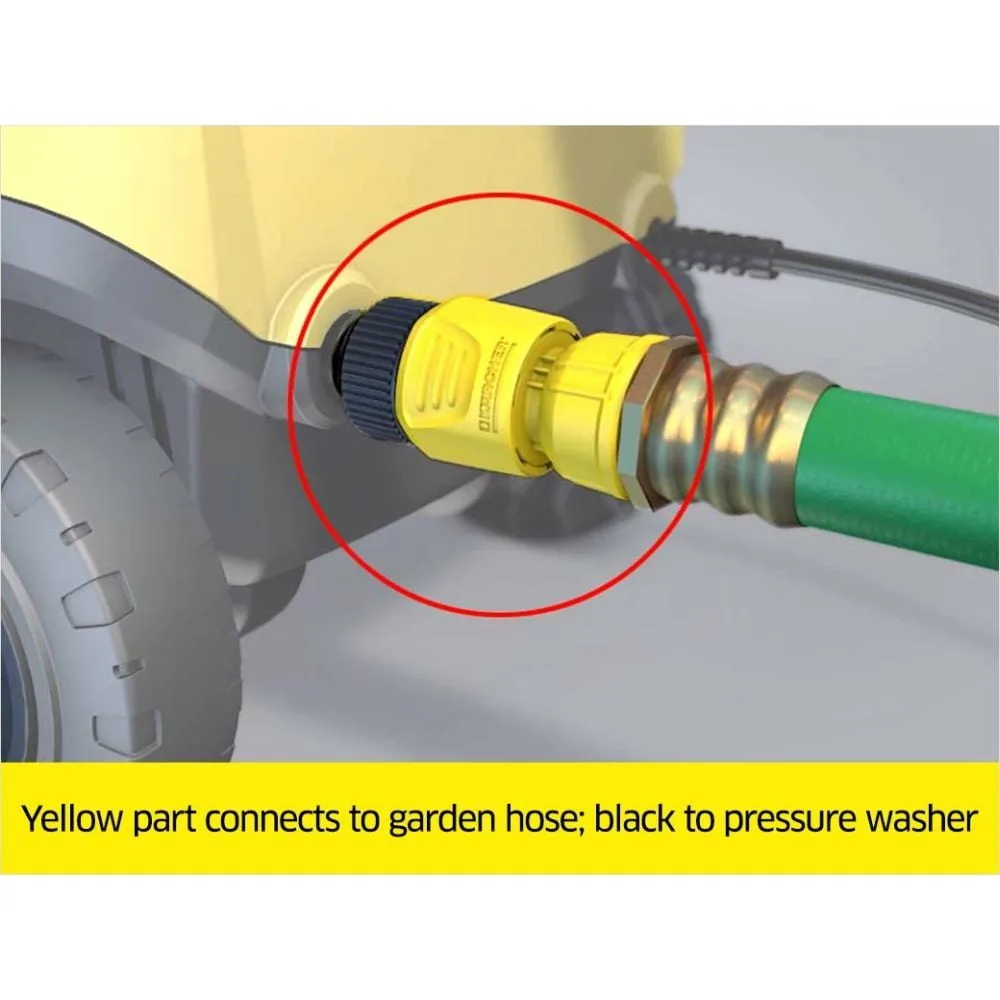
Image source: Bing (Web (fair-use with source credit))
Who the pressure washer is for: Someone who washes multiple cars, tackles heavy mud and grime, or wants professional-level foam.
Who the Femmekin is for: Someone who just needs a cleaner car without the hassle, storage, or cost of a full pressure washer setup. If you pair it with the right soap, you can get a perfectly decent result.
Versus a Battery-Powered Portable Pressure Washer
Battery-powered washers have their own trade-offs. They're cordless and portable, but they run on 20V or 40V batteries that limit both runtime and pressure.
| Factor | Battery-Powered Washer | Femmekin Gun |
|---|---|---|
| PSI | 300 to 600 | 80 to 150 |
| Runtime per battery | 15 to 30 minutes | Unlimited (hose fed) |
| Battery cost | $30 to $60 extra | None |
| Portability | Very high (no cord or hose needed) | Moderate (needs hose) |
| Foam quality | Moderate | Thin |
The battery-powered washer wins if you're washing a car in a parking spot without a spigot nearby. It loses badly on runtime. Most budget models struggle to wash a full sedan on a single battery charge.
Who the battery-powered washer is for: Apartment dwellers or anyone who washes away from a water source.
Who the Femmekin is for: Anyone with hose access who doesn't want to mess with batteries, chargers, or limited runtime.
Versus Other Hose-End Foam Guns (Twinkle Star, Poolura, Bon Aire)
The Femmekin isn't the only game in town. Brands like Twinkle Star, Poolura, and Bon Aire make similar products. Here's how they stack up.
- Twinkle Star is the most direct competitor. It runs a similar price point and includes a foam cannon. Reviews suggest slightly better foam output but a less ergonomic trigger.
- Poolura focuses more on the foam cannon quality. Their gun tends to produce thicker suds, but the spray pattern selection is more limited.
- Bon Aire is the premium option. It's all brass construction, no plastic. It lasts longer but costs two to three times as much as the Femmekin.
For most users, the Femmekin hits a sweet spot. It's not the cheapest, not the most expensive, and not the best at any single thing. But it's very good at everything a typical home user needs.
Spray Patterns, Pressure, and Real-World Performance
Let's get into the weeds on actual performance. The Femmekin offers a rotating spray pattern collar. The most common configuration has seven settings.
Here's what each one actually does.
The Seven Spray Settings
- Jet (0 degree). A concentrated straight stream. This is for blasting caked-on mud from wheel wells and tires. Don't use it on painted surfaces at close range, as it can concentrate enough force to lift clear coat edges.
- Shower (flat wide). A gentle, broad pattern. This is for a final rinse after you've already washed and want to avoid forcing water into seals or trim.
- Cone (full cone). A wider version of the jet. Good for pre-rinsing large panels before you start washing.
- Flat (high-pressure fan). A wide, flat spray with decent force. This is your main washing spray for knocking loose dirt and bugs.
- Soaker. A low-pressure stream that floods the surface. This works well if you're using a pressure-sensitive soap that needs contact time.
- Angled jet. A tight stream at an angle. Some users like this for cleaning crevices like the gap between the hood and the grille.
- Center (full spray). A balanced middle setting. This is the best all-around option for everyday rinsing.
In practice, most people end up using three settings. The flat fan for the main wash. The jet for tires and wheels.
The shower for the final rinse. The other settings are nice to have, but you won't use them every time.
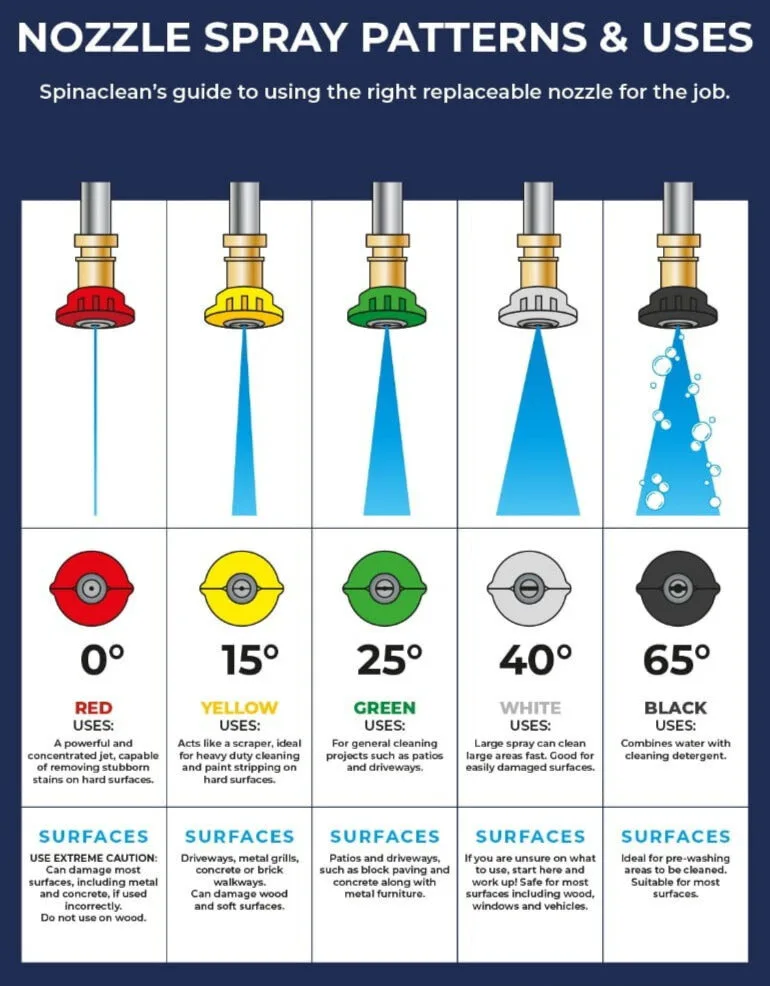
Image source: Bing (Web (fair-use with source credit))
Water Pressure Impact
Here's the honest truth about hose-end guns. They only work as well as your water supply. The Femmekin doesn't add pressure.
It just directs what's already coming through the pipe.
If your home water pressure is in the 40 to 60 PSI range, which is standard for most municipal systems, you'll get adequate cleaning force. The spray will feel firm and purposeful. If your pressure is below 40 PSI, the jet setting will feel like a lazy garden hose.
The shower setting will barely dribble.
If you have low water pressure, consider whether the gun itself isn't the weak link. Sometimes that's the case. A better spray gun can actually restrict flow less than a cheap one.
But no hose-end gun can overcome truly poor supply pressure. In that case, a pressure washer with its own pump is the real solution. For more on safe pressure levels, check our guide on the recommended PSI for washing cars.
Real User Feedback
Aggregate reviews from verified buyers show a consistent pattern. Most people rate the Femmekin 4.0 to 4.5 stars. The praise focuses on the trigger lock, the brass fittings, and the value for the price.
The complaints center on two issues.
The foam cannon produces thinner suds than many expect. That's not a flaw in the Femmekin specifically. It's a limitation of hose-end foam technology.
Without a pressure washer's pump forcing water through the cannon, the soap-to-water ratio is simply less concentrated. You can improve it by adjusting the soap mix and making sure the nozzle is set to a wide pattern, but you won't get pressure washer foam.
The second complaint is about fit. Some users report that the quick-connect adapter doesn't match their existing setup. This is usually a mismatch between standard and metric thread sizes or between 1/4 inch and 3/8 inch quick-connect standards.
The solution is to either use the included adapter or buy a universal kit for a few dollars.
The Foam Cannon: Does It Actually Produce Thick Suds?
This is the make-or-break question for a lot of buyers. You've seen videos of cars covered in thick, dripping foam that looks like shaving cream. Can the Femmekin foam cannon do that?
The short answer is no. Not really. But it can do something useful.
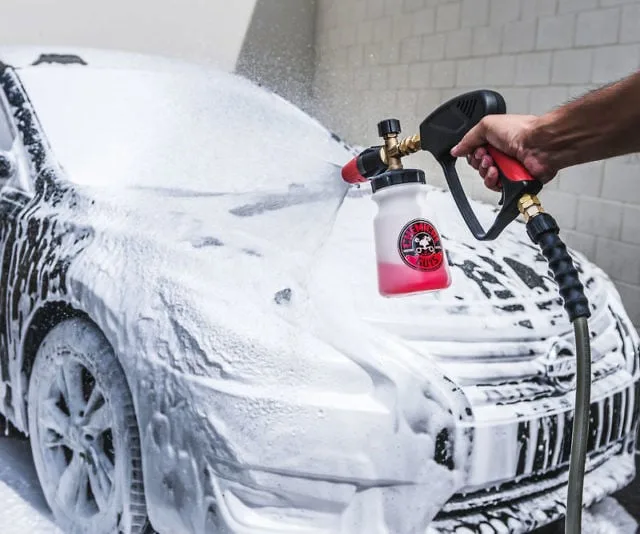
Image source: Bing (Web (fair-use with source credit))
How Hose-End Foam Works
A foam cannon works by siphoning soap from the reservoir and mixing it with water. In a pressure washer cannon, the high-pressure water creates turbulence that whips the soap into thick foam. In a hose-end cannon, the water pressure is much lower.
The turbulence is weaker. The result is a looser, more watery foam that still clings to the car but doesn't have the same density.
Think of it like the difference between a milkshake and a glass of milk. Both are dairy. Both will cover your car.
One sticks around longer.
Getting the Best Foam Results
You can improve the foam output with a few tricks.
- Use a dedicated car wash soap. Dish soap is too thin and creates almost no foam. It also strips wax. A high-foaming car shampoo designed for foam cannons makes a big difference. We've covered why you should avoid dish soap in our post on whether you can wash a car with dish soap.
- Adjust the soap-to-water ratio. Most cannons work best with a 2:1 or 3:1 water-to-soap mix. Too much soap and you get thin, bubbly foam that runs off. Too little and you get nothing but tinted water.
- Use a wider spray pattern. A narrow jet forces the water through too fast. A wide fan pattern gives the soap more contact time with the water stream, which improves mixing.
- Pre-wet the car first. Spraying foam onto a dry surface lets it slide off. A quick rinse before foaming helps the suds stick.
Even with these tweaks, the Femmekin foam cannon won't produce the thick, meringue-like foam of a pressure washer setup. But it will produce enough foam to give your wash mitt a good lubricated glide across the paint. That's the real goal.
The foam isn't just for show. It lifts dirt so you don't drag grit across the clear coat. If you want a deeper dive into the right products, our guide on Perfextion car wash shampoo in a foaming gun has the specifics.
When the Foam Cannon Works Best
The foam cannon is ideal for a two-bucket wash method. Spray the foam on. Let it dwell for a minute or two to loosen dirt.
Rinse it off. Then do your contact wash with a mitt and bucket. That pre-soak step significantly reduces the risk of scratching the paint.
If you're someone who just wants to spray, wipe, and rinse without the pre-soak step, the foam cannon is less useful. You can leave it off entirely and just use the gun as a standard sprayer.
Who This Gun Is For and Who Should Skip It
This is where we get honest about fit. The Femmekin makes sense for a specific type of user. It doesn't work for everyone.
Buy it if you have decent water pressure, wash your car a few times a month, and want better results without spending more than $40. You'll appreciate the trigger lock, the brass fittings, and the foam cannon for pre-soaking. If you pair it with the right soap and technique, it will outclean any standard hose nozzle by a wide margin.
Skip it if you have low water pressure, want professional-grade foam, or wash heavy equipment. In those cases, a pressure washer is the better tool. The Femmekin can't compensate for a weak supply line. And the foam cannon, while useful, won't satisfy someone who wants that thick, dripping coating you see in detailing videos.
Also skip it if you're looking for a commercial-grade tool that will survive daily use for years. The plastic body and brass fittings are good for home use, but they won't hold up to abuse on a commercial lot. For that kind of duty, an all-brass gun like Bon Aire is the right call.
Common Mistakes People Make with Hose-End Spray Guns
Most complaints about the Femmekin come down to user error, not product flaws. Here are the mistakes we see most often.
Using dish soap in the foam cannon. It creates thin, runny foam that slides off immediately. It also strips wax and can damage rubber seals over time. Stick to a proper car wash shampoo formulated for foam cannons.
We covered the reasons not to use dish soap in our article on whether dishwashing is good for cars.
Forgetting to flush the gun after use. Hard water leaves mineral deposits inside the gun. Over time, these deposits clog the spray pattern and stiffen the trigger. A simple flush with clean water after each wash extends the gun's life significantly.
Using the jet setting on painted surfaces at close range. That concentrated stream can force water under clear coat edges or into trim gaps. Keep the jet for tires, wheel wells, and bug splatter on the grille.
Not checking the quick-connect compatibility before buying. Some versions of the Femmekin use a slightly different quick-connect standard. If your existing hose fittings don't match, you'll need the included adapter or a universal kit. This is a five-minute fix, but it catches people off guard.
Setup, Operation, and Maintenance Tips
Getting the most out of the Femmekin takes about sixty seconds of setup and a few minutes of care.
Setup. Remove the gun from the box. Screw the quick-connect adapter onto your hose end. Snap the gun onto the adapter.
If you're using the foam cannon, fill the reservoir with a 3:1 water-to-soap ratio and screw it onto the gun head. Open your spigot fully. Squeeze the trigger and check for leaks at the connection points.
If you see drips, tighten the brass fitting slightly or add a hose washer.
Operation. Start with a wide spray pattern to wet the car and knock off loose dirt. Switch to the jet setting for tires and wheels. If you're using foam, set the spray collar to the flat fan pattern and coat the car from bottom to top.
Let the foam dwell for one to two minutes. Rinse with the shower setting. Then do your contact wash with a mitt and two buckets.
Final rinse with the shower setting again.
Maintenance. After each wash, disconnect the gun from the hose. Hold the trigger down to release any trapped water. Flush the gun by running clean water through it for a few seconds.
Dry the exterior with a towel or let it air dry. Store it off the ground to avoid dirt getting into the brass fittings.
Winter storage. If you live in a freezing climate, drain all water from the gun before storing it. Any water left inside can freeze, expand, and crack the plastic body or brass fittings. Store it in a garage or shed where temperatures stay above freezing.
Our guide on car washing attachments for garden hose covers compatible accessories if you want to expand your setup.
Pricing, Value, and What You're Paying For
The Femmekin typically costs between $20 and $35 depending on the retailer, the included accessories, and whether you buy the plastic or metal body version. At that price, you're getting a tool that performs like a $50 to $60 product.
Here's what your money buys.
- Brass fittings that won't crack or strip after a few seasons.
- An ergonomic trigger with a lock that saves your hand during long washes.
- A foam cannon that adds a useful pre-soak step to your routine.
- Quick-connect adapters that make swapping tools fast and frustration-free.
- Seven spray patterns that cover everything from gentle rinsing to mud blasting.
Compare that to a basic nozzle set at $8. You get a much better tool for about $20 more. Compare it to a pressure washer at $100.
You save $70 and skip the maintenance and storage headaches.
The only place the Femmekin falls short is foam quality. If thick suds are non-negotiable, factor in the cost of a pressure washer. But if you want a clean car with minimal fuss and maximum value, the Femmekin delivers.
For a complete car wash setup, consider pairing the Femmekin with a quality car wash fragrance and the right microfiber towels. Our article on car wash fragrance has recommendations if you want your car to smell as good as it looks after the wash.
The Bottom Line: Is It Worth It or Should You Look Elsewhere?
Here's the short version. The Femmekin car wash water gun is a solid purchase for most home users. It's not perfect, but it's a clear upgrade over any basic hose nozzle.
It's a sensible alternative to a pressure washer if you don't need maximum cleaning power. And at $20 to $35, it's affordable enough that you can try it without much risk.
If your water pressure is decent and you wash your car regularly, buy it. You'll use it for years and wonder why you didn't make the switch sooner. If your water pressure is weak or you demand professional-grade foam, look at a pressure washer instead.
The Femmekin isn't designed to replace one. It's designed to make washing easier for the average person who just wants a clean car without spending a fortune or clearing out half the garage.
That's a fair trade. And for most people, it's the right one.
Real Scenarios: Three Users, Three Outcomes
Scenario one: Suburban homeowner with 55 PSI municipal water. This user washes a midsize sedan every two weeks. The Femmekin gives them solid rinsing force, a comfortable grip for 20-minute washes, and enough foam to pre-soak. They report saving roughly $80 versus buying a pressure washer and use less storage space.
Scenario two: Apartment dweller with a spigot behind the building. Water pressure here sits around 35 PSI. The gun still works for rinsing, but the jet setting feels weak and the foam cannon produces thin suds. This user would have been better served by a battery-powered portable washer that boosts pressure independently.
Scenario three: Weekend detailer with two cars and a dog that loves mud. This user already owns a pressure washer but bought the Femmekin as a quick-rinse tool for between full details. They use the pressure washer for the deep clean twice a month and the Femmekin for the touch-up washes in between. The trigger lock and quick-connect make swapping fast.
Frequently Asked Questions
How long does the Femmekin typically last?
With regular maintenance and proper winter storage, aggregate reviews suggest the plastic body model lasts two to three years before the trigger mechanism wears or the brass fittings develop leaks. The metal body version can last four to five years or longer.
Can I use the foam cannon with any car soap?
Yes, but results vary. Thin soaps produce thin foam. A high-foaming shampoo designed for foam cannons works best.
Avoid dish soap entirely, as it strips wax and can damage rubber seals in the gun.
Does the Femmekin fit all standard garden hoses?
The standard US 3/4 inch thread fits directly. International or metric hoses may need an adapter. The included quick-connect set covers most common setups, but check your thread type before buying.
Why is my foam cannon not producing any foam?
The most common cause is a clogged pickup tube or an air leak at the connection. Unscrew the reservoir, clean the tube, and ensure the O-ring is seated properly. Also check that the spray collar is set to a wide pattern, not the jet.
Can I leave the gun attached to the hose overnight?
You can, but it's not recommended. Leaving it pressurized can stress the seals and brass fittings over time. Disconnect the gun and release the trigger pressure after each use.
Expert Tips for Getting the Most Out of Your Gun
Use warm water when possible. It helps the soap dissolve more fully and produces slightly better foam. Never use hot water above 140°F, as it can damage the plastic body and internal seals.
Pre-rinse the car before applying foam. A dry surface lets the soap slide off. A quick wetting helps it cling and do its work.
Replace the hose washer annually. The small rubber ring inside the brass connector compresses over time. A fresh one prevents leaks and maintains consistent pressure.
Consider a quick-connect shutoff valve between the hose and the gun. This lets you kill the water at the gun without bending down to the spigot. It's a cheap upgrade that improves convenience significantly.
Safety and Compliance Considerations
The Femmekin is a low-pressure tool, so the safety concerns are minimal. Still, keep a few things in mind.
Never point the jet setting at skin or eyes. Even at 80 PSI, a concentrated stream can cause injury. Treat it with the same respect you'd give any pressurized tool.
Check local backflow prevention requirements. Some states and municipalities require a vacuum breaker or backflow preventer on any hose attachment connected to a potable water supply. If you're unsure, install one at the spigot. It costs under $10 and keeps your drinking water safe.
Store the gun out of direct sunlight when not in use. UV exposure degrades the ABS plastic over time. A garage hook or a storage bin extends the life of the components.
Where This Gun Fits in Your Overall Car Wash Routine
The Femmekin shines as the middle layer of a three-tier approach. For light maintenance washes between full details, it's the perfect tool. Use it with a quality car wash shampoo, a microfiber mitt, and a two-bucket system for the best results.
If you pair it with a surface prep routine like a clay bar treatment or iron remover, you'll get a finish that looks detailed without the full pressure washer setup.
For those who want to go even further, consider adding a dedicated water softener for washing if you live in a hard water area. Mineral deposits can leave spots on the paint even after a careful rinse with a good spray gun.