ByMax Lee
CT Emissions Testing Rules for 2002+ Vehicles
Connecticut biennial emissions testing requirements for 2002 and newer vehicles apply to most gasoline-powered cars and light trucks in the state. If you own a vehicle from 2002 or later, you’ll need to pass an OBD-II emissions test every two years to renew your registration.
The test costs $20 as of 2026 and checks your vehicle’s onboard diagnostics for emissions-related issues. Whether you’re new to Connecticut or just due for a renewal, here’s what you need to know.
Quick Answer
Connecticut requires biennial emissions testing for 2002 and newer gasoline vehicles. The test is an OBD-II scan. It costs $20.
You must pass to renew registration. Exemptions apply to newer models and certain vehicle types.
Do You Need a Connecticut Emissions Test for Your 2002 or Newer Vehicle?
You do if your vehicle is gasoline-powered and model year 2002 or newer. The state mandates this test to reduce air pollution and ensure vehicles meet EPA standards.
Bing (Web (fair-use with source credit))
Exemptions exist for the newest four model years. For example, a 2026 model in 2026 won’t need testing until 2030. Electric vehicles and some hybrids are also exempt.
Diesel vehicles follow different rules, so check with the CT DMV for specifics.
How Connecticut’s Biennial Emissions Testing Works
The program runs on a two-year cycle tied to your vehicle’s registration. You’ll get a notice from the Connecticut Department of Motor Vehicles when it’s time to test. The test itself is quick, usually taking 10 to 15 minutes at a licensed inspection station.
The state uses the OBD-II system for 2002 and newer vehicles. This system monitors your car’s emissions controls in real time. If your check engine light is on, you’ll likely fail the test.
The inspection station will plug into your OBD-II port to pull the data.
The OBD-II Test: What Actually Gets Checked
The OBD-II test checks for emissions-related faults in your vehicle’s systems. It looks at components like the catalytic converter, oxygen sensors, and evaporative emissions system. If any of these systems show a fault code, you’ll fail the test.
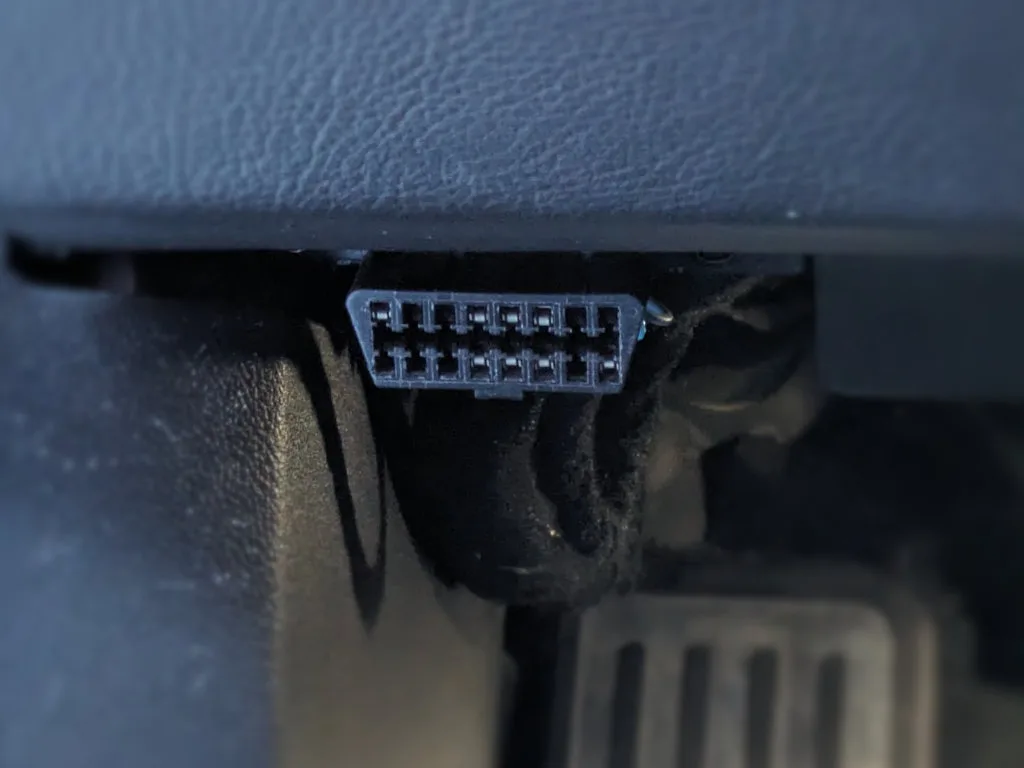
Bing (Web (fair-use with source credit))
Your vehicle must also have its emissions monitors "ready." This means the car has completed its self-checks since the last time the battery was disconnected or the codes were cleared. If the monitors aren’t ready, you may need to drive the car for a few days before retesting.
Step-by-Step: How to Get Your Vehicle Tested in Connecticut
Start by confirming your test is due. You can check your status online through the CT DMV website. If it’s time, find a licensed emissions inspection station near you.
Bring your vehicle and its registration to the station. The technician will verify your VIN and connect to your OBD-II port. You’ll pay the $20 fee, and the test will begin.
If you pass, the station will submit the results electronically to the DMV.
If you fail, you’ll get a report showing why. You’ll have 60 days to make repairs and return for a free retest.
What Happens If You Fail (And How to Fix It)
You’ll get a printed report showing the reason for failure. The most common cause is an illuminated check engine light. Other failures come from incomplete emissions monitors or a faulty catalytic converter.
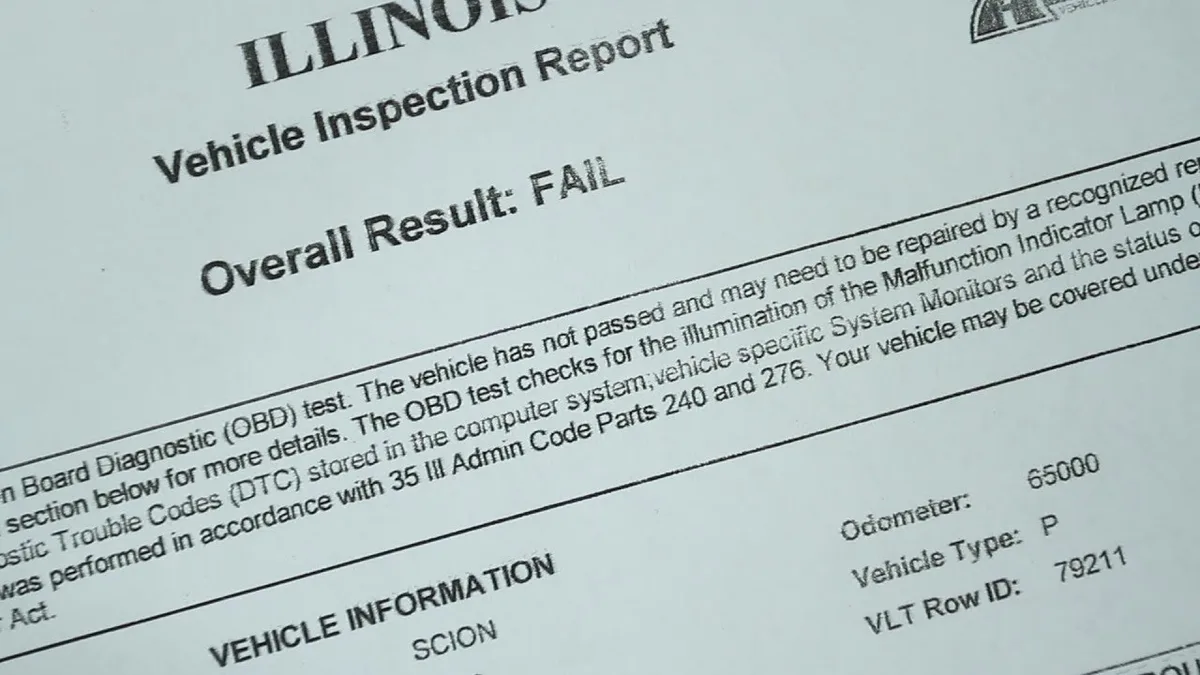
Bing (Web (fair-use with source credit))
You have 60 days to repair the issue and return for a free retest. If you exceed this window, you’ll pay the $20 fee again. Many auto parts stores will scan your codes for free to help diagnose the problem.
Costs, Fees, and Retest Rules
The standard test fee is $20 as of 2026. This covers the OBD-II inspection and electronic reporting to the DMV. There are no additional state fees for passing the test.
Retests are free if you return within 60 days of the initial failure. After that, you’ll pay the full $20 again. Some repair shops offer discounts if they perform the emissions-related fixes.
Vehicles That Skip the Test: Exemptions Explained
The newest four model years are temporarily exempt. For example, 2023-2026 models in 2026 don’t need testing yet. This exemption phases out as vehicles age.
Electric vehicles and most hybrids are permanently exempt from emissions testing. Diesel vehicles have separate requirements and may need testing depending on weight and model year. Vehicles over 25 years old with antique plates are also exempt.
Common Mistakes That Get People in Trouble
Many drivers assume newer cars never need testing. The four-year exemption is temporary, not permanent. Others ignore a check engine light, guaranteeing a failure.
Some try to clear codes right before testing. This resets the emissions monitors, which then show as "not ready." You’ll need to drive the car for several days to complete the monitor cycles before retesting.
Hybrid, Electric, and Diesel Vehicles: Special Rules
Hybrids with gasoline engines may still require testing. The CT DMV determines this based on the specific model and its emissions certification. Always verify your vehicle’s status before assuming exemption.
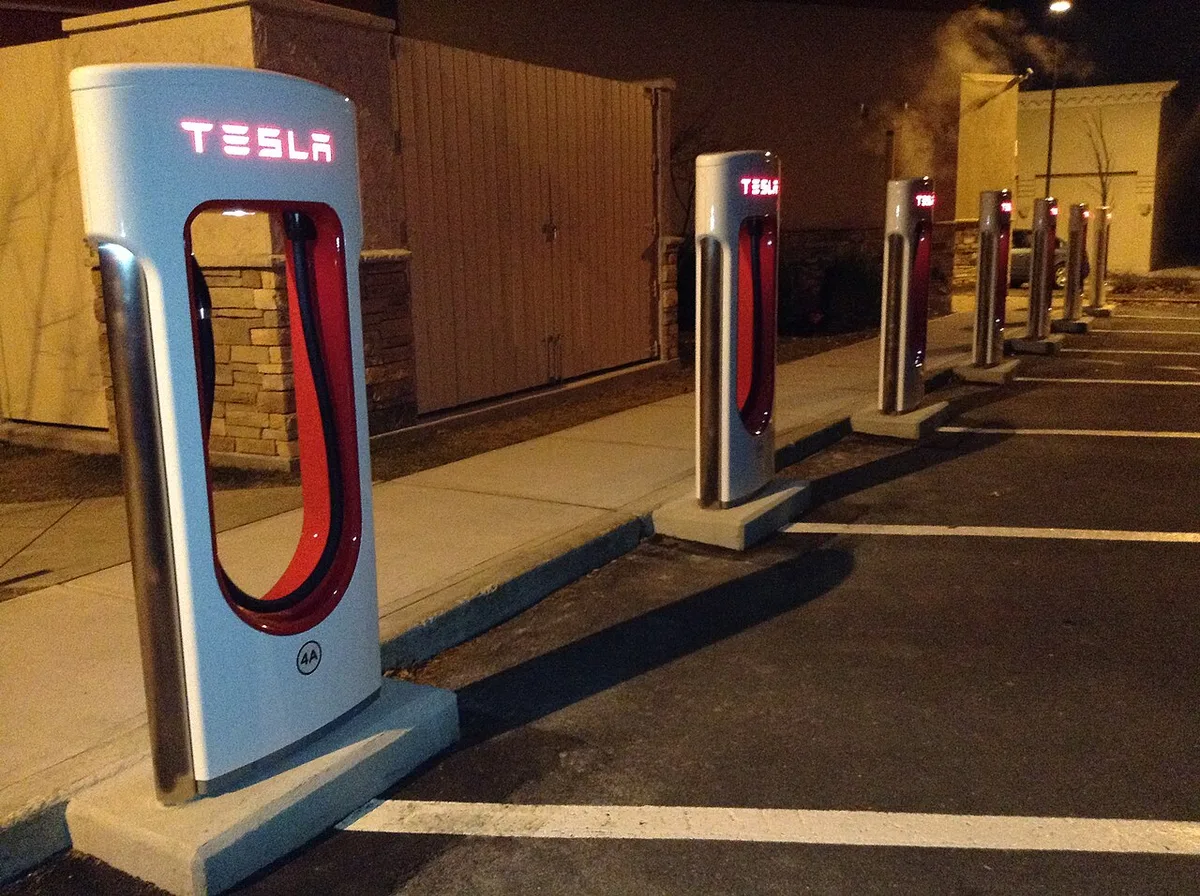
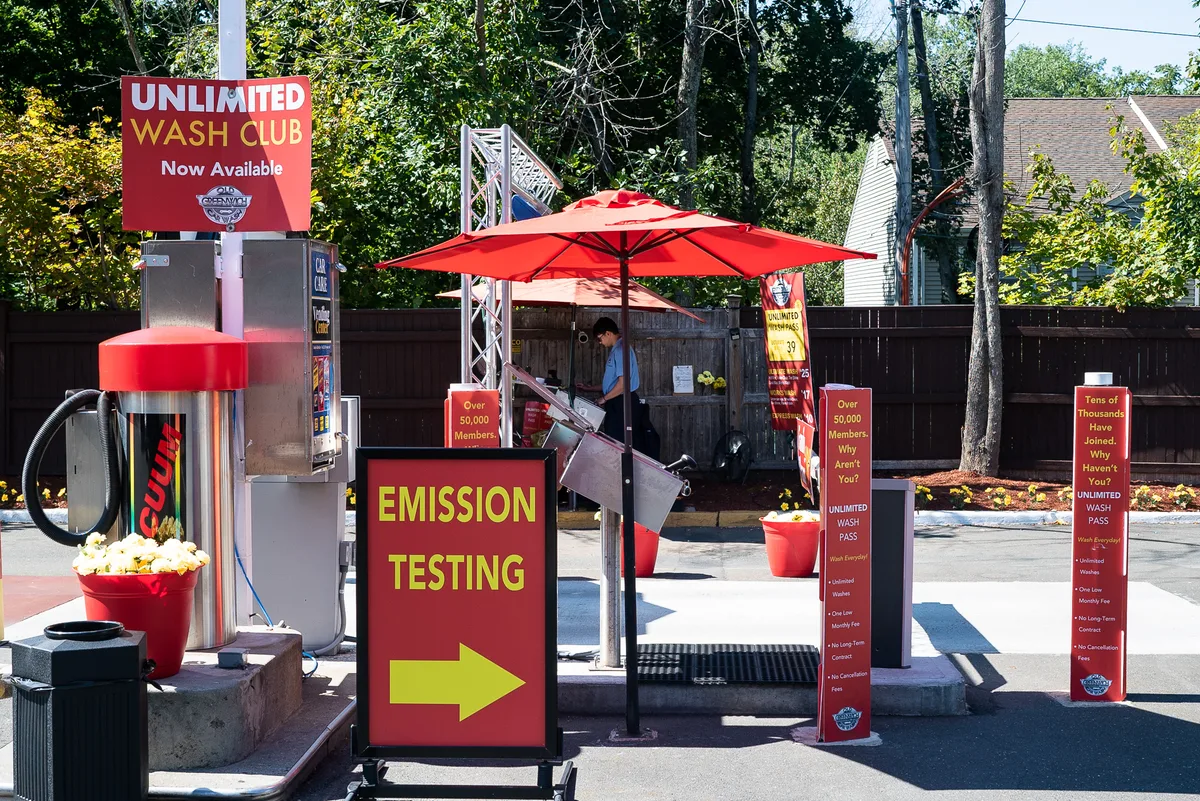
Wikimedia Commons / Mike Mozart from Funny YouTube, USA (CC BY)
Electric vehicles are fully exempt from emissions testing. Diesel vehicles follow different rules based on gross vehicle weight rating. Light-duty diesels under 8,500 lbs may be subject to testing, while heavier diesels have separate requirements.
How Emissions Testing Affects Your Registration
You cannot renew your registration without a passing emissions test. The DMV blocks renewal until they receive your test results. This applies even if your registration is about to expire.
If you let your registration lapse, you may face late fees. Driving with an expired registration can result in fines. The simplest solution is to test early and avoid the last-minute rush.
Where to Get Tested: Finding a Licensed Station
Connecticut has hundreds of licensed emissions inspection stations. You can find the nearest one using the CT VEP station locator. Most stations operate on a first-come, first-served basis.
Some stations offer appointments to reduce wait times. Call ahead if you’re on a tight schedule. All stations use the same state-approved equipment and procedures.
FAQs About Connecticut’s Biennial Emissions Test
How often do I need to get my car tested?
You need an emissions test every two years. The cycle aligns with your registration renewal. Newer vehicles get a temporary exemption for the first four model years.
What if my check engine light is on?
You’ll almost certainly fail the test. Get the issue diagnosed and repaired first. Many auto parts stores will read the codes for free.
Are there any counties exempt from testing?
No. Connecticut’s emissions testing is statewide. All counties follow the same rules.
Can I get a waiver if my car fails?
No waivers exist for emissions failures. You must repair the issue and pass a retest. The 60-day free retest window helps keep costs down.
Do motorcycles need emissions testing?
No. Motorcycles are exempt from Connecticut’s emissions testing program. Only gasoline-powered cars and light trucks are required to test.