Connecticut registration suspension for non payment of local property taxes happens when your town reports unpaid car taxes to the DMV. It’s a hard stop, no renewal, no new plates, and driving on a suspended registration can mean fines or towing. As of 2026, the DMV enforces this strictly, with no grace period once the suspension date hits.
The process starts with your town’s tax collector, not the DMV. If you miss the deadline, they’ll flag your account, and the DMV will suspend your registration within weeks. Paying the tax is just the first step, you’ll also owe penalties and a reinstatement fee.
Quick Answer
Connecticut registration suspension for non payment of local property taxes blocks your plates until you pay. Your town reports delinquent taxes to the DMV. The DMV then suspends your registration.
You must pay the tax, interest, and a $20 reinstatement fee. Driving on a suspended registration is illegal.
Why Connecticut Suspends Your Registration for Unpaid Car Taxes
Connecticut treats motor vehicle property tax like any other local tax. If you don’t pay, the town can use the DMV as leverage to collect. This isn’t a warning, it’s an automatic suspension once the town files the delinquency.
The law is clear under CT General Statutes §14-33. The DMV must suspend registrations for unpaid motor vehicle taxes reported by municipalities. It’s not discretionary.
The suspension stays until the town confirms payment and the DMV processes the reinstatement.
How the CT Motor Vehicle Property Tax Works
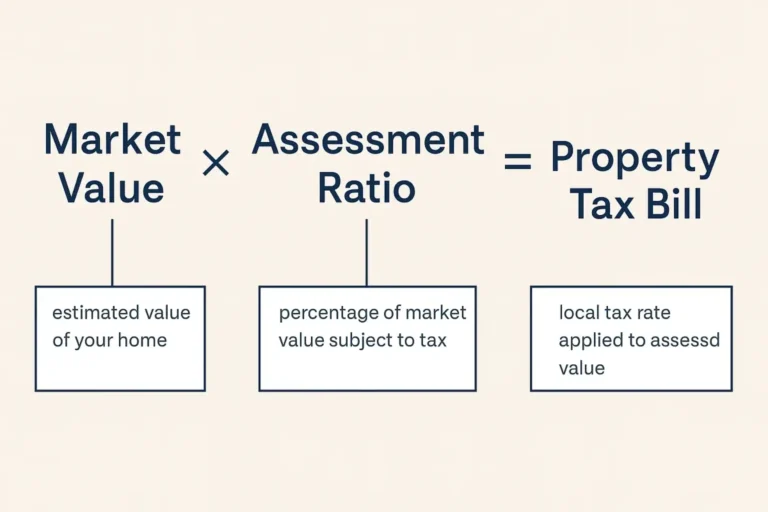
Every town in Connecticut assesses a property tax on registered vehicles. The bill is based on your car’s value and the town’s mill rate. You’ll get a bill annually, usually in July, with a due date around August 1.
The tax applies even if you sell the car mid-year. The bill is prorated, but you’re still responsible for the full amount until the town updates its records. If you move, you must notify both the DMV and your old town to avoid double billing.
When Does the DMV Actually Suspend Your Registration?
The DMV doesn’t suspend your registration immediately after the due date. First, your town sends a late notice. If you still don’t pay, they’ll report the delinquency to the DMV, usually within 30 to 60 days.
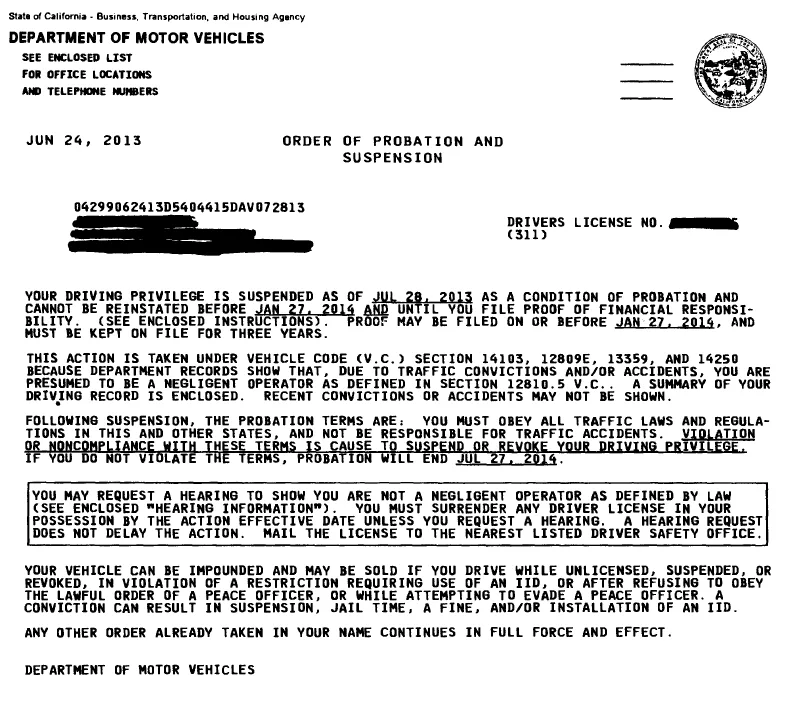
Once the DMV receives the report, they’ll mail you a suspension notice. This gives you about 20 to 30 days to pay before the suspension takes effect. After that, your registration is invalid, and driving the car is illegal.
The Exact Process: From Tax Bill to Suspension
Your town’s tax collector issues the motor vehicle property tax bill. This happens once a year, typically in July. The due date is usually August 1, but some towns may vary slightly.
If you don’t pay by the deadline, the town sends a late notice. This gives you a short grace period, often 30 days, to settle the bill. If you still don’t pay, the town reports your delinquency to the DMV.
The DMV then mails you a suspension notice. This notice includes the suspension date, which is usually 20 to 30 days from the date of the letter. Once that date arrives, your registration is suspended.
You won’t be able to renew your plates, and driving the car is against the law.
How to Check if Your Registration Is Suspended
The fastest way is to use the CT DMV’s online registration status checker. Enter your plate number and the last 4 digits of your VIN. It will show if your registration is active or suspended.
You can also call the DMV at 860-263-5700. Have your license plate and VIN ready. If you’re unsure, visit a DMV hub office in person.
They can confirm your status on the spot.
Step-by-Step: Fixing a Suspension for Unpaid Taxes
First, pay the overdue tax at your town’s tax collector’s office. Bring your suspension notice and the tax bill. Some towns let you pay online, but many require in-person payment for delinquent accounts.

Once paid, get a receipt or clearance letter from the town. They’ll send an electronic release to the DMV, but this can take a few days. Don’t assume it’s instant.
Next, visit a DMV office to pay the reinstatement fee. As of 2026, it’s $20 per suspension. You’ll also need to renew your registration if it expired during the suspension.
Bring your ID, proof of insurance, and the town’s payment receipt.
What Happens If You Drive on a Suspended Registration?
You risk a fine of up to $500 for the first offense. Police can pull you over just for expired or suspended plates. If you’re in an accident, your insurance may deny the claim.
Your car could also be towed or impounded. Getting it back means paying towing fees, storage costs, and the reinstatement fee. It’s cheaper to fix the suspension before driving.
Costs & Fees You’ll Pay to Reinstate
Here’s the breakdown:
| Fee Type | Amount | Notes |
|---|---|---|
| Unpaid Tax | Varies | Based on your town’s mill rate and vehicle value |
| Late Penalty | 1.5% per month | Caps at 18% per year |
| DMV Reinstatement Fee | $20 | Per suspension, as of 2026 |
| Registration Renewal | Varies | If your plates expired during suspension |
Some towns offer payment plans for delinquent taxes. Ask your tax collector before the suspension hits. Interest still accrues, but it buys you time.
Can You Avoid the Suspension? (And How)
Pay your tax bill on time. The due date is usually August 1, but check your town’s schedule. Set a calendar reminder if you tend to forget.
If you can’t pay in full, contact your town’s tax collector immediately. Some will work with you to avoid reporting the delinquency to the DMV. Once reported, the suspension is automatic.
Common Mistakes That Make It Worse
Ignoring the first late notice is the biggest error. Many assume they’ll get another warning, but the town can report you to the DMV after just one missed deadline.
Paying the tax but forgetting the DMV reinstatement fee is another common slip. Your registration stays suspended until you clear both. Always confirm with the DMV that the suspension is lifted.
Special Cases: Sold Your Car? Moved? New to CT?
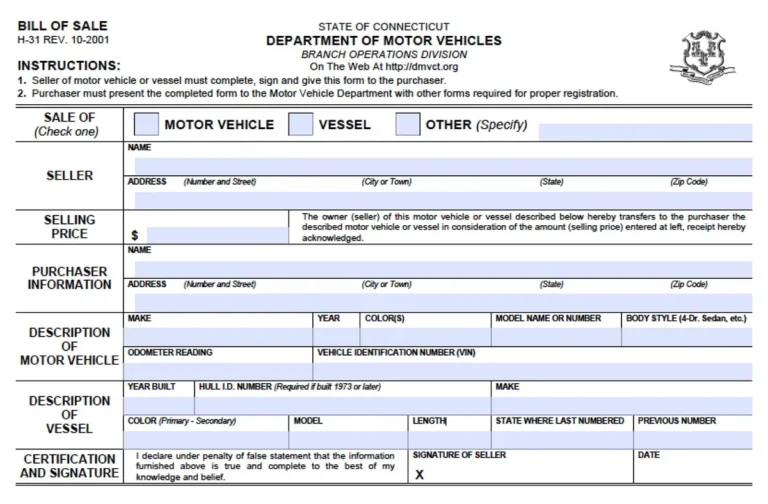
If you sold your car, you’re still on the hook for the tax until the town updates its records. Bring the bill of sale to the tax collector to stop future bills.
If you moved out of state, deregister the vehicle in Connecticut to avoid tax liability. New residents must register their car within 90 days. You’ll owe a prorated tax for the current year.
Town-Specific Quirks You Need to Know
Some towns report delinquencies to the DMV faster than others. Urban areas like Hartford or New Haven may act within 30 days. Smaller towns might wait 60 days or more.
Payment methods vary too. Larger towns often accept online payments for current bills, but delinquent accounts may require in-person payment. Call your tax collector to confirm before assuming you can pay online.
Where to Get Official Help (And Who to Call First)
Start with your town’s tax collector. They can confirm the exact amount owed and whether they’ve reported you to the DMV. Their contact info is on your tax bill or the town’s website.
For DMV questions, call 860-263-5700 or visit a hub office. They can tell you if your registration is suspended and what fees you’ll owe. Bring all your paperwork to avoid multiple trips.
Frequently Asked Questions
How long does it take to reinstate after paying the tax?
The town sends an electronic release to the DMV, which can take 1 to 3 business days. Then you’ll need to visit the DMV to pay the reinstatement fee. The whole process usually takes 3 to 5 days if you act quickly.
Can I pay my tax bill online if it’s delinquent?
It depends on the town. Some allow online payments for delinquent taxes, but many require in-person payment. Check your town’s website or call the tax collector to be sure.
What if I never received a tax bill?
You’re still responsible for the tax. Contact your town’s tax collector to request a copy. Ignoring it won’t stop the suspension process.
Does selling my car cancel the tax bill?
No. You must notify the DMV and your town of the sale. Bring the bill of sale to the tax collector to stop future bills.
Otherwise, you’ll keep getting tax notices.
Can I get a payment plan for my car tax?
Some towns offer payment plans for delinquent taxes. Ask your tax collector before the suspension hits. Interest still accrues, but it can help you avoid the DMV hold.