Connecticut window tinting legal limits and medical exemption permits can save you from fines and failed inspections if you know the rules. Many drivers get pulled over for dark tints without realizing Connecticut has strict visible light transmission (VLT) requirements.
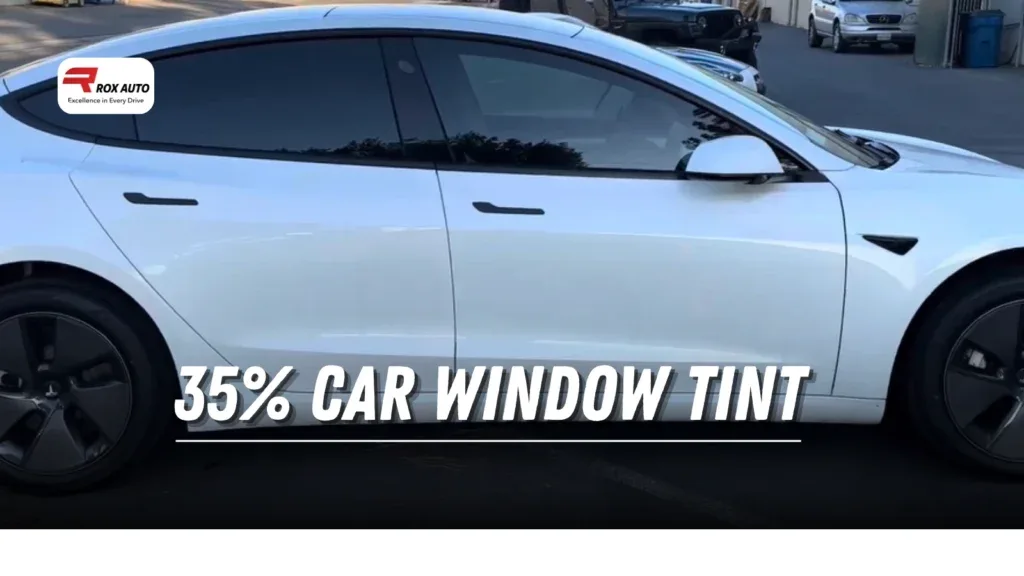
As of 2026, front side windows must allow at least 35% of light through, while rear windows have fewer restrictions. Here’s what you need to stay legal.
Quick Answer
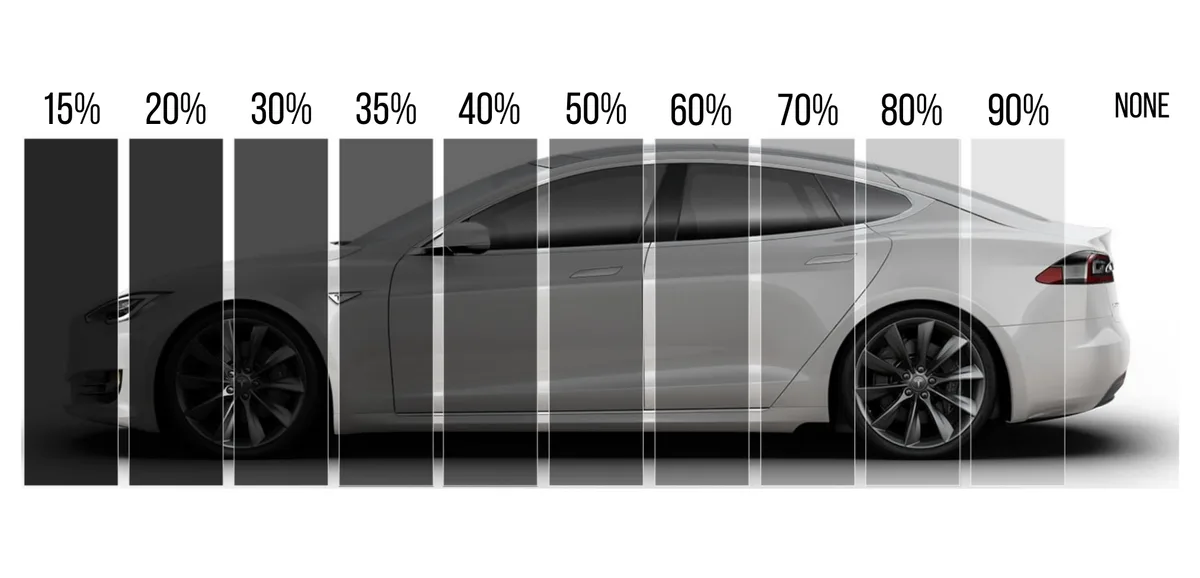
Connecticut window tinting legal limits and medical exemption permits require 35% VLT on front side windows. Rear windows have no VLT limit but can’t be more reflective than standard glass. Medical exemptions allow darker tints with a Connecticut DMV permit.
Fines for illegal tint can reach $100 or more.
Why These Rules Matter (And the Risks of Getting It Wrong)
Window tint laws exist for safety. Police can pull you over if your tint looks too dark, and you’ll face fines or a failed inspection. Non-compliant tint also reduces visibility, which increases accident risks.
Connecticut’s rules are stricter than some neighboring states, so out-of-state drivers often get caught off guard. Even factory tint can sometimes violate limits if it’s too dark.
The Exact Legal Limits for Every Window in Connecticut
Front side windows must allow at least 35% of light through. This is measured as Visible Light Transmission (VLT), the percentage of light that passes through the glass and tint.
Rear side windows and the rear windshield have no VLT restriction. However, they cannot be more reflective than a standard window. Front windshields cannot have any tint except for the top 6 inches, and only with a medical exemption.
Reflective tints are limited to 20% reflectivity for all windows. Tint colors like red, amber, or yellow are banned entirely. Any aftermarket tint must have a certification label visible from outside the vehicle.
Here’s a quick reference table for Connecticut’s legal limits:
| Window | VLT Minimum | Reflectivity Limit | Tint Allowed |
|---|---|---|---|
| Front side windows | 35% | 20% | Yes |
| Rear side windows | None | 20% | Yes |
| Rear windshield | None | 20% | Yes |
| Front windshield | None | None | Top 6" only (medical exemption) |
Medical Exemption Permits: Who Qualifies and How to Get One
Connecticut allows darker tints for medical reasons, but you need a permit. Conditions like lupus, melanoma, or severe light sensitivity often qualify. A licensed physician must certify your need for darker tint.
The process starts with a Connecticut DMV medical exemption application. You’ll need to submit a completed form from your doctor and pay a fee. Permits are typically valid for 1, 2 years and must be renewed.
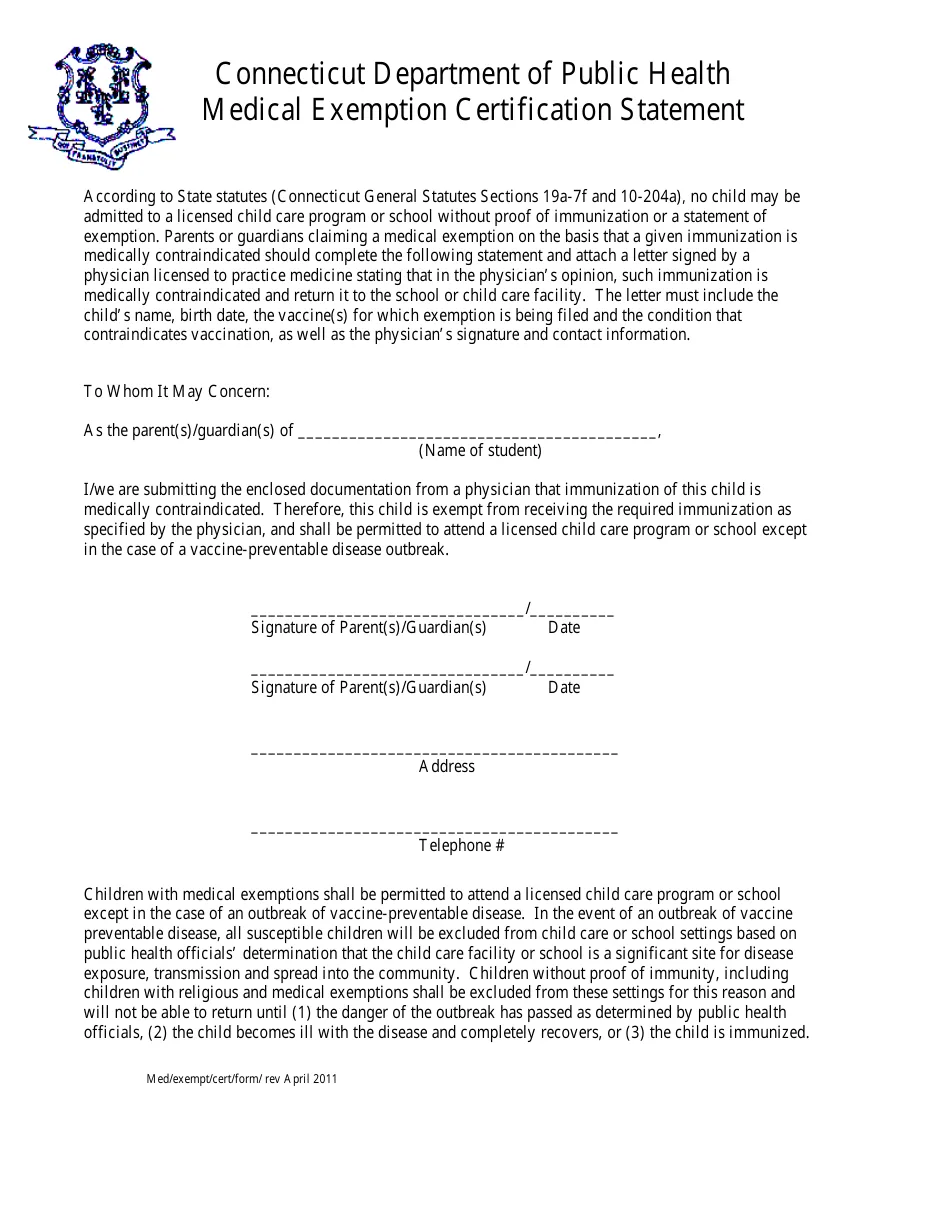
Once approved, you can legally use darker tint, but you must carry the permit in your vehicle at all times. Police can still check your tint’s VLT, so ensure it matches your permit’s specifications.
Step-by-Step: How to Check if Your Tint Is Legal
First, visually inspect your windows. If the front side windows look darker than 35% VLT, they’re likely illegal. For a precise check, use a tint meter, which measures the exact VLT percentage.
You can buy a tint meter online or visit a professional tint shop for a quick test. If your tint fails, you’ll need to remove or replace it to meet Connecticut’s standards.
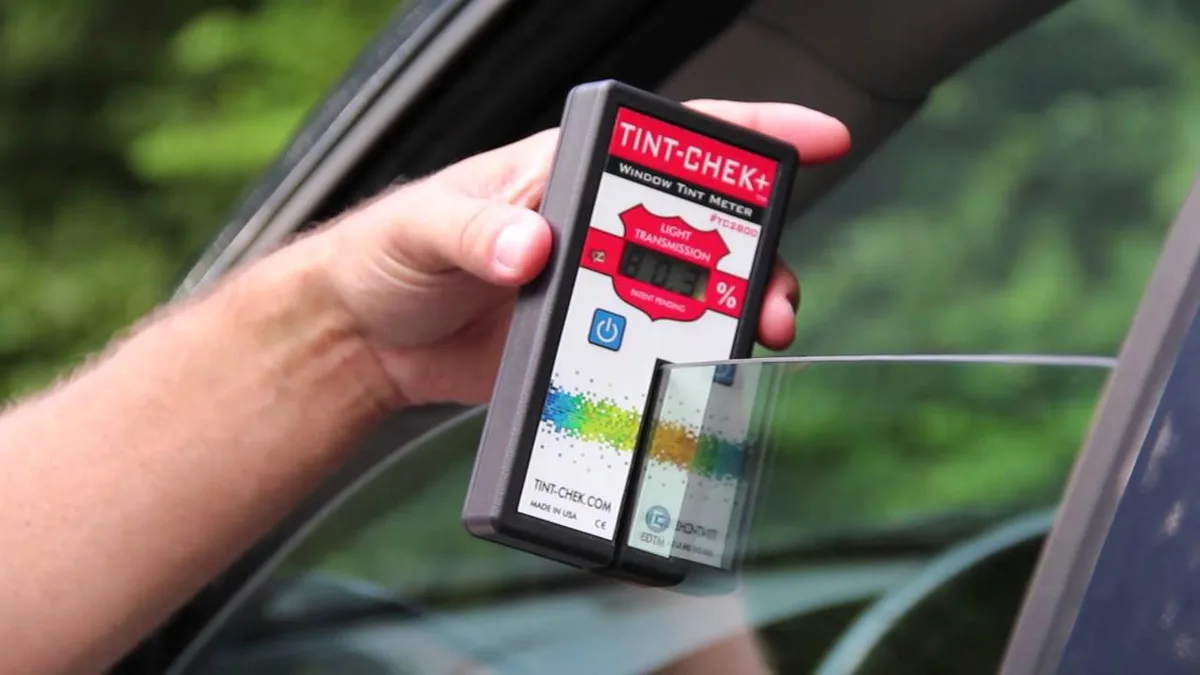
If you’re unsure, a Connecticut DMV inspection station can verify compliance during your next inspection. Keep in mind that even factory tint can sometimes push the limits, so it’s worth double-checking.
How to Apply for a Medical Exemption in Connecticut
Start by getting a signed statement from your doctor. The form must confirm your condition requires darker window tint and specify the VLT percentage you need.
Submit the completed application to the Connecticut DMV with the required fee. Processing typically takes 1, 2 weeks. Once approved, keep the permit in your vehicle at all times.
Common Mistakes That Get Drivers Fined
Assuming factory tint is always legal is a big mistake. Some factory tints can be darker than Connecticut’s 35% VLT limit for front side windows.
Another common error is ignoring reflectivity rules. Even if your tint meets VLT requirements, it can’t exceed 20% reflectivity. Police often use tint meters to check both VLT and reflectivity during traffic stops.
What Happens If Your Tint Is Illegal?
You’ll likely receive a fix-it ticket. This requires you to remove or replace the illegal tint and provide proof of correction to the court.
If you don’t comply, the fine can increase, and you may fail your next vehicle inspection. Repeated violations can lead to higher penalties and more scrutiny during future traffic stops.
Factory Tint vs. Aftermarket Tint: What’s Allowed
Factory tint is applied during manufacturing and is often lighter than aftermarket options. However, it still must meet Connecticut’s VLT and reflectivity limits.
Aftermarket tint is applied post-production and must also comply with state laws. The key difference is that aftermarket tint usually comes with a certification label, which factory tint may lack. Always verify compliance, regardless of the tint type.
Best Legal Tint Options for Connecticut Drivers
Ceramic tint is a top choice. It blocks UV rays and heat without reducing visibility below legal limits. It’s also non-reflective and durable.
Dyed tint is more affordable but may fade over time. Metallic tint offers high heat rejection but can interfere with electronics. For most drivers, ceramic tint provides the best balance of performance and compliance.
Out-of-State Tint? Here’s What You Need to Know
If your car was tinted in another state, it must still comply with Connecticut’s laws once registered here. Many drivers assume out-of-state tint is grandfathered in, but that’s not the case.
New York allows 70% VLT on front sides, while Massachusetts permits 35% like Connecticut. If your tint meets or exceeds 35% VLT, you’re likely fine. If not, you’ll need to remove or replace it.
FAQs About Connecticut Window Tinting Laws
Is 20% tint legal in Connecticut?
No, 20% tint is not legal for front side windows. Connecticut requires at least 35% VLT for these windows. Rear windows can have darker tint, but reflectivity must stay under 20%.
Can you get pulled over for tint in Connecticut?
Yes, police can pull you over if your tint appears too dark. They may use a tint meter to check VLT and reflectivity. If your tint doesn’t meet state standards, you’ll likely receive a fix-it ticket.
How do I get a medical exemption for window tint in Connecticut?
Get a signed statement from your doctor confirming your condition. Submit the Connecticut DMV medical exemption application with the required fee. Once approved, carry the permit in your vehicle.
What’s the fine for illegal tint in Connecticut?
Fines typically start around $50 but can go up to $100 or more. You’ll also need to correct the violation and provide proof to avoid additional penalties.
Are there any color restrictions for window tint in Connecticut?
Yes, red, amber, and yellow tints are banned. Stick to neutral colors like gray, black, or charcoal to stay compliant.
Final Checklist: Stay Legal and Avoid Fines
Check your front side windows for at least 35% VLT. Ensure no window exceeds 20% reflectivity.
If you have a medical condition, apply for an exemption through the Connecticut DMV. Always carry your permit in the vehicle.
For rear windows, darker tint is allowed but must still meet reflectivity rules. When in doubt, use a tint meter or visit a professional installer for verification.
Check your front side windows for at least 35% VLT. Ensure no window exceeds 20% reflectivity.
If you have a medical condition, apply for an exemption through the Connecticut DMV. Always carry your permit in the vehicle.
For rear windows, darker tint is allowed but must still meet reflectivity rules. When in doubt, use a tint meter or visit a professional installer for verification.