That old car sitting on your lawn or the street isn’t just an eyesore, it might be breaking Connecticut law. The Connecticut abandoned vehicle removal process on private and public property gives you clear steps to handle it, but the rules differ depending on where the vehicle is parked.
As of 2026, state law requires a 48-hour notice for private property and faster action for public hazards. Get the process wrong, and you could face fines or legal trouble.
Quick Answer
The Connecticut abandoned vehicle removal process on private and public property starts with a 48-hour notice for private lots. Public property allows immediate removal if the car is a hazard. Police must be notified in both cases.
Unclaimed vehicles may be towed and sold after 30 days.
Is That Car Abandoned? How Connecticut Defines It
A vehicle is legally abandoned in Connecticut if it’s left unattended for 48+ hours on private property or creates a public nuisance. Signs include expired registration, flat tires, missing plates, or no visible owner.
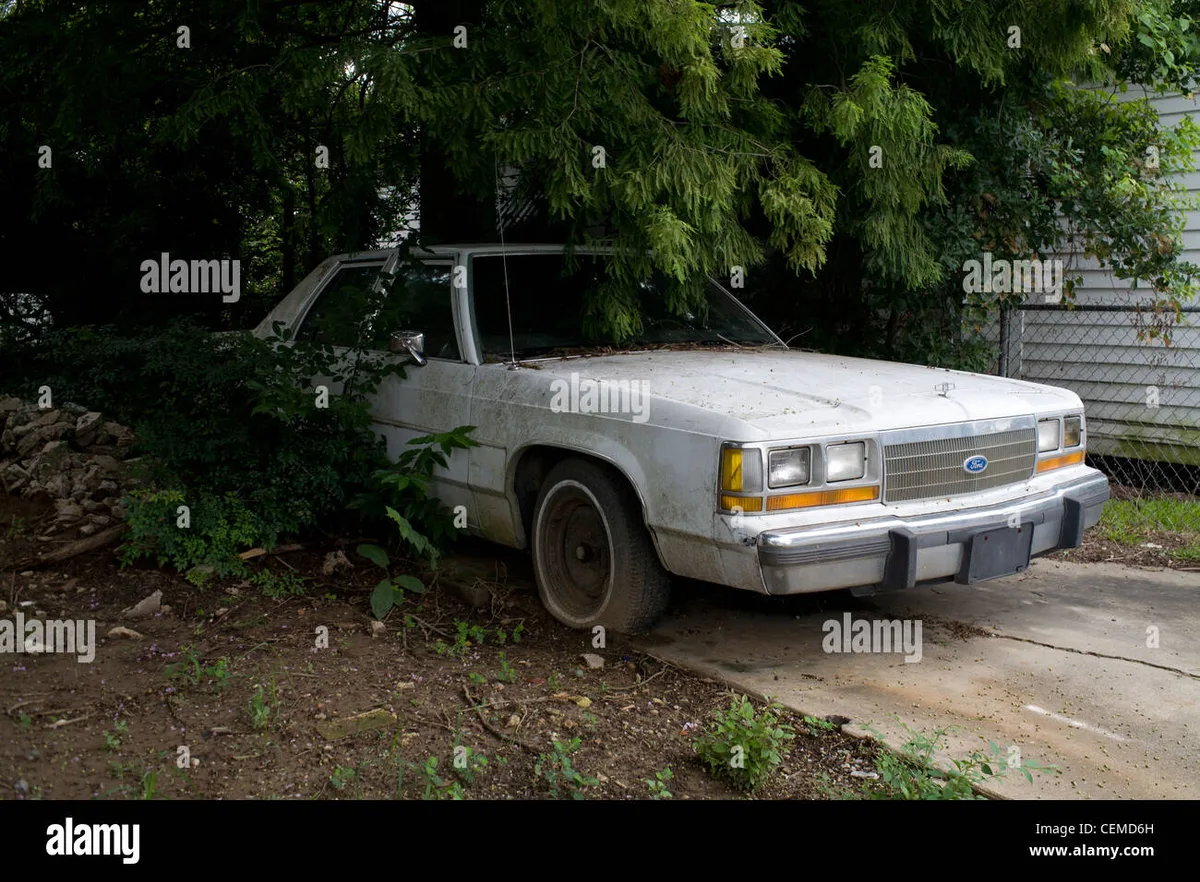
The state also considers a car abandoned if it’s inoperable and left on public property for 24+ hours. Municipalities can act faster if the vehicle blocks traffic or poses a safety risk. Check your town’s ordinances, as some cities like Hartford or New Haven have stricter local rules.
Private Property vs. Public Property: The Two Different Rules
| Factor | Private Property | Public Property |
|---|---|---|
| Notice Required | 48-hour written notice | 24-hour notice (or immediate if hazardous) |
| Who Handles Removal | Property owner + licensed towing company | Police or municipal authorities |
| Cost Responsibility | Property owner (unless vehicle is reclaimed) | Municipality (fees may apply to owner) |
| Lien Process | Towing company can place lien after 30 days | Municipality may auction after 30+ days |
Private property gives you more control but requires strict documentation. Public property removal is faster but involves local authorities.
Step-by-Step Removal on Private Property in Connecticut
1. Confirm the vehicle is abandoned
Check for expired registration, no plates, or signs of disuse. Take photos of the VIN, license plate, and overall condition.
2. File a report with local police
Call your town’s non-emergency line or visit the station. Provide the VIN, make/model, and location.
3. Post a 48-hour notice
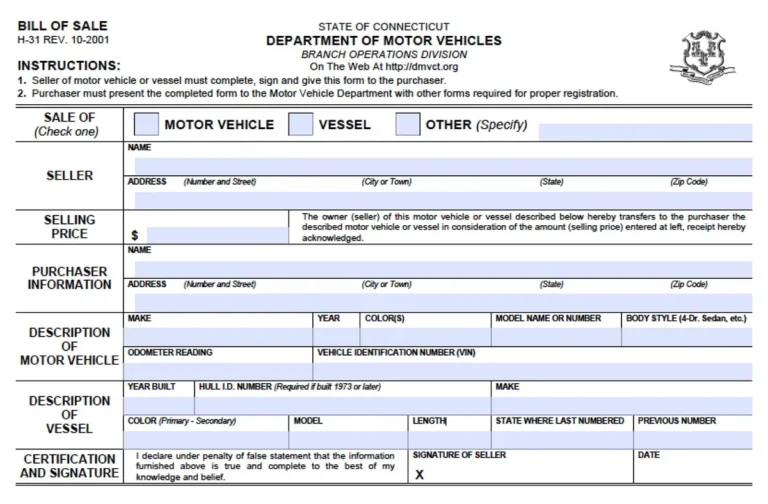
Use the Connecticut DMV’s official form or a written notice with:
- Vehicle description
- Location
- Your contact info
- Statement that the car will be towed if unclaimed
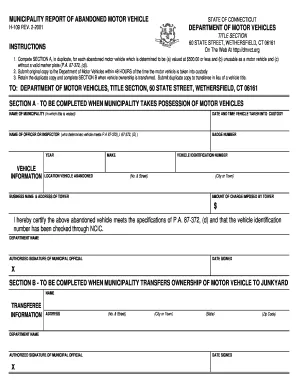
Attach the notice to the windshield or another visible spot. If the car has no windows, tape it to the door or bumper.
4. Wait 48 hours
If the owner doesn’t claim it, you can proceed with towing. Keep a copy of the notice and photos as proof.
5. Call a licensed towing company
Only use a CT DMV-approved tower. They’ll handle the removal and may place a lien if the vehicle isn’t reclaimed within 30 days.
Step-by-Step Removal on Public Property in Connecticut
Public property rules are stricter because the vehicle may be blocking traffic or posing a safety risk.
1. Report to local police or municipal authorities
Call 911 if the car is hazardous. For non-emergencies, use the non-emergency line.
2. Immediate removal for hazards
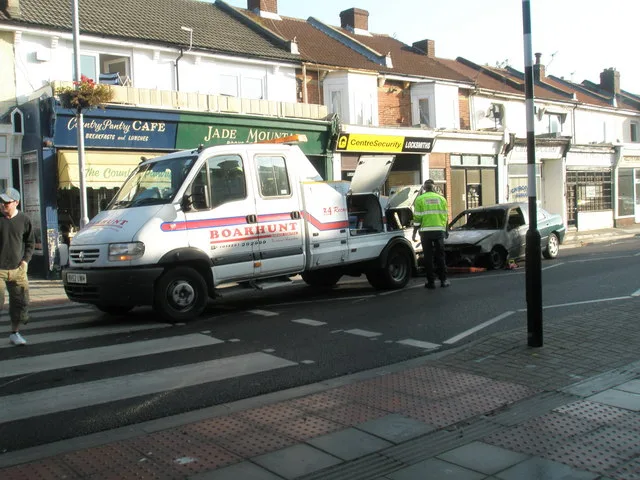
If the vehicle is a danger, police can authorize towing without notice. This includes cars blocking driveways, intersections, or emergency access.
3. 24-hour notice for non-hazardous cases
If the car isn’t an immediate threat, authorities must post a 24-hour notice before towing.
4. Towing and impound
The municipality or their contracted tower will remove the vehicle. Owners have 30 days to reclaim it before it’s sold at auction.
Connecticut’s Legal Requirements You Can’t Skip
You must follow state law to the letter or risk liability. The Connecticut General Statutes § 14-150 outline the process, and local police enforce it.
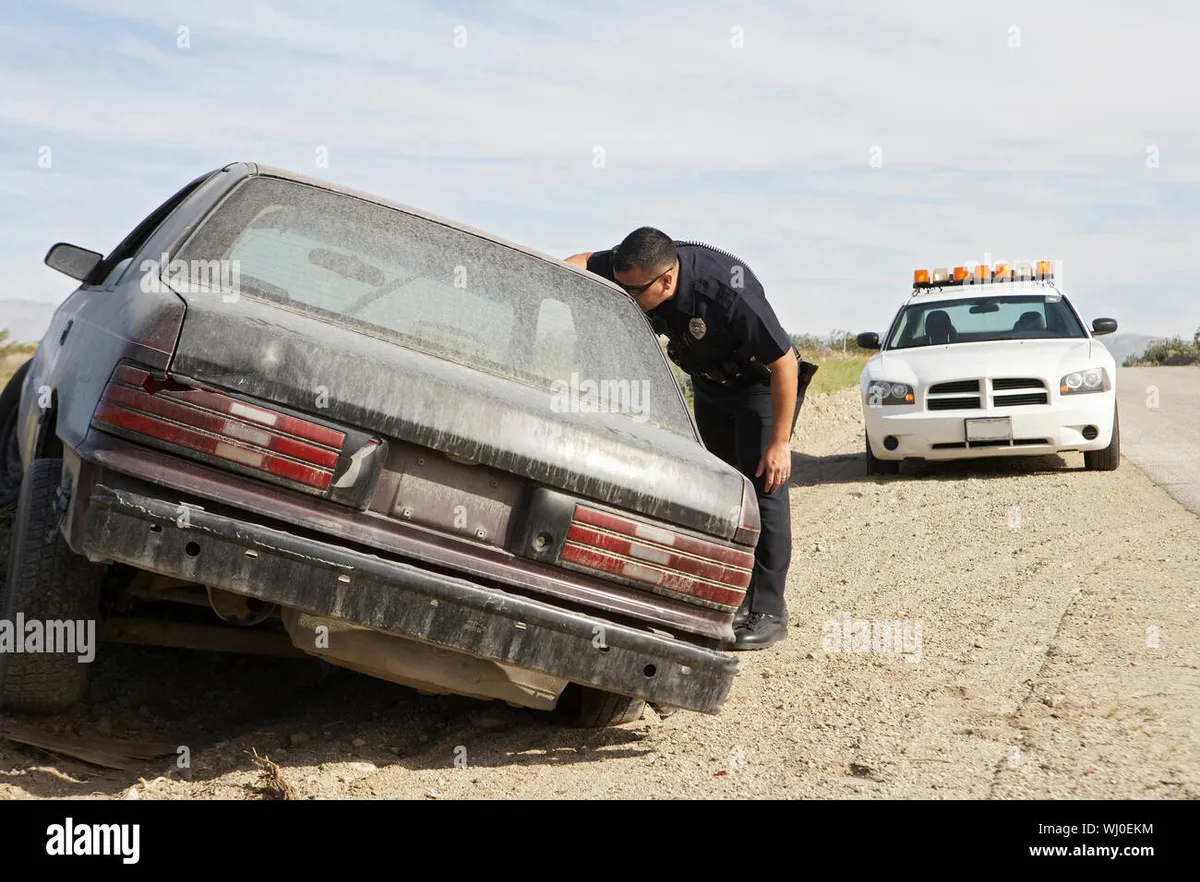
Posting notice is non-negotiable. On private property, you need a 48-hour warning. On public property, authorities handle the notice but still require documentation.
Towing companies must be licensed by the CT DMV. Unlicensed towers can’t legally remove vehicles, and using one could void your case.
How to Find the Owner (And What If You Can’t?)
Start with the VIN. Run it through the CT DMV’s vehicle lookup to check registration status. If the car is registered, the DMV can provide owner contact info.
If the VIN is unreadable, try the license plate. Some towns allow plate-based lookups through local police. If both are missing, the vehicle is likely unregistered.
When the owner can’t be found, the 48-hour notice still applies. After that, towing proceeds as usual. The tower or municipality will attempt to notify the last known owner via mail.
Towing, Fees, and What Happens to the Vehicle After Removal
Towing costs in Connecticut typically run $100 to $300. Daily storage fees add $20 to $50 per day. These fees are the owner’s responsibility if they reclaim the vehicle.
| Fee Type | Typical Cost | Who Pays |
|---|---|---|
| Towing | $100–$300 | Vehicle owner |
| Storage (per day) | $20–$50 | Vehicle owner |
| Lien filing | Varies | Towing company/municipality |
If the vehicle isn’t claimed within 30 days, the towing company or municipality can sell it at auction. Proceeds cover fees first, with any remainder going to the town or state.
Common Mistakes That Get Property Owners in Trouble
Skipping the notice period is the most common error. Even if the car is clearly abandoned, you must post the 48-hour warning on private property. Without it, the owner can sue for wrongful towing.
Using an unlicensed tower is another pitfall. Only CT DMV-approved companies can legally remove abandoned vehicles. Check the DMV’s list of licensed towers before calling.
Ignoring local ordinances can also cause problems. Some towns have stricter rules than state law. Always confirm with your local police or town hall.
What If the Vehicle Is Yours? How to Reclaim It
You have 30 days to reclaim a towed vehicle in Connecticut. Contact the towing company or municipal impound lot as soon as possible. Bring proof of ownership and a valid ID.
Fees must be paid in full before release. This includes towing, storage, and any administrative costs. If you can’t pay, the vehicle may be sold at auction.
If you believe the towing was unlawful, file a dispute with the local police or CT DMV. Provide evidence like photos of the notice or proof the car wasn’t abandoned.
Municipal Differences: Why Your Town’s Rules Might Vary
Some Connecticut towns add their own layers to state law. Hartford requires a police inspection before towing from private property. New Haven mandates a 72-hour notice for commercial lots.
Smaller towns may rely on county sheriffs for enforcement. Always call your local police non-emergency line to confirm. The CT DMV’s municipal guide lists town-specific contacts.
Costs to Expect (Towing, Storage, and More)
Towing fees in Connecticut average $150 to $250 for standard vehicles. Larger trucks or RVs cost more. Storage fees accrue daily, often $25 to $40 per day.
| Service | Estimated Cost | Notes |
|---|---|---|
| Standard tow | $150–$250 | Flat rate for most passenger cars |
| Heavy-duty tow | $300–$500 | For trucks, RVs, or inoperable cars |
| Daily storage | $25–$40 | Starts after first 24 hours |
| Lien filing | $50–$100 | Administrative fee |
Owners must pay all fees to reclaim their vehicle. Unpaid balances can lead to a lien or auction.
FAQs About Connecticut’s Abandoned Vehicle Process
How long before a car is considered abandoned in Connecticut?
A vehicle is abandoned after 48 hours on private property or 24 hours on public property if it’s a hazard. Some towns extend this to 72 hours for commercial lots.
Can I tow a car parked on my property without notice?
No. Connecticut law requires a 48-hour written notice for private property. Skipping this step can result in legal action from the owner.
What happens if the owner never claims the vehicle?
After 30 days, the towing company or municipality can sell the car at auction. Proceeds cover towing and storage fees first.
Do I need a lawyer to remove an abandoned vehicle?
Not usually. Following the legal process protects you. A lawyer may help if the owner disputes the removal or if the case goes to court.
Who pays for towing and storage fees?
The vehicle owner is responsible for all fees. If unclaimed, the towing company or town recoups costs from the auction sale.
When to Call a Lawyer Instead of Handling It Yourself
If the owner threatens legal action, consult an attorney. A lawyer can also help if the vehicle has unclear ownership or if municipal rules are complex.
For most cases, following the state process is sufficient. But if you’re unsure about local ordinances or face resistance, professional advice is worth the cost.