ByMax Lee
Georgia Emissions Test Failed? Reinspection & Repair Rules
Bing (Web (fair-use with source credit))
If your car just failed the Georgia emissions test, you’re not stuck, there’s a clear path forward. The Georgia failed emissions test reinspection rules and repair requirements give you options, from free retests to repair waivers, but you have to follow the steps correctly.
As of 2026, vehicles in 13 metro Atlanta counties must pass a biennial emissions check to stay legal. Fail it, and you’ll need to act fast to avoid registration issues.
Quick Answer
Georgia failed emissions test reinspection rules and repair requirements let you retest for free within 30 days. You can repair the issue at any shop. Use a Certified Emissions Repair Center to qualify for a waiver.
The waiver applies if repairs cost over $650. You must complete repairs before the 30-day window closes.
What Happens If You Fail the Georgia Emissions Test?
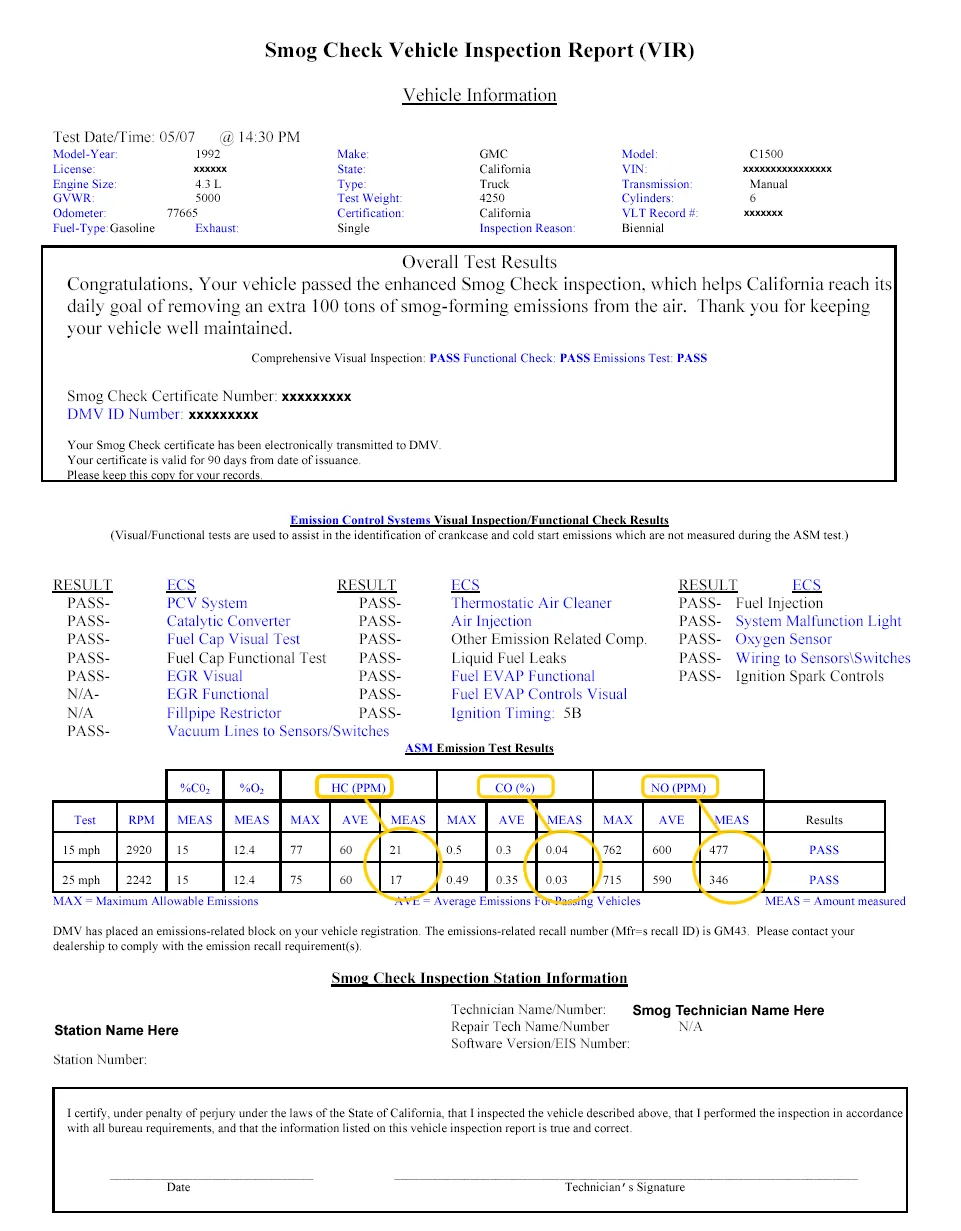
You’ll get a Vehicle Inspection Report listing the reason for failure. This could be a simple fix like a loose gas cap or a serious issue like a faulty catalytic converter.
Bing (Web (fair-use with source credit))
Your registration won’t renew until you pass a retest or qualify for a waiver. The state doesn’t fine you immediately, but driving with an expired registration can lead to penalties. You have 30 days to address the issue and return for a free retest.
The Georgia Clean Air Force oversees the program. They provide the official list of test stations and repair centers.
Which Georgia Counties Require Emissions Testing?
Only 13 counties in metro Atlanta enforce emissions testing. These are Cherokee, Clayton, Cobb, DeKalb, Douglas, Fayette, Forsyth, Fulton, Gwinnett, Henry, Paulding, Rockdale, and Spalding.
Vehicles registered outside these counties don’t need the test. If you move into one of these counties, your car must pass emissions before you can register it there.
The rule applies to most gasoline-powered vehicles from 1996 and newer. Diesel vehicles and those older than 25 years are exempt. Electric and hybrid vehicles also skip the test.
Why Vehicles Fail the Georgia Emissions Test
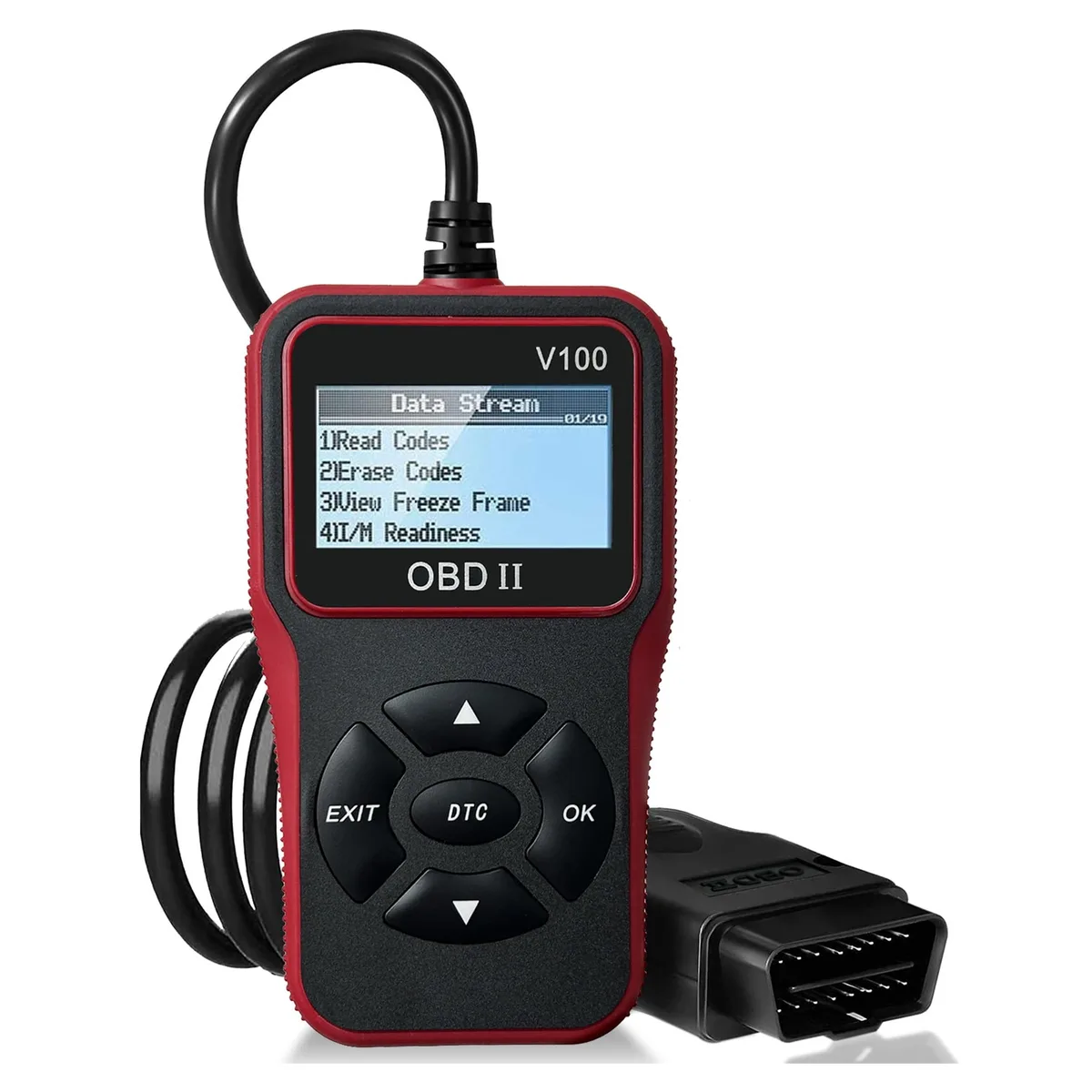
The most common reasons are OBD-II system issues, high pollutant levels, or a Check Engine Light. The test checks for hydrocarbons, carbon monoxide, and nitrogen oxides.
Bing (Web (fair-use with source credit))
A loose or damaged gas cap can trigger a failure. So can a faulty oxygen sensor or catalytic converter. If your car’s OBD-II system isn’t ready, it won’t pass either.
Here’s a quick breakdown of common failure causes:
| Issue | Likely Fix | Estimated Cost |
|---|---|---|
| Loose gas cap | Tighten or replace cap | $0–$25 |
| Faulty oxygen sensor | Replace sensor | $100–$300 |
| Clogged catalytic converter | Replace converter | $500–$2,500 |
| Evaporative emissions leak | Repair or replace hoses/valves | $150–$600 |
| Check Engine Light on | Diagnose and repair underlying issue | Varies |
How to Get a Free Reinspection in Georgia
You get one free retest within 30 days of your initial failure. Just return to any state-contracted emissions test station with your Vehicle Inspection Report.
No appointment is needed for the retest. Bring your vehicle, the failure report, and your driver’s license. The retest takes about 15, 20 minutes.
If you pass, you’ll get a new report showing compliance. If you fail again, you’ll need to address the new issues before retesting. There’s no limit to how many times you can retest, but only the first retest is free.
Georgia’s Certified Emissions Repair Centers (CERCs) Explained
Not all repair shops qualify for emissions-related fixes. Only state-certified CERCs can perform repairs that count toward a waiver. These shops meet Georgia’s strict training and equipment standards.
You can find a CERC through the Georgia Clean Air Force website. They’ll diagnose the issue, provide a repair estimate, and document the work for waiver eligibility. Always ask for a detailed receipt.
When You Qualify for a Georgia Emissions Repair Waiver
You may get a waiver if your repairs cost at least $650 and your car still fails. The waiver isn’t automatic. You must apply through a CERC and provide all repair receipts.
Bing (Web (fair-use with source credit))
The waiver is valid for one year. After that, you’ll need to retest. Vehicles 25 years or older are exempt from testing entirely.
Step-by-Step: Fixing a Failed Test and Getting Back on the Road
First, get the failure report and understand the issue. If it’s a simple fix like a gas cap, address it yourself. For complex problems, visit a CERC.
After repairs, return for a retest within 30 days. If you pass, you’re done. If you fail again, you can apply for a waiver if you’ve spent enough on repairs.
Costs to Expect: Testing, Repairs, and Waivers
The initial test costs $25. The first retest is free. Repairs vary widely, from $20 for a gas cap to $2,500 for a catalytic converter.
Here’s a cost breakdown:
| Service | Cost |
|---|---|
| Initial emissions test | $25 |
| Free retest | $0 |
| Gas cap replacement | $0–$25 |
| Oxygen sensor replacement | $100–$300 |
| Catalytic converter | $500–$2,500 |
Common Mistakes That Delay Your Retest
Ignoring the 30-day window is a big one. Wait too long, and you’ll pay for another test. Not keeping receipts can also hurt your waiver chances.
Another mistake is assuming any shop can do emissions repairs. Only CERCs count for waiver eligibility. Always confirm certification before starting work.
What Happens If You Ignore a Failed Emissions Test in Georgia?
Your vehicle registration won’t renew. The Georgia Department of Revenue blocks registration until you pass or get a waiver. Driving with expired tags can lead to fines up to $100.
Law enforcement can also issue citations for expired registration. If you’re pulled over, you’ll need to show proof of a pending retest or waiver application.
Georgia Emissions Test Exemptions You Might Not Know About
Vehicles 25 years or older are exempt. As of 2026, that includes model year 1999 and earlier. Diesel vehicles and motorcycles also skip the test.
Electric and hybrid vehicles don’t need emissions testing. New vehicles may get a temporary exemption for the first few model years.
Pro Tips to Pass Your Retest the First Time
Warm up your engine before testing. A cold engine can skew results. Drive for at least 15 minutes to ensure the catalytic converter is hot.
Clear any pending OBD-II codes. Even a minor issue can trigger a failure. If your Check Engine Light is on, diagnose and fix it first.
Frequently Asked Questions
How long do I have to fix my car after failing?
You get 30 days for a free retest. After that, you’ll pay the $25 fee again. The clock starts the day of your initial failure.
Can I get a waiver if my repairs cost less than $650?
No. The minimum spend is $650 at a Certified Emissions Repair Center. Keep all receipts to prove the cost.
What if my car fails the retest after repairs?
You can apply for a waiver if you’ve spent enough. If not, you’ll need to address the new issues and retest again.
Do I need an appointment for the retest?
No. Walk-ins are accepted at all state-contracted test stations. Bring your failure report and driver’s license.
Are there any temporary permits if my registration is blocked?
Georgia doesn’t issue temporary permits for emissions failures. You must pass or get a waiver to renew registration.