ByMax Lee
Hawaii PMVI Inspection & Annual Safety Check Guide
Hawaii annual safety check requirements and PMVI inspection procedures can trip up even long-time residents. The state mandates this inspection to keep vehicles roadworthy, and missing it means fines or registration holds. As of 2026, the rules haven’t changed, you still need that sticker to drive legally.
The process is straightforward but strict. Hawaii’s Periodic Motor Vehicle Inspection (PMVI) checks brakes, lights, tires, and more, with county-specific twists. Skip it, and you’re looking at penalties that start at $100 and climb fast.
Quick Answer
Hawaii annual safety check requirements and PMVI inspection procedures apply to all registered vehicles. Inspections are annual for most cars. Stations check brakes, lights, tires, and emissions where required.
Costs run $10 to $25. You cannot renew registration without a valid sticker.
What Hawaii’s Annual Safety Check (PMVI) Actually Requires
This isn’t just a formality. The Hawaii Department of Transportation (HDOT) enforces the PMVI to reduce accidents and ensure vehicles meet basic safety standards. The official HDOT site outlines the full scope, but the core is simple: your car must pass a visual and functional check of critical systems.
Bing (Web (fair-use with source credit))
The inspection covers:
- Brakes: Pad thickness, fluid leaks, and pedal function
- Lights: Headlights, taillights, turn signals, and brake lights
- Tires: Tread depth (minimum 2/32 inch) and sidewall damage
- Steering and Suspension: No excessive play or damage
- Windshield and Glass: No cracks obstructing the driver’s view
- Exhaust System: No leaks or excessive noise
- Seatbelts and Horn: Must work properly
New vehicles under two years old may be exempt in some counties, but check your local rules. If you’ve modified your car, aftermarket parts must still meet Hawaii’s safety standards.
Who Needs a PMVI and When
Every registered vehicle in Hawaii needs a PMVI, but the timing varies. Most passenger cars require an annual inspection. Motorcycles follow the same rule, while commercial vehicles may have stricter or more frequent requirements.
New residents have 30 days to get their out-of-state vehicles inspected after establishing residency. If you’re visiting and renting a car, the rental company handles the inspection, you don’t. But if you’re driving your own vehicle, even temporarily, you must comply.
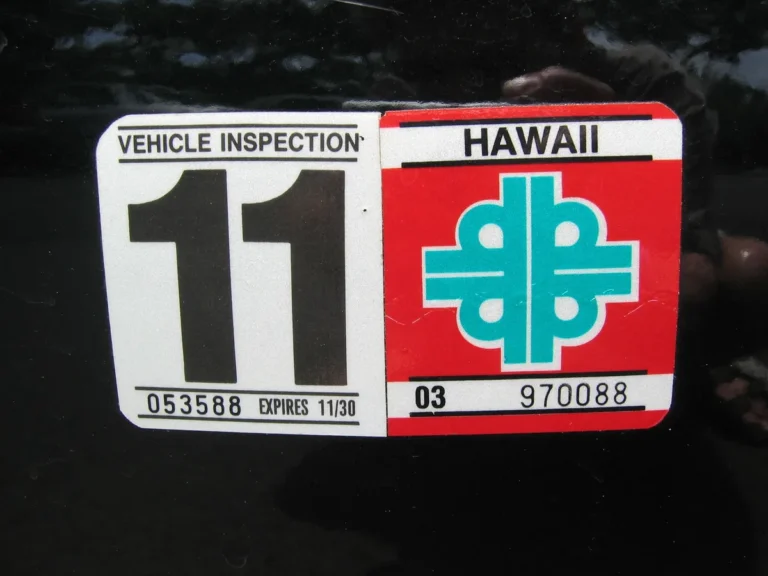
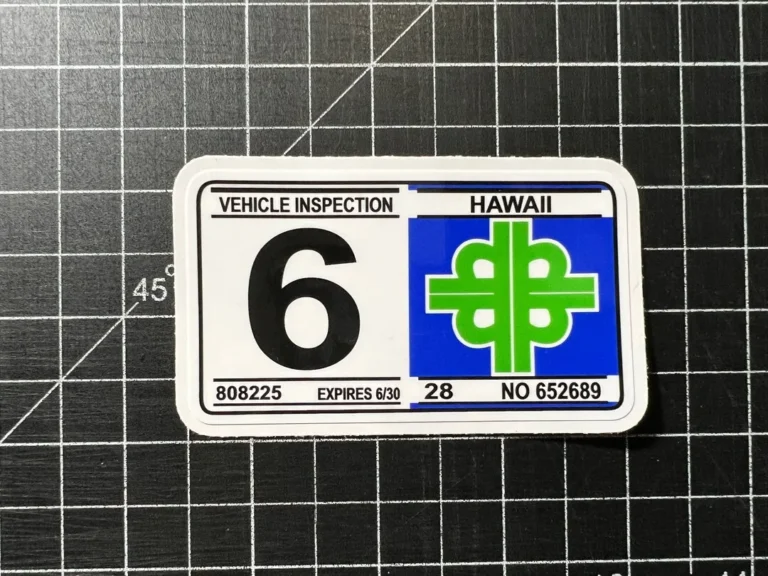
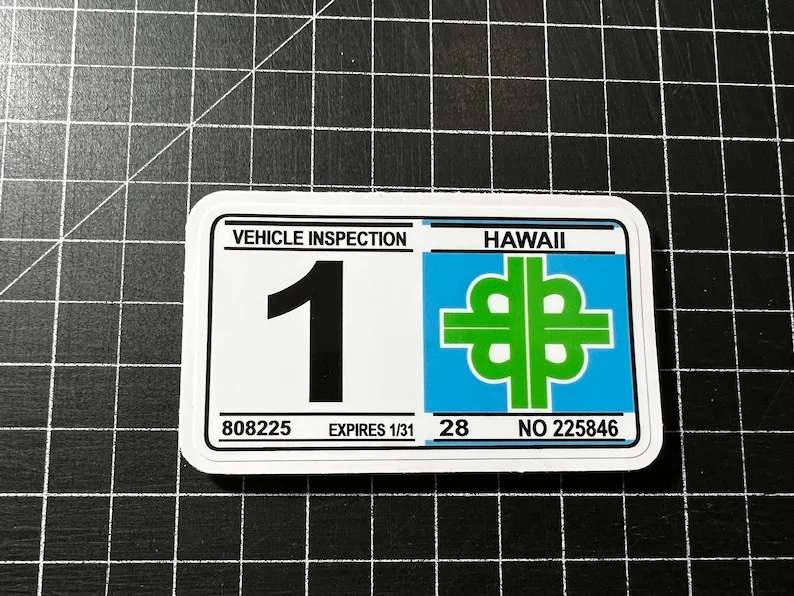
The inspection sticker’s expiration date is your deadline. There’s no grace period, and driving with an expired sticker can lead to a citation. Police can pull you over for this alone, and the fine isn’t cheap.
What Gets Checked During the Inspection
The PMVI is thorough but not invasive. Inspectors don’t tear apart your car, they focus on visible and functional components.
Bing (Web (fair-use with source credit))
| Component | What’s Checked | Common Failure Reasons |
|---|---|---|
| Brakes | Pad thickness, fluid leaks, pedal travel | Worn pads, low fluid, spongy pedal |
| Lights | Functionality and alignment | Burnt-out bulbs, misaligned beams |
| Tires | Tread depth, sidewalls, inflation | Bald tires, cracks, underinflation |
| Steering/Suspension | Play, damage, or wear | Loose components, leaks |
| Windshield | Cracks, obstructions, wipers | Large cracks, non-functional wipers |
| Exhaust | Leaks, noise, emissions (where applicable) | Rust holes, loud exhaust |
Emissions testing is separate in some counties, like Honolulu. If your vehicle is subject to it, you’ll need to complete that in addition to the safety check.
Step-by-Step: How to Get Your Hawaii Safety Check Done
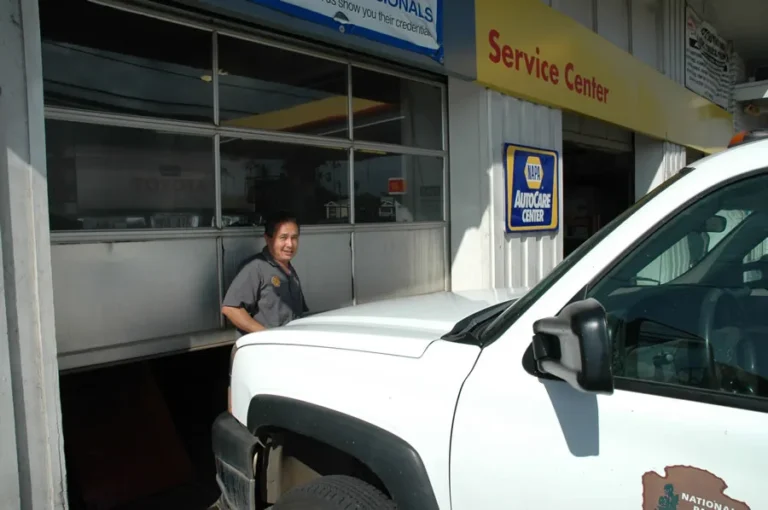
The process is simple if you’re prepared. Start by locating a certified PMVI station, most gas stations and repair shops offer the service.
Bing (Web (fair-use with source credit))
Before You Go:
- Fix obvious issues like burnt-out bulbs or low tire pressure.
- Gather your vehicle registration and proof of insurance.
- Clear out clutter so the inspector can access all areas.
At the Station:
- Drive to the inspection bay and present your documents.
- The inspector will conduct the visual and functional checks.
- If you pass, you’ll get a sticker and a receipt. If you fail, you’ll receive a report detailing the issues.
After the Inspection:
- Affix the sticker to your windshield as instructed.
- Address any failures and return for a re-inspection if needed.
- Keep your receipt, you may need it for registration renewal.
Costs, Fees, and Where to Go
The PMVI fee is typically $10 to $25. Prices vary slightly by county and station. Most stations don’t require appointments, but rural areas may.
You’ll find certified inspection stations at many gas stations, auto repair shops, and dedicated inspection centers. The HDOT website lists approved locations. Some counties publish their own lists, so check with your local DMV or DCS office.
Re-inspections after a failure are often free if you return within 30 days. After that, you may pay the full fee again. Always confirm the policy with the station before you go.
What Happens If You Fail (And How to Fix It Fast)
If your vehicle fails, you’ll get a detailed report listing the issues. You have a set period, usually 30 days, to fix the problems and return for a free re-inspection.
Common fixes are simple and cheap. Burnt-out bulbs, low tire pressure, or a broken horn can often be resolved in minutes. More serious issues like brake or steering problems will need professional attention.
Driving with a failed inspection is illegal. If you’re pulled over, you’ll face the same fines as driving with an expired sticker.
County-Specific Rules You Need to Know
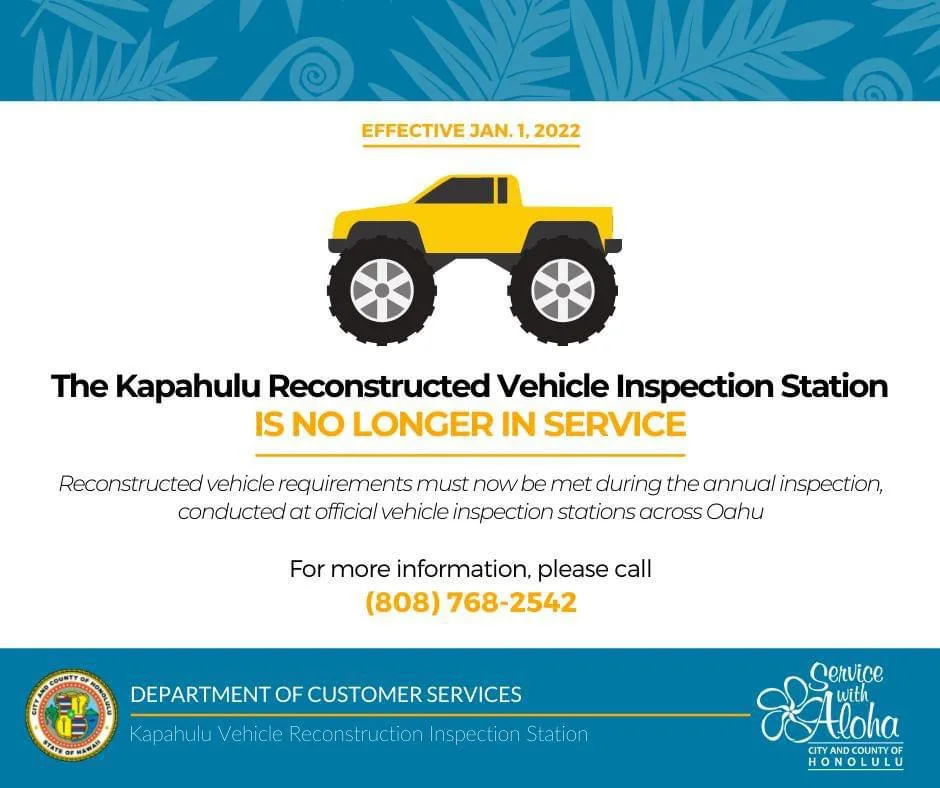
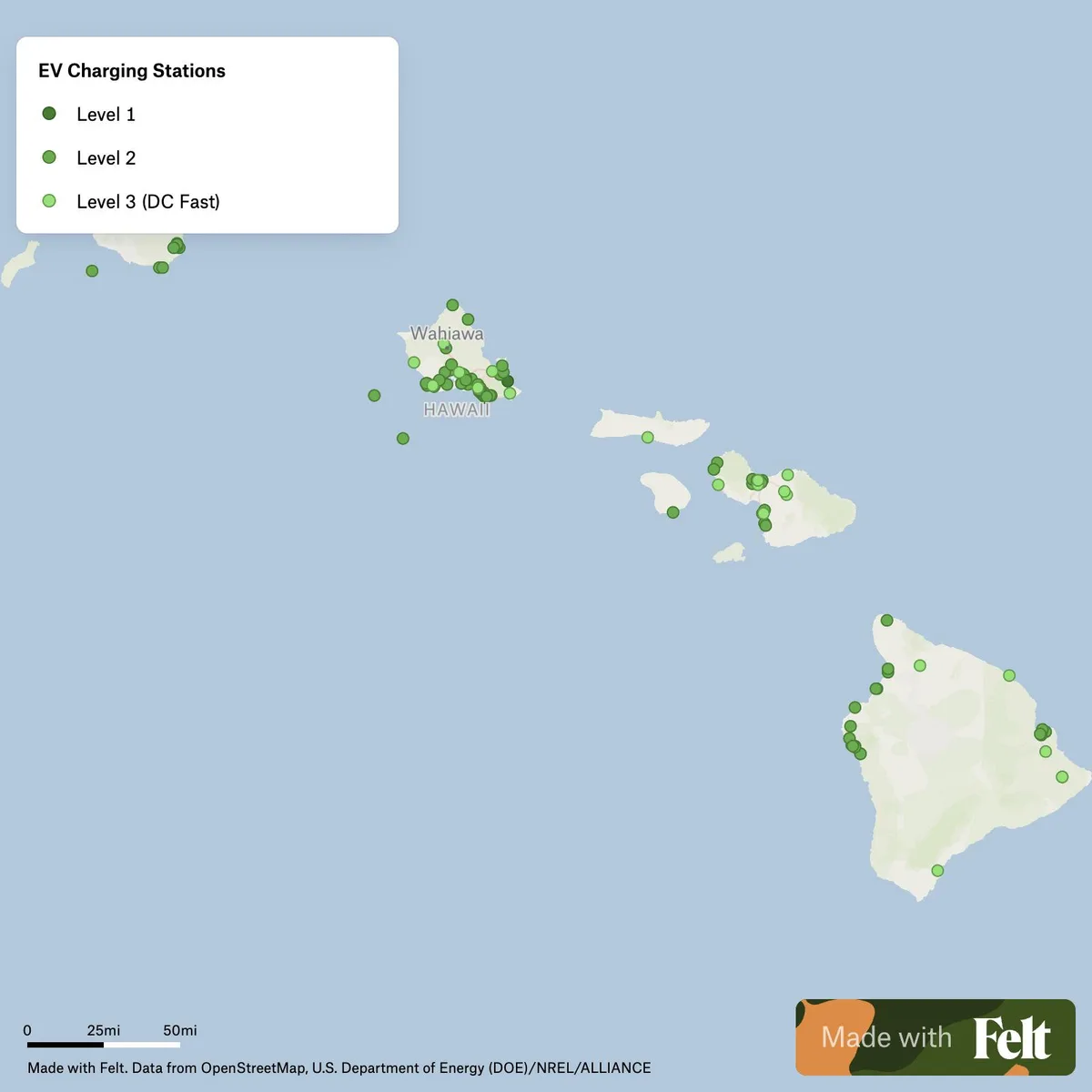
Hawaii’s counties have slight variations in how they enforce the PMVI. Honolulu is the strictest, with the most inspection stations and active enforcement. Maui, Hawaii Island, and Kauai have fewer stations, so appointments may be necessary.
Bing (Web (fair-use with source credit))
Honolulu requires emissions testing for most vehicles in addition to the safety check. The other counties currently do not. Always verify with your county’s transportation office.
New vehicles may be exempt for the first two years in some counties. But once the exemption period ends, annual inspections are mandatory. Out-of-state vehicles must comply within 30 days of registration in Hawaii.
Common Mistakes That Get Drivers Fined
The most common mistake is simply forgetting the inspection. Set a calendar reminder a month before your sticker expires. Driving with an expired sticker can cost you $100 or more.
Another frequent issue is ignoring minor problems. A single burnt-out taillight or a slightly cracked windshield can cause a failure. Fix these before your inspection to save time and money.
Some drivers try to pass with tampered or fake stickers. This is a bad idea. Inspectors and police can spot fakes, and the penalties are severe.
Out-of-State Vehicles: Hawaii’s Special Rules
If you’re moving to Hawaii, your out-of-state vehicle must pass a PMVI within 30 days of establishing residency. The inspection ensures your car meets Hawaii’s safety standards, which may differ from your previous state.
Modified vehicles often face extra scrutiny. Aftermarket parts like lift kits or custom exhausts must comply with Hawaii’s regulations. If they don’t, you’ll need to revert or modify them before passing.
Tourists driving their own vehicles in Hawaii must also comply. There’s no exemption for visitors. If you’re staying long-term, get your car inspected as soon as possible.
How to Check Your Inspection Status
You can verify your inspection status online through your county’s transportation website. Honolulu’s system is the most user-friendly, letting you enter your license plate number for instant results.
If you prefer in-person verification, visit a local DMV or inspection station. Bring your registration and they’ll confirm your status. Some stations also provide this info over the phone.
Don’t wait until the last minute. Checking a few weeks before expiration gives you time to address any issues.
FAQs About Hawaii’s PMVI and Safety Check
How often do I need a PMVI in Hawaii?
Most vehicles require an annual inspection. Newer cars may get a two-year exemption in some counties. Always check your county’s specific rules.
What’s the difference between a safety check and emissions test?
The safety check covers brakes, lights, tires, and other mechanical components. Emissions testing checks your vehicle’s pollution output. Honolulu requires both, while other counties may only require the safety check.
Can I get a fine for an expired inspection sticker?
Yes. Driving with an expired sticker can result in a $100 to $200 fine. Police can pull you over for this alone.
What if my car fails the inspection?
You’ll receive a report detailing the issues. Fix them and return for a re-inspection, usually free within 30 days. After that, you may need to pay the full fee again.
Do I need an appointment for a PMVI?
Most stations don’t require appointments, but rural areas may. Call ahead to confirm. Walk-ins are typically welcome in urban locations.
Are there any exemptions for classic or vintage cars?
Some counties offer exemptions for historic vehicles, but the rules vary. Check with your local DMV to see if your car qualifies.