ByMax Lee
Hawaii Lemon Law: New Car Repair Rights Explained
Wikimedia Commons / Riley from Christchurch, New Zealand (CC BY)
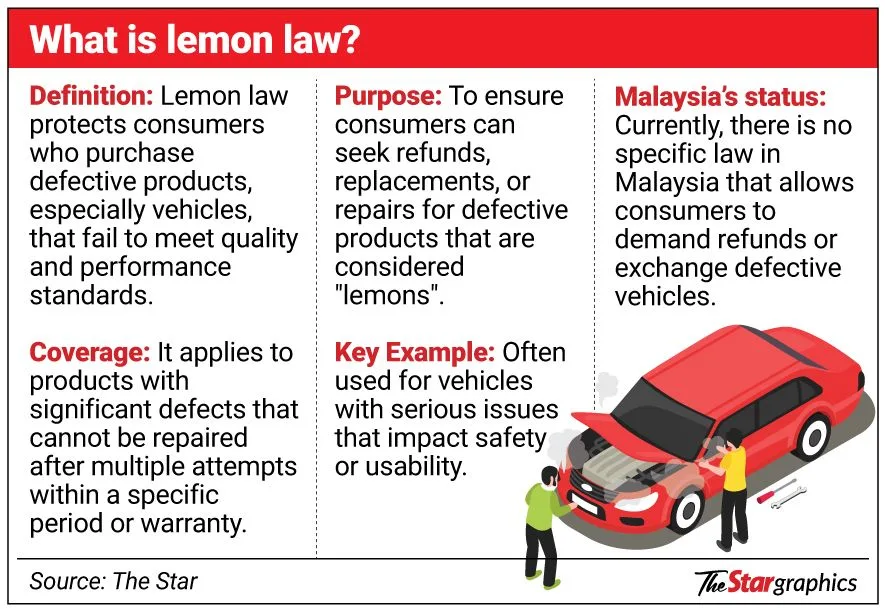
If your new car keeps breaking down despite repeated repairs, Hawaii’s lemon law for new vehicle consumer protection and repair standards may force the manufacturer to buy it back or replace it. This law exists to protect buyers when a vehicle has substantial defects that impair its use, value, or safety.
Hawaii’s law covers new or demonstrator vehicles for 24 months or 24,000 miles, whichever comes first. If your car meets the criteria, you could be entitled to a full refund or a replacement.
Quick Answer
Hawaii lemon law for new vehicle consumer protection and repair standards covers defects that substantially impair use, value, or safety. It applies to new vehicles within 24 months or 24,000 miles. Three repair attempts or 30 days out of service trigger eligibility.
The manufacturer must buy back or replace qualifying vehicles.
How Hawaii’s Lemon Law Actually Works
Hawaii’s lemon law, outlined in Hawaii Revised Statutes §481I, applies when a new vehicle has a defect that the manufacturer or dealer can’t fix after a reasonable number of attempts. The law defines this as three or more repair attempts for the same issue or 30 or more cumulative days out of service within the first 24 months or 24,000 miles.
Bing (Web (fair-use with source credit))
The process starts with documenting every repair visit. Keep all work orders, invoices, and communication with the dealer or manufacturer. If the defect persists, notify the manufacturer in writing, giving them one last chance to fix it.
If they fail, you can file for arbitration or take legal action.
This law applies to new or demonstrator vehicles purchased or leased in Hawaii. It doesn’t cover defects caused by abuse, neglect, or unauthorized modifications.
What Counts as a “Lemon” Under Hawaii Law
A vehicle qualifies as a lemon if it has a substantial defect that impairs its use, value, or safety. This could include persistent transmission failures, electrical system malfunctions, or brake defects. The defect must occur within the first 24 months or 24,000 miles.
Minor issues like a loose radio knob or a squeaky door typically don’t qualify. The defect must significantly affect the vehicle’s core functionality or safety. For guidance, the Hawaii Department of Commerce and Consumer Affairs (DCCA) can clarify what meets the threshold.
The 3 Repair Rules That Trigger Your Rights
Hawaii’s lemon law is triggered by one of three scenarios. First, the manufacturer has attempted to repair the same defect three or more times, and the issue persists. Second, the vehicle has been out of service for a cumulative total of 30 or more days due to repairs.
Third, the defect is so severe that it could cause serious injury or death if the vehicle is driven.
If any of these conditions are met, you have the right to demand a refund or replacement. The manufacturer may offer arbitration to resolve the dispute, but you’re not obligated to accept it.
Step-by-Step: How to File a Lemon Law Claim in Hawaii
Start by gathering all documentation related to your vehicle’s repairs. This includes work orders, invoices, and any communication with the dealer or manufacturer. This paperwork is critical to proving your case.
Next, notify the manufacturer in writing via certified mail that you’re invoking your rights under Hawaii’s lemon law. Give them a final opportunity to repair the defect. If they fail to resolve the issue, you can file a complaint with the Hawaii DCCA or pursue arbitration through the manufacturer’s program.
As of 2026, the DCCA provides a complaint form to streamline this process.
If arbitration doesn’t resolve the issue, you may need to take legal action. In Hawaii, if you win your case, the manufacturer is responsible for covering your attorney fees.
Hawaii vs. Federal Lemon Law: Which One Protects You More?
Hawaii’s lemon law is more specific and consumer-friendly for vehicles. It covers defects within 24 months or 24,000 miles and requires fewer repair attempts to qualify.
Bing (Web (fair-use with source credit))
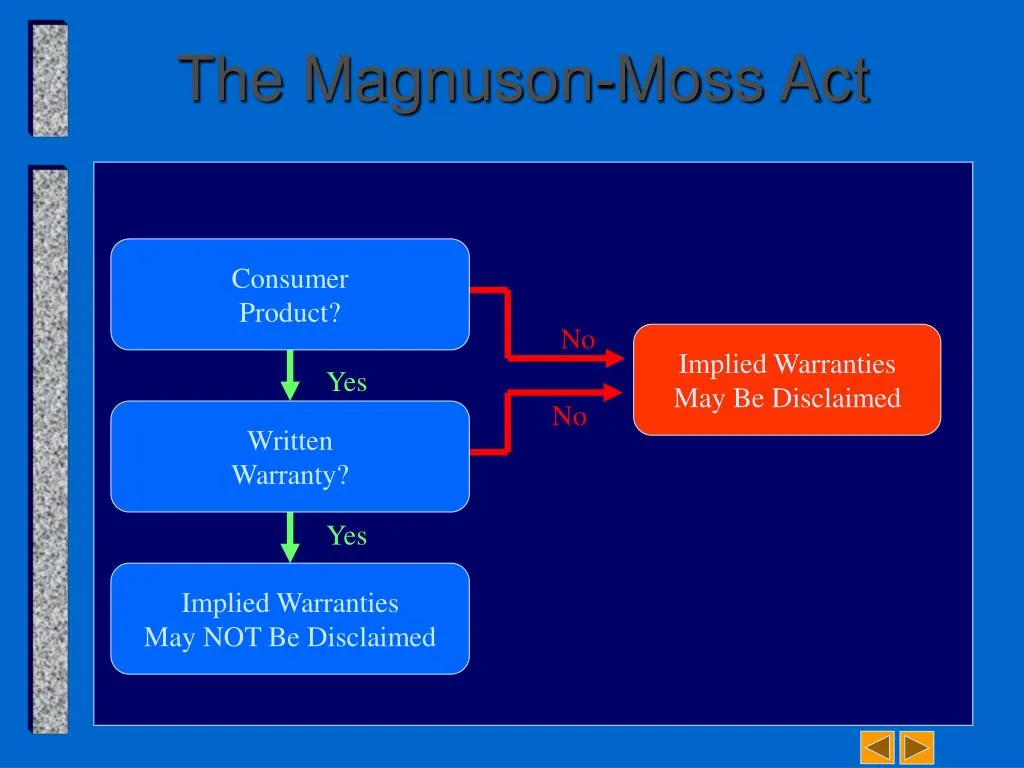
The federal Magnuson-Moss Warranty Act applies to all warrantied products, not just cars. It requires a "reasonable number" of repair attempts but doesn’t define a strict timeline or mileage limit. For vehicles, Hawaii’s law offers clearer protections.
If your car qualifies under both, you can pursue either path. Hawaii’s law is often faster and more straightforward for vehicle-specific issues.
Arbitration vs. Lawsuit: Which Path Gets You the Best Outcome
Arbitration is typically faster and less expensive than a lawsuit. Most manufacturers offer their own arbitration programs, which are often binding. If you win, the manufacturer must comply with the decision.
A lawsuit allows you to seek broader damages, including compensation for inconvenience or additional costs. However, it can take longer and may require legal representation. In Hawaii, if you win in court, the manufacturer must cover your attorney fees.
Arbitration is best for straightforward cases where you want a quick resolution. A lawsuit may be worth considering if the manufacturer is uncooperative or the defect caused significant financial harm.
The Paperwork You Must Keep (Or Lose Your Case)
Documentation is the backbone of any lemon law claim. Without proof of repair attempts, your case may be dismissed.
Bing (Web (fair-use with source credit))
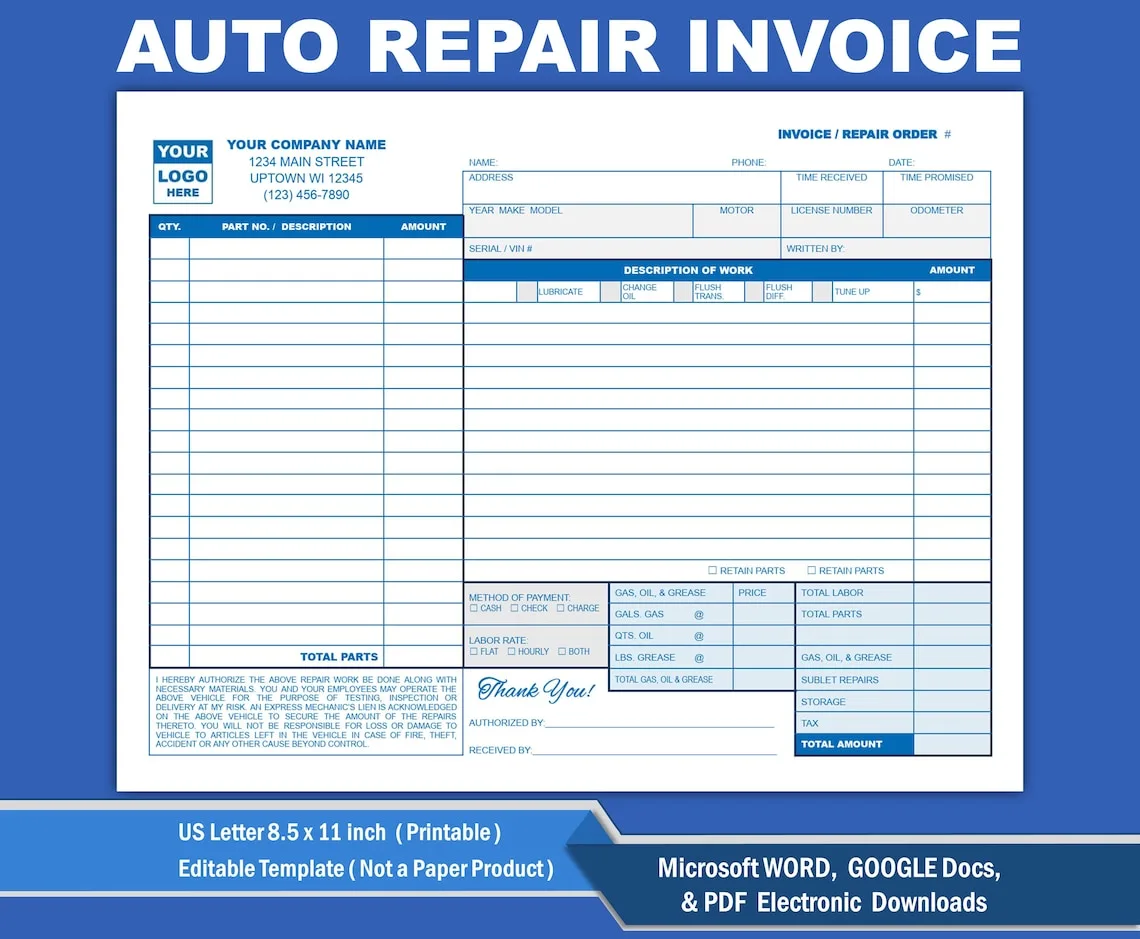
Keep copies of all repair orders, invoices, and work receipts. Note the dates, mileage, and description of the issue each time. Also save any written communication with the dealer or manufacturer.
A repair log can help track the timeline and ensure you meet the 3-attempt or 30-day threshold. Without this paperwork, proving your case becomes nearly impossible.
How Much You’ll Get Back (And What They’ll Deduct)
If your claim is successful, you’re entitled to a full refund or a replacement vehicle. The refund includes the purchase price, taxes, registration fees, and any other out-of-pocket costs directly related to the vehicle.
Manufacturers may deduct a "reasonable allowance" for the miles you’ve driven before the first repair attempt. This deduction is based on the vehicle’s mileage at the time of the first reported issue, not the total miles driven.
If you choose a replacement, it must be a comparable new vehicle. The manufacturer covers all costs associated with the replacement, including taxes and fees.
When to Hire a Lawyer (And When You Don’t Need One)
You don’t need a lawyer to file a lemon law claim in Hawaii. The process is designed to be consumer-friendly, and arbitration programs are often free. Many people successfully navigate the process on their own.
However, if the manufacturer disputes your claim or the case becomes complex, legal representation can be valuable. In Hawaii, if you win your case, the manufacturer must pay your attorney fees. This makes hiring a lawyer a lower-risk option.
Consider consulting a lawyer if the manufacturer denies your claim, delays the process, or offers an unfair settlement.
Hawaii-Specific Quirks That Trip Up Buyers
Hawaii’s isolated location creates unique challenges for lemon law claims. Shipping delays for parts can extend repair times, which may work in your favor if the vehicle hits the 30-day threshold.
The Hawaii Motor Vehicle Industry Licensing Board oversees dealer compliance. Some buyers assume mainland warranties don’t apply here, but they do. The law covers all new vehicles sold in Hawaii, regardless of where they were manufactured.
Island-specific issues like salt corrosion or tropical climate damage don’t automatically qualify as defects. These must still meet the substantial impairment standard to be covered.
Real-Life Example: A Hawaii Lemon Law Win (And What Went Right)
A Honolulu driver purchased a new SUV that developed persistent transmission issues. After four repair attempts within 18 months, the defect remained unresolved.
The owner documented every service visit, including dates and mileage. They sent a certified letter to the manufacturer, invoking Hawaii’s lemon law. The manufacturer’s arbitration program ruled in the owner’s favor, resulting in a full buyback.
This case succeeded because of meticulous record-keeping and following the proper notification process. The owner also acted within the 24-month window, which was critical to their claim.
Frequently Asked Questions
Does Hawaii’s lemon law cover leased vehicles?
Yes, it covers both purchased and leased new vehicles. The same 24-month or 24,000-mile window applies. Lease agreements don’t change your rights under the law.
What if the dealer says the issue is “normal”?
If the defect substantially impairs use, value, or safety, it doesn’t matter if the dealer considers it normal. Document the issue and continue pursuing repairs. The law focuses on the impact, not the dealer’s opinion.
Can I still file a claim if I didn’t use the dealer for repairs?
Hawaii’s law doesn’t require you to use the selling dealer for repairs. Any authorized repair facility counts. Just ensure all work is properly documented.
How long does the arbitration process take?
Most manufacturer arbitration programs resolve claims within 40 to 60 days. Hawaii’s DCCA can provide timelines for state-mediated cases. Delays often occur if documentation is incomplete.
What if the manufacturer offers a partial refund?
You’re entitled to a full refund or replacement under Hawaii’s law. Partial offers may not meet legal requirements. Consult the DCCA or a lawyer before accepting any settlement.
Does the law cover used cars with extended warranties?
No, Hawaii’s lemon law only applies to new or demonstrator vehicles. Used cars, even with warranties, aren’t covered. Other consumer protection laws may apply in those cases.