Hawaii motorcycle helmet law requirements for riders under 18 are clear: if you're under 18, you must wear a DOT-approved helmet every time you ride. This isn’t just a recommendation, it’s the law, and breaking it can mean fines or worse.
Per Hawaii Revised Statutes §291-11.5, the helmet must meet Federal Motor Vehicle Safety Standard No. 218. That’s the DOT certification you’ll see on compliant helmets.
Quick Answer
Hawaii requires all riders under 18 to wear a DOT-approved helmet. The helmet must meet FMVSS No. 218 standards. Non-compliance can result in fines.
No exceptions exist for short trips or low speeds.
Why This Law Exists and Who It Affects
Hawaii’s helmet law targets young riders because they’re statistically more vulnerable in crashes. The rule applies to anyone operating or riding on a motorcycle under age 18, whether on public roads or private property accessible to the public.
This isn’t just about safety, it’s about legal accountability. Parents and guardians should ensure compliance, as violations can lead to penalties for both the rider and the responsible adult.
DOT Certification: What It Means and How to Spot It
DOT certification means the helmet meets federal safety standards for impact resistance, penetration resistance, and retention system strength. FMVSS No. 218 is the specific standard you’re looking for.
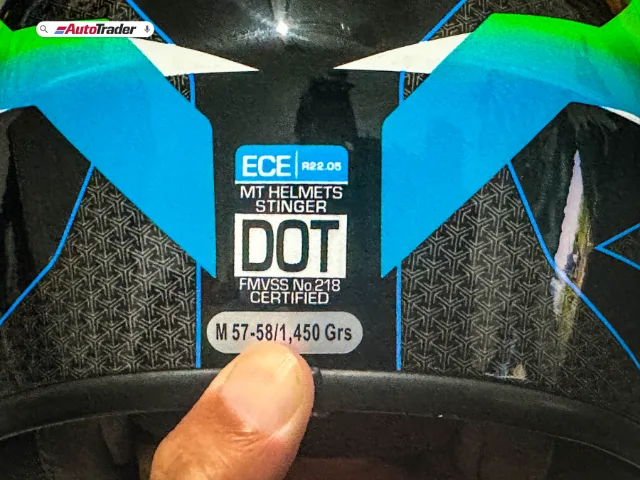
To verify, check for a permanent label on the helmet’s interior or exterior. It should include the manufacturer’s name, model, and the DOT symbol. Avoid helmets with only a sticker, real DOT helmets have the certification molded into the shell or liner.
Helmet Types That Comply (and Which Don’t)
Not all helmets are legal in Hawaii for under-18 riders. Full-face and half-shell helmets are acceptable if DOT-approved. Novelty helmets, even if they look similar, don’t meet the standard.
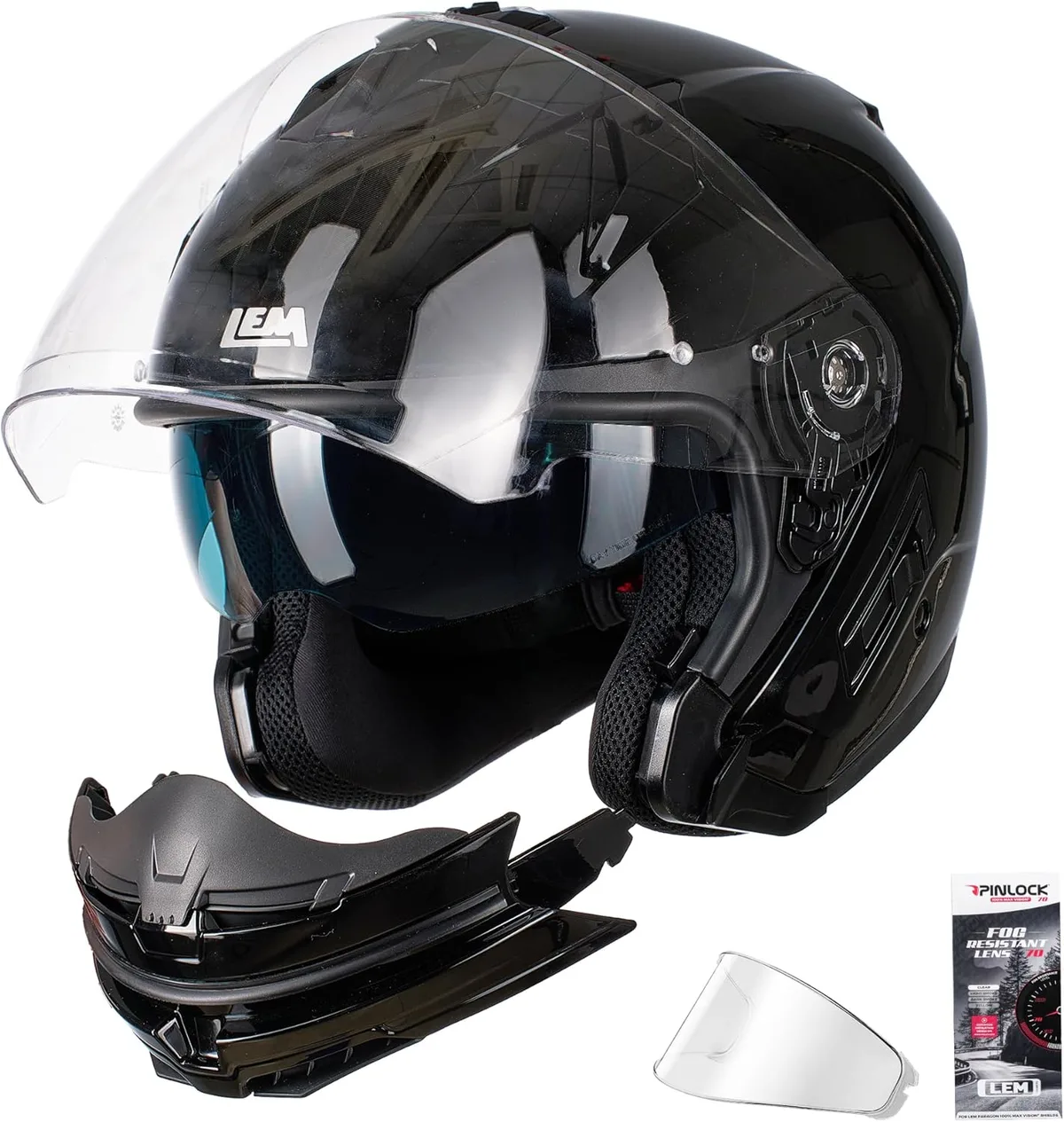
Full-face helmets offer the most protection, covering the entire head and face. Half-shell helmets are lighter but leave the face exposed. Both are legal if certified.
Helmets without DOT labels, such as those labeled "for off-road use only," are not compliant for on-road riding.
How to Check if a Helmet Meets Hawaii’s Standards
Start with the label. A real DOT helmet has a permanent marking, not just a sticker. Look for the manufacturer’s name, model, and the DOT symbol on the back or inside.
Check the weight. DOT helmets typically weigh about 3 pounds. Lighter helmets may not meet the standard.
Also verify the chin strap has a solid rivet or metal D-ring for secure fastening.
Common Mistakes That Get Riders in Trouble
Buying a novelty helmet is the top error. These often look like real helmets but lack DOT certification. Another mistake is wearing a helmet that’s too loose or not properly fastened.
Some riders assume any helmet with a sticker is legal. That’s not true. Only helmets meeting FMVSS No. 218 are compliant in Hawaii.
What Happens If You Break the Law
Fines start at $100 for first offenses. Repeat violations can lead to higher penalties. More importantly, riding without a proper helmet increases the risk of serious injury.
Law enforcement can pull over riders under 18 for helmet violations. Parents or guardians may also face liability if they allow non-compliance.
How to Fit and Secure a Helmet Properly
A helmet should sit level on your head, not tilted back. The chin strap should be snug enough that you can’t pull the helmet off by tugging the back.
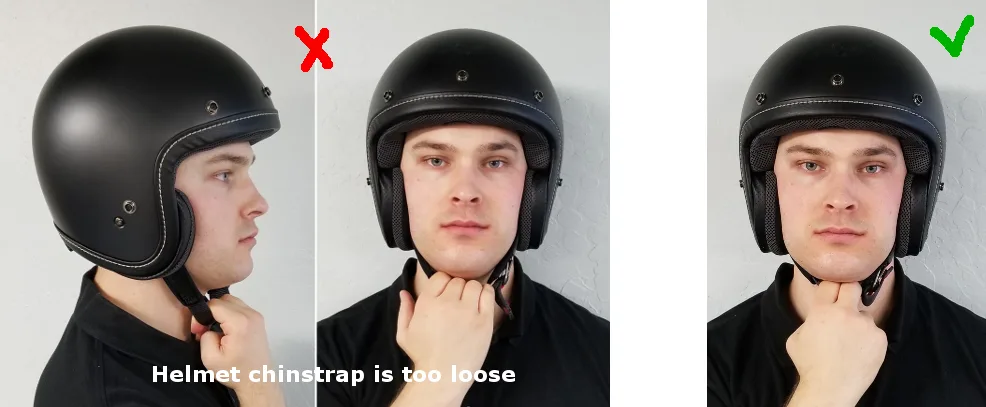
Test the fit by trying to roll the helmet forward. If it moves easily, it’s too loose. The helmet should feel firm but not uncomfortable.
Where to Buy a Legal Helmet in Hawaii
Local motorcycle shops are your best bet. They carry DOT-approved models and can help with sizing. Big-box retailers may also stock compliant helmets, but always check the label.
Avoid online marketplaces unless the seller explicitly states DOT certification. Secondhand helmets are risky, they may have hidden damage or lack proper labeling.
FAQs About Hawaii’s Under-18 Helmet Rule
Does the helmet law apply to mopeds and scooters?
Yes. The same DOT helmet requirement covers all motorized two-wheel vehicles, including mopeds and scooters.
Can I use a helmet from another country?
No. Only helmets meeting U.S. DOT FMVSS No. 218 standards are legal in Hawaii.
Foreign certifications like ECE or SNELL don’t replace DOT approval.
What if my helmet doesn’t have a visible DOT sticker?
Check the interior lining. Some manufacturers place the certification label inside the helmet. If it’s missing entirely, the helmet isn’t compliant.
Are there any medical or religious exemptions?
No. Hawaii’s law has no exemptions for medical or religious reasons. All riders under 18 must wear a DOT-approved helmet.
How often should I replace my helmet?
Replace it after any significant impact. Even without damage, helmets degrade over time. Most manufacturers recommend replacement every 5 years.
Final Takeaway: Stay Safe and Legal
Hawaii’s helmet law for under-18 riders is straightforward. Wear a DOT-approved helmet, ensure it fits properly, and fasten it securely every ride.
Compliance isn’t just about avoiding fines. It’s about protecting young riders from life-altering injuries. A proper helmet is the simplest, most effective safety measure you can take.