ByMax Lee
Hawaii Out-of-State Vehicle Registration & 30-Day Permit
Moving to Hawaii with your car or planning to drive one in from the mainland? The Hawaii out of state vehicle registration and 30 day permit requirements are strict, and missing the deadline can mean fines or even a ticket. Hawaii gives you a 30-day window to get your out-of-state vehicle registered or secure a temporary permit.
As of 2026, the Hawaii Department of Transportation (HDOT) enforces this rule to ensure all vehicles on the road meet state safety and insurance standards. Here’s what you need to know to stay legal.
Quick Answer: What You Must Do Within 30 Days
You have 30 days to register an out-of-state vehicle in Hawaii. New residents must apply for a temporary permit immediately. This permit lets you drive legally while completing full registration.
Full registration requires a safety inspection and proper documentation.
Bing (Web (fair-use with source credit))
Who Needs a Hawaii 30-Day Permit or Out-of-State Registration
New Hawaii residents must register their vehicle within 30 days of establishing residency. Temporary visitors driving their own car may also need a permit if staying beyond the tourist window. Military personnel have specific exemptions but must still follow state rules.

Bing (Web (fair-use with source credit))
Non-residents attending school or working short-term may qualify for exceptions. If you’re unsure, check with the Hawaii Department of Transportation for clarification.
When You Can (and Can’t) Drive on Out-of-State Plates
You can drive on out-of-state plates for up to 30 days as a new resident. After that, you must have a Hawaii registration or temporary permit. Tourists can typically drive on their home state plates for the duration of their visit.
If you’re caught driving without proper registration after 30 days, you’ll face fines. Hawaii does not recognize reciprocal registration agreements with other states. This means you can’t rely on your home state’s registration indefinitely.
Step-by-Step: Getting Your 30-Day Temporary Permit
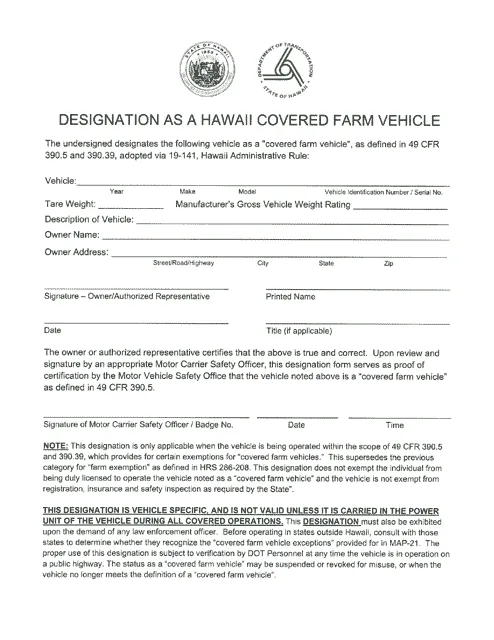
First, visit your local county DMV office. Bring your out-of-state title, proof of insurance, and a valid driver’s license. You’ll need to complete an application for the temporary permit.
Pay the fee, which varies by county but is typically around $10, $20. The permit is valid for 30 days, giving you time to complete the full registration process. Keep the permit in your vehicle at all times while driving.
Step-by-Step: Registering an Out-of-State Vehicle in Hawaii
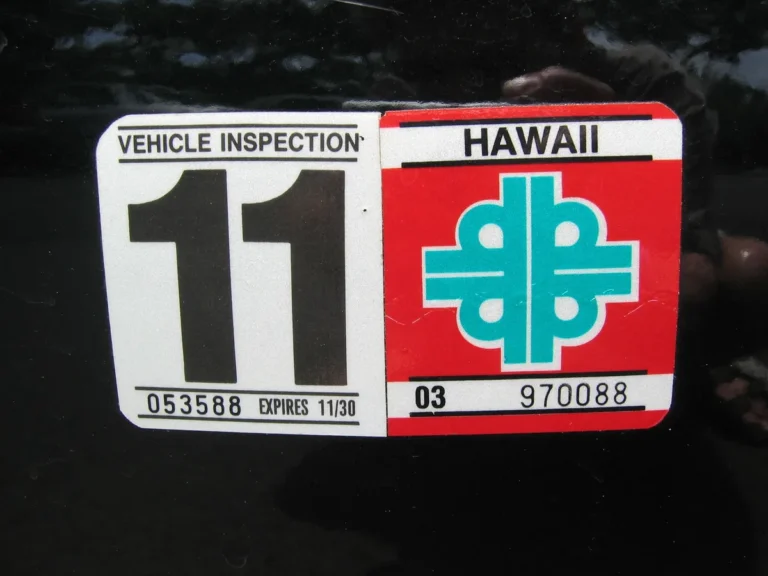
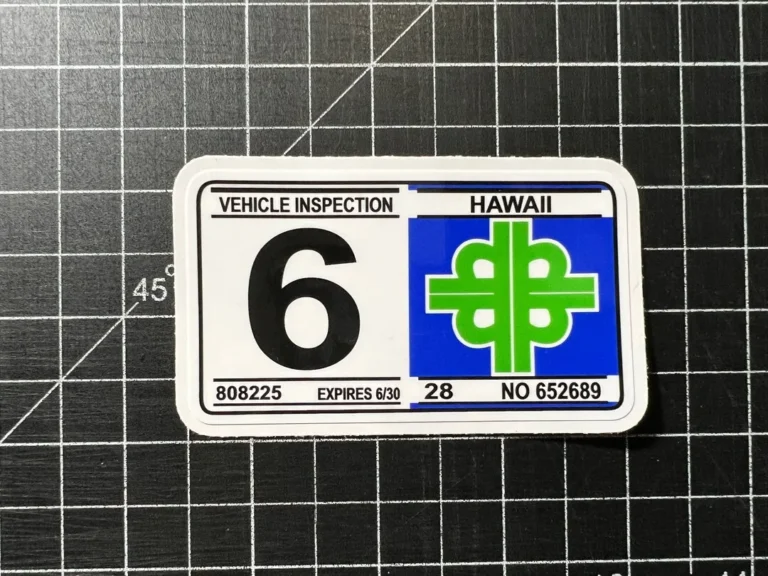
Start by getting a VIN verification at an authorized station. Then, pass a Hawaii safety inspection, which is mandatory for all vehicles. Next, gather your documents: out-of-state title, proof of insurance, and odometer disclosure.
Submit everything to your county DMV and pay the registration fees. Fees depend on vehicle weight and type, so check your county’s schedule. You’ll receive your Hawaii license plates and registration once approved.
County-Specific Differences (Oahu, Maui, Big Island, Kauai)
Each county in Hawaii has its own DMV office with slightly different procedures. Oahu’s process is the most streamlined due to higher volume. Maui and Kauai may have shorter wait times but fewer locations.
Big Island has the most rural offices, so plan ahead if you’re in a remote area. Fees can also vary by county, though the 30-day permit cost stays consistent. Always check your county’s website for the latest updates.
Documents You’ll Need (No Exceptions)
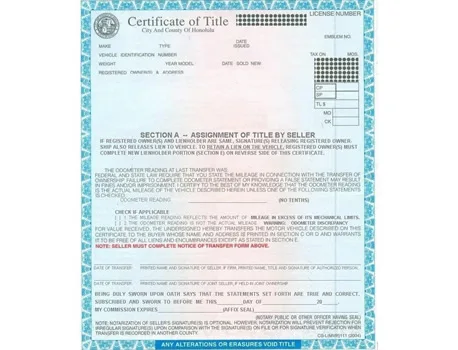
You must bring your out-of-state title, proof of insurance, and a valid driver’s license. A completed application form is required at all locations. Some offices may ask for a power of attorney if the title isn’t in your name.
Bing (Web (fair-use with source credit))
If your vehicle is leased, bring the leasing agreement. Missing any of these will delay your registration.
Hawaii Safety Inspection and Emissions Requirements
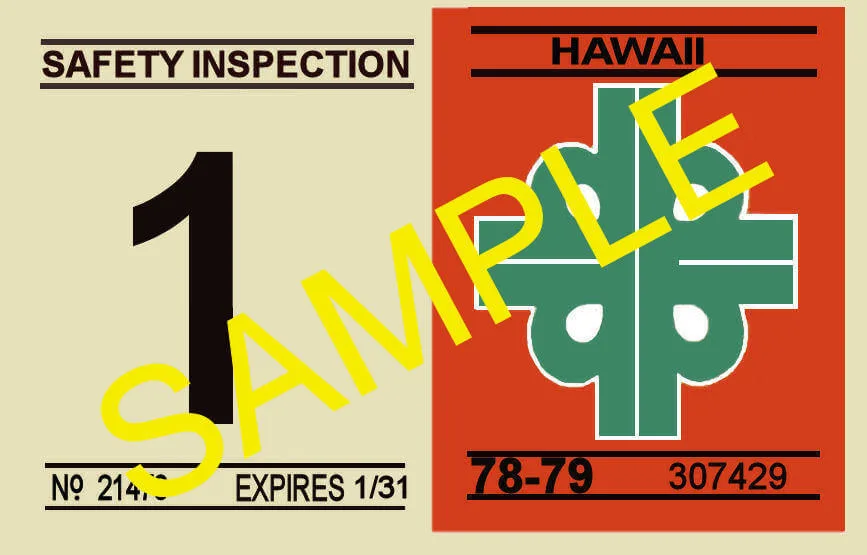
All vehicles must pass a Hawaii safety inspection before registration. This checks brakes, lights, tires, and other critical systems. Some counties also require an emissions test for newer vehicles.
Bing (Web (fair-use with source credit))
The inspection costs around $20, $30 and must be done at a state-certified station. If your car fails, you’ll get a list of required repairs.
Costs: Permit Fees, Registration Fees, and Penalties
The 30-day permit typically costs $10, $20 depending on the county. Registration fees vary by vehicle weight and type. For a standard passenger car, expect to pay $45, $100.
Late fees start at $50 and increase the longer you wait. Driving without proper registration can result in a $200+ fine. These costs add up quickly, so don’t delay.
Military and Non-Resident Exemptions Explained
Active-duty military stationed in Hawaii can keep their out-of-state plates. They must still carry proof of insurance and a valid driver’s license. Non-resident students may also qualify for exemptions.
If you’re a non-resident working temporarily in Hawaii, check with the Hawaii Department of Transportation for specific rules. Exemptions don’t mean you can ignore safety inspections.
Common Mistakes That Get You Fined
Forgetting to get the 30-day permit is the most common error. Many assume their out-of-state plates are valid indefinitely. This leads to tickets and unnecessary fines.
Another mistake is skipping the safety inspection. Even if your car passed in your home state, Hawaii requires its own check. Driving without it voids your registration.
What Happens If You Miss the 30-Day Deadline
You’ll face a late fee starting at $50. The longer you wait, the higher the penalty climbs. After 90 days, the fee can exceed $200.
Your vehicle may also be flagged in the system. This can lead to additional citations if you’re pulled over. Some counties may even require a reinstatement process.
Expert Tips to Speed Up the Process
Schedule your safety inspection early. Many stations have long wait times. Book this before your DMV appointment to avoid delays.
Gather all documents in advance. Missing paperwork is the top reason for rejected applications. Double-check the Hawaii DMV website for the latest requirements.
FAQs About Hawaii Out-of-State Registration
Can I register my car online in Hawaii?
No, out-of-state vehicle registration must be done in person. You’ll need to visit a county DMV office with your documents. Online services are limited to renewals for already-registered vehicles.
Do I need a Hawaii driver’s license to register my car?
Yes, you must have a valid Hawaii driver’s license to register a vehicle. New residents have 30 days to transfer their out-of-state license. Bring this to your registration appointment.
What if my out-of-state title is lost?
You’ll need to request a duplicate from your previous state. Hawaii DMV won’t process registration without the original title. This can take weeks, so start early.
Are there any exemptions for classic cars?
Hawaii offers special plates for historic vehicles. These still require registration but may have different inspection rules. Check with your county DMV for specifics.
How long does the registration process take?
With all documents ready, it typically takes 1-2 hours at the DMV. Processing times vary by location and workload. Arrive early to avoid long lines.
Final Checklist Before You Hit the DMV
Bring your out-of-state title and proof of insurance. Don’t forget your Hawaii driver’s license and completed application. Have your safety inspection certificate ready.
Check your county’s fee schedule in advance. Bring payment for registration and any applicable taxes. Confirm office hours, as some locations close for lunch.