ByMax Lee
Hawaii Vehicle Transport: Empty Gas Tanks & Clean Interiors
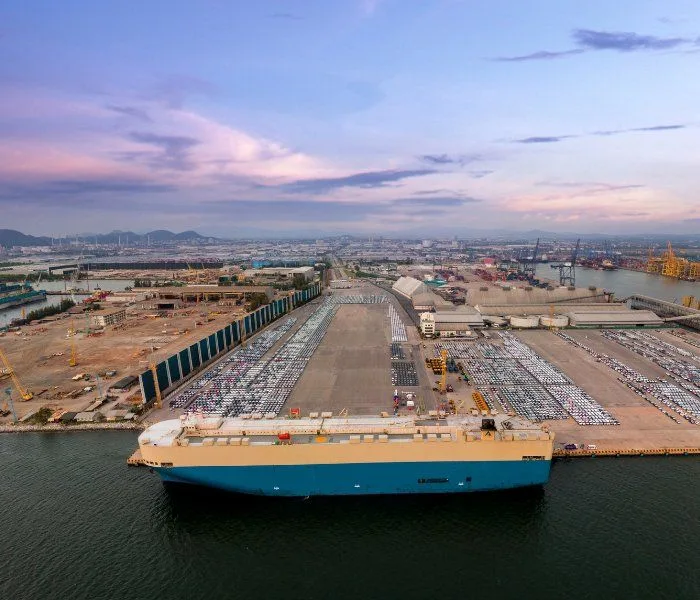
Shipping your car to or between Hawaiian islands isn’t like moving it on the mainland. Hawaii vehicle transport requirements for empty gas tanks and clean interiors exist for safety and legal reasons, and skipping them can mean rejected shipments or hefty fines.
Per Hawaii Department of Transportation and major shippers like Matson, your gas tank must be at or below a quarter full, and your interior must be completely free of personal items and debris. Get this wrong, and you risk delays or even a denied boarding.
Quick Answer
Hawaii vehicle transport requires a gas tank at or below 1/4 full. Your interior must be empty and clean of all personal items. These rules apply to all inter-island and mainland-to-Hawaii shipments.
Non-compliance can lead to rejection at the port.
Why Hawaii’s Vehicle Transport Rules Are Non-Negotiable
Hawaii’s strict transport rules aren’t arbitrary. They’re tied to maritime safety laws enforced by the U.S. Coast Guard and Hawaii Department of Transportation.
A full gas tank increases fire risk during transit, while loose items inside can shift and cause damage or hazards.
Bing (Web (fair-use with source credit))
Shippers like Matson and Pasha Hawaii follow these rules to avoid fines and ensure safe passage. As of 2026, violations can result in immediate rejection, forcing you to drain fuel or clean the car on the spot or pay extra fees.
How the Empty Gas Tank Rule Works
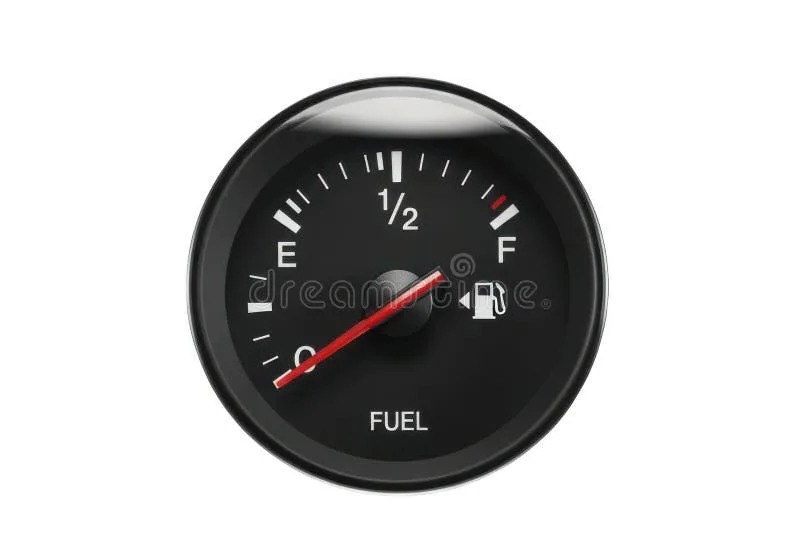
The rule is simple: your gas tank must be at or below 1/4 full before transport. This isn’t a suggestion, it’s a hard requirement. Most shippers won’t even inspect your car if the fuel gauge shows more.
Bing (Web (fair-use with source credit))
Why 1/4? It’s the threshold set by the U.S. Coast Guard for roll-on/roll-off vessels, which are the most common for Hawaii transport.
More fuel means higher risk of spills or vapor ignition.
To check your level, park on a flat surface and read the gauge. If it’s above the mark, drive around to burn off excess fuel. Never siphon gas, it’s unsafe and often illegal.
The Clean Interior Standard (And What “Clean” Really Means)
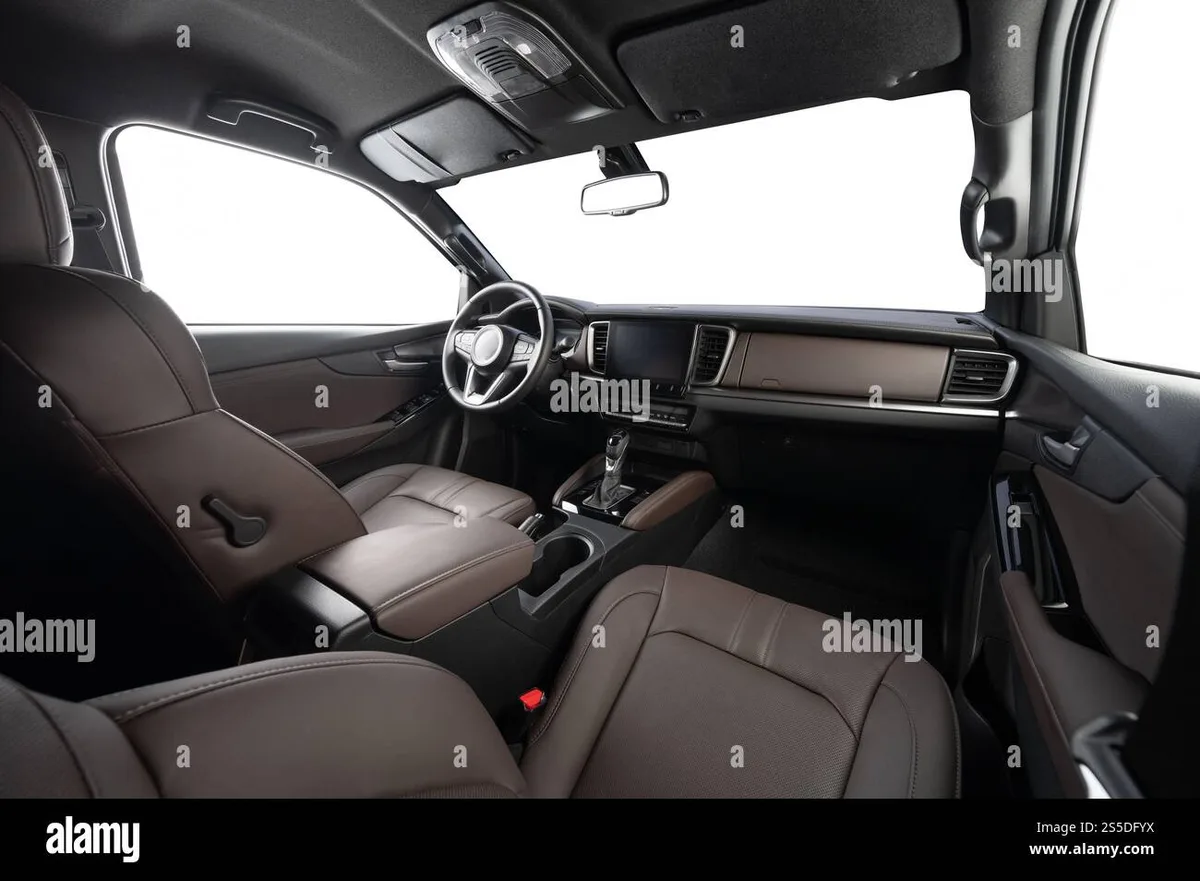
“Clean” doesn’t just mean no trash. Hawaii shippers require your car’s interior to be completely empty, no personal items, no loose change, no floor mats, and no aftermarket accessories that aren’t bolted down. Even a forgotten water bottle can get your car flagged.
Bing (Web (fair-use with source credit))
Here’s what to remove:
- All personal belongings (clothes, electronics, papers)
- Floor mats and seat covers
- Loose tools or spare parts
- Trunk contents (including the spare tire if not secured)
- Any non-factory items (GPS mounts, phone holders, air fresheners)
A quick vacuum and wipe-down aren’t just courteous, they’re mandatory. Dirt and debris can be considered hazardous if they’re excessive.
Step-by-Step: Prepping Your Vehicle for Hawaii Transport
Follow this checklist to avoid last-minute issues at the port.
1. Drain the gas tank
Drive your car until the gauge reads 1/4 or less. If you’re short on time, some gas stations offer fuel removal services.
2. Remove all personal items
Empty the glove box, center console, trunk, and under seats. Check every storage compartment.
3. Clean the interior
Vacuum carpets and seats. Wipe down surfaces to remove dust and grime. A spotless rinse solution can help with stubborn stains.
4. Check for leaks
Inspect under the car for oil, coolant, or fuel leaks. Fix any issues before transport.
5. Secure or remove loose parts
Take out or secure anything that could shift during transit. This includes spare tires (unless factory-mounted), roof racks, or cargo carriers.
6. Disable alarms
If your car has an aftermarket alarm, disable it. Motion-sensitive alarms can trigger during transport.
7. Verify documentation
Have your vehicle title, registration, and proof of insurance ready. Some shippers require a bill of lading.
8. Arrive early for inspection
Get to the port at least an hour before your scheduled drop-off. Inspections can take time, and lines form quickly.
Ro-Ro vs. Container Shipping: How Requirements Differ
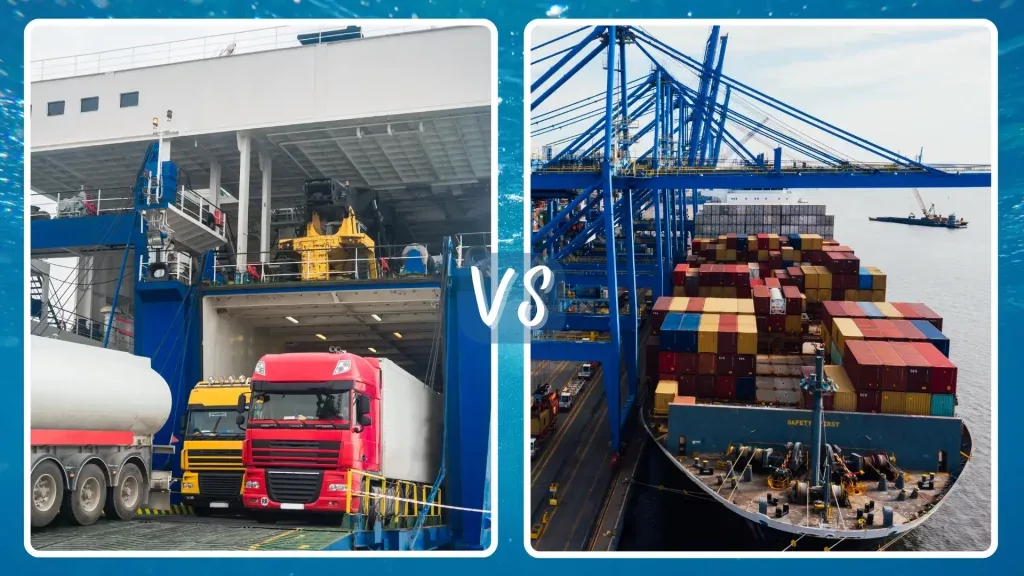
Most Hawaii vehicle transport uses roll-on/roll-off (Ro-Ro) ships. These are faster and cheaper but have the strictest rules for fuel and cleanliness. Your car drives on and off under its own power, so it must be in working condition.
Bing (Web (fair-use with source credit))
Container shipping is the alternative. Your car goes into a sealed container, which offers more protection. The fuel and cleanliness rules are slightly more flexible, but you’ll pay more and wait longer.
Here’s how they compare:
| Factor | Ro-Ro Shipping | Container Shipping |
|---|---|---|
| Cost | Lower | Higher |
| Speed | 1–3 days (inter-island) | 7–14 days (mainland to Hawaii) |
| Fuel Rule | ≤ 1/4 tank, strictly enforced | ≤ 1/4 tank, but some flexibility |
| Cleanliness | Must be spotless inside | Must be clean, but less strict |
| Vehicle Condition | Must run and drive on/off | Can be non-operational |
Ro-Ro is the default for most personal vehicles. Container shipping makes sense for classic cars, non-running projects, or high-value vehicles needing extra protection.
Common Mistakes That Get Your Car Rejected at the Port
The most frequent reason for rejection is a gas tank that’s too full. Even at 1/3, some inspectors will send you away. Always aim for 1/4 or less.
Another common issue is overlooked personal items. People forget to check the trunk, under seats, or the glove box. A single loose item can trigger a rejection.
Dirty interiors are a close third. Dirt, sand, or pet hair can be considered hazardous if excessive.
Mechanical issues also cause problems. Flat tires, dead batteries, or leaking fluids will get your car flagged. Shippers won’t risk loading a vehicle that might fail during transit.
Missing paperwork stops many shipments. Always bring your title, registration, and proof of insurance.
Costs, Fines, and Hidden Fees to Watch For
Shipping a car to Hawaii isn’t cheap. As of 2026, inter-island transport typically costs $500, $1,200. Mainland to Hawaii runs $1,500, $3,000 depending on distance and vehicle size.
Fines for non-compliance add up fast. A full gas tank can cost $100, $300 to drain on the spot. Dirty interiors may incur a $50, $150 cleaning fee.
Hidden fees often catch people off guard. Some ports charge a $25, $50 inspection fee. Others add $75, $150 for vehicle processing.
Late arrivals can also cost you. Miss your scheduled drop-off window and you might pay a $50, $100 rescheduling fee.
Insurance is another consideration. Basic coverage is usually included, but it may not cover personal items left in the car.
Hawaii-Specific Rules by Port and Shipper
Each Hawaii port has its own nuances. Honolulu (Oahu) is the busiest and often the strictest. Kahului (Maui) and Hilo (Big Island) are slightly more lenient but still enforce the same core rules.
Nawiliwili (Kauai) has limited space, so inspections are thorough. If you’re shipping to Kauai, arrive early and be extra prepared.
Shipper policies vary too. Matson, the largest provider, enforces the 1/4 tank rule without exception. Pasha Hawaii is similar but may allow slightly more flexibility for container shipping.
Young Brothers handles most inter-island transport. Their rules align with state regulations but they’re known for strict inspections.
Military shipments through the Military Sealift Command have their own process. Active-duty personnel should coordinate through their base’s transportation office.
Military and Dealership Exceptions (If Any)
Military personnel shipping vehicles under PCS orders get some leeway. The Department of Defense covers most costs, and fuel requirements may be slightly relaxed. However, cleanliness standards still apply.
Dealerships shipping inventory often have pre-arranged agreements with shippers. They may get bulk discounts and streamlined inspections. But they’re still bound by the same safety rules.
No group is completely exempt. Even military and dealership vehicles must meet the core requirements for fuel and cleanliness.
Safety and Legal Risks of Skipping the Rules
Ignoring Hawaii’s transport rules isn’t just about fees. A full gas tank can leak or ignite during transit, creating a fire hazard on the ship. The U.S.
Coast Guard treats this as a serious maritime safety violation.
Legal consequences can follow. If your car causes an incident, you may be liable for damages. Shippers can also blacklist repeat offenders.
Insurance may not cover non-compliant vehicles. Most policies have clauses voiding coverage if safety rules are broken.
Pro Tips to Save Time and Avoid Headaches
Start prepping your car at least a week before shipping. This gives you time to address any issues without rushing.
Use a fuel stabilizer if you’re draining the tank far in advance. This prevents gumming in the fuel system during transit.
Take photos of your car before drop-off. Document the condition, fuel level, and clean interior. These can help if there’s a dispute later.
Arrive at the port with a full charge if you have an electric vehicle. Some shippers require EVs to have at least 20% battery for Ro-Ro transport.
Bring a toolkit. You might need to remove loose parts or make minor adjustments on the spot.
FAQs About Hawaii Vehicle Transport Requirements
Do I really need to empty my gas tank to 1/4?
Yes. The 1/4 tank rule is strictly enforced by all major Hawaii shippers. Some ports may reject your car if it’s even slightly over.
What happens if I leave personal items in my car?
Your car will likely be rejected at inspection. You’ll need to remove everything before it can be loaded.
Can I ship a non-running car to Hawaii?
Yes, but it must go in a container. Ro-Ro shipping requires the vehicle to drive on and off the ship under its own power.
How much does it cost to ship a car between Hawaiian islands?
Inter-island shipping typically costs $500, $1,200. Prices vary by vehicle size and shipper.
Are there any exceptions for military personnel?
Military shipments may have some logistical advantages, but the core safety rules for fuel and cleanliness still apply.