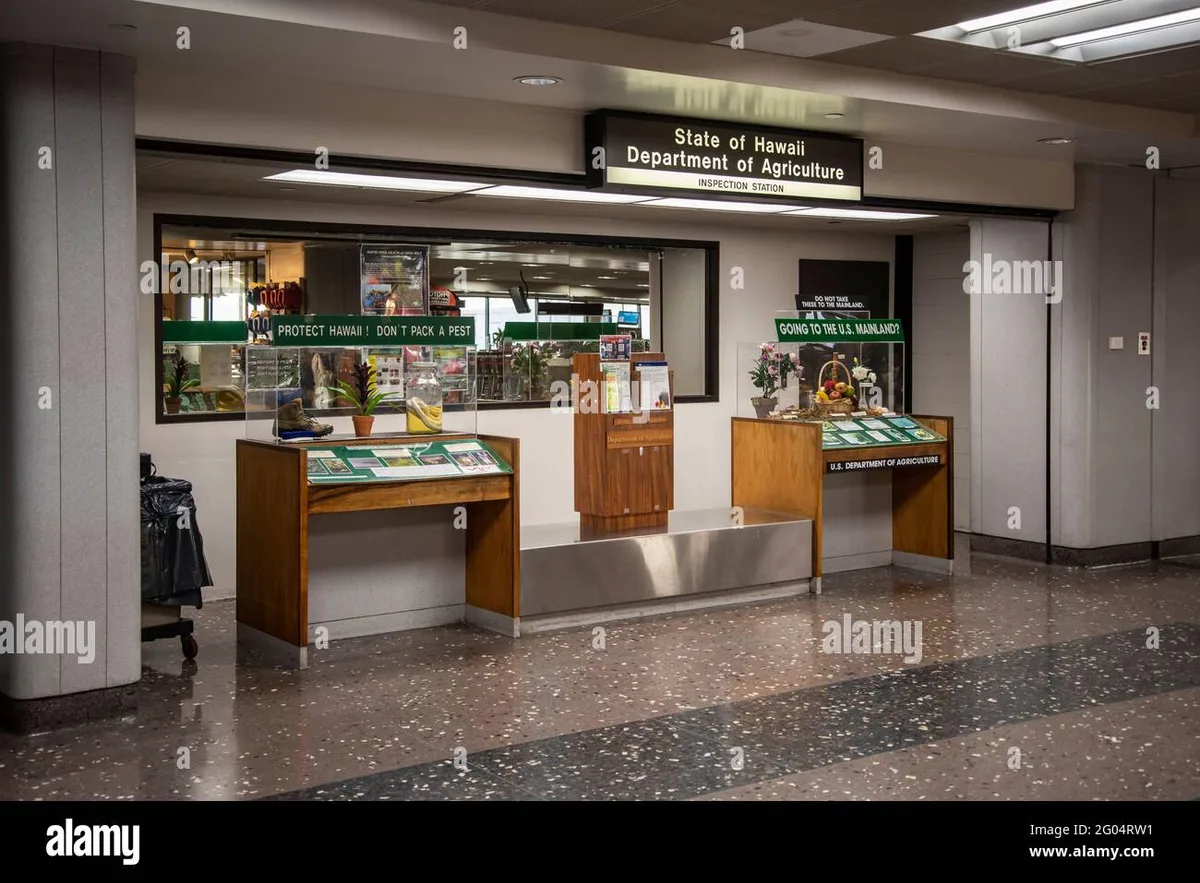
Shipping a vehicle between Hawaiian islands isn’t as simple as loading it onto a barge. Hawaii inter-island vehicle shipping requirements and agriculture inspection exist to stop invasive pests and plants from hitching a ride. Without the right prep and paperwork, your car could get delayed, fined, or even quarantined.
As of 2026, the Hawaii Department of Agriculture (HDOA) mandates a pest-free inspection for all vehicles moving between islands, with fees starting around $20. Skip this step, and you risk costly setbacks.
Quick Answer
Hawaii inter-island vehicle shipping requires an HDOA agricultural inspection. All vehicles must be free of soil, plants, and pests. Inspections cost $20, $50 depending on the island.
Clean your vehicle thoroughly before scheduling. Some islands like Maui have stricter rules.
Why Hawaii Requires Vehicle Inspections for Inter-Island Shipping
Hawaii’s isolation makes it vulnerable to invasive species. A single contaminated vehicle can introduce pests like coqui frogs or little fire ants to a new island. The HDOA’s Plant Quarantine Branch enforces these rules under Hawaii Revised Statutes §150A.
The state’s ecosystems lack natural predators for many invasive species. Without inspections, pests could spread unchecked, damaging agriculture and native wildlife. This is why the inspection isn’t optional, it’s a legal requirement for all inter-island vehicle transport.
The 3 Conditions That Change Your Requirements
Your exact steps depend on three key factors.
Where you’re shipping from and to. Maui has the strictest rules, while Oahu’s process is slightly more streamlined. Shipping to or from the Big Island may require additional checks due to its unique ecosystems.
Your vehicle’s condition. If your car has visible soil, plant debris, or pests, it’ll fail inspection. Off-road vehicles and farm equipment face extra scrutiny.
What you’re carrying. Vehicles transporting plants, soil, or agricultural products need extra permits. Even a bag of potted plants in your trunk can trigger additional requirements.
Step-by-Step: How to Get Your Vehicle Approved for Shipping
Cleaning Your Vehicle the Right Way
Start with a thorough wash, focusing on the undercarriage, wheel wells, and engine bay. Use a pressure washer to remove caked-on dirt and debris. Pay special attention to hidden areas where pests might hide.
Avoid using soaps with strong fragrances, as they can attract insects. Let your vehicle dry completely before inspection.
Scheduling and Passing the HDOA Inspection
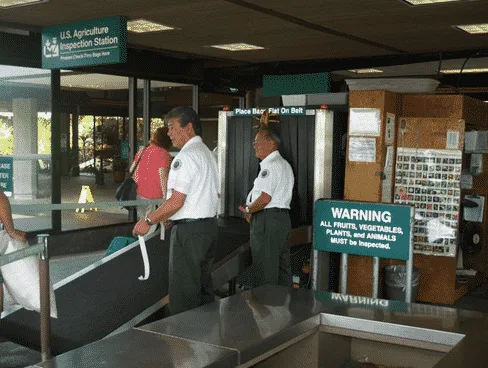
Book your inspection at an HDOA office or an approved private inspector. Bring your vehicle’s registration and a completed agricultural declaration form. The inspector will check for pests, soil, and plant material.
If your vehicle fails, you’ll need to clean it again and reschedule. Some locations offer same-day re-inspections for a fee.
Completing the Paperwork
You’ll need to fill out the HDOA’s agricultural declaration form, which asks about recent travel and any agricultural items in your vehicle. Keep a copy of your inspection certificate, you’ll need it for shipping.
Some shipping companies require additional forms, so check with your carrier in advance.
Island-Specific Rules You Can’t Ignore
Each island has its own nuances, and ignoring them can derail your plans.
Oahu has the most inspection locations, making it easier to schedule. However, its high traffic means longer wait times during peak seasons.
Maui enforces the strictest rules due to its sensitive ecosystems. Vehicles often face additional checks, and some areas may require pre-approval.
Big Island focuses on preventing the spread of rapid ohia death, a fungal disease. Extra cleaning may be required if your vehicle has been in forested areas.
Kauai, Lanai, and Molokai have limited inspection sites, so plan ahead. Some may require you to visit a neighboring island for inspection before shipping.
Shipping Methods Compared: Barge vs. Air Freight vs. DIY
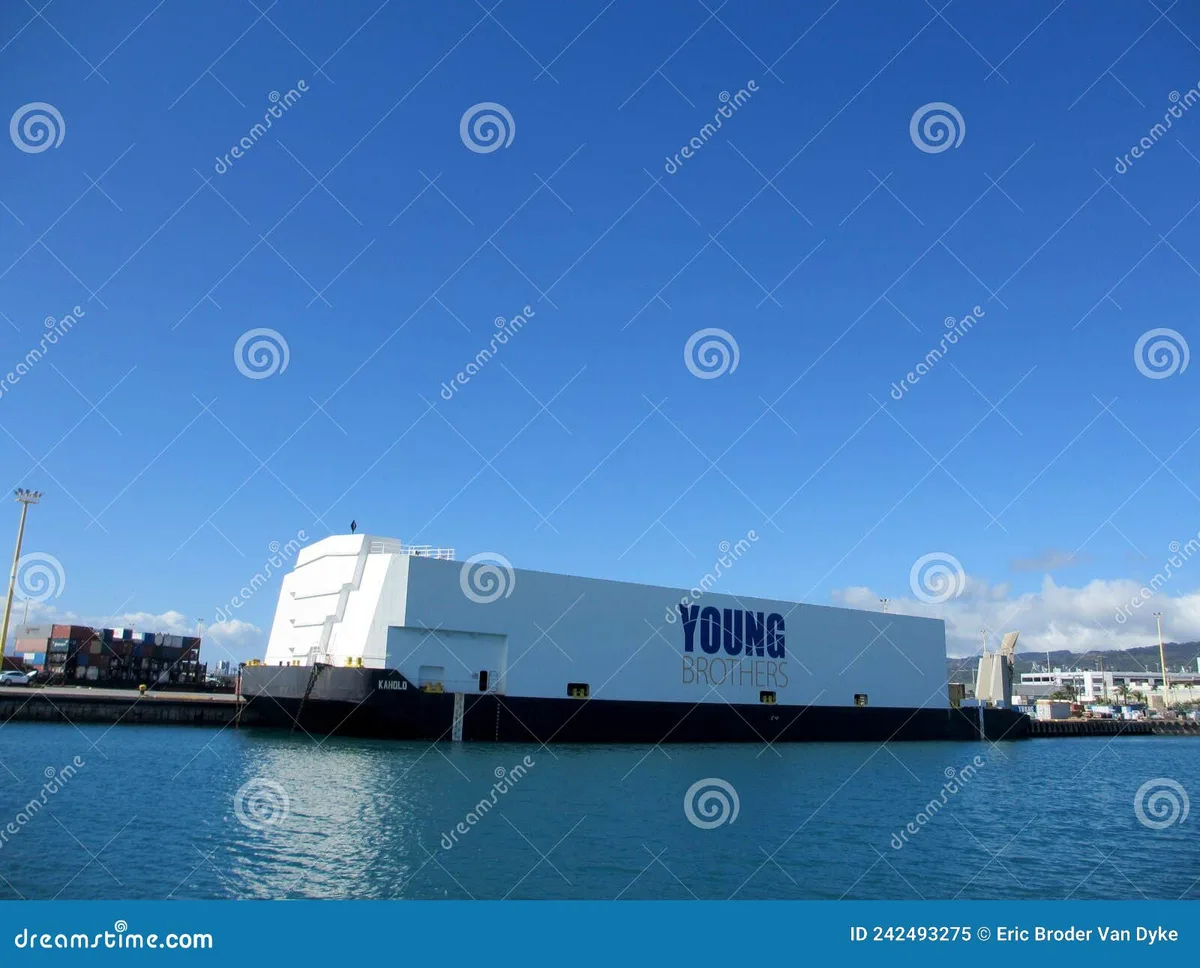
Most vehicles move between islands by barge. It’s the cheapest option, with costs ranging from $500 to $2,500 depending on size and route. Young Brothers and Pasha Hawaii are the primary carriers, with regular schedules between major ports.
Air freight is rare for passenger vehicles due to high costs, but it’s an option for urgent or high-value shipments. Expect to pay $5,000 or more for a standard car. DIY shipping isn’t practical for most people, as it requires specialized equipment and permits.
Costs to Expect (Inspection, Shipping, and Hidden Fees)
Inspection fees run $20 to $50 per vehicle. Shipping costs vary by distance and vehicle size, with Oahu to Maui typically costing $800 to $1,500. Larger vehicles like trucks or SUVs will be at the higher end.
Hidden fees can add up. Re-inspection charges apply if your vehicle fails the first check. Some ports charge additional handling fees, and expedited shipping can double the price.
Common Mistakes That Get Vehicles Rejected or Delayed
Showing up with a dirty vehicle is the top reason for rejection. Inspectors will turn away cars with visible soil, plant debris, or pests. Skipping the agricultural declaration form is another common error that causes delays.
Not booking in advance can also be a problem. Popular routes fill up quickly, especially during peak moving seasons.
How to Avoid Invasive Species Fines (And Worse)

Hawaii takes invasive species seriously. Transporting prohibited items like soil or plants without declaration can result in fines up to $10,000. In extreme cases, your vehicle could be quarantined or impounded.
Prevention is simple. Clean your vehicle inside and out. Remove all plant material, even small leaves or seeds.
Declare any agricultural items, even if you think they’re harmless.
Real Scenarios: What Actually Happens If You Skip Steps
A family moving from Oahu to Maui had their SUV delayed for a week. The HDOA found soil with potential pest eggs in the undercarriage, requiring a full decontamination before approval.
A classic car collector shipping a vintage vehicle to the Big Island faced a $5,000 fine. They’d failed to declare a bag of rare seeds in the trunk, violating quarantine laws. The vehicle was held until the issue was resolved.
FAQs About Hawaii Inter-Island Vehicle Shipping
Do I need an inspection to ship my car from Oahu to Maui?
Yes, all inter-island vehicle shipments require an HDOA agricultural inspection. Maui has particularly strict rules, so clean your vehicle thoroughly before scheduling.
How much does it cost to ship a car between Hawaiian islands?
Barge shipping typically costs $500 to $2,500 depending on vehicle size and route. Add $20 to $50 for the mandatory HDOA inspection fee.
What happens if my vehicle fails inspection?
You’ll need to clean it and reschedule. Some locations offer same-day re-inspections for an additional fee. Common failure reasons include soil in wheel wells or plant debris in the undercarriage.
Can I ship a dirty car if I declare it?
No. Declaration doesn’t replace cleaning. The HDOA will reject any vehicle with visible soil, pests, or plant material regardless of what you declare.
How long does the inspection process take?
Most inspections take 15 to 30 minutes if your vehicle is clean. Busy locations may have longer wait times, especially during peak moving seasons.
Are there any items I absolutely cannot transport?
Soil, live plants, and certain agricultural products are prohibited without special permits. Even small amounts can trigger fines or quarantine.