ByMax Lee
Hawaii Military Vehicle Weight Tax Exemption Guide
Bing (Web (fair-use with source credit))
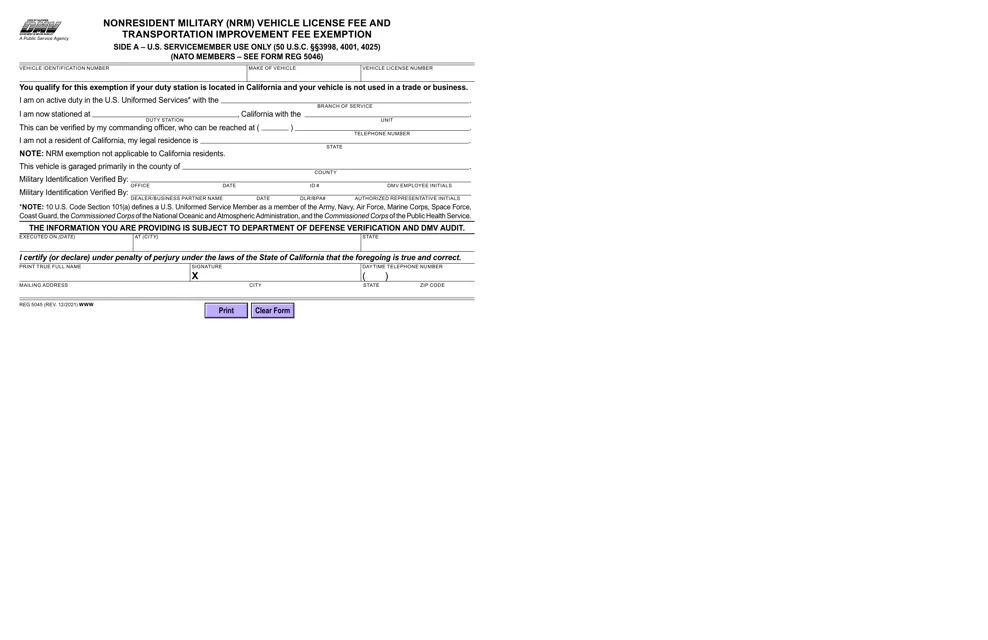
If you're an active-duty service member or Hawaii resident in the military, you may qualify for the Hawaii resident military vehicle weight tax exemption for one personal vehicle. This break can save you hundreds per year on Hawaii’s weight-based property tax for cars.
Hawaii’s vehicle weight tax is calculated by your car’s weight class, and as of 2026, the exemption applies to one personal vehicle per eligible military member. The rules vary slightly by county, so knowing where to apply and what to bring is half the battle.
Quick Answer
The Hawaii resident military vehicle weight tax exemption for one personal vehicle lets eligible service members skip the weight tax on a single car. It applies to active-duty, National Guard, and Reserves. You must be a Hawaii resident.
Only one vehicle per person qualifies. Savings depend on your county’s rates.
How the Exemption Works in Hawaii
Hawaii treats vehicle registration as a property tax based on weight. The military exemption removes that tax for one personal car. It does not cover registration fees or other charges.
The exemption is tied to the individual, not the vehicle. If you sell the car, the new owner does not inherit the exemption. If you buy a new car, you can transfer the exemption to it, but only one at a time.
Counties handle applications separately. Oahu, Maui, Big Island, and Kauai each have their own forms and processes. The state sets the framework, but local offices enforce it.
Who’s Eligible (and Who’s Not)
You qualify if you are an active-duty service member and a Hawaii resident. This includes National Guard and Reserves on active orders. Retirees and veterans may not qualify unless state law explicitly includes them.
Dependents are not automatically covered. Some counties extend the exemption to spouses, but you must check local rules. Non-residents stationed in Hawaii typically do not qualify.
Eligibility ends when you leave active duty or move out of state. If you PCS to another state, you must notify the county to avoid back taxes.
What Counts as a “Personal Vehicle” Under the Rule
The exemption applies to one passenger car, truck, or motorcycle registered in your name. It must be for personal use, not business or commercial.
Rental cars, company vehicles, and motorcycles used for delivery services do not qualify. Trailers and recreational vehicles are also excluded.
If you own multiple cars, you pick one to exempt. The choice is yours, but you cannot split the exemption across two vehicles.
Documents You’ll Need to Prove Eligibility
You will need your military ID as primary proof of service. Active-duty orders or a Leave and Earnings Statement (LES) can also work.
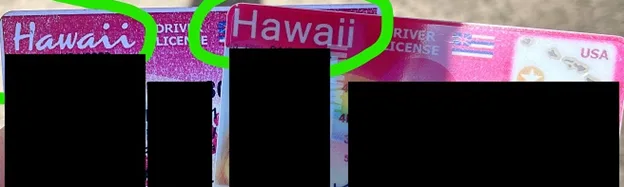
Hawaii residency requires a Hawaii driver’s license or state ID. Some counties accept utility bills or lease agreements, but a license is the safest bet.
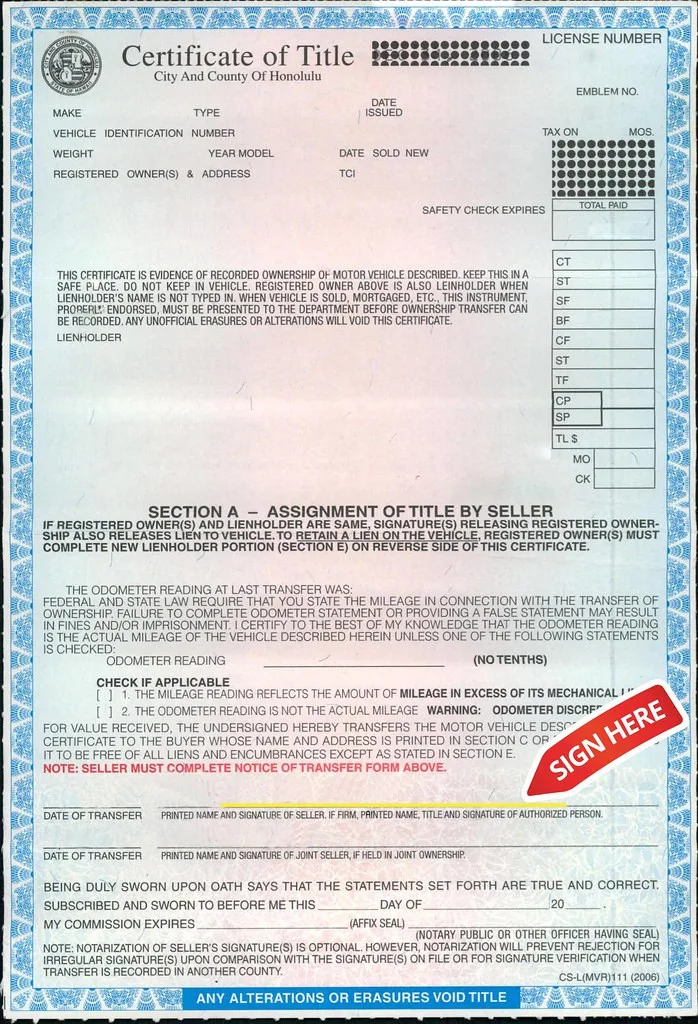
Vehicle documents include the registration and title. The car must be registered in your name to qualify.
Bing (Web (fair-use with source credit))
Bring copies of everything. Some offices let you submit digital files, but paper backups prevent delays. Missing one document is the top reason applications get rejected.
Step-by-Step: How to Claim the Exemption by County
Each county in Hawaii handles the exemption differently. Oahu, Maui, Big Island, and Kauai have their own forms and submission methods. Start by checking your county’s DMV or tax office website.
The process is usually the same. Fill out the military exemption form. Submit your documents.
Wait for approval. Some counties let you apply online, while others require in-person visits.

Bing (Web (fair-use with source credit))
Oahu’s process is the most streamlined. You can submit everything through the Honolulu County DMV portal. Maui and Kauai may require a visit to the tax office.
Big Island often accepts mail-in applications.
How Much You’ll Actually Save
Savings depend on your vehicle’s weight and your county’s tax rates. Oahu’s rates are the highest, so the exemption saves the most there. Maui and Kauai are slightly lower, while Big Island tends to be the cheapest.
Here’s a rough estimate for a 3,500-pound sedan:
| County | Annual Weight Tax | Estimated Savings |
|---|---|---|
| Oahu | $120 | $120 |
| Maui | $100 | $100 |
| Big Island | $90 | $90 |
| Kauai | $95 | $95 |
The exemption does not cover registration fees or other charges. It only removes the weight tax portion of your bill.
Common Mistakes That Get Applications Rejected
The most common mistake is missing documents. Forgetting your military ID or LES will get your application denied. Double-check the county’s requirements before submitting.
Another issue is vehicle ownership. The car must be registered in your name. If it’s under a spouse’s name, you may need to add them to the application or transfer the title first.
Bing (Web (fair-use with source credit))
Some applicants assume the exemption applies to all their vehicles. It does not. Only one car per eligible person qualifies.
If you own multiple vehicles, pick the one with the highest weight tax to maximize savings.
Oahu vs. Maui vs. Big Island vs. Kauai: Key Differences
Oahu has the highest vehicle taxes, so the exemption saves the most money there. The process is also the most digital-friendly, with online submissions accepted.
Maui and Kauai require more in-person steps but have slightly lower tax rates. Big Island is the most lenient with documentation. They often accept alternative proofs of residency, like utility bills.
Kauai has the strictest rules. They require in-person submissions and may ask for additional verification. If you’re stationed on Kauai, plan extra time for the process.
What Happens If Your Status Changes (PCS, Discharge, etc.)
If you PCS out of Hawaii, you must notify the county. The exemption ends when you are no longer a resident. Failure to update your status can lead to back taxes and penalties.
If you are discharged or retire, check if your county extends the exemption to veterans. Some do, but most do not. The rules vary, so confirm with your local tax office.
If you sell your exempt vehicle, the exemption does not transfer to the new owner. If you buy a new car, you can apply the exemption to it, but you must update your paperwork with the county.
Military Dependents: Do They Qualify?
Dependents do not automatically qualify for the exemption. Some counties extend it to spouses, but only if the service member is also listed on the vehicle registration. Children and other dependents are generally not eligible.
Check with your county’s tax office for their specific rules. Oahu sometimes allows spouses to apply if the service member is deployed. Maui and Kauai are stricter and usually require the service member to be the primary applicant.
If your spouse is the sole owner of the vehicle, they may need to transfer the title to your name first. This can take time, so plan ahead.
FAQs About Hawaii’s Military Vehicle Tax Break
Can I apply for the exemption online?
Oahu allows online submissions through the Honolulu County DMV portal. Maui, Big Island, and Kauai typically require in-person visits or mail-in applications.
How long does approval take?
Processing times vary by county. Oahu often approves applications within 2 weeks. Maui and Kauai can take up to 4 weeks.
Big Island is usually the fastest, with approvals in about 10 days.
What if I own multiple vehicles?
You can only exempt one vehicle at a time. Choose the one with the highest weight tax to maximize your savings. If you switch vehicles, you must update your exemption with the county.
Does the exemption cover registration fees?
No. The exemption only removes the weight tax portion of your bill. You will still need to pay registration fees and any other applicable charges.
What happens if I move to another state?
The exemption ends when you are no longer a Hawaii resident. Notify your county to avoid back taxes. If you move to another state with military exemptions, you will need to apply under their rules.
Final Checklist Before You Apply
Gather your military ID or LES. This is your primary proof of service. Without it, your application will be denied.
Bring your Hawaii driver’s license or state ID. This proves residency. Some counties accept utility bills, but a license is the safest option.
Have your vehicle registration and title ready. The car must be registered in your name to qualify. If it’s under a spouse’s name, you may need to transfer the title first.
Check your county’s specific requirements. Oahu, Maui, Big Island, and Kauai each have their own rules. Some require additional documents, like deployment orders.
Submit your application early. Processing times vary, and delays can happen. The sooner you apply, the sooner you can start saving.