ByMax Lee
Hawaii CS-L 50: Military Weight Tax Exemption Guide
If you're stationed in Hawaii on active duty and your car is registered elsewhere, you're likely overpaying on Hawaii’s annual weight tax. The Hawaii non-resident active duty military weight tax exemption form CS-L 50 lets you skip this fee entirely, but only if you file it correctly and on time.
Hawaii’s weight tax isn’t optional, it’s a yearly charge based on your vehicle’s weight, and as of 2026, it can add up to $200 or more for larger vehicles. The CS-L 50 form is your ticket to exemption, but it requires proof of active duty status and out-of-state registration.
Quick Answer
The Hawaii non-resident active duty military weight tax exemption form CS-L 50 waives the state’s annual vehicle weight tax. You qualify if you’re on active duty in Hawaii and your car is registered outside the state. File the form with your military orders and out-of-state registration.
The exemption lasts as long as your active duty assignment.
Bing (Web (fair-use with source credit))
Do You Qualify for Hawaii’s Military Weight Tax Exemption?
You’re eligible if you meet all three conditions. First, you must be on active duty in Hawaii under military orders. Second, your vehicle must be registered in your home state, not Hawaii.
Third, you must not have established Hawaii residency.
If you’ve lived in Hawaii for over a year, you may still qualify as long as you haven’t switched your vehicle registration or driver’s license to Hawaii. The exemption applies to personal vehicles only.
What the CS-L 50 Form Actually Does
Form CS-L 50 is your official request to waive Hawaii’s motor vehicle weight tax. It’s not automatic, you must submit it to the Hawaii County DMV where your vehicle is primarily used. The form verifies your non-resident status and active duty assignment.
Once approved, the exemption applies to the current tax year. You’ll need to re-file if your orders are extended beyond the initial exemption period.
Who’s Eligible (and Who Isn’t)
Eligible:
- Active duty military stationed in Hawaii under orders
- Spouses or dependents listed on the same orders (if the vehicle is in their name)
- Vehicles registered in a state other than Hawaii
Not Eligible:
- Hawaii residents, even if on active duty
- Military members who’ve registered their vehicle in Hawaii
- Vehicles used for commercial purposes
If you’re unsure about your residency status, check with your base legal office.
The Exact Documents You’ll Need
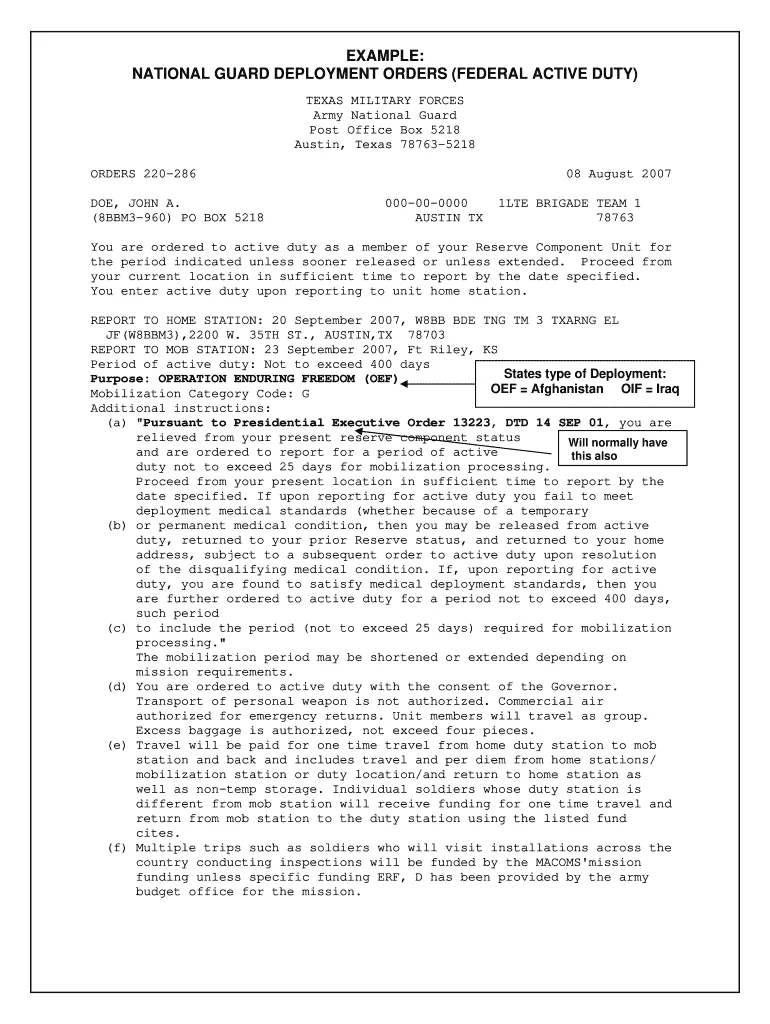
You’ll need three key documents to file Form CS-L 50. First, your military orders proving your active duty assignment in Hawaii. Second, your vehicle’s out-of-state registration.
Third, a completed CS-L 50 form, which you can get from the Hawaii Department of Transportation.
Bing (Web (fair-use with source credit))
Make sure your orders clearly state your assignment in Hawaii and the duration. The vehicle registration must show an address outside Hawaii.
Step-by-Step: How to File Form CS-L 50
Start by downloading Form CS-L 50 from the Hawaii Department of Transportation website. Fill out the vehicle details, including the VIN, make, model, and year. Attach a copy of your military orders and out-of-state registration.
Submit the form in person at your local Hawaii County DMV or by mail. Processing typically takes 2 to 4 weeks.

Bing (Web (fair-use with source credit))
If you’re mailing it, send it to the DMV office for the county where your vehicle is primarily used.
How Long the Exemption Lasts
The exemption covers the same period as your active duty orders. If your orders are for two years, the exemption lasts two years. If your orders are extended, you’ll need to re-file Form CS-L 50 with the updated documentation.
The exemption ends when your active duty assignment in Hawaii concludes.
What Happens If You Skip the Form
If you don’t file Form CS-L 50, you’ll be responsible for paying Hawaii’s annual weight tax. The tax is based on your vehicle’s weight, and as of 2026, it can range from $50 to over $200 per year. Late payments may incur additional penalties.
The DMV won’t automatically apply the exemption, even if they know you’re active duty.
Common Mistakes That Get Your Exemption Denied
One of the most common mistakes is submitting incomplete or illegible documents. Your military orders must clearly show your assignment in Hawaii. Your vehicle registration must show an out-of-state address.
Another frequent issue is filing the form after the tax due date. The exemption applies only from the date the DMV processes your form, not retroactively.
How Much You’ll Save (Hawaii Weight Tax Rates)
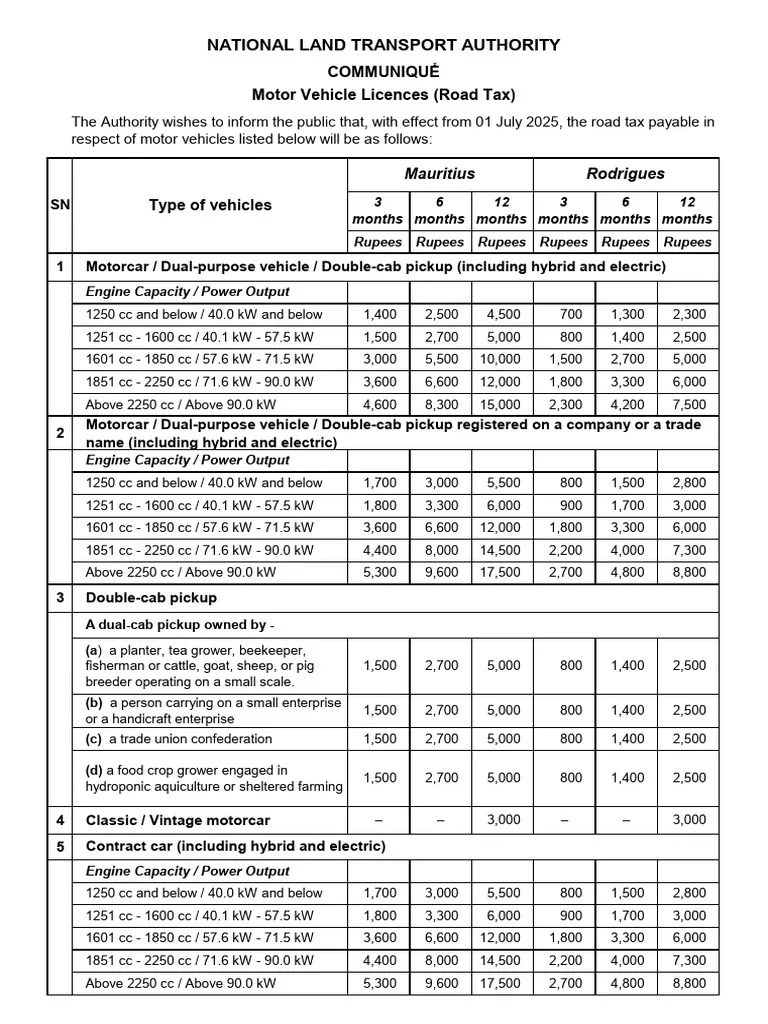
Hawaii’s weight tax varies by vehicle type and weight. Passenger cars typically cost between $50 and $100 annually. Trucks and SUVs can range from $100 to $200 or more.
The exact amount depends on your vehicle’s gross weight. Check the Hawaii Department of Transportation fee schedule for the current rates.
Bing (Web (fair-use with source credit))
Where to Get Help If You’re Stuck
Your base legal office is the best first stop. They can review your documents and confirm eligibility before you file. Most installations have experience with Hawaii’s exemption process.
The Hawaii County DMV can also answer questions about Form CS-L 50. Avoid third-party services that charge fees to file this form for you.
FAQs About Military Vehicle Exemptions in Hawaii
Does the exemption apply to motorcycles?
Yes, the CS-L 50 exemption covers motorcycles as long as they’re registered out of state and you meet the active duty requirements.
Can I file the form online?
No, Hawaii currently requires in-person or mail submission for Form CS-L 50. Check the Hawaii Department of Transportation website for any updates.
What if my spouse owns the vehicle?
If your spouse is listed on your military orders and the vehicle is in their name, they can file for the exemption. The same documentation rules apply.
Do I need to re-file every year?
No, you only need to re-file if your orders are extended or your vehicle registration changes.
What happens if I sell my vehicle?
The exemption is tied to the vehicle and your orders. If you sell it, the new owner must register it in their name and won’t inherit your exemption. Notify the DMV to avoid any tax liability.