ByMax Lee
Hawaii Vehicle Registration Fee & Renewal Guide
Wikimedia Commons / Lieutenant Ramathorn
Hawaii’s $46 state vehicle registration fee and annual renewal process catches many drivers off guard. The base fee is just the start, county add-ons, inspections, and deadlines can turn a simple task into a headache if you’re not prepared.
The Hawaii Division of Motor Vehicles requires this fee for every passenger vehicle, but the total cost and steps vary by county and situation. As of 2026, missing the renewal window triggers late penalties that quickly add up.
Quick Answer
Hawaii charges a $46 state fee for vehicle registration. County fees apply on top of this. Renewal is annual.
You’ll need proof of insurance and a passed safety inspection. Late renewals incur extra penalties.
Why Hawaii's $46 Base Fee Still Surprises Drivers
Most drivers expect the $46 to cover everything. It doesn’t. County fees, which can range from $10 to $50 or more, get tacked on at renewal.
Then there’s the safety inspection, mandatory every year, and emissions testing in some counties.
The sticker shock comes when the total bill arrives. Honolulu, for example, adds about $25, pushing the total well above the state’s base rate. And if you’re new to Hawaii, transferring an out-of-state registration has its own steps and costs.
What the Hawaii State Registration Fee Actually Covers
The $46 goes to the state’s general fund for road maintenance and transportation programs. It’s not a tax on your vehicle’s value, unlike some states. What it doesn’t cover: county-specific charges, inspection costs, or late fees.
Wikimedia Commons / Wikimedia Commons contributor
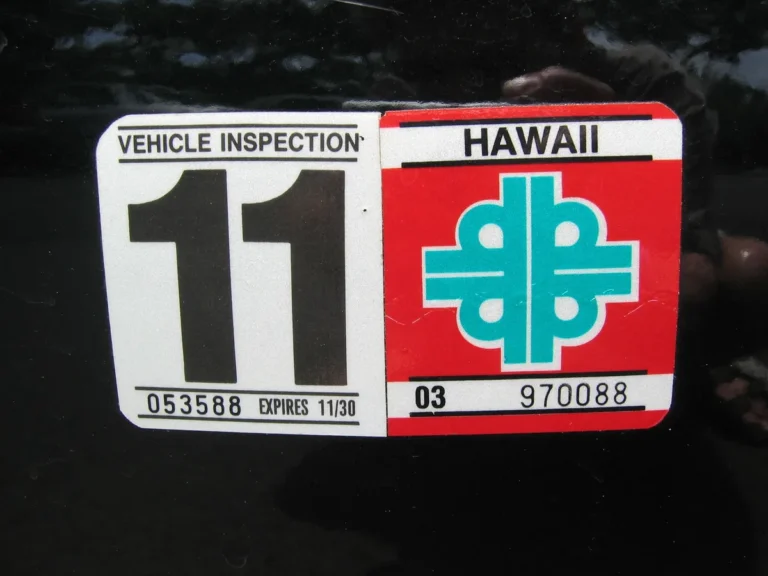
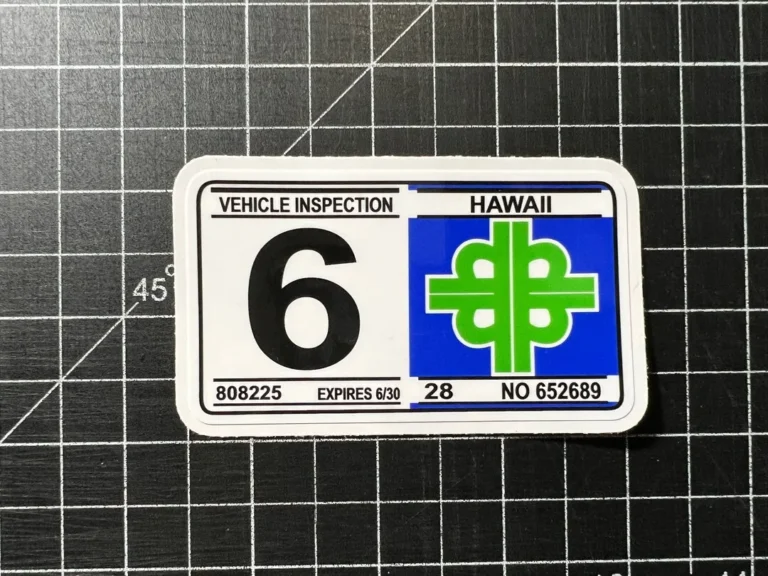
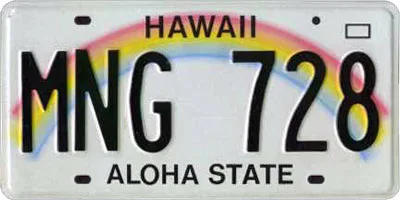
You’ll receive a registration card and a sticker for your license plate. The sticker proves your vehicle is legally registered for the year. Without it, you risk a citation.
The card stays in your glove box as backup proof.
Which Camp Are You In? New Resident, Renewal, or Expired Tag
If you just moved to Hawaii, you’ve got 30 days to register your vehicle. Bring your out-of-state title, proof of insurance, and a passed safety inspection. The $46 fee applies, plus county fees.
For annual renewals, you’ll get a notice in the mail. Follow the steps, pay the fees, and you’re set for another year. If your registration lapses, you’ll pay late fees on top of the standard costs.
Your Registration Workflow: Pick the Right Branch
First-Time and Out-of-State Vehicle Registration
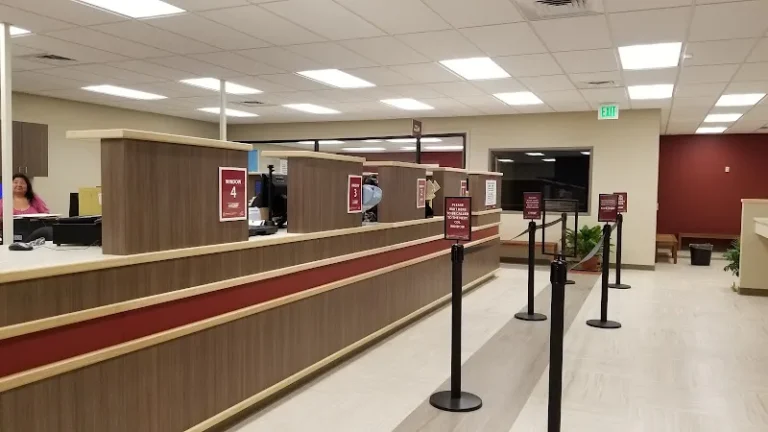
New residents must visit a county DMV office in person. You’ll need your title, proof of Hawaii insurance, and a safety inspection certificate. The clerk will process your $46 state fee plus county charges.

Bing (Web (fair-use with source credit))
If your vehicle is leased, the leasing company may handle registration. Confirm with them before heading to the DMV. Some counties allow appointments to skip the line.
Standard Annual Renewal Steps
You’ll receive a renewal notice 45 days before your registration expires. Pay online, by mail, or in person. Online is fastest, just enter your plate number and payment info.
If you’ve moved, update your address with the DMV first. A mismatch can delay your renewal or cause issues with law enforcement. Keep your insurance current, too.
The DMV verifies it electronically.
Late or Expired Registration Recovery
Missed the deadline? You’ll owe late fees. In Honolulu, it’s $10 for the first 30 days, then $20 after that.
Other counties have similar structures. The longer you wait, the more it costs.
You can’t renew online if your registration is expired for over a year. You’ll need to visit a DMV office, provide proof of insurance, and pass a new safety inspection. The $46 fee still applies, plus penalties.
Online vs. In-Person vs. Mail Renewal in Hawaii
Online renewal is the fastest option. You’ll need your license plate number, insurance info, and a credit card. The system verifies your details and issues a digital receipt immediately.
In-person renewal works if you need to update your address or have a complex situation. Bring your renewal notice, proof of insurance, and payment. Expect longer wait times at busy DMV offices.
Mail renewal is available but slower. Send your renewal notice, payment, and any required documents to your county DMV. Processing can take 2 to 4 weeks.
Breaking Down Hawaii Registration Costs and Late Penalties
The $46 state fee is fixed. County fees vary. Honolulu adds about $25, Maui around $20, and Kauai roughly $15.
These are on top of the state charge.
Late fees start at $10 for the first 30 days. After that, they jump to $20 or more. Some counties charge up to $50 for renewals over 90 days late.
Here’s a quick cost breakdown:
| Fee Type | Honolulu | Maui | Kauai | Big Island |
|---|---|---|---|---|
| State Fee | $46 | $46 | $46 | $46 |
| County Fee | ~$25 | ~$20 | ~$15 | ~$18 |
| Late Fee (30 days) | $10 | $10 | $10 | $10 |
| Late Fee (90+ days) | $50 | $40 | $30 | $35 |
Insurance, Safety Inspection, and Emissions Compliance
Hawaii requires liability insurance with minimum limits of $20,000 per person, $40,000 per accident, and $10,000 for property damage. The DMV verifies this electronically during renewal.

Wikimedia Commons / U.S. Navy photo by Journalist 3rd Class Ryan C. McGinley
A safety inspection is mandatory every year. Emissions testing is required every two years in Honolulu and Maui counties. Without these, you can’t renew your registration.
Common Hawaii DMV Mistakes That Trigger Fees or Delays
Forgetting to update your address is a top mistake. The DMV mails renewal notices to the address on file. If it’s wrong, you might miss the deadline.
Letting your insurance lapse is another issue. The DMV checks coverage electronically. If it’s not active, your renewal will be rejected.
Skipping the safety inspection is a common oversight. Even if your car seems fine, the inspection is required. Without it, you’ll be turned away at renewal.
Pro Tips for Keeping Your Hawaii Registration Current
Set a calendar reminder 30 days before your registration expires. This gives you time to handle inspections and gather documents.
Check your county DMV website for online renewal eligibility. Some situations require in-person visits, but many don’t.
Keep a copy of your registration card in your glove box. If you’re pulled over, you’ll need to show proof of current registration.
Decision Guide: Match Your Situation to the Right Steps
If you're a new resident, start with an in-person visit. You'll need your out-of-state title, proof of insurance, and a passed safety inspection. The $46 state fee applies plus county charges.
For standard renewals, check if you qualify for online processing. Most drivers do. You'll need your plate number and payment method.
If your registration is expired, act fast. Late fees add up quickly. After 90 days, you may need a new safety inspection before renewing.
Hawaii $46 Registration and Renewal FAQs
How much does it cost to register a car in Hawaii?
The state fee is $46. County fees vary, typically adding $15 to $25. Late fees start at $10 and increase over time.
Do I need a safety inspection to renew my registration?
Yes. Hawaii requires an annual safety inspection for all vehicles. Honolulu and Maui also require biennial emissions testing.
Can I renew my Hawaii vehicle registration online?
Most drivers can. You'll need your license plate number, insurance info, and a credit card. Some situations require in-person visits.
What happens if I drive with an expired registration in Hawaii?
You risk a citation. Fines start around $200. Law enforcement can also impound your vehicle in some cases.
How do I transfer an out-of-state registration to Hawaii?
Visit a county DMV office within 30 days of establishing residency. Bring your title, proof of insurance, and a passed safety inspection. Pay the $46 state fee plus county charges.
Is there a grace period for Hawaii vehicle registration renewal?
No. Your registration expires on the date listed. Renewing even one day late triggers penalties.