If you have seen a digital license plate on a Florida road and wondered whether you can put one on your personal car, you need accurate information before you act. The Florida digital license plate pilot program and Reviver plate legality is a topic where bad advice can cost you real money. Here is the short answer as of 2026: digital plates are not legal for private passenger vehicles in this state.
Senate Bill 186 created the pilot in 2023 and restricted it to commercial motor vehicles. Fleet trucks, delivery vans, and eligible government vehicles can participate. Personal cars and trucks cannot.
The program caps enrollment at 2,000 vehicles. The original sunset date was July 2025, so its current status depends on whether the legislature extended it.
Quick Answer
The Florida digital license plate pilot program is commercial-only as of 2026. Reviver plates are not legal for personal vehicles. Unauthorized use can lead to fines and misdemeanor charges.
Fleet owners may apply if the program is open. Verify current status with the Florida DMV.
Why Accuracy Matters: Risks of Digital Plate Misinformation
This topic belongs in the "your money, your life" category. Get it wrong and you face fines, a misdemeanor record, or a vehicle registration that gets suspended. Some online sources describe digital plates as available to anyone.
That advice is outdated and dangerous for Florida drivers.
The pilot has strict eligibility rules that do not include everyday passenger vehicles. Assuming the rules do not apply to you is the fastest way to end up with a citation. Florida law treats improper plates seriously.
Officers can cite you for invalid registration display even if you bought the plate in good faith.
Manufacturer marketing does not always clarify state-level restrictions. Reviver promotes its plates nationally, but each state sets its own rules. Florida's rules are among the tightest in the country.
Rely on the actual statute, not promotional material.
Check the Florida Department of Highway Safety and Motor Vehicles for official guidance. The bill page for SB 186 contains the full legal language. Use these sources for compliance decisions.
Core Facts: The Florida Digital License Plate Pilot Program
The pilot started when Governor Ron DeSantis signed Senate Bill 186 into law in May 2023. It took effect July 1, 2023. The law created a three-year pilot set to expire July 1, 2025.
| Fact | Detail |
|---|---|
| Authorizing law | SB 186 (2023) |
| Effective date | July 1, 2023 |
| Sunset date | July 1, 2025 (original) |
| Vehicle types allowed | Commercial motor vehicles only |
| Enrollment cap | 2,000 vehicles statewide |
| Eligible counties | Statewide for commercial vehicles |
| Approved vendor | Reviver Auto (primary) |
The law defines a commercial motor vehicle using federal standards. This includes vehicles used in interstate commerce that weigh over 10,000 pounds, transport hazardous materials, or carry more than a certain number of passengers. Fleet vehicles operated by businesses also qualify.
Personal passenger vehicles, light-duty trucks, and motorcycles are excluded. The program was designed to test digital plates in a commercial context before any expansion to the public.
As of 2026, the program's status depends on whether the Florida legislature extended it after the 2025 sunset. Verify directly with the FLHSMV before taking action.
Current Legal Status: Commercial-Only and Closed to Personal Vehicles
You cannot put a Reviver plate on your personal car in Florida. The law does not allow it. The pilot does not include private passenger vehicles.
What counts as a commercial motor vehicle for this pilot? Vehicles that meet the federal definition under 49 CFR Part 390. This includes:
- Trucks with a GVWR over 10,000 pounds
- Vehicles transporting hazardous materials requiring placards
- Vehicles designed to carry 16 or more passengers including the driver
- Fleet vehicles operated by a business or government entity
If your vehicle does not fit one of these categories, you cannot legally use a digital plate. This covers most everyday drivers. Your sedan, SUV, pickup used for personal transport, and motorcycle are all ineligible.
Some drivers assume they can register a vehicle as commercial to get around the rule. That does not work. The vehicle must meet the commercial definition in its actual use and configuration.
The pilot also caps participation at 2,000 vehicles. Even qualified commercial operators may find the program full. Waiting lists may exist, but the FLHSMV does not guarantee availability.
How Reviver Plates Work: Features, Technology, and Subscription Model
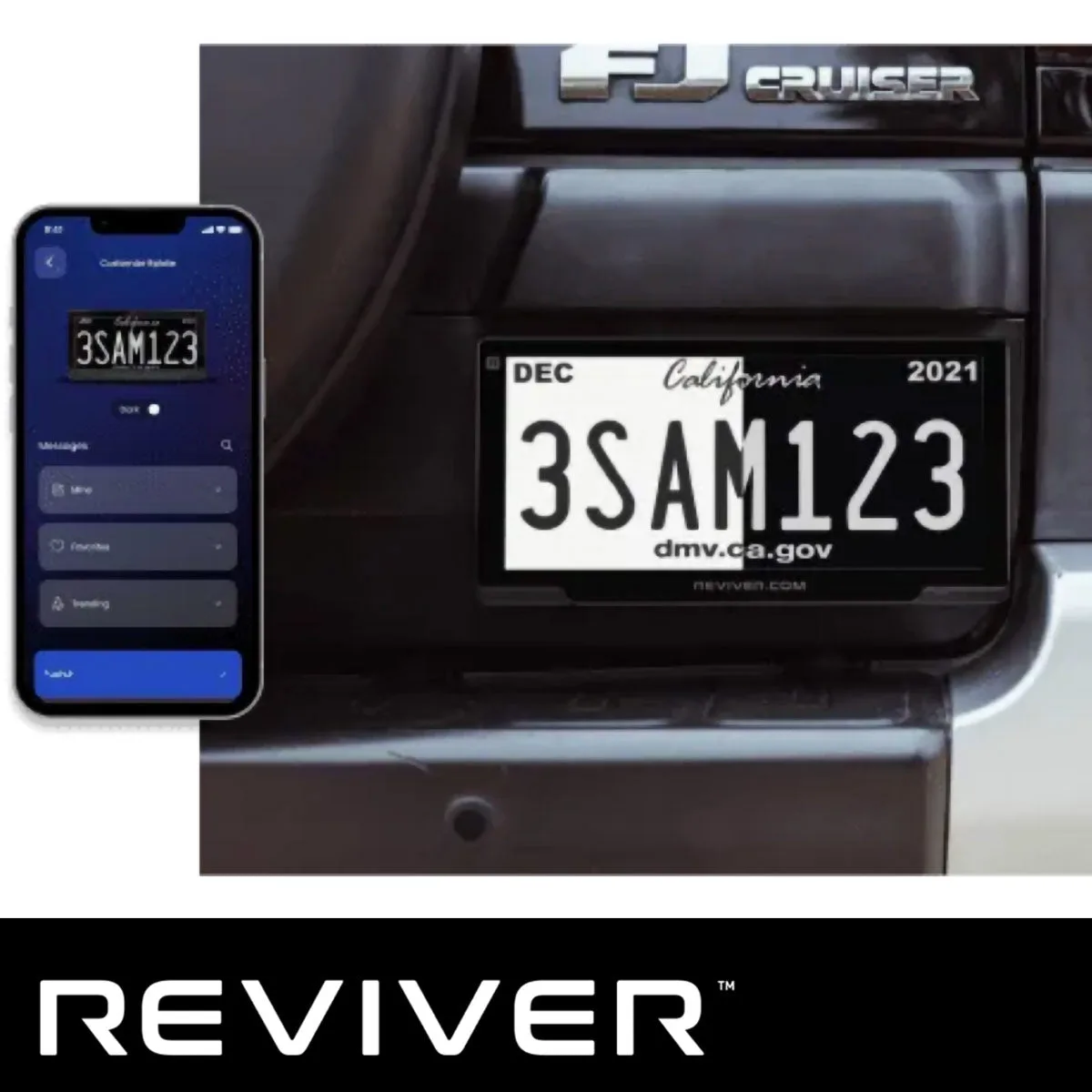
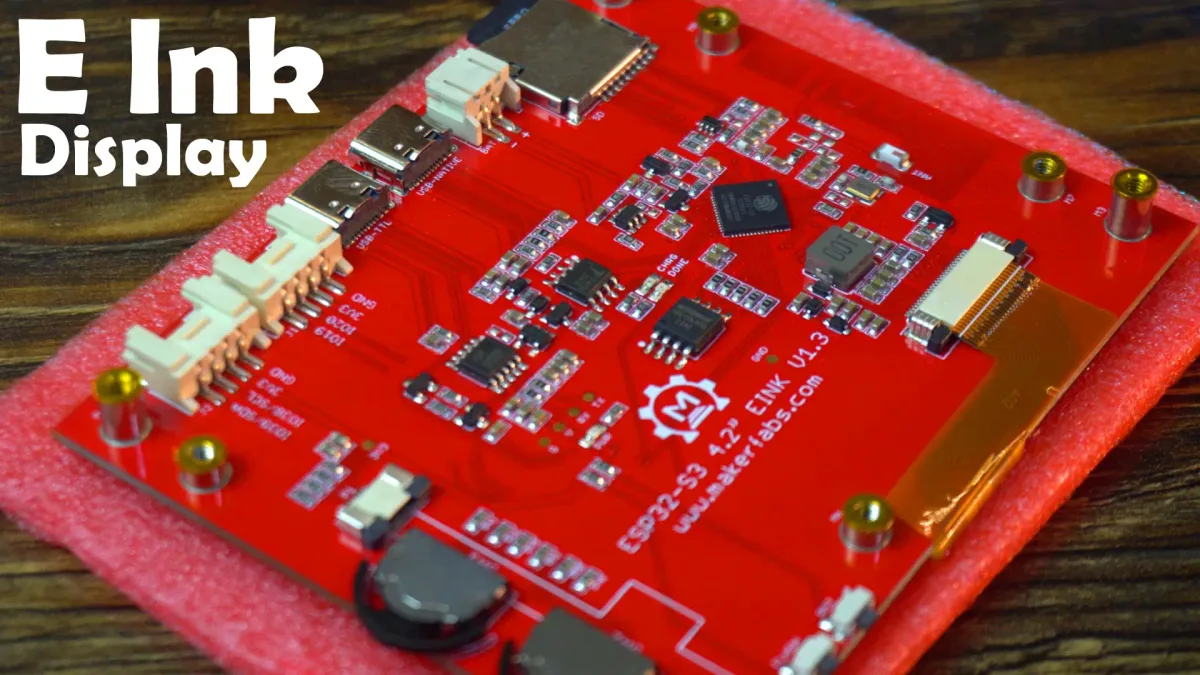
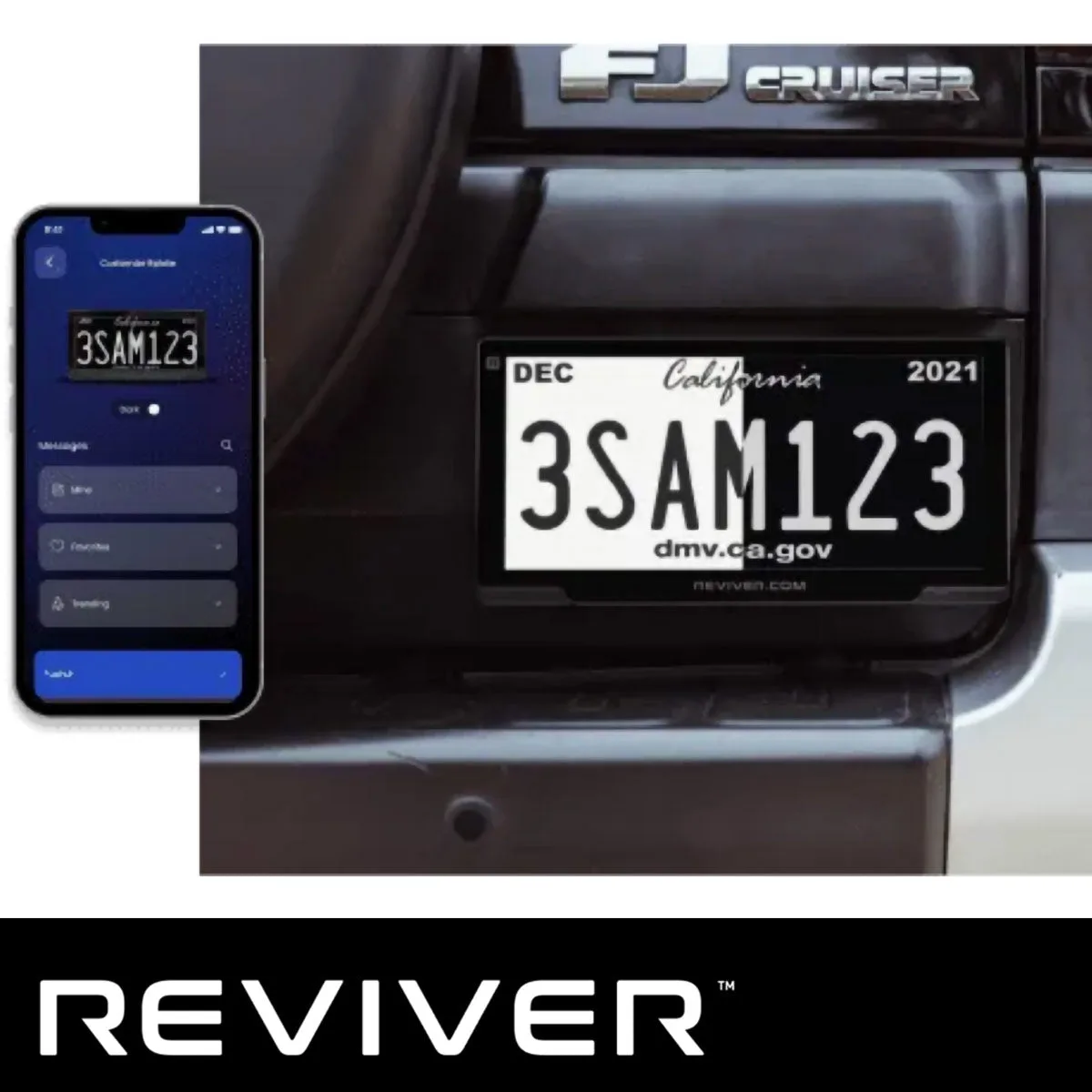
Reviver is the primary manufacturer approved for the Florida pilot. The RPlate uses e-ink technology like what you see in a Kindle. The display updates when registration status changes or when the owner shows an approved custom message.
The plate connects to cellular networks and communicates with Reviver's cloud platform. This allows automatic registration renewal without a physical sticker. Law enforcement can verify registration status electronically.
| Feature | What It Does |
|---|---|
| E-ink display | Shows plate number and registration status using low-power screen |
| Auto-renewal | Updates registration display when you renew online |
| GPS tracking | Optional real-time vehicle location for fleet management |
| Theft alert | Sends notification if the plate is removed or tampered with |
| Plate lock | Physically locks the plate to the vehicle |
| Custom message | Displays short text approved by the FLHSMV |
The cost involves upfront hardware and ongoing subscription fees.
- Hardware cost: $499 to $799 depending on model and bundle
- Monthly subscription: $8 to $15 per plate
- Optional GPS services add to the monthly fee
The battery lasts three to five years before needing replacement. Some models offer a rechargeable option.
Risk Factors: Penalties for Unauthorized Use on Personal Vehicles
Using a digital plate on a personal vehicle carries serious consequences.
Criminal penalties. Displaying an unauthorized license plate can result in a second-degree misdemeanor. This carries fines up to $500 and up to 60 days in jail.
Registration issues. The FLHSMV can flag your vehicle for improper registration display. This can lead to a registration suspension. Reinstatement requires time, paperwork, and fees.
Insurance complications. Your insurance company may view an unauthorized plate as a violation of state law. A claim denial related to an improperly displayed plate could leave you with significant costs.
Law enforcement attention. Digital plates stand out on the road. Officers know the pilot is restricted. A digital plate on a personal vehicle invites extra scrutiny.
The safest approach is simple. Do not install a Reviver or any digital plate on a personal vehicle in Florida. Wait for the legislature to expand the program.
Until then, stick with the standard metal plate.
Safe Practices: How Fleet Owners Can Legally Participate
If you operate a commercial fleet, you have a path to use digital plates. Confirm your vehicles meet the federal commercial motor vehicle definition under 49 CFR Part 390. Your trucks must weigh over 10,000 pounds, transport hazardous materials, or carry 16 or more passengers.
Once you verify eligibility, contact the FLHSMV to check if the pilot is accepting new participants. The 2,000-vehicle cap fills up quickly. Some fleet operators have reported waiting months for approval.
The enrollment process requires submitting vehicle registration details, proof of commercial use, and a signed agreement with Reviver. After installation, the plate handles registration renewal automatically.
Fleet operators also gain telematics data. You can track vehicle location, monitor plate status, and receive theft alerts. This reduces administrative time spent on manual registration checks.
When to Seek Help: Legal and Compliance Resources
Contact the FLHSMV before making any decision about digital plates. Their website provides contact information for the division handling pilot inquiries.
For commercial fleet operators, a transportation attorney can clarify whether your vehicles meet the legal definition. Misclassification can lead to compliance issues. An attorney can review your registrations, weight classifications, and use patterns.
Individual drivers who want expanded access can contact their state representative. A phone call or email to your local representative carries more weight than online petitions.
Costs and Enrollment Cap: What You're Really Paying For
A Reviver plate costs $499 to $799 for the hardware. This covers the e-ink display, wireless connectivity module, and mounting hardware.
On top of that, you pay $8 to $15 per month per vehicle. This covers the cellular data connection, cloud account, and automatic updates.
| Cost Component | Amount |
|---|---|
| Hardware (one-time) | $499 to $799 |
| Monthly subscription | $8 to $15 per plate |
| Optional GPS telematics | Additional $5 to $10 per month |
| Battery replacement (every 3-5 years) | $50 to $100 |
Compare that to a traditional metal plate. The initial plate fee in Florida is around $28 to $50. Registration renewal averages $50 to $80 per year.
Standard plates require no monthly fees.
The enrollment cap of 2,000 vehicles means supply is limited. Check with the FLHSMV before purchasing hardware.
Digital vs. Traditional Plates: A Side-by-Side Comparison

| Aspect | Digital Plate | Traditional Metal Plate |
|---|---|---|
| Upfront cost | $499 to $799 | $28 to $50 |
| Recurring cost | $8 to $15/month | $50 to $80/year (renewal) |
| Registration renewal | Automatic | Manual sticker replacement |
| Theft protection | GPS tracking, plate lock, alerts | None built-in |
| Custom messaging | Limited, FLHSMV approved | Not available |
| Battery life | 3 to 5 years (replaceable) | No battery |
| Weight | Slightly heavier | Standard |
For fleet operators managing many vehicles, the time savings from automatic renewal can justify the cost. Each manual renewal requires staff to coordinate with the DMV, receive stickers, and apply them.
For personal vehicle owners, traditional plates remain the sensible choice. The lower cost and no monthly fee make standard plates more economical for private use.
Expert Tips: Making the Right Call for Your Fleet
Start with a pilot within your fleet. Do not convert all vehicles at once. Choose five to ten trucks and test the digital plates for three months. Evaluate the subscription costs against time saved.
Verify your telematics needs. The Reviver plate includes optional GPS tracking, but you may already have a telematics provider. Compare features and pricing. You might save money by declining the GPS add-on.
Factor in battery replacement. The three to five year battery life is a real operational cost. Budget for replacements across your fleet.
Understand custom message rules. Florida law restricts what you can display. You cannot advertise products or display political messages. Approved messages typically include fleet numbers or safety slogans.
Maintain backup plates. If a digital plate fails, you need a physical backup. Keep the original metal plate in your vehicle.
Train your drivers. Ensure every driver knows the plate can send theft alerts. Accidental removal triggers an alert that wastes law enforcement time.
What's Next: Future Expansion and How to Stay Updated
The pilot was set to expire July 1, 2025. The legislature could let it expire, extend it, or expand it to personal vehicles.
As of 2026, the outcome depends on the legislative session that addressed the sunset. California and Arizona already allow digital plates on personal vehicles. Florida could follow that path.
To stay informed, bookmark the FLHSMV legislative updates page. Track Florida House and Senate transportation committee agendas. When a bill related to digital plates appears, that signals possible change.
If you want to express support for expansion, contact your state representative. A short, polite phone call or email explaining why you want digital plates carries influence.
Verified Summary: Your Action Plan
- Digital plates are legal for commercial motor vehicles only.
- Personal passenger vehicles are not eligible as of 2026.
- Unauthorized use carries fines, potential misdemeanor charges, and registration issues.
- Fleet operators should verify eligibility and test a small batch first.
- Standard metal plates remain the safe and legal choice for private vehicles.
The Florida DMV has the final word. When in doubt, ask them directly.
Frequently Asked Questions
Is the Reviver plate legal on a personal car in Florida?
No. The pilot limits digital plates to commercial motor vehicles. Personal passenger vehicles, light trucks, and motorcycles are not eligible.
Using a digital plate on a personal vehicle can result in fines and a misdemeanor charge.
How much does a digital license plate cost in Florida?
The Reviver plate costs $499 to $799. You also pay $8 to $15 per month per vehicle. Traditional metal plates cost $28 to $50 upfront with no monthly fees.
Can I put a Reviver plate on my pickup truck if I use it for work?
Not unless the truck meets the federal commercial motor vehicle definition. That means a GVWR over 10,000 pounds, hazardous materials transport, or carrying 16 or more passengers. A personal pickup used for occasional hauling does not qualify.
Is the Florida digital license plate pilot still accepting new participants?
Possibly. The program has a 2,000-vehicle cap and may be full. Contact the FLHSMV directly to check availability.
Only commercial fleet operators can apply.
Will Florida allow digital plates on personal vehicles in the future?
It is possible. The legislature could expand the pilot during a future session. California and Arizona already allow digital plates on personal vehicles.
If Florida follows, the FLHSMV will announce the change publicly.