ByMax Lee
Florida Turnpike Toll Calculator & Pricing Guide
Bing (Web (fair-use with source credit))
Planning a trip on Florida’s Turnpike but unsure how much it’ll cost? The Florida Turnpike Enterprise toll calculator and distance-based pricing system lets you estimate fees before you drive. It’s based on your exact route, vehicle type, and payment method.
As of 2026, passenger vehicles pay roughly $0.05 to $0.15 per mile, with rates varying by axle count and tolling method. Here’s how to figure out what you’ll owe.
Quick Answer
The Florida Turnpike Enterprise toll calculator uses distance, vehicle class, and payment type to set your toll. Passenger cars pay per-mile rates, while trucks and RVs follow a different scale. SunPass users get discounts over Pay-by-Plate or cash.
Rates are fixed per segment, so longer trips cost more.
How Florida Turnpike’s Distance-Based Toll Pricing Works
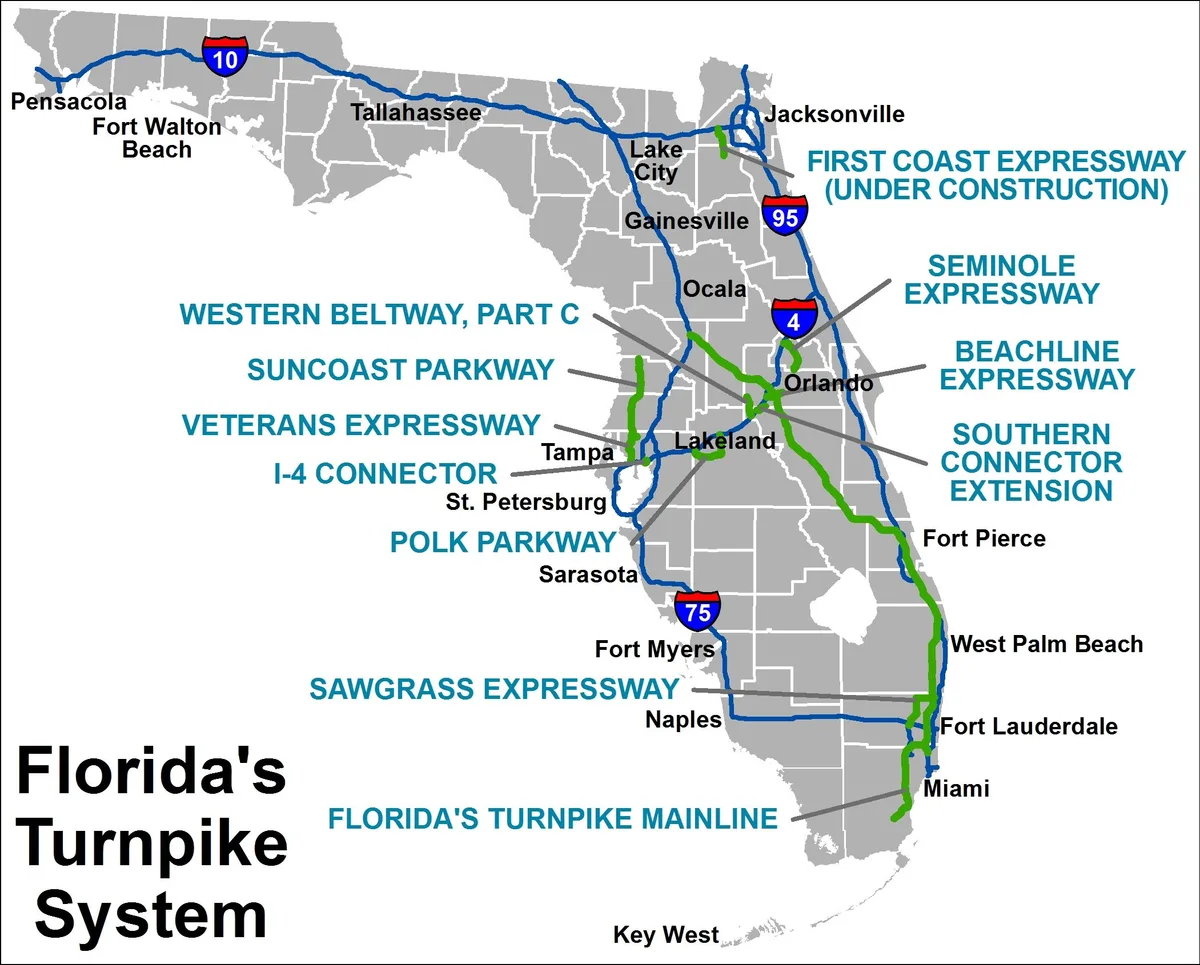
Florida’s Turnpike doesn’t use flat fees. Instead, it charges by the mile, with rates tied to your vehicle’s axle count and how you pay. The system splits the road into segments, and each has its own per-mile cost.
Electronic tolling via SunPass or E-ZPass is fastest and often cheapest. Pay-by-Plate sends an invoice to your registered address, usually with a small administrative fee. Cash is still accepted at some plazas but tends to be the slowest option.
The 3 Factors That Decide Your Toll Cost
Your final toll depends on three things: distance traveled, vehicle class, and payment method.
Distance traveled
The longer your trip, the higher the toll. The Turnpike is divided into segments, and each has a set rate per mile. For example, the stretch between Miami and Fort Lauderdale is shorter and cheaper than Miami to Orlando.
Vehicle class
Rates change based on axle count and vehicle type. A standard passenger car (2 axles) pays less than a tractor-trailer (5+ axles). RVs and buses fall somewhere in between.
Payment method
SunPass and E-ZPass offer discounts, sometimes up to 50% off Pay-by-Plate rates. Cash payments at plazas may have a small surcharge.

Bing (Web (fair-use with source credit))
Florida Turnpike Toll Calculator: How to Use It Step by Step
Start by visiting the official Florida Turnpike Enterprise toll calculator. Enter your starting point and destination, either by exit number or city.
Next, select your vehicle class. The dropdown includes options like 2-axle passenger, 3-axle truck, or motorcycle. If you’re towing a trailer, choose the combined axle count.
Then, pick your payment method: SunPass, E-ZPass, Pay-by-Plate, or cash. The calculator updates in real time to show your estimated toll.
For the most accurate result, double-check your entry and exit points. Some interchanges have multiple toll points, and a small error can change the cost.
Vehicle Classes Explained (And Why Yours Matters)
The Turnpike groups vehicles into classes based on axles and height.
| Class | Description | Example |
|---|---|---|
| Class 1 (2-axle) | Passenger cars, motorcycles | Sedan, SUV, pickup truck |
| Class 2 (2-axle) | Vehicles over 6,000 lbs | Large van, small RV |
| Class 3 (3-axle) | Trucks with 3 axles | Box truck, some RVs |
| Class 4 (4-axle) | Trucks with 4 axles | Semi-truck (no trailer) |
| Class 5 (5+ axles) | Tractor-trailers, buses | 18-wheeler, tour bus |
Misclassifying your vehicle can lead to underpayment or overpayment. If you’re unsure, the Turnpike’s vehicle classification guide can help. For more on vehicle regulations, check out Connecticut’s towing safety rules for a comparison on how other states handle similar systems.
SunPass vs. Pay-by-Plate vs. Cash: Costs Compared
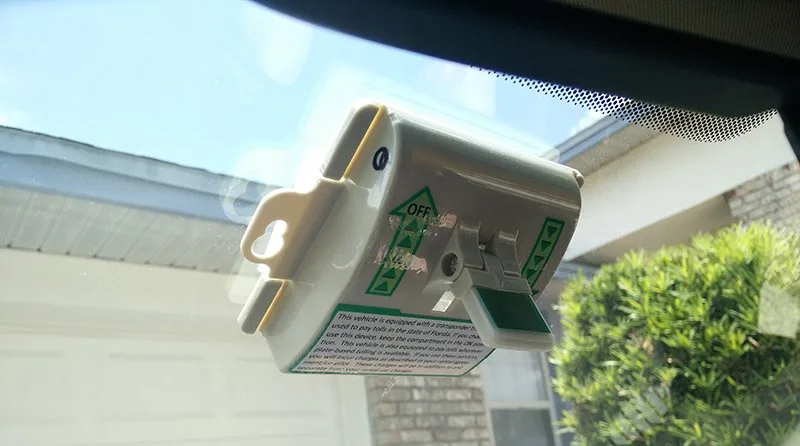
SunPass is the cheapest option for frequent drivers. You’ll save about 25 to 50 percent compared to Pay-by-Plate. The transponder deducts tolls automatically as you pass through electronic lanes.
Pay-by-Plate is convenient if you don’t have a transponder. Cameras capture your license plate and mail an invoice. Expect a $2 to $4 administrative fee per trip.
Cash is still accepted at some plazas but it’s the slowest method. You’ll pay the highest rates and may face longer wait times during peak hours.
Bing (Web (fair-use with source credit))
For commercial fleets, SunPass also offers detailed toll reports. This helps with expense tracking and tax deductions. Pay-by-Plate doesn’t provide the same level of detail.
Real Toll Examples for Common Florida Turnpike Trips
Here’s what you’d pay for some popular routes as of 2026. These estimates assume a 2-axle passenger vehicle using SunPass.
| Route | Distance | Estimated Toll |
|---|---|---|
| Miami to Fort Lauderdale | 30 miles | $2.50 |
| Fort Lauderdale to West Palm | 50 miles | $4.25 |
| Orlando to Tampa | 85 miles | $7.50 |
| Miami to Orlando | 250 miles | $20.00 |
Rates double for 3-axle vehicles and increase further for larger trucks. Pay-by-Plate adds the administrative fee to each of these totals.
Bing (Web (fair-use with source credit))
How to Avoid Overpaying on Tolls
Use SunPass or E-ZPass for the best rates. The upfront cost of a transponder pays for itself in just a few trips.
Plan your route to minimize toll roads when possible. Google Maps and Waze can show toll vs. free alternatives. Just be aware that free routes may take longer.
Check your vehicle classification before long trips. If you’re towing a trailer, your axle count changes. This affects your toll rate significantly.
Mistakes That Lead to Unexpected Toll Bills
Forgetting to update your vehicle info with SunPass can cause misclassification. If your car is registered as 2-axle but you’re towing, you’ll be charged incorrectly.
Ignoring Pay-by-Plate invoices leads to late fees. Florida adds penalties for unpaid tolls, and they can escalate quickly.
Using cash lanes without exact change slows you down. Some plazas don’t give change, so you might overpay.
Commercial Vehicles & RVs: Special Rules and Rates
Commercial trucks pay by axle count and distance. A 5-axle tractor-trailer can pay 5 to 10 times more than a passenger car for the same route.
RVs are classified based on length and axle count. Most fall into Class 2 or 3. Check the Florida Turnpike’s commercial vehicle guide for exact rates.
Fleet accounts can get volume discounts. If your business has multiple vehicles, contact Florida Turnpike Enterprise to set up a commercial billing agreement.
What Happens If You Don’t Pay a Toll?
Florida sends a toll violation notice to the vehicle owner. You’ll have 30 days to pay the original toll plus a $2.50 administrative fee.
If unpaid, the fee increases to $25 after 30 days. After 90 days, it jumps to $100 and may trigger a vehicle registration hold.
The Florida Turnpike Enterprise can also send the debt to collections. This affects your credit score and adds collection fees.
Pro Tips to Save Money on Florida Turnpike Tolls
Sign up for SunPass. The one-time $4.99 transponder cost pays for itself in just a few trips.
Use the toll calculator before traveling. This helps you budget and compare routes.
Avoid peak travel times. Some segments have higher rates during rush hour.
Frequently Asked Questions
How accurate is the Florida Turnpike toll calculator?
The official calculator uses real-time rates and segment data. It’s typically accurate within a few cents for standard vehicles.
Can I use E-ZPass on the Florida Turnpike?
Yes, E-ZPass works on Florida’s Turnpike. It’s interoperable with SunPass and offers the same discounts.
What’s the cheapest way to pay tolls?
SunPass is the cheapest option. It offers the lowest per-mile rates and no administrative fees.
Do tolls change based on time of day?
Most segments have fixed rates. A few areas test dynamic pricing during peak hours.
How do I dispute a toll charge?
Contact Florida Turnpike Enterprise within 30 days. Provide your invoice number and any supporting documents.
Are there toll discounts for frequent drivers?
SunPass offers volume discounts for commercial accounts. Personal accounts get standard per-mile savings.