Illinois pick-up truck registration fees based on gross vehicle weight follow a flat weight tax schedule that jumps at specific GVW brackets. Most owners overpay because they declare a round number instead of their actual scaled weight. A certified weight certificate can save you hundreds per year.
The process changes depending on whether your truck is new, used, or modified.
As of 2026 the Secretary of State uses nine weight brackets starting at 8,000 pounds and topping out at 36,000 pounds for B-truck plates. Each bracket increase adds roughly $100 to $170 to your annual weight tax. The title fee stays fixed at $150.
Quick Answer: What You'll Pay Based on GVW
Illinois pickup truck registration fees are based on gross vehicle weight using a flat weight tax schedule. You declare a weight that matches your truck's GVWR or actual scaled weight. The 2024 to 2025 tax for an 8,000 pound bracket is $151 per year.
A 12,000 pound bracket costs $254. A 16,000 pound bracket costs $386. Heavier brackets climb past $1,200 at 36,000 pounds.
Why Gross Vehicle Weight Matters for Your Registration
Gross vehicle weight is the maximum loaded weight your truck is rated to carry. It includes the truck, passengers, fuel, cargo, and trailer tongue weight. The manufacturer sets this as the gross vehicle weight rating on the door jamb sticker.
Illinois uses your declared GVW to assign a flat weight tax bracket. You cannot declare less than the GVWR if the truck is equipped for that capacity.
If you declare 10,000 pounds but your GVWR is 12,000 you risk an overweight ticket. The fine starts at $500 for every 2,000 pounds over your declared weight. Police use portable scales at weigh stations and roadside checks.
Illinois' Flat Weight Tax Brackets (2024/2025)
The flat weight tax applies to B-truck plates which cover most personal and light commercial pickups. The tax is a fixed annual amount per bracket. No mileage logs required.
No fuel type adjustment except the EV surcharge.
| Declared GVW (lbs) | Annual Weight Tax |
|---|---|
| 8,000 | $151 |
| 10,000 | $189 |
| 12,000 | $254 |
| 16,000 | $386 |
| 20,000 | $554 |
| 24,000 | $722 |
| 28,000 | $890 |
| 32,000 | $1,058 |
| 36,000 | $1,226 |
Two-year renewal doubles the weight tax but locks the rate. The $6 plate renewal fee also doubles. New plates cost $29.
Title transfer is $150 every time ownership changes.
Step-by-Step: How to Determine Your Truck's GVW
Start with the manufacturer's GVWR. Find it on the driver's door jamb sticker. That number is your floor.
If you added a service body, winch, or tool boxes the actual weight may be higher. You must declare the higher of GVWR or actual scaled weight.
Where to Find Your GVWR
Open the driver's door. Look at the white or silver label on the B-pillar or door edge. The line labeled GVWR shows the maximum in pounds and kilograms.
A half-ton pickup like an F-150 or Silverado 1500 usually shows 6,800 to 7,200 pounds GVWR. A three-quarter-ton 2500 series often shows 10,000 pounds. A one-ton 3500 series can show 11,500 to 14,000 pounds.
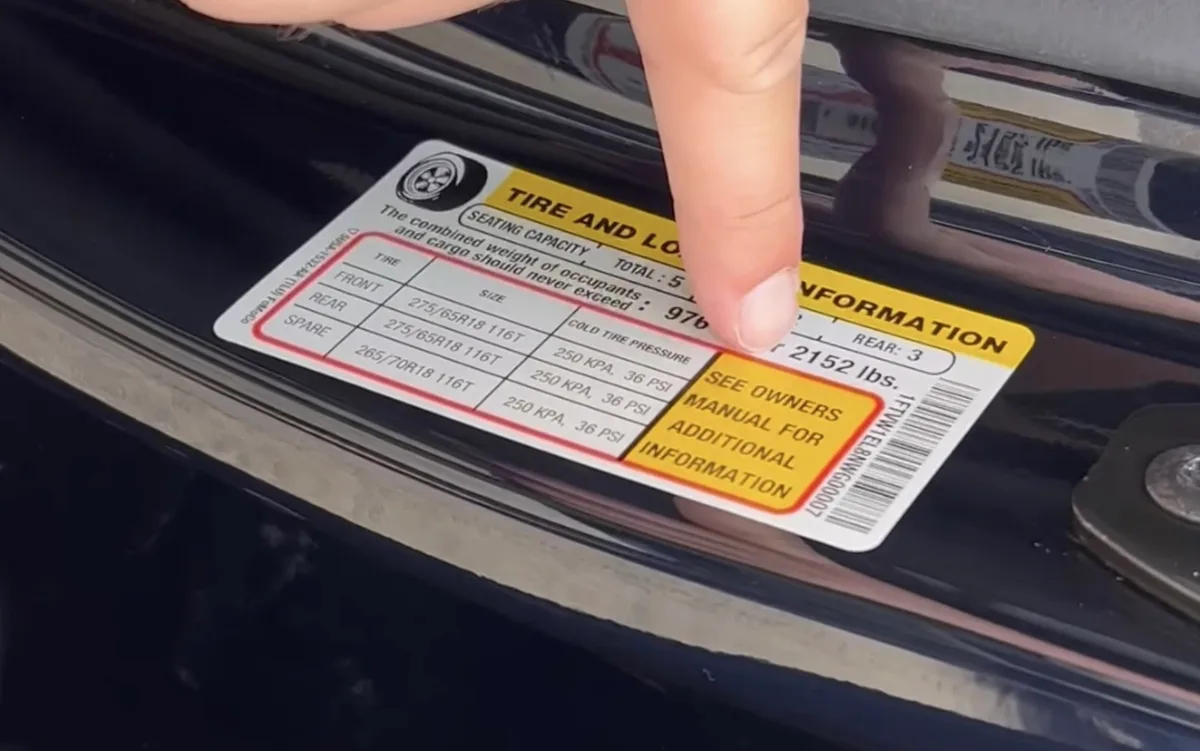
If the sticker is missing or painted over check the owner's manual or the manufacturer's VIN decoder. The Illinois SOS will not accept a guess.
When to Use a Certified Weight Certificate
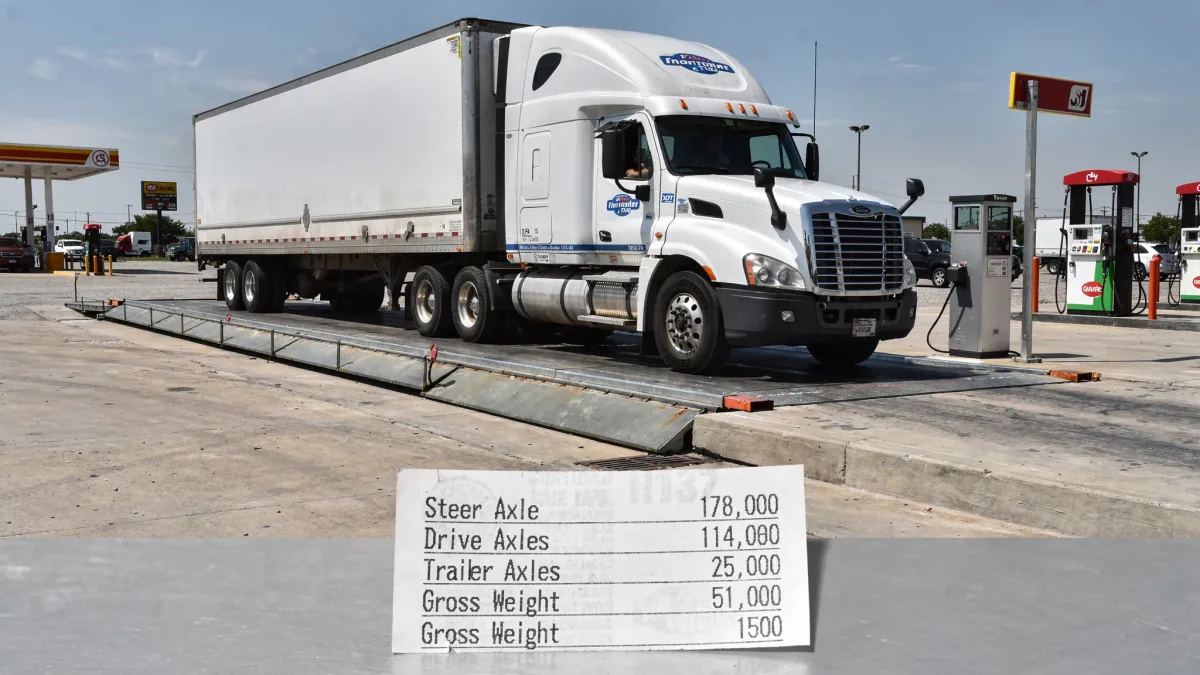
You need a certified weight certificate when registering a new truck over 8,000 pounds GVW for the first time in Illinois. The dealer should provide it. If they do not you must drive the empty truck to a certified public scale.
Weigh stations at truck stops, grain elevators, and landscape yards usually offer this service. The ticket must show the date, scale location, and empty weight.
If you bought a used truck already titled in Illinois you typically do not need a new weight certificate. The previous registration weight carries over unless you modified the truck.
How to Calculate Your Total Registration Cost
Add the weight tax from the bracket table to the fixed fees. Then add your county surcharge and any city sticker.
Base Fees (Title, Plates, County Surcharges)
Title fee is $150 for new or transferred registration. Plate fee is $29 for new plates or $6 for renewal sticker. Cook County adds a $20 surcharge.
Some other counties add $5 to $10.
Extra Costs (EV Surcharge, Chicago City Sticker)
Electric pickups pay a $100 annual EV surcharge on top of the weight tax. Chicago city stickers cost roughly $100 to $150 per year depending on vehicle class. They are enforced by parking tickets and license plate readers.
For a 2024 Ford F-150 Lightning at 8,200 pounds GVW in Cook County the first-year cost is roughly $456. That breaks down to $151 weight tax plus $150 title plus $29 plates plus $20 county plus $100 EV surcharge. Renewal drops to $277 without the title fee.
Per the Illinois Vehicle Code 625 ILCS 5/3-815 the flat weight tax schedule is set by statute. The Secretary of State publishes the current rates on cyberdriveillinois.com.
B-Truck vs. D-Truck vs. Farm Plates: Which One’s Right for You?
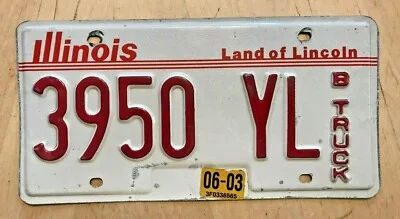
B-truck plates cover most personal pickups and light commercial trucks under 26,001 pounds GVW. They allow personal use plus incidental commercial use. The flat weight tax applies to B-truck registrations.
D-truck plates start at 26,001 pounds GVW. They require a CDL if the truck or combination exceeds 26,000 pounds. D-truck registrations use the mileage tax system instead of flat weight tax.
Farm plates cost far less but restrict use to agricultural purposes only. The annual fee is about $50 regardless of weight. You must prove farm ownership or operation to qualify.
Recreational plates are another option for trucks used exclusively for personal recreation. They cost less than B-truck plates but prohibit any commercial use.
Common Mistakes That Cost You Money (or a Ticket)
Declaring a round number like 10,000 pounds when your GVWR is 9,800 pounds wastes money. The 10,000-pound bracket costs $189 while the 8,000-pound bracket is $151. That is $38 per year you could save.
Forgetting the weight certificate for a new truck over 8,000 pounds GVW will get your registration rejected. The SOS facility will turn you away. You will need to return with a certified scale ticket.
Overloading your truck beyond your declared weight risks a $500 fine for every 2,000 pounds over. Police can weigh your truck at any time. The fine applies even if you are within your GVWR but over your declared weight.
What Happens If You Declare the Wrong Weight?
If you declare too low and get caught you will owe back taxes plus penalties. The SOS will recalculate your fee based on the correct weight. They will charge interest on the underpayment.
You may also receive a traffic citation.
If you declare too high you simply overpay. There is no refund for over-declaration. The excess fee is lost for that registration period.
You can correct it at renewal by declaring the proper weight.
The SOS may audit your registration if they suspect an error. They can request proof of weight like a scale ticket or manufacturer spec. If you cannot provide it they will assign the highest possible bracket.
How to Register or Renew in Illinois
In-Person at an SOS Facility
Bring your title, proof of insurance, and payment. If registering a new truck over 8,000 pounds GVW bring a certified weight certificate. The facility will process your paperwork and issue plates or a sticker.
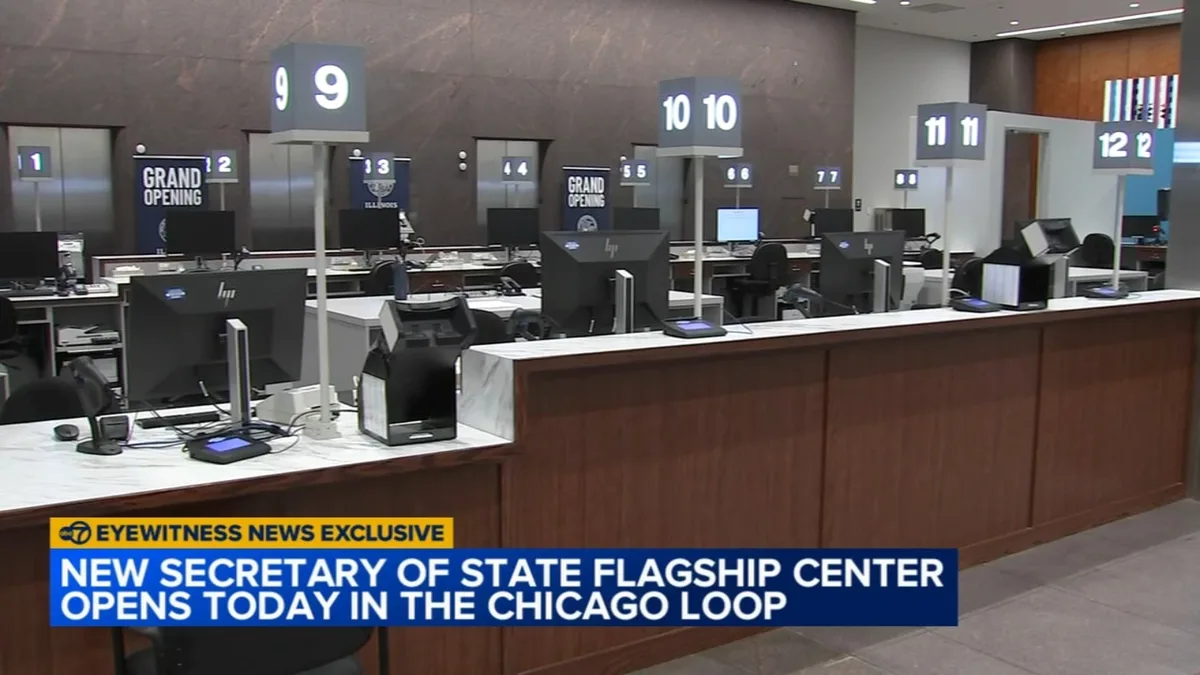
Wait times vary by location and time of year. March and August are the busiest months. Arrive early or use the SOS appointment system if available.
Online Renewal (If Eligible)
Most B-truck renewals can be completed online at cyberdriveillinois.com. You will need your renewal notice or plate number. The system will pre-fill your current declared weight.
Payment is by credit card or electronic check. A convenience fee applies to card payments. Your new sticker will arrive by mail within 7 to 10 days.
By Mail
Mail your renewal notice, payment, and any required documents to the address on the notice. Include a check or money order payable to the Secretary of State. Allow 2 to 3 weeks for processing.
If you do not receive your renewal notice you can request a duplicate online. You can also renew by mail using a copy of your current registration.
FAQs About Illinois Pickup Truck Registration Fees
How do I find my truck's GVWR?
Check the sticker on the driver's door jamb. It lists the GVWR in pounds and kilograms. If the sticker is missing use the manufacturer's VIN decoder or owner's manual.
What if my truck weighs more than its GVWR?
You cannot legally load a truck beyond its GVWR. The manufacturer sets this limit for safety. Exceeding it can void your warranty and insurance.
Can I use Farm plates for my personal truck?
No. Farm plates are only for vehicles used exclusively in agricultural operations. Personal use is not allowed.
Misuse can result in fines and registration suspension.
Do electric pickups pay the same fees?
Electric pickups pay the same weight tax as gas or diesel trucks. They also pay an additional $100 annual EV surcharge. This applies to all electric vehicles including pickups.
What happens if I miss my renewal deadline?
You will owe a $20 late fee. You may also receive a ticket for expired registration. Renew as soon as possible to avoid additional penalties.