Illinois biennial emissions inspection schedule based on model year parity trips up even long-time residents. The rule hinges on whether your vehicle’s model year is odd or even, and that determines which calendar year you’re due for testing.
As of 2026, the Illinois EPA ties inspections to this parity system, with most gasoline vehicles tested every two years once they’re past their initial exemption window.
Quick Answer
Illinois biennial emissions inspection schedule based on model year parity means odd model years test in odd calendar years. Even model years test in even calendar years. Newer vehicles are exempt for the first four model years.
The cycle repeats every two years after that.
Why Illinois Emissions Testing Confuses Everyone
The parity rule isn’t printed on your registration. Most drivers only notice when they get a renewal notice with a missing emissions sticker.
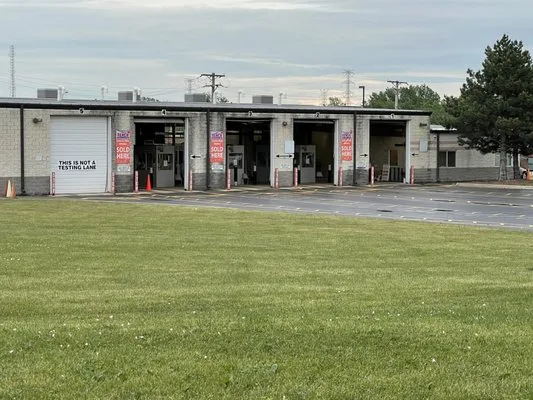
Counties enforce it differently. Even dealerships sometimes misfile the due year when you buy used.
The Quick Rule: Your Model Year Decides Everything
If your car is a 2021 model, it’s odd. That means you test in 2025, 2027, and so on.
A 2022 model is even, so you test in 2026, 2028, etc. The cutoff is simple: last digit of the model year. Zero counts as even, so 2020 follows the even-year schedule.
How the Biennial Parity System Actually Works
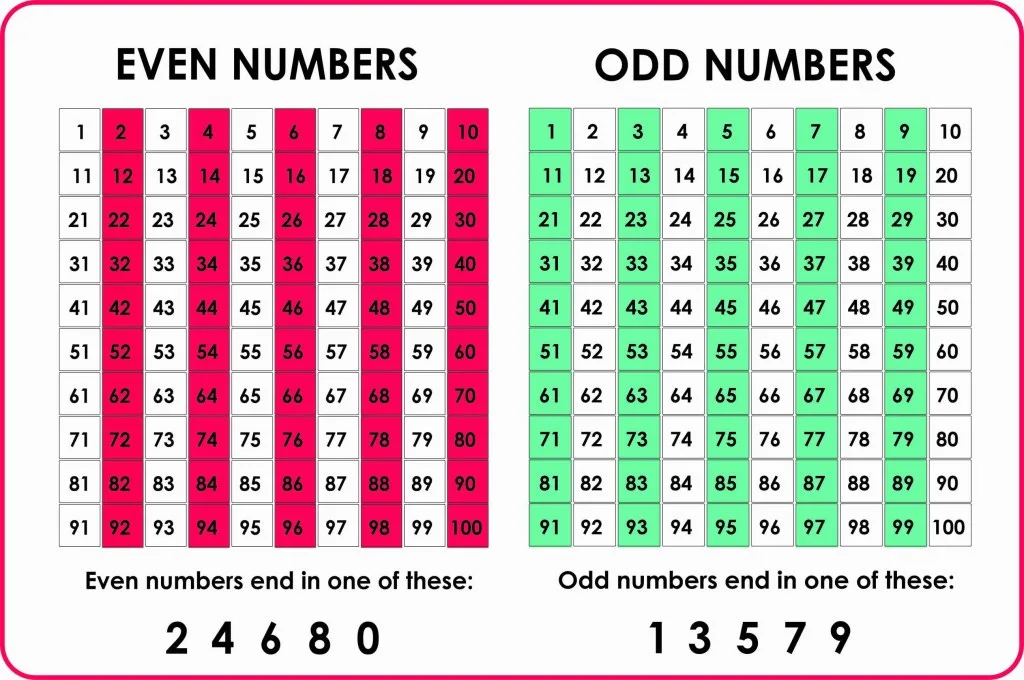
Illinois groups vehicles by model year parity to spread testing load across stations. Odd years test in odd calendar years, even in even.
The Illinois EPA runs the program. You can confirm your exact due date on the official state portal.
New gasoline vehicles skip the first four model years. Diesels follow a different rule set, so check separately if you drive one.
What Determines Your Inspection Year: The Three Variables
Your model year’s last digit is the first factor. Odd or even sets the base cycle.
Your county’s testing requirement is the second. Not all Illinois counties mandate emissions tests, so rural owners may be exempt.
Your vehicle’s fuel type is the third. Gasoline cars follow parity, while diesels and some hybrids have unique schedules.
Find Your Schedule: The Decision Workflow
Check your model year first. If it ends in 1, 3, 5, 7, or 9, you’re on the odd-year cycle.
If it ends in 0, 2, 4, 6, or 8, you follow the even-year cycle. Newer cars skip the first four years entirely.
Use the Illinois EPA’s vehicle lookup tool to confirm your exact due date. This removes guesswork about county rules or exemptions.
Step-by-Step: Check, Test, and Renew Without Hassle
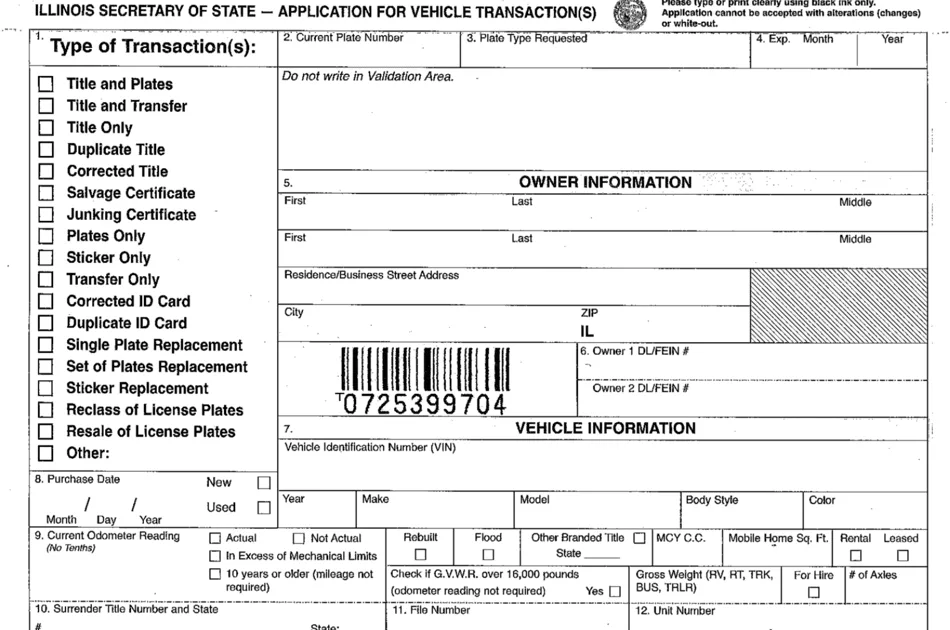
Find your model year on the registration or VIN. The 10th digit of the VIN is the model year code.
Match it to the parity chart. Odd years test in odd calendar years, even in even.
Locate a testing station. Illinois has over 200 locations, and most don’t require appointments.
Bring your vehicle, registration, and payment. The test takes about 20 minutes if you pass.
Exemptions That Might Apply to You
New gasoline vehicles are exempt for the first four model years. A 2026 model won’t need testing until 2030.
Electric and hybrid vehicles often skip emissions tests. Check the IEPA site for the latest rules.
Diesel vehicles follow a separate schedule. They’re tested annually in most counties.
Classic cars over 25 years old may be exempt. Confirm with your local DMV.
Where to Test: Stations, Hours, and What to Bring
Illinois has fixed and mobile testing sites. Fixed sites operate Monday through Saturday.
Most stations open at 7 AM and close by 6 PM. Some offer extended hours during peak months.
Bring your vehicle, registration, and a valid ID. Payment is by card or cash, depending on the location.
No appointment is needed at most sites. But busy stations may have long wait times.
What Happens If You Fail: Repairs, Retests, and Waivers
You’ll get a failure notice with the reason. Common issues include faulty catalytic converters or oxygen sensors.
Repairs must be done before retesting. Some stations offer free retests within a set period.
If repairs exceed a cost threshold, you may qualify for a waiver. The IEPA sets the limit, currently $450 as of 2026.
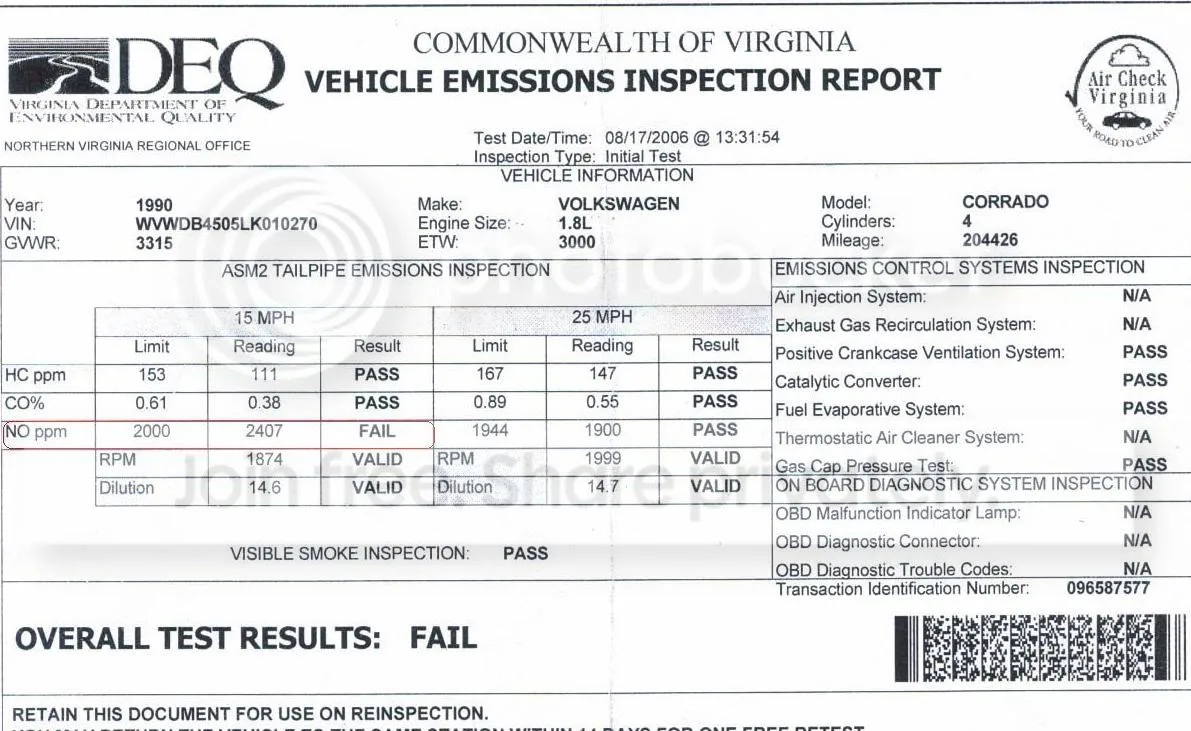
Submit receipts and a completed waiver application. Approval isn’t automatic, so keep all paperwork.
Common Mistakes That Trigger Fines or Registration Holds
Missing the deadline is the top error. Illinois sends reminders, but they’re easy to overlook.
Ignoring county rules causes problems. Some areas don’t require testing, but others enforce it strictly.
Assuming hybrids are exempt can backfire. Only certain models skip testing, so verify with the IEPA.
Forgetting to retest after repairs means you’ll fail again. Always confirm the fix before returning.
Real Costs: Fees, Repairs, and Hidden Expenses
The standard test fee is $20 as of 2026. Some counties add small surcharges.
Repairs for a failed test average $200 to $600. Catalytic converter replacements can run over $1,000.
Retest fees apply if you don’t pass the first time. Most stations charge $10 to $15 for a retest.
Waivers cap repair costs at $450. If you spend more, you may still need to fix the issue to pass.
Legal Consequences: Registration Blocks and Penalties
You can’t renew registration without a passing test. The Secretary of State will block the renewal.
Late fees start at $20. They increase the longer you wait.
Driving with an expired registration risks a ticket. Fines range from $50 to $200 depending on the delay.
Persistent non-compliance can lead to vehicle impoundment. Illinois takes emissions rules seriously.
Your Personal Decision Guide: A 60-Second Checklist
Check your model year’s last digit. Odd or even determines your cycle.
Confirm your county’s testing requirement. Not all areas enforce it.
Verify exemptions. Newer cars, EVs, and some hybrids may skip testing.
Find a station. Use the IEPA’s locator tool for the nearest site.
Schedule time. Tests take 20 minutes if you pass.
Check your model year’s last digit. Odd or even determines your cycle.
Confirm your county’s testing requirement. Not all areas enforce it.
Verify exemptions. Newer cars, EVs, and some hybrids may skip testing.
Find a station. Use the IEPA’s locator tool for the nearest site.
Schedule time. Tests take 20 minutes if you pass.
Frequently Asked Questions
Do I need an emissions test if I just moved to Illinois?
Yes, you must comply within 30 days of establishing residency. The parity rule applies based on your vehicle’s model year.
What if my car is from out of state?
Out-of-state vehicles follow the same parity system. You’ll need to register and test within the required timeframe.
How do I know if my county requires testing?
Check the IEPA’s county list. Most urban areas enforce it, while rural counties often don’t.
Can I get an extension if my car fails?
No extensions exist for failures. You must repair and retest to pass.
What happens if I ignore the test?
You won’t renew registration. Late fees and potential tickets follow.
Are diesel vehicles tested differently?
Yes, diesels follow annual testing in most counties. Check the IEPA for specifics.