ByMax Lee
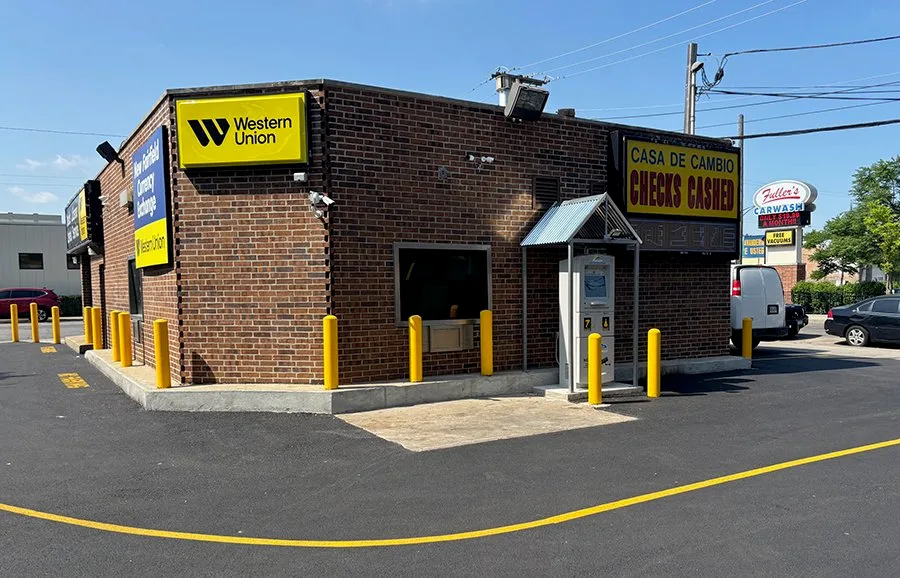
Illinois Air Team Self-Service Emissions Kiosks & Locations
Needing an emissions test in Illinois usually means one thing: figuring out where to go and whether you can use a quick self-service kiosk. The Illinois Air Team emissions testing locations and self-service kiosks network covers the whole mandated area, but the best option for you depends on your car, your schedule, and how patient you're feeling that day.
As of 2026, the program covers 11 counties around Chicago and St. Louis. Over 90% of newer cars pass the OBD-II plug-in test easily, but the kind of station you pick can mean the difference between a 7-minute pit stop and a half-hour wait.
Let's walk through what you need to know before you pull into that test lane.
Quick Answer
Illinois Air Team emissions testing is required for most vehicles in 11 counties. You have two options. A self-service kiosk is faster for OBD-II cars.
Full-service stations handle older vehicles and diesels. All locations are searchable on the official Illinois Air Team website.
Do You Need an Illinois Emissions Test?
First, check your plate. Vehicles registered in specific counties need a test every two years. If you live in or regularly drive in Cook, DuPage, or Lake County, you are almost certainly on the hook.
The same goes for Kane, Kendall, Grundy, and McHenry in the Chicago area, plus Madison, Monroe, and St. Clair near St. Louis.
Then check your car. If it's an electric vehicle (EV), you are exempt. Hybrids under 8,500 lbs are exempt too.
Gas-powered cars from the current model year to four years old are waived. But once they hit year five, they are in the testing pool.
| Vehicle Type | Testing Required? |
|---|---|
| Electric vehicle (EV) | No |
| Plug-in hybrid (under 8,500 lbs) | No |
| Standard hybrid (under 8,500 lbs) | No |
| Gas car (current to 4 years old) | No |
| Gas car (5+ years old) | Yes |
| Diesel car | Yes (opacity test) |
| Motorcycle | No |
| RV | No |
If you aren't sure, the Secretary of State's registration renewal notice will tell you if a passed test is needed before you can renew. Skipping it when a test is required means you cannot get your new registration sticker. Most people who fail to complete the test on time end up paying late fees and dealing with registration snags.
Which Illinois Counties Require Testing
The Illinois EPA mandates testing in counties that historically have not met federal air quality standards. These are known as US EPA "nonattainment" areas. If you live in one of these counties, your vehicle registration renewal is tied to passing an emissions test.
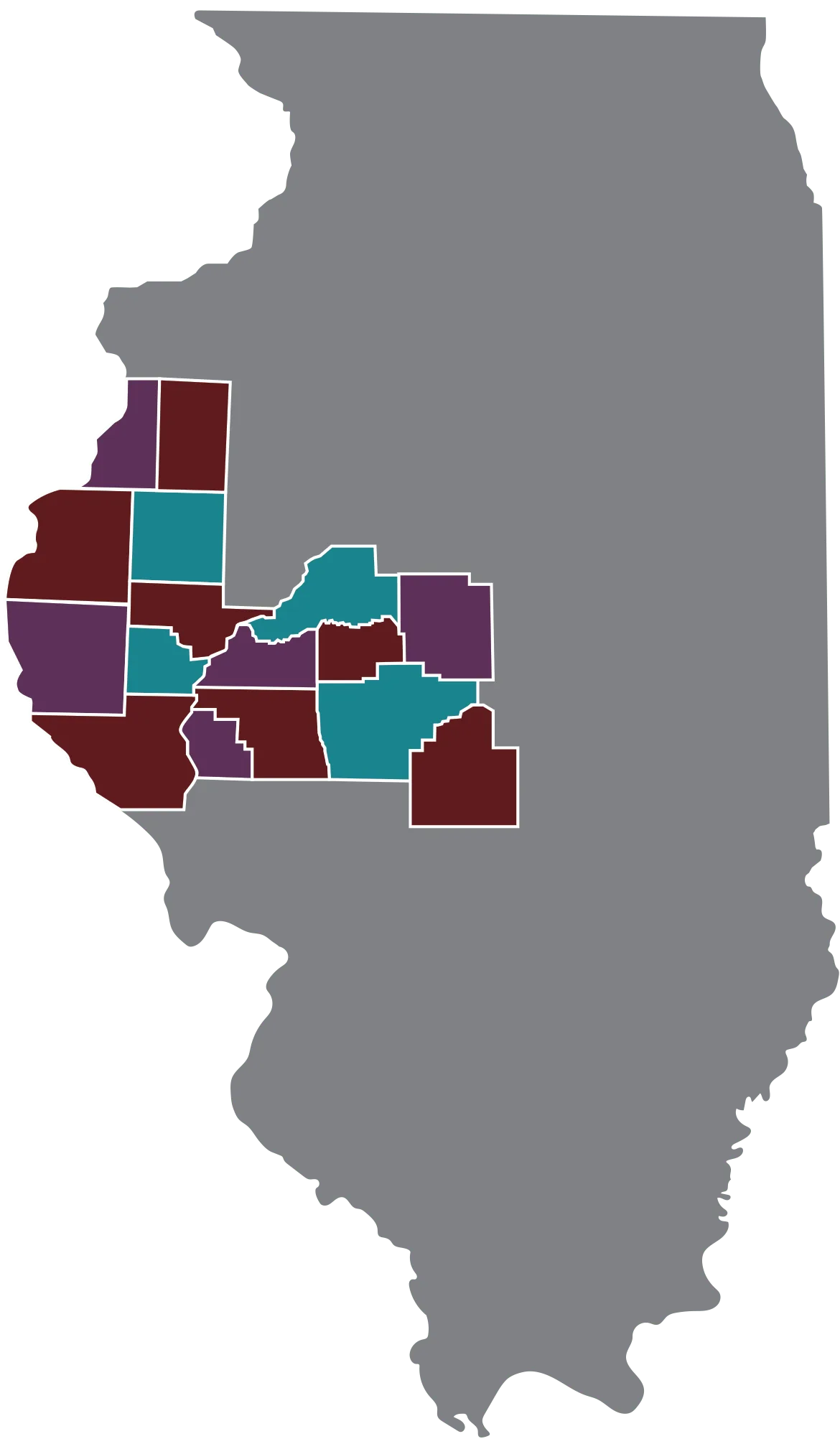
Here are the 11 counties that require testing:
- Cook County (Chicago metro)
- DuPage County (Chicago metro)
- Kane County (Chicago metro)
- Lake County (Chicago metro)
- McHenry County (Chicago metro)
- Will County (Chicago metro)
- Kendall County (Chicago metro)
- Grundy County (Chicago metro)
- Madison County (St. Louis metro)
- Monroe County (St. Louis metro)
- St. Clair County (St. Louis metro)
If you live in one of these counties but have a vehicle registered to an address in a non-testing county, the state goes by the registration address. Providing a false address on your registration is fraud. Illinois takes it seriously, similar to how states handle registration suspension penalties for non-compliance.
Self-Service Kiosks vs. Full-Service Stations: What's the Difference
The biggest decision is whether to use a kiosk or a staffed station. Each has its strengths, and the right choice depends on your vehicle and your schedule.
| Feature | Self-Service Kiosk | Full-Service Station |
|---|---|---|
| Speed | 5 to 10 minutes | 15 to 30 minutes (plus wait) |
| Vehicle types | OBD-II only (1996+) | All types (OBD-II, pre-1996, diesel) |
| Troubleshooting | None | Staff can help |
| Hours | 24/7 at select locations | Business hours only |
| Payment | Card only | Card and cash |
| Cost | $20 | $20 |
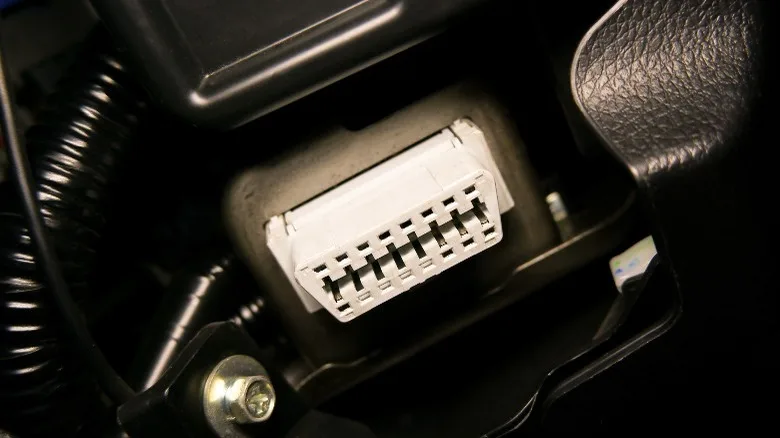
Who should use a kiosk: If your check engine light is off, your battery is strong, and you have a 1996 or newer gas car, the kiosk is the smarter play. It is faster and often more private. Make sure you know where your OBD-II port is located before you pull up.
Who needs a full-service station: If you drive a diesel, a pre-1996 gasoline car, or a newer car with an illuminated check engine light, you must go to a staffed station. The kiosk will reject a car with codes pending. Per the Illinois EPA guidelines, full-service stations are equipped to handle the two-speed idle test and the diesel opacity test that kiosks cannot perform.
How to Find the Nearest Illinois Air Team Testing Location
Finding a location is straightforward. The Illinois Air Team website maintains a live locator tool. Enter your ZIP code and it will show you the nearest kiosks and full-service stations.
You can also call their hotline for assistance.
Here are the best ways to find a testing location:
- Official Illinois Air Team website: Use the "Find a Location" tool. It shows real-time availability and hours.
- Google Maps: Search "Illinois Air Team kiosk near me." The locations are integrated, but double-check hours on the official site.
- Phone hotline: Call the Illinois Air Team customer service line.
Pro tip: Check the status of the kiosk before you head out. Kiosks are often in high-traffic spots like grocery store parking lots. They can occasionally be down for maintenance.
Checking ahead saves a wasted trip.
For full-service stations, appointments are strongly recommended. Walk-ins are accepted, but wait times balloon during the spring rush. A little planning upfront avoids a lot of standing around.
What to Expect at a Self-Service Kiosk
You have pulled up to the kiosk. It looks like a large ATM with a cord attached. That cord is the OBD-II connector.
Here is exactly what to expect.
Step 1: Enter your info. The screen prompts you for your license plate number and the last four digits of your VIN. Have your registration card handy.
Step 2: Pay the fee. The test costs $20. Card only. The kiosk accepts credit and debit cards.
Step 3: Plug in the OBD-II connector. Turn your car off. Open your driver's door. Find your OBD-II port.
It is usually under the dashboard near the steering column. Plug the connector in. It only fits one way.
Do not force it.
Step 4: Turn the ignition on. Turn your key to the "On" position. Do not start the engine. The kiosk communicates with your car's computer.
This takes about 2 to 5 minutes.
Step 5: Get your results. The kiosk prints a receipt. If you pass, you are done. Results go electronically to the Secretary of State.
If you fail, you get a report explaining why. You have 14 days to get it repaired and return for a free retest.
Common kiosk mistakes include leaving the car running, having a dead battery, or not completing a full drive cycle before the test. If you get a "not ready" status, drive your car for about 50 miles of mixed city and highway driving before trying again. The "not ready" status is the most frustrating issue at kiosks, but it is easily avoidable with a good long drive beforehand.
What to Expect at a Full-Service Station
Arrive with your car in good running order. The process at a staffed station is slightly different but just as straightforward.
- Pull into the designated lane when directed.
- Provide your registration to the technician.
- The technician checks your gas cap first. A loose or faulty gas cap is a common failure point.
- They perform the OBD-II hookup for newer cars or the two-speed idle test for older models.
- They visually inspect for tampered emissions equipment.
If your check engine light is on, they cannot complete the test. It will be marked as a failure. Get that light diagnosed and turned off first.
The test is strictly an emissions check. They do not check tires or brakes.
Which Vehicles Are Exempt
Understanding the exemptions can save you an unnecessary trip. Here are the clear rules.
Exempt vehicles:
- Electric vehicles (EVs)
- Plug-in hybrids (under 8,500 lbs GVWR)
- Standard hybrids (under 8,500 lbs GVWR)
- Motorcycles
- RVs
- New vehicles (first 4 model years)
- Vehicles with antique or classic plates
Required vehicles:
- Gasoline cars (5+ years old)
- Diesel cars
- Commercial vehicles under 8,500 lbs GVWR
If you have a classic car or a show car with antique plates, you are typically exempt. Double-check with the Illinois Secretary of State. The rules can be nuanced for modified or kit vehicles.
Also, if you are looking into clean air vehicle incentives in other states, Illinois offers similar benefits for qualifying EVs and hybrids.
Step-by-Step: How to Pass Your Illinois Emissions Test
Passing the test is mostly about preparation. Here is a simple workflow.
Step 1: Check your schedule. Look at your registration renewal notice. Know when your test is due. Do not wait until the last day of the month.
Step 2: Drive your car. Take it for a 20 to 30 minute drive. This ensures the battery is charged and the OBD-II monitors are ready.
Step 3: Check your dashboard. Make sure the check engine light is off. If it is on, get it diagnosed and repaired before you test.
Step 4: Clear any stored codes. If you just fixed a check engine light, you must drive the car for a specific drive cycle to reset the monitors. Google "OBD-II drive cycle for [your car make]" because every car is slightly different.
Step 5: Choose your station. Kiosk or full-service. Make your choice based on the vehicle type and schedule.
Step 6: Bring the right documents. Your vehicle registration and a form of payment.
Step 7: Test. If you pass, you are done. If you fail, you have 14 days for a free retest.
Common Reasons for Failing and How to Fix Them
Most failures are straightforward to fix. Here are the most common issues.
Check Engine Light On: This is the number one reason for failure. Get it diagnosed. Do not just clear the code and run to the test center.
The monitors will show "not ready" and you will fail.
O2 Sensor or Catalytic Converter Issues: These are the usual suspects behind a check engine light. A failing O2 sensor can throw off your air-fuel mixture. A bad catalytic converter cannot clean the exhaust properly.
Both need professional diagnosis.
Loose or Faulty Gas Cap: A loose gas cap triggers an EVAP system leak. Tighten it until it clicks three times. If the light does not go off after a few drives, you may need a new gas cap.
They are cheap and easy to replace.
Dead or Weak Battery: The OBD-II computer needs power to run the test. If your battery is weak, the kiosk will not let you start. Take your car for a drive to charge the battery fully.
"Not Ready" Monitors: You cleared a code or disconnected the battery. The car's computer needs to run its internal tests. This requires a full drive cycle.
Do not test until the monitors are complete. Driving about 50 miles of mixed city and highway driving usually does the trick.
Costs, Fees, and Deadlines You Need to Know
The test is not expensive, but penalties for missing it add up fast.
Test fees:
- Initial test: $20
- Retest (within 14 days): Free
- Lost test receipt: $1 (for replacement)
Penalties:
- Late renewal penalty: $20
- Registration suspension: You cannot renew until you pass
- Driving on expired registration: Traffic ticket plus fines
Timing: Your test is due when your registration expires. Most people wait until the last month. This creates long lines at full-service stations.
If you have a 60 or 90 day testing window, go early. Beat the rush.
Just as Illinois requires emissions testing, other states have their own mandatory rules. For example, keeping a continuous insurance coverage requirement active in Florida is essential to avoid registration suspension. Treat your Illinois emissions test the same way: a small task that keeps your registration valid.
What Happens If You Skip the Test?
If you do not complete the test, the state will not renew your registration. Driving on an expired registration is a ticketable offense. The fine starts around $50 but can increase with court costs.
Repeat violations can lead to vehicle impoundment. The test takes 10 minutes every two years. Mark your calendar and get it done.
Pro Tips to Save Time and Avoid Headaches
Winter tip: If you test at a full-service station in the winter, your car runs richer and may have slightly higher emissions. A warm engine passes easier. Drive for 20 minutes before you arrive.
Battery tip: If your car has been sitting for a week, take it for a drive to charge the battery fully. A low battery is a common kiosk killer.
Kiosk timing: Go on a weekday morning. Right after work on Friday is the busiest time. Kiosks are often busiest on the first and last days of the month.
Documentation tip: Keep your registration card in the glove box. You need it for the test.
Retest tip: If you fail, fix the problem immediately. The 14 day retest window goes fast. Do not wait until day 13.
Frequently Asked Questions
How long does the emissions test take at a kiosk?
Most kiosk tests take 5 to 10 minutes from start to finish. The actual OBD-II communication takes about 2 to 5 minutes. Entering your info and paying takes the rest.
Can I go to any testing location in Illinois?
Yes, you can use any Illinois Air Team testing location within the mandated counties. You are not restricted to the one closest to your home. Make sure the location supports your vehicle type.
What happens if my check engine light comes on after I pass?
Nothing happens to your test result. It is valid until your next renewal. But you should still get the check engine light diagnosed.
It indicates a mechanical issue that affects emissions and fuel economy.
Is there a grace period for late renewals if I fail?
No. You must pass the test before your registration expires. If you fail, you have 14 days for a free retest.
But if your registration expires during that time, you cannot drive legally until you pass and renew.
Can I register my car in a county that does not require testing?
You can register your car to an address in a non-testing county if that is your legal residence. Using a false address to avoid testing is fraud and carries penalties.
What information do I need to bring to the test?
Bring your vehicle registration card and a form of payment. For a kiosk, you need your license plate number and the last four digits of your VIN. For a full-service station, the technician will need your registration card.