ByMax Lee
CT EV Rebates: Clean Air Vehicle Incentives Guide
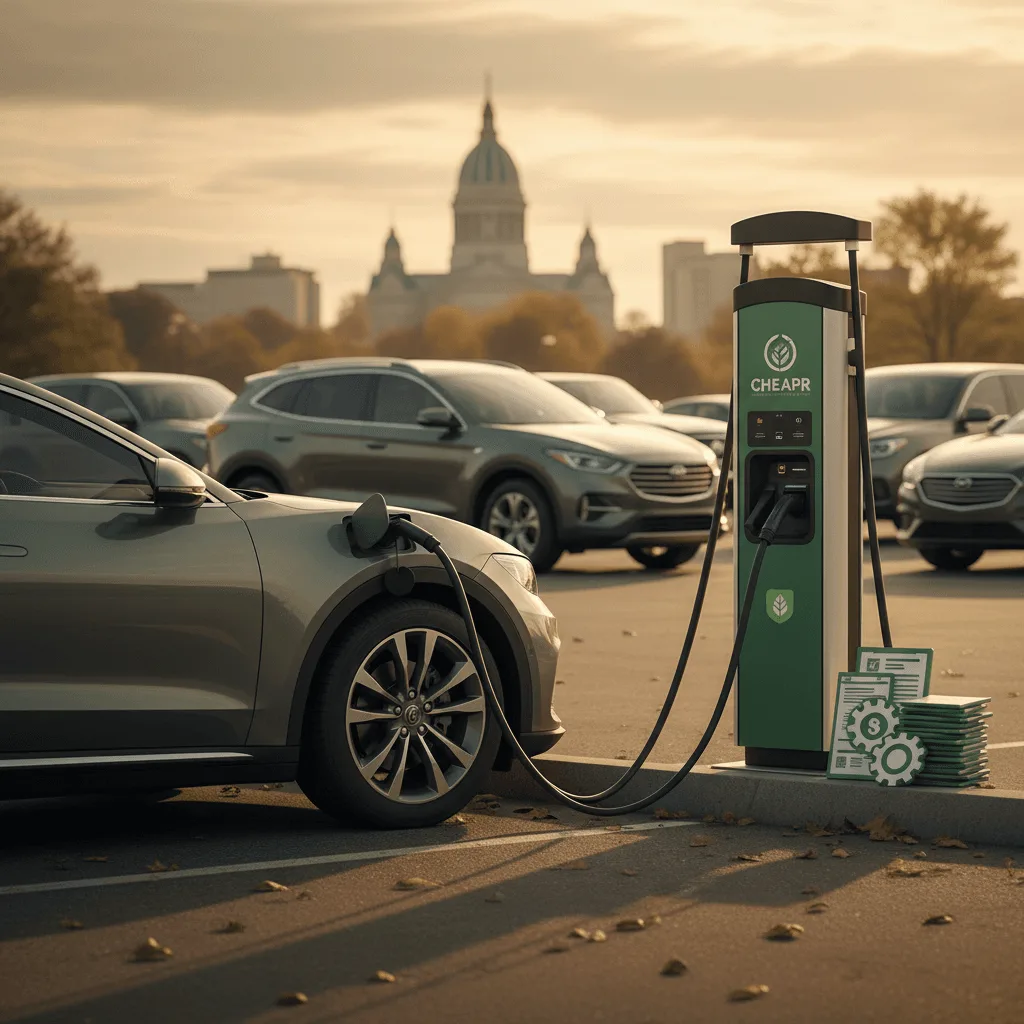
Connecticut clean air vehicle incentives and electric vehicle rebates can cut thousands off your next car purchase if you know the rules. The state’s CHEAPR program offers instant discounts at the dealer for qualifying EVs, with extra savings for lower-income buyers.
As of 2026, Connecticut residents can get up to $9,500 back on a new battery electric vehicle, depending on income and model. Here’s how to see if you qualify and how much you could save.
Quick Answer
Connecticut clean air vehicle incentives and electric vehicle rebates offer $750 to $9,500 off new EVs. BEVs get the highest rebates. PHEVs and FCEVs qualify at lower amounts.
Income limits apply.
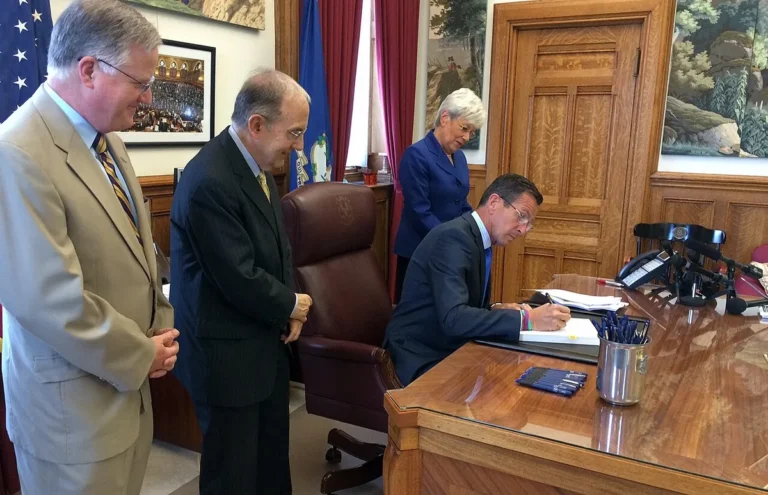
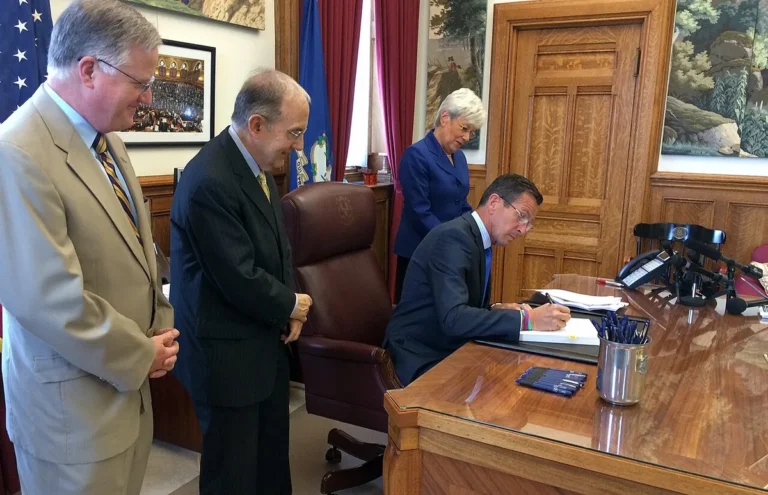
Wikimedia Commons / Dannel Malloy (CC BY)
How Connecticut’s Clean Air Vehicle Incentives Work
The Connecticut Hydrogen and Electric Automobile Purchase Rebate (CHEAPR) program is the state’s main EV incentive. It’s run by the Department of Energy and Environmental Protection and funded by the state legislature.
You can get the rebate in two ways. At participating dealers, the discount comes off the price at purchase. Otherwise, you apply after buying and get a check in the mail.
The program covers new and some used EVs, but the vehicle must be registered in Connecticut.
CHEAPR Rebate Tiers: What You Can Get for BEVs, PHEVs, and FCEVs
Rebate amounts depend on vehicle type, battery range, and MSRP. Here’s the breakdown as of 2026:
| Vehicle Type | Rebate Amount | Requirements |
|---|---|---|
| BEV | $2,250–$9,500 | ≥ 200-mile range, MSRP ≤ $50,000 |
| BEV (Lower-Income) | Up to $11,750 | MSRP ≤ $42,000, income ≤ 300% federal poverty level |
| PHEV | $750–$2,250 | ≥ 20-mile electric range |
| FCEV | Up to $9,500 | Any eligible model |
Lower-income buyers get an extra $2,250 on top of the base rebate for BEVs under $50,000. For example, a $40,000 Tesla Model 3 with 300-mile range would qualify for $9,500 + $2,250 if your income is below the threshold.
Bing (Web (fair-use with source credit))
Income and Vehicle Limits: Who’s Eligible (and Who’s Not)
Not everyone qualifies for the full rebate. Single filers with modified adjusted gross income over $150,000 and joint filers over $300,000 are excluded. The income cap is based on the year you take delivery of the vehicle.
Vehicle limits also apply. Most rebates require an MSRP under $50,000, though lower-income buyers can get the enhanced rebate on vehicles up to $42,000. Used EVs must be model year 2020 or newer and priced under $30,000 to qualify for the used vehicle rebate.
Step-by-Step: How to Claim Your Connecticut EV Rebate
At the Dealer (Point-of-Sale Rebates)
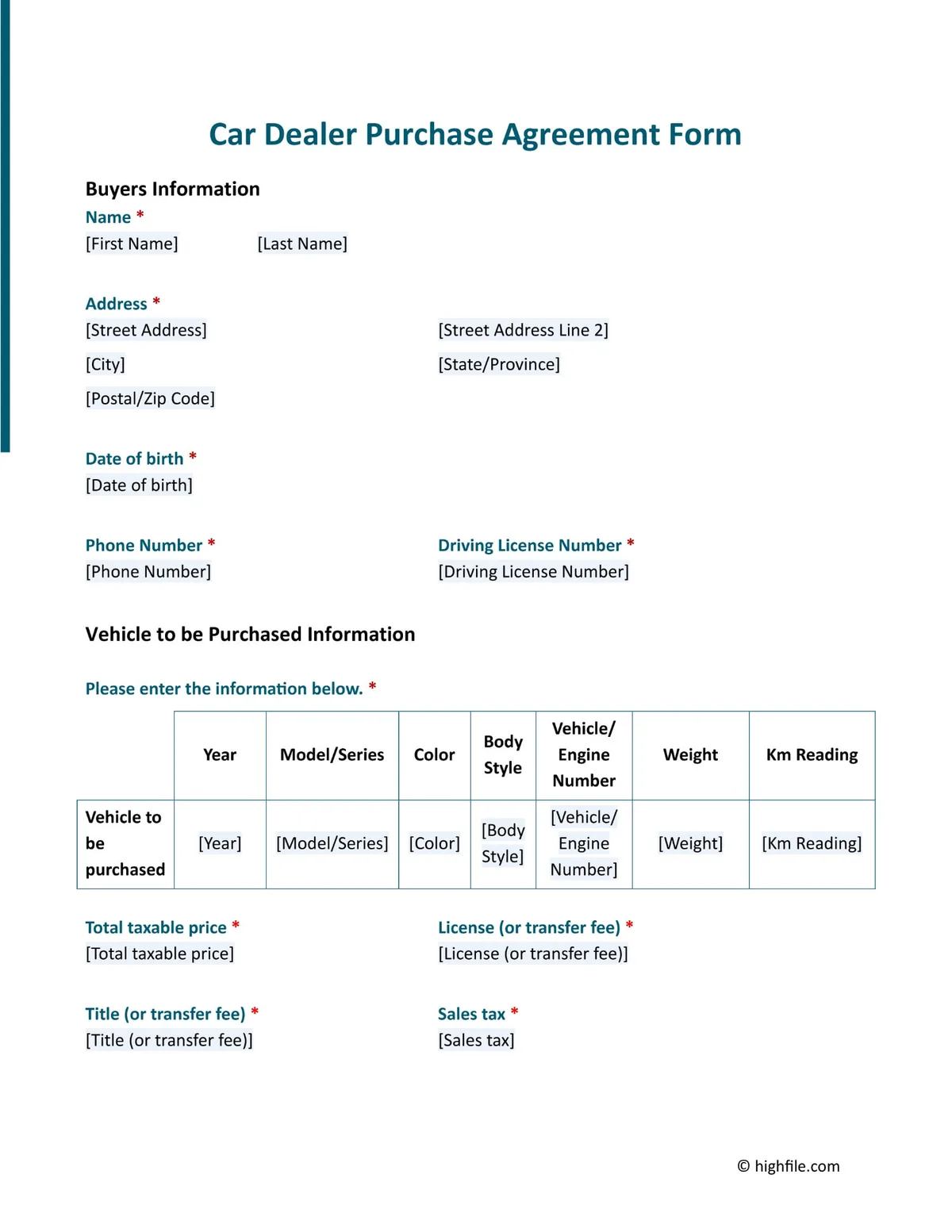
About 80% of Connecticut dealers are enrolled in CHEAPR. If yours is, they’ll apply the rebate at purchase, reducing your out-of-the-door price. You’ll sign a rebate agreement and provide proof of residency, like a utility bill or driver’s license.
The dealer handles the paperwork and submits it to the state. You’ll get the discount immediately, with no waiting for a check.
Bing (Web (fair-use with source credit))
After Purchase (Mail-In Rebates)
If your dealer doesn’t offer point-of-sale rebates, you’ll need to apply yourself. You have 90 days from the purchase date to submit your application online through the CHEAPR portal.
You’ll need your vehicle purchase agreement, proof of Connecticut residency, and a copy of your federal tax return. The state processes applications in about 4 to 6 weeks, then mails a check to your address.
Stacking Incentives: Federal Tax Credit + Connecticut Rebates
You can combine Connecticut’s rebate with the federal EV tax credit. The federal credit offers up to $7,500 for qualifying new EVs, depending on battery components and critical minerals sourcing.
Not all vehicles qualify for both. For example, a Tesla Model Y may get the full federal credit but only a partial Connecticut rebate if its MSRP exceeds $50,000. Always check both programs’ eligibility lists before buying.
Used EVs and Leases: What’s Covered in Connecticut
CHEAPR includes used EVs model year 2020 or newer with a purchase price under $30,000. The rebate for used BEVs is $1,500, while used PHEVs get $750.
Leased EVs also qualify, but the rebate goes to the leasing company, not the driver. Some dealers pass the savings to you through lower monthly payments. Ask your dealer how they handle leased vehicle rebates.
Common Mistakes That Get Your Rebate Rejected
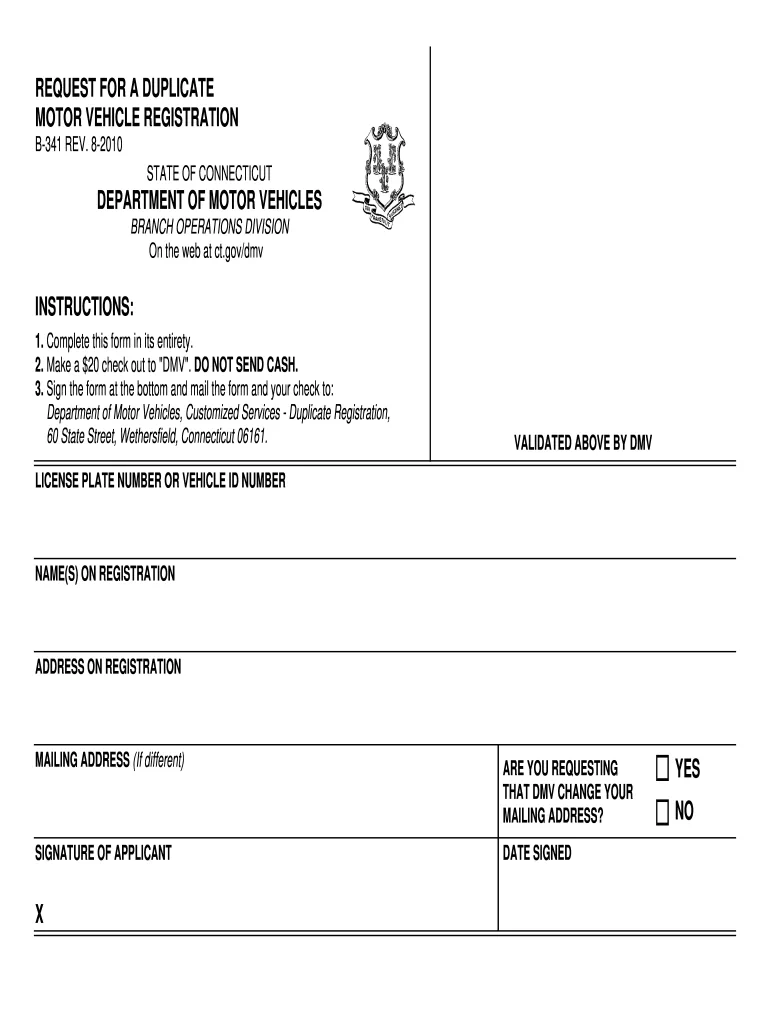
Missing the 90-day application window is the top reason for denials. Another common error is submitting incomplete documentation, like forgetting your tax return or residency proof.
Buying from an out-of-state dealer can also disqualify you. The vehicle must be purchased or leased from a Connecticut-licensed dealer and registered in the state to qualify.
Bing (Web (fair-use with source credit))
Connecticut’s No Sales Tax on EVs: Extra Savings
Connecticut waives the 6.35% state sales tax on qualifying EVs. This applies to both new and used vehicles that meet the CHEAPR eligibility requirements.
For a $40,000 EV, that’s an extra $2,540 in savings on top of your rebate. The exemption also covers EV charging equipment, so you’ll save on home charger installations too.
HOV Lane Access and Other Perks for Clean Air Vehicles
Connecticut lets qualifying EVs use HOV lanes regardless of occupancy. Your vehicle must display a clean air vehicle decal from the DMV to use this perk.
You’ll also find charging incentives from local utilities. Eversource and United Illuminating offer rebates for home charger installations, typically covering 50% of the cost up to $1,000.
Connecticut vs. Neighboring States: How Our EV Incentives Compare
Massachusetts offers up to $3,500 for new EVs through its MOR-EV program. New York’s Drive Clean Rebate provides up to $2,000, with additional local incentives in some areas.
Connecticut’s program stands out with its higher rebate amounts for lower-income buyers and the sales tax exemption. However, Massachusetts has no income cap, making it more accessible for higher earners.
FAQs About Connecticut’s Clean Vehicle Rebates
Can I get both the federal tax credit and Connecticut rebate?
Yes. The programs are separate, so you can stack them. Just ensure your vehicle meets both sets of eligibility requirements.
Do hybrid vehicles qualify for CHEAPR rebates?
Only plug-in hybrids qualify. Traditional hybrids without a plug do not meet the program’s criteria.
How long does it take to receive the rebate check?
Mail-in applications take about 4 to 6 weeks to process. Point-of-sale rebates are applied immediately at purchase.
Are there incentives for commercial fleets?
Yes. Businesses and municipalities can apply for CHEAPR fleet rebates, which offer up to $9,500 per vehicle for qualifying purchases.
What happens if I sell my EV before receiving the rebate?
You must keep the vehicle for at least 12 months to remain eligible. Selling it earlier may require repaying the rebate.
Final Decision Guide: Which Incentive Path Is Right for You?
If you’re buying a new BEV under $50,000, the CHEAPR rebate plus federal credit can save you up to $17,000. Lower-income buyers may qualify for even more.
For used EVs, the $1,500 state rebate plus sales tax exemption still makes a big difference. Leasing is a good option if you want to benefit from the rebate without a long-term commitment. Always check dealer participation and program rules before signing.