Idaho historic vehicle and old timer plate eligibility and usage rules can be confusing, especially when you’re trying to figure out which program fits your classic car. The state offers two distinct options, each with its own age, condition, and usage requirements.
As of 2026, historic plates require vehicles to be at least 25 years old, while old timer plates demand 30+ years and stricter originality standards. Here’s how to determine which one applies to you.
Quick Answer
Idaho historic vehicle and old timer plate eligibility and usage rules differ by age and condition. Historic plates need 25+ year old vehicles. Old timer plates require 30+ years and unmodified originality.
Both exempt emissions testing. Usage limits apply to old timer plates.
Idaho Historic vs. Old Timer Plates: Which One Fits Your Vehicle?
The first step is understanding which category your vehicle falls into. Idaho’s Idaho Transportation Department defines these classifications clearly, but the nuances matter.
Historic plates are the more accessible option. They’re designed for vehicles that are at least 25 years old, regardless of modifications. This makes them a good fit for restored classics or hot rods that have been updated with modern parts.
Old timer plates, on the other hand, are for vehicles 30 years or older that remain largely original. If your car has been significantly modified, it won’t qualify. The state wants to preserve the authenticity of these older vehicles, so they enforce stricter rules.
How Idaho Defines Historic and Old Timer Vehicles
Idaho’s definitions are specific, and they’re spelled out in Idaho Code § 49-402. Here’s what you need to know:
Historic Vehicles
- Must be 25 years old or older
- Can be modified or restored
- No restrictions on engine, transmission, or body changes
Old Timer Vehicles
- Must be 30 years old or older
- Must retain original or equivalent parts
- Cannot have significant modifications that alter its historic character
The age cutoff is based on the model year, not the manufacturing date. So if your car was built in December 1998 but is a 1999 model, it’s considered a 1999 vehicle for registration purposes.
Key Differences Between Historic and Old Timer Plates
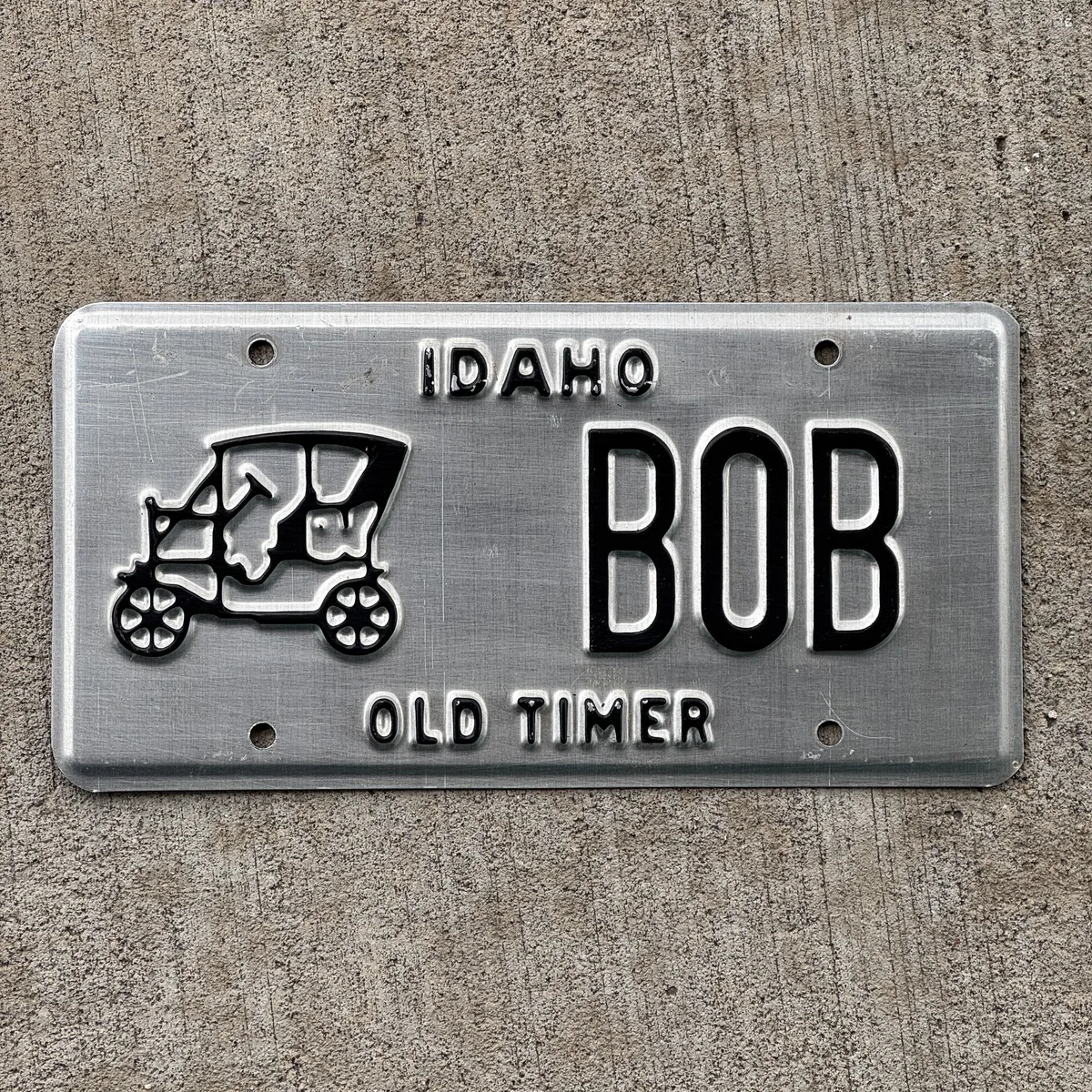
The main difference comes down to age and originality. Historic plates are easier to obtain because they don’t require your vehicle to be in original condition. Old timer plates, however, are reserved for vehicles that have been preserved or restored to their original specifications.
Here’s a quick comparison:
| Feature | Historic Plates | Old Timer Plates |
|---|---|---|
| Minimum Age | 25 years | 30 years |
| Modifications Allowed | Yes | No |
| Emissions Testing | Exempt | Exempt |
| Usage Restrictions | None | Limited |
| Inspection Required | No | Yes |
Old timer plates also come with usage restrictions. You can’t use the vehicle for daily commuting or commercial purposes. It’s meant for exhibitions, parades, and occasional personal use.
Step-by-Step: How to Qualify for Historic Plates in Idaho
Qualifying for historic plates is straightforward if your vehicle meets the age requirement. Here’s what you’ll need to do:
1. Verify Your Vehicle’s Age
Check your title or manufacturer’s documentation to confirm the model year. If your vehicle is 25 years old or older, it qualifies.
2. Gather Required Documentation
You’ll need:
- Proof of ownership (title)
- A completed Application for Certificate of Title and Registration (Form ITD 3337)
- Payment for registration fees
3. Submit Your Application
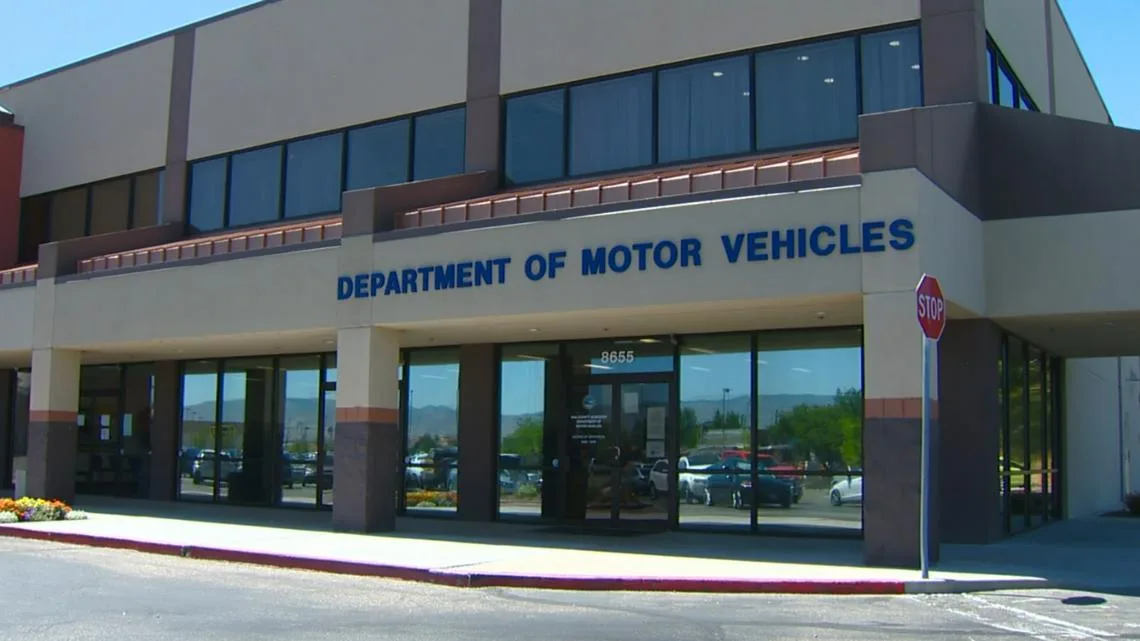
You can apply in person at any Idaho DMV office or by mail. If mailing, send your documents to the address listed on the form.
There’s no vehicle inspection required for historic plates. Once approved, you’ll receive your plates and can start using them right away.
Step-by-Step: How to Qualify for Old Timer Plates in Idaho
Old timer plates require a bit more effort due to the originality requirement. Here’s the process:
1. Confirm Your Vehicle’s Age and Originality
Your vehicle must be at least 30 years old. Additionally, it must be in original or restored-to-original condition. This means no major modifications to the engine, transmission, body, or interior that deviate from the manufacturer’s specifications.
2. Complete the Application
You’ll need the same Form ITD 3337 as historic plates, but you’ll also need to provide:
- Photographs of the vehicle (front, back, sides, and interior)
- A statement of originality, if requested by the DMV
3. Vehicle Inspection
Unlike historic plates, old timer plates require an inspection to verify the vehicle’s condition. This is typically done at a DMV office or by an authorized inspector.
4. Submit and Wait for Approval
Once your application and inspection are complete, submit everything to the DMV. Approval can take a few weeks, especially if there are questions about your vehicle’s originality.
Usage Rules: What You Can and Can’t Do With These Plates
Historic plates have no usage restrictions. You can drive your vehicle daily, use it for errands, or take it on long road trips. The only requirement is that it meets the 25-year age threshold.
Old timer plates are different. These are intended for limited use only. You can drive to car shows, parades, or club events.
You can also use the vehicle for personal transportation, but not as a primary daily driver. Commercial use is strictly prohibited.
The DMV may ask for proof of compliance if they suspect misuse. Keep records of events you attend or mileage logs if you’re concerned about potential questions.
Costs and Fees for Historic and Old Timer Plates
Registration fees for both plate types are lower than standard plates. As of 2026, historic plates cost $24 for a two-year registration. Old timer plates are $18 annually.
Additional fees may apply. There’s a $14 plate fee for the initial issuance of special plates. If you need a temporary permit while waiting for your plates, that’s an extra $12.
Payment is accepted at DMV offices or by mail. Check or money order is preferred, but some locations accept credit cards for a small processing fee.
Common Mistakes That Get Applications Rejected
The most frequent reason for rejection is incomplete paperwork. Missing signatures, incorrect vehicle information, or missing photos will delay your application.
For old timer plates, modifications are a common stumbling block. Even small changes like aftermarket wheels or non-original paint colors can disqualify your vehicle. The DMV looks for originality in all major components.
Another issue is age miscalculation. Some owners assume the manufacturing date determines eligibility, but Idaho uses the model year. A car built in late 1998 but sold as a 1999 model won’t qualify for historic plates until 2024.
Do You Need Insurance for Historic or Old Timer Plates?
Yes, insurance is still required. Idaho law mandates liability coverage for all registered vehicles, regardless of plate type. The minimum is $25,000 per person for bodily injury, $50,000 per accident, and $15,000 for property damage.
Many owners opt for classic car insurance. These policies often have lower premiums and agreed-value coverage. Check with your provider, as some have mileage restrictions or storage requirements.
Standard auto insurance works too. Just ensure it meets Idaho’s minimum liability requirements. The DMV doesn’t verify insurance when issuing plates, but you must have it to legally drive.
Can You Drive These Vehicles Daily?
With historic plates, daily driving is perfectly fine. There are no restrictions on how often or how far you drive. The only requirement is maintaining valid registration and insurance.
Old timer plates are a different story. While not explicitly banned from daily use, the intent is for limited, non-commercial driving. If you’re using an old timer vehicle as your primary car, you risk having your plates revoked.
The DMV doesn’t actively monitor usage. But if you’re pulled over or involved in an accident, they may investigate. It’s best to reserve old timer vehicles for occasional use to stay compliant.
Out-of-State Vehicles: Special Considerations
Moving to Idaho with an out-of-state classic car doesn’t disqualify you. You’ll need to transfer the title and registration within 30 days of establishing residency. The same age and condition rules apply.
If your vehicle already has historic or antique plates from another state, Idaho will honor the classification. You’ll still need to complete Idaho’s application process and pay the required fees.
Some states have reciprocal agreements. Check with the Idaho DMV to see if your current plates can be converted without a full re-inspection.
FAQs About Idaho’s Historic and Old Timer Plates
Can I use historic plates on a modified vehicle?
Yes. Historic plates allow modifications as long as the vehicle is 25+ years old. Old timer plates require original or equivalent parts.
What happens if my vehicle fails the old timer inspection?
You’ll need to restore the vehicle to original condition or apply for historic plates instead. The DMV will provide a list of required corrections.
Are there any tax benefits for historic or old timer plates?
Idaho doesn’t offer property tax exemptions for these plates. However, some counties may have reduced fees for antique vehicles.
Can I transfer my plates to a new owner?
Plates stay with the vehicle, not the owner. If you sell your car, the new owner must reapply for the plates in their name.
Do I need a special driver’s license for these plates?
No. A standard Idaho driver’s license is sufficient. There are no additional endorsements required for historic or old timer vehicles.
Final Decision Guide: Which Plate Is Right for You?
Choose historic plates if your vehicle is 25+ years old and you want flexibility. There are no restrictions on modifications or usage.
Opt for old timer plates if your vehicle is 30+ years old and in original condition. These plates are ideal for collectors who want to preserve authenticity.
If you’re unsure, start with historic plates. You can always reapply for old timer plates later if you restore your vehicle to original specs.