ByMax Lee
Idaho ATV/UTV Off-Road Sticker Rules for Public Lands
Riding your ATV or UTV on Idaho’s public trails without the right sticker can cost you. The Idaho off-road sticker requirements for ATVs and UTVs on public lands are straightforward but strict, and ignoring them means fines and lost access to some of the best off-road terrain in the West.
As of 2026, the Idaho Department of Parks and Recreation requires all OHVs on public land to display a valid decal. The process is simple, but the rules differ for residents and visitors.
Bing (Web (fair-use with source credit))
Quick Answer
Yes, you need an Idaho OHV sticker to ride ATVs or UTVs on public lands. Residents pay $12 per year. Non-residents can buy 1, 2, or 3-year permits for $12, $24, or $36.
The sticker must be visible on the vehicle. Riding without one risks fines up to $100.
Who Needs an Idaho OHV Sticker and Who Doesn’t
You need a sticker if you ride on any public land managed by BLM, USFS, or the state. This includes trails, forests, and open riding areas.
Private property is the only exception. If you only ride on land you own or have permission to use, no sticker is required. But the moment you hit a public trail, the rule applies.
Out-of-state riders aren’t off the hook. Non-residents must buy a permit before riding, even for a single day.
Resident vs. Non-Resident: Different Rules, Different Fees
Residents register their ATV or UTV through the Idaho Department of Parks and Recreation. The fee is $12 per year, and the registration ties to your county.
Non-residents have a simpler process. You can buy a permit online, by mail, or from authorized vendors. The cost scales with duration: $12 for one year, $24 for two, or $36 for three.
No county tie-in is needed.
Both groups must display the sticker on the vehicle. And both face the same penalties for riding without one.
Where to Buy Your Idaho OHV Sticker
Residents can register in person at a DMV or through the IDPR website. You’ll need proof of ownership, like a title or bill of sale.
Non-residents have more options. Buy online via IDPR, by mail, or from local vendors near popular riding areas. Many OHV shops and trailhead kiosks sell permits.
Pro tip: If you’re visiting, buy your permit before you arrive. Some remote trailheads don’t have vendors, and cell service can be spotty.
Step-by-Step: How to Register Your ATV or UTV in Idaho
Bing (Web (fair-use with source credit))
Residents start by gathering the required documents. You’ll need your vehicle’s title or a bill of sale, plus your Idaho driver’s license or ID.
Next, choose your registration method. Online is fastest. Fill out the form on the IDPR site, pay the $12 fee, and you’ll receive your decal by mail in 1-2 weeks.
In-person at a DMV gets you the sticker on the spot.
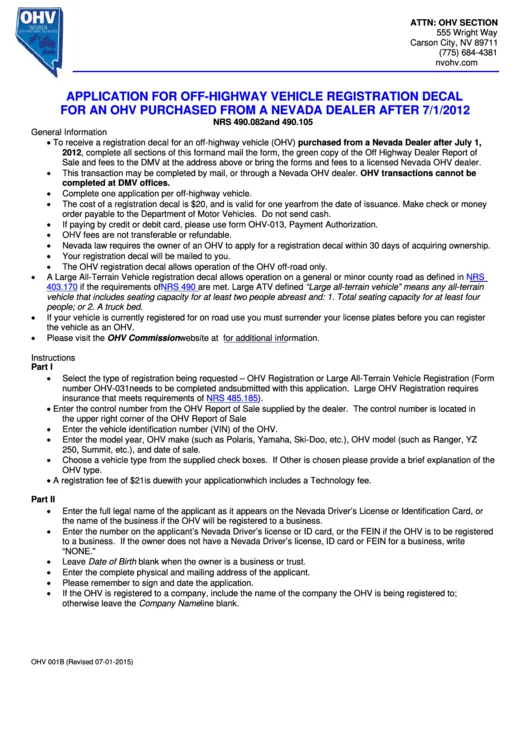
For mail-in, download the application from IDPR, fill it out, and send it with payment. Include a check or money order. No cash.
Non-residents skip the ownership proof. Just provide your name, address, and vehicle details. Pay the fee, and your permit arrives by mail or is available for immediate print if buying online.
Where to Place the Sticker on Your Vehicle
The decal must be visible on the rear of the ATV or UTV. Most riders stick it on the back of the cargo rack or the rear fender.
Bing (Web (fair-use with source credit))
Avoid placing it where dirt or mud can cover it. If law enforcement or a ranger can’t see it, you could still get a fine.
How Long Your Idaho OHV Sticker Lasts
Resident stickers expire on December 31 of the year issued. Non-resident permits last 1, 2, or 3 years from the purchase date, depending on what you buy.
There’s no prorating for partial years. If you buy a 1-year non-resident permit in November, it still expires 12 months later.
Renewals follow the same process as the initial registration. Residents can do it online or in person. Non-residents can renew through the same channels where they first bought the permit.
Costs: Exactly What You’ll Pay
Residents pay a flat $12 per year. Non-residents have three options:
| Duration | Cost |
|---|---|
| 1 year | $12 |
| 2 years | $24 |
| 3 years | $36 |
No additional fees apply for online or mail-in processing. Some in-person vendors may charge a small service fee.
Payment methods include credit card, check, or money order. Cash is accepted at DMV offices and some vendors.
Where You Can (and Can’t) Ride Legally in Idaho
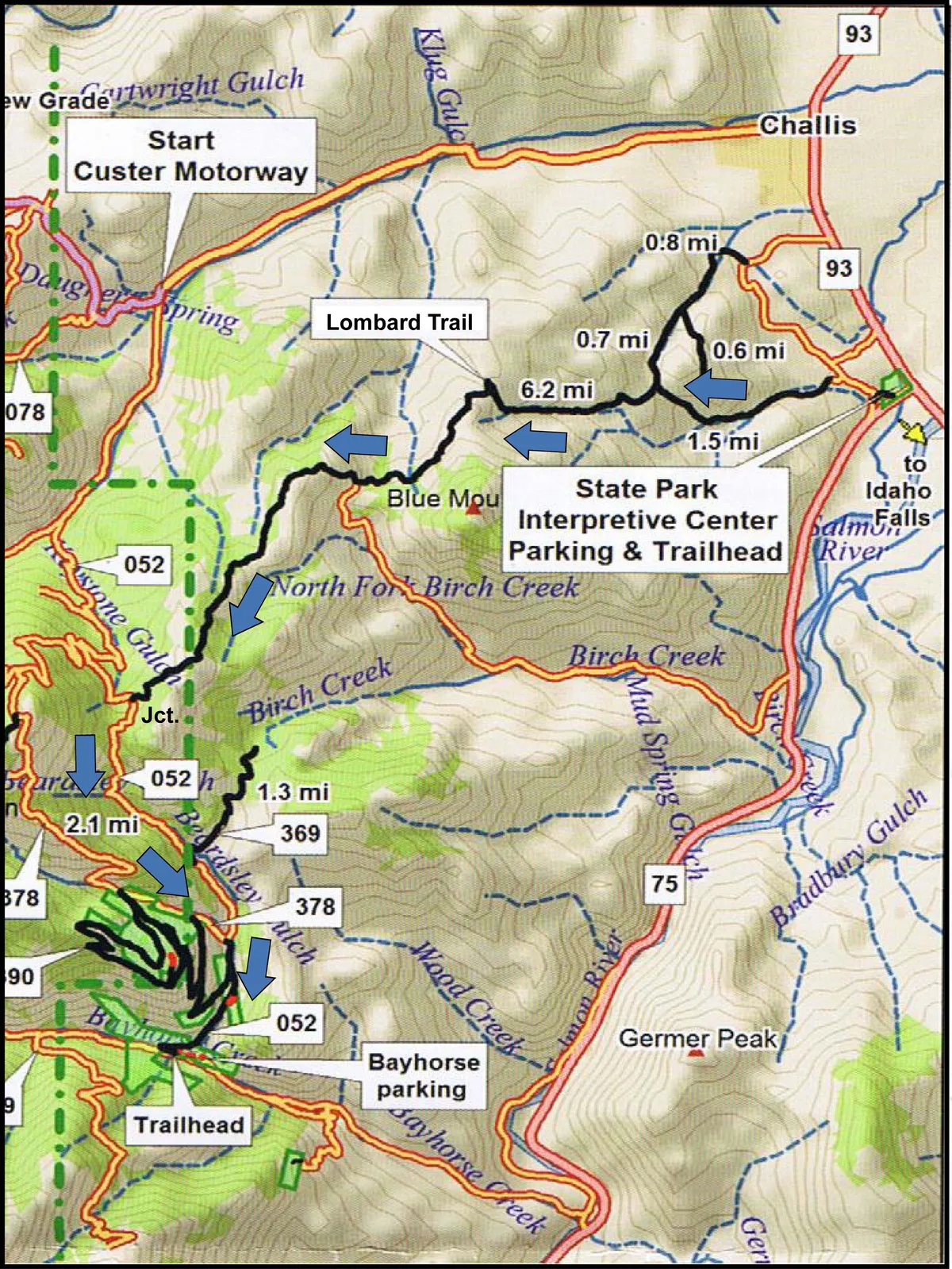
Public lands open to OHVs include BLM areas, national forests, and state-managed trails. Always check local signs and maps, as some zones have seasonal closures.
Bing (Web (fair-use with source credit))
Private property is off-limits unless you have the owner’s permission. Riding on closed trails or in restricted areas can result in hefty fines.
State parks have their own rules. Some allow OHVs, but others ban them entirely. The IDPR website lists current regulations.
Common Mistakes That Get Riders Fined
Forgetting to renew on time is the most common error. The sticker must be valid the moment you ride.
Another mistake is not displaying the decal properly. If it’s peeling, covered in mud, or placed where it’s not visible, you’re at risk.
Out-of-state riders often assume their home state’s registration covers them in Idaho. It doesn’t. You need an Idaho permit to ride on public lands here.
What Happens If You Ride Without a Sticker
You’ll face a fine if caught. Law enforcement and rangers actively check for valid decals on public lands.
The penalty starts at $75 and can go over $100 depending on the officer and circumstances. Repeat offenses may lead to higher fines or additional penalties.
Ignorance isn’t an excuse. Even if you didn’t know about the requirement, you’re still responsible for having the proper documentation.
Out-of-State Riders: Idaho’s Rules for Visitors
Non-residents must purchase an Idaho OHV permit before riding. Your home state’s registration doesn’t cover you here.
The permit options are the same as for residents: 1, 2, or 3-year durations. The fees are identical too.
You can buy the permit online before your trip. This is the easiest way to ensure you’re legal before hitting the trails.
FAQs About Idaho OHV Stickers
Do I need a sticker for private property?
No. The requirement only applies to public lands. Private property is exempt.
Can I use my Idaho OHV sticker in other states?
It depends. Some states have reciprocity agreements, but many don’t. Always check the rules of the state you’re visiting.
How do I replace a lost or damaged sticker?
Contact IDPR. You’ll need to provide your registration details and pay a small replacement fee.
Are there age restrictions for riding?
Yes. Operators under 16 must be supervised by an adult. Some areas may have additional age or safety requirements.
Can I ride on highways with my OHV sticker?
No. The sticker only covers off-road use on public lands. Street-legal requirements are separate.
Final Checklist Before You Hit the Trails
Confirm your sticker is current and visible. Double-check the expiration date.
Carry proof of registration with you. Some officers may ask to see it even if the sticker is displayed.
Know the rules of the specific area you’re riding in. Some trails have additional restrictions or seasonal closures.