ByMax Lee
Idaho Farm Equipment Safety on Two-Lane Roads
Moving a combine or tractor on an Idaho two-lane highway is one of the riskiest parts of harvest. You're piloting a 15-foot-wide, 14-foot-tall machine at 20 mph while traffic closes at 60 mph. Shoulders are narrow or nonexistent.
Curves hide oncoming cars. One mistake puts everyone in danger.
Bing (Web (fair-use with source credit))
Idaho road safety for combines and tractors on two lane highways comes down to speed differentials and visibility gaps. Closing speeds of 35-40 mph leave drivers seconds to react. Combine operators can't see vehicles directly behind the header.
Tractor operators battle blind spots from loaded wagons. Soft shoulders, loose gravel, and mud tracked from fields compound the hazard.
Quick Answer
Idaho law treats combines and tractors as implements of husbandry. They're exempt from registration but must display a slow-moving vehicle emblem, amber flashers, and red tail lamps. Maximum speed is 25 mph.
Loads over 8'6" wide need an ITD permit. Loads over 12' wide require pilot cars front and rear. Operators must clean mud from tires before entering highways.
Idaho's Legal Basics for Farm Equipment on Public Roads
Idaho Code Title 49 defines "implement of husbandry" in Section 49-119. This classification exempts farm equipment from registration and titling under Section 49-438. However, exemption doesn't mean unregulated.
Operators must follow equipment rules in Chapter 9 and movement rules in Chapter 6.
Key statutes work together. Section 49-638 sets the 25 mph speed limit. Section 49-909 mandates lighting and marking.
Section 49-612 prohibits depositing mud or debris on highways. The Idaho Transportation Department administers oversize permits under Administrative Rule 39.03.06. ASABE standards S279.18 and S276.6 govern lighting and SMV emblem specifications.
Width, Height, and Speed Limits You Can't Ignore
Legal width without a permit is 8'6". Most combine headers span 12-18 feet. Folded headers often still exceed 12 feet.
Height limit is 14 feet without a permit. Many combines measure 13'6" to 14'6" to the top of the cab or spreader. Length limit is 75 feet for combined vehicles.
| Dimension | No Permit | Annual Permit | Single-Trip Permit |
|---|---|---|---|
| Width | ≤8'6" | 8'6"-12' | >12' |
| Height | ≤14' | N/A | >14' |
| Length | ≤75' | N/A | >75' |
Speed is capped at 25 mph for all implements of husbandry. On grades exceeding 6%, operators must stay at least 10 mph below the posted limit. These aren't suggestions.
Citations run $90-$300 plus court costs.
Lighting, Markings, and the SMV Emblem—What's Actually Required
Every implement needs two amber flashers visible 500 feet front and rear. Two red tail lamps and two red reflectors are mandatory on the rear. Turn signals are required if the towing vehicle's signals are obscured.
Bing (Web (fair-use with source credit))
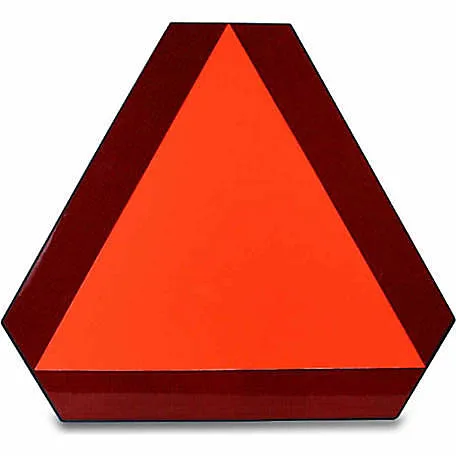
The SMV emblem must be a fluorescent orange triangle with red retroreflective border. Mount it 2-6 feet high, centered on the rear. It must be visible 600 feet to the rear.
Faded pink emblems violate the law. Replace them annually. ASABE S276.6 sets the standard.
Non-compliant emblems earn citations and increase liability in crashes.
When You Need a Permit (and When You Don't)
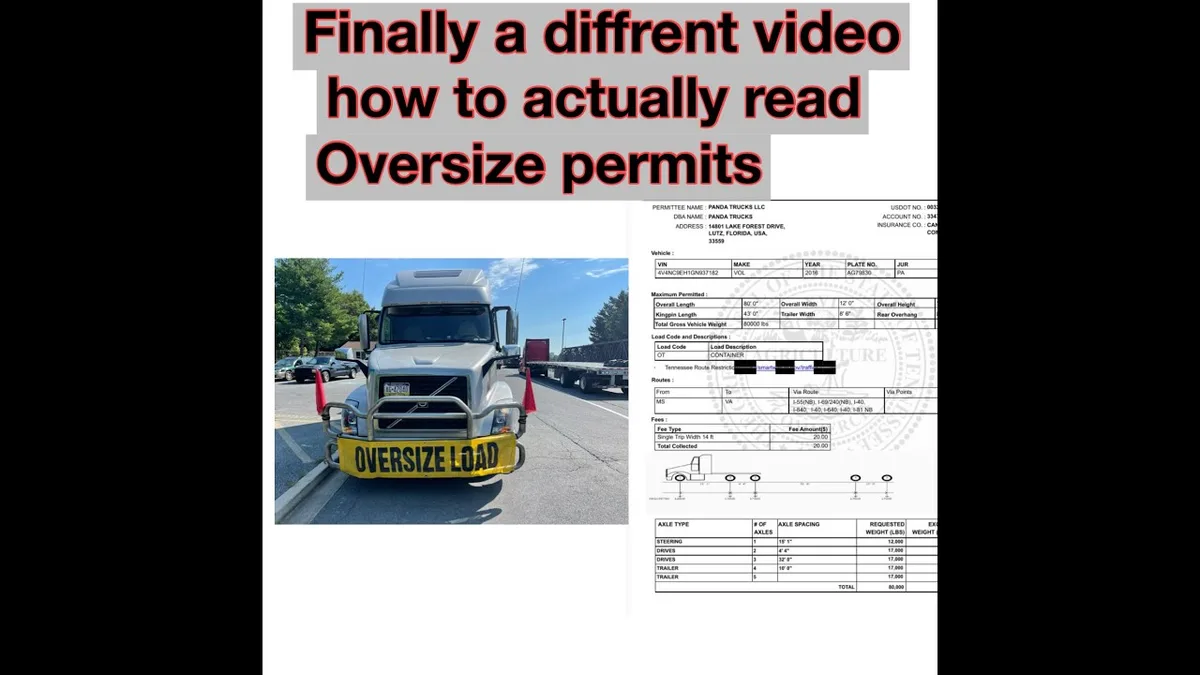
Equipment under 8'6" wide needs no permit. Annual permits cost $25 and cover routine moves up to 12' wide. Single-trip permits cost $15 for one-time moves.
Loads over 12' wide, 14' high, or 75' long require single-trip permits with route surveys.
Bing (Web (fair-use with source credit))
ITD's PROS system processes permits online. Keep the permit in the cab during transport. Some counties require additional notification.
Canyon and Twin Falls counties often ask for advance notice on county roads. Check local requirements before crossing county lines.
Pilot Cars and Escorts: Idaho's Rules for Oversize Moves
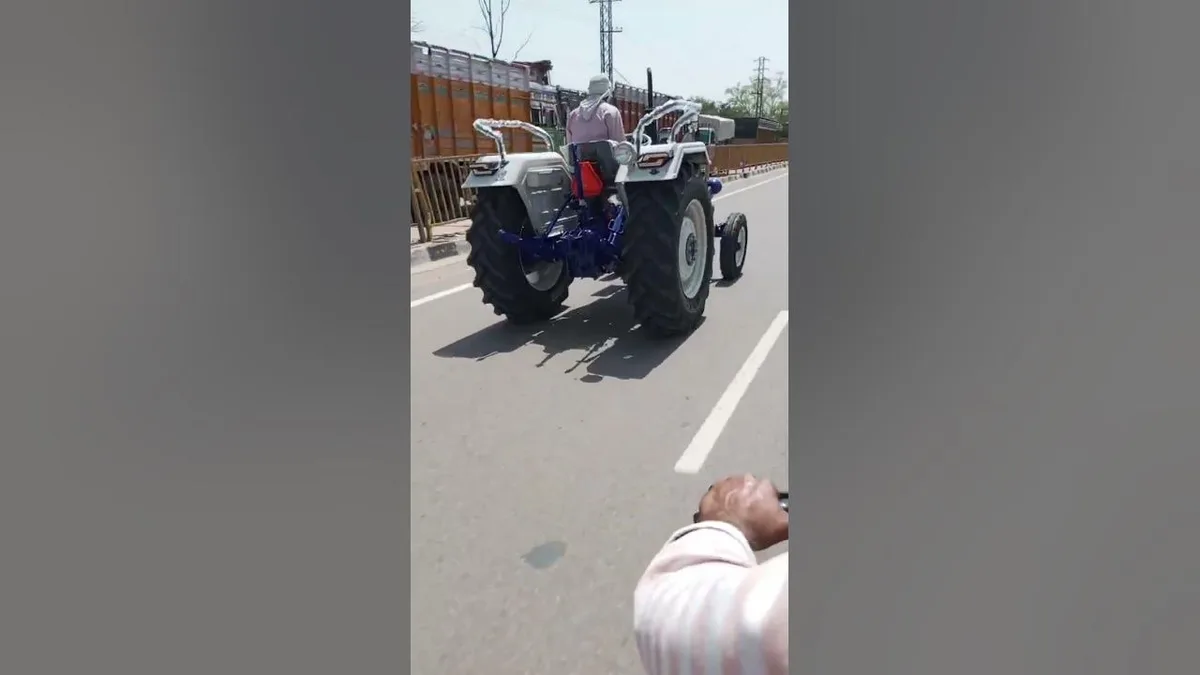
Loads over 12' wide need a pilot car front and rear. Loads over 14' wide or 14' high need two pilot cars each end. Pilot car drivers must hold a valid Idaho flagger certification card.
Bing (Web (fair-use with source credit))
Pilot cars display "OVERSIZE LOAD" signs and amber rotating or strobe lights. Front pilot runs 300-500 feet ahead. Rear pilot follows 300-500 feet behind.
Two-way radio communication is essential. Cell service fails in many rural corridors. Establish hand signals as backup.
The Most Dangerous Situations on Two-Lane Roads
Blind curves and hill crests hide oncoming traffic. Combines can't see vehicles directly behind the header. Narrow shoulders offer no recovery room.
Soft edges cause loaded equipment to sink or drift.
Speed differentials create 35-40 mph closing speeds. This leaves seconds for reaction. Header swing on articulated tractors catches drivers off guard.
Rear-steer combines swing the header wide in turns. Night moves multiply every risk. Dust storms in summer and fog in river valleys cut visibility to near zero.
How to Plan a Safe Route Before You Move
Survey every bridge for clearance and weight limits. Many county bridges carry 20-ton postings. A loaded combine with header can exceed 30 tons.
Identify pull-offs every 2-3 miles. Wide spots, field approaches, and highway turnouts work.
Check ITD's 511 system for construction zones and restrictions. Plan moves for off-peak hours. Early morning and late afternoon see less commuter traffic.
Avoid harvest festival weekends and fair dates. Coordinate with neighboring farms to share pilot cars for simultaneous moves.
Pre-Trip Checklist: Lights, Brakes, Tires, and More
Verify all lamps and flashers operate. Replace burned-out bulbs. Test brake function.
Lock pedals together for road travel. Confirm parking brake holds on a grade. Inspect tires for proper inflation and road-speed ratings.
Radial IF/VF tires handle highway speeds better than bias-ply field tires.
Check SMV emblem condition and mounting height. Clean all reflectors. Secure header transport locks.
Verify safety chains on towed implements. Test two-way radio with pilot cars. Confirm permit is in cab.
Walk around the entire unit before moving.
Verify all lamps and flashers operate. Replace burned-out bulbs. Test brake function.
Lock pedals together for road travel. Confirm parking brake holds on a grade. Inspect tires for proper inflation and road-speed ratings.
Radial IF/VF tires handle highway speeds better than bias-ply field tires.
Check SMV emblem condition and mounting height. Clean all reflectors. Secure header transport locks.
Verify safety chains on towed implements. Test two-way radio with pilot cars. Confirm permit is in cab.
Walk around the entire unit before moving.
What to Do When Traffic Stacks Up Behind You
Pull over at the first safe turnout when three or more vehicles follow. Idaho law expects slow traffic to use pull-outs. Signal early.
Move completely onto the shoulder. Don't stop in the travel lane.
Wait for a clear gap before re-entering. Rushing back into traffic causes more close calls than the original delay. Use pilot cars to manage traffic release.
Communicate with rear pilot to confirm clear passage.
Night Moves: Extra Precautions for Low Visibility
Avoid night transport when possible. If unavoidable, exceed minimum lighting requirements. Add magnetic amber strobes on header corners.
Place reflective tape along header edges. Pilot cars become mandatory regardless of width.
Reduce speed to 15 mph. Increase following distance. Front pilot should run high beams when no oncoming traffic approaches.
Rear pilot illuminates the load for following traffic. Postpone if fog, rain, or dust reduce visibility below 500 feet.
Cleanup and Liability: Mud, Debris, and Your Responsibility
Idaho Code 49-612 makes operators liable for mud, clay, and debris deposited on highways. Clean tires before leaving fields. Carry a shovel and push broom.
Clean at the first safe pull-off if mud tracks onto pavement.
Document cleanup with timestamped photos. This evidence helps if citations or claims arise later. Coordinate with county road departments on seasonal cleanup agreements.
Some counties provide sweepers for high-traffic harvest routes.
Common Mistakes That Lead to Crashes or Fines
Faded or missing SMV emblems top the violation list. Replace annually. Running oversize without required pilot cars brings $300+ fines.
Forgetting to lock brakes or header transport pins causes loss of control. Verify locks at every stop.
Using bias-ply tires at road speeds risks blowouts. Switch to radial transport tires or trailer the header. Poor pilot car communication leads to near-misses.
Standardize radio channels and hand signals. Ignoring weight-restricted bridges risks catastrophic failure and full liability.
Quick Reference: Idaho Code and ITD Rules You Should Know
| Code Section | Requirement | Key Detail |
|---|---|---|
| 49-119 | Implement definition | Exempt from registration |
| 49-438 | Registration exemption | Farm equipment only |
| 49-638 | Speed limit | 25 mph max |
| 49-909 | Lighting and SMV | Amber flashers, red lamps, SMV emblem |
| 49-612 | Debris prohibition | Clean mud before highway entry |
| 39.03.06 | Oversize permits | Annual $25, single-trip $15 |
ITD's PROS system handles permit applications online. Keep permits in the cab during transport. County roads may have additional restrictions.
Always verify locally.
Frequently Asked Questions
Do I need a CDL to drive a combine on Idaho highways?
No. Implements of husbandry operated by farmers or employees are exempt from CDL requirements under Idaho Code 49-302. This exemption applies only to farm-owned equipment moved for agricultural purposes.
Can I tow a grain cart behind a combine on the highway?
Yes, if the combined length stays under 75 feet and width under 8'6" without a permit. The grain cart must have its own lighting, reflectors, and SMV emblem if it blocks the combine's markings. Safety chains are required.
What's the fine for an expired or faded SMV emblem?
Citations typically run $90 plus court costs. More importantly, a missing or non-compliant SMV emblem shifts significant liability to the operator in any rear-end collision. Replace emblems annually.
Are there seasonal restrictions on farm equipment moves?
No statewide seasonal bans exist. However, some counties restrict moves during peak tourist weekends or fair dates. Check with county sheriff offices for local advisories.
Winter moves on mountain passes may require chains or face closures.
Can I move equipment at night without pilot cars?
Only if the load stays under 8'6" wide, 14' high, and 75' long. Night moves on oversize loads always require pilot cars regardless of dimensions. Reduced visibility makes escorts essential for safety.
How do I apply for an Idaho oversize permit?
Use ITD's PROS (Permit Routing Online System) at itd.idaho.gov/freight. Annual permits cost $25. Single-trip permits cost $15.
Have your route, dimensions, and weight ready. Processing is usually same-day for routine moves.