ByMax Lee
Idaho Seasonal Ag Vehicle Registration & Fee Exemptions
Idaho seasonal agricultural vehicle registration and fee exemptions can save you hundreds in taxes and fines if you follow the rules. But one wrong move, like missing a weight limit or misclassifying your truck, can trigger penalties or even impoundment during harvest.
As of 2026, Idaho’s Transportation Department (ITD) offers fee waivers for qualified farm vehicles under specific weight and use conditions. Here’s how to stay compliant and keep your operation moving.
Quick Answer
Idaho seasonal agricultural vehicle registration and fee exemptions apply to farm trucks and implements of husbandry. Vehicles under 26,000 lbs GVWR often qualify for reduced or waived fees. Proof of farm use is required.
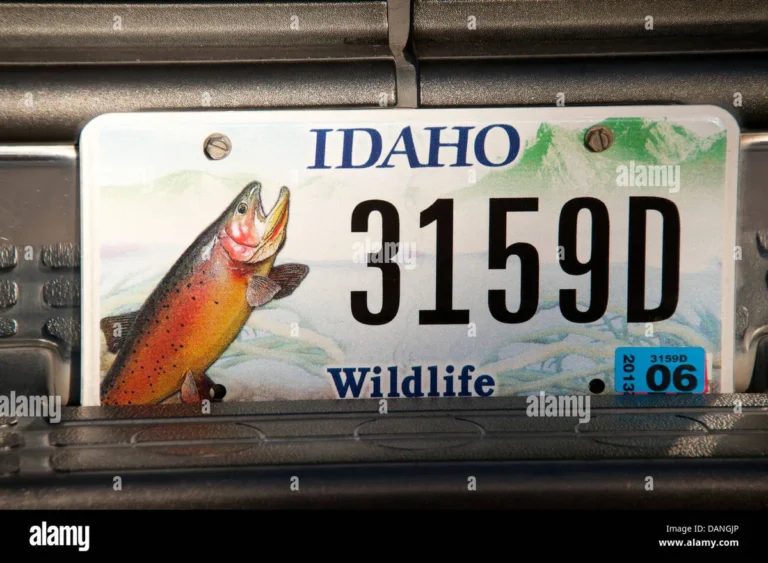
Seasonal plates cover short-term, high-usage periods.
Why Idaho’s Seasonal Ag Vehicle Rules Matter (And What Happens If You Get It Wrong)
Farmers in Idaho can avoid property taxes and registration fees on vehicles used exclusively for agricultural work. But if you register a truck as farm-use when it’s also for personal trips, you risk losing exemptions and facing back taxes.
Bing (Web (fair-use with source credit))
Law enforcement doesn’t always distinguish between a farm truck and a personal one. If your vehicle doesn’t meet the Idaho ITD’s farm-use criteria, you could be pulled over, fined, or forced to re-register at full cost. Worse, during harvest season, a stopped truck means lost time and revenue.
How Idaho Defines an Agricultural Vehicle (And What Doesn’t Count)
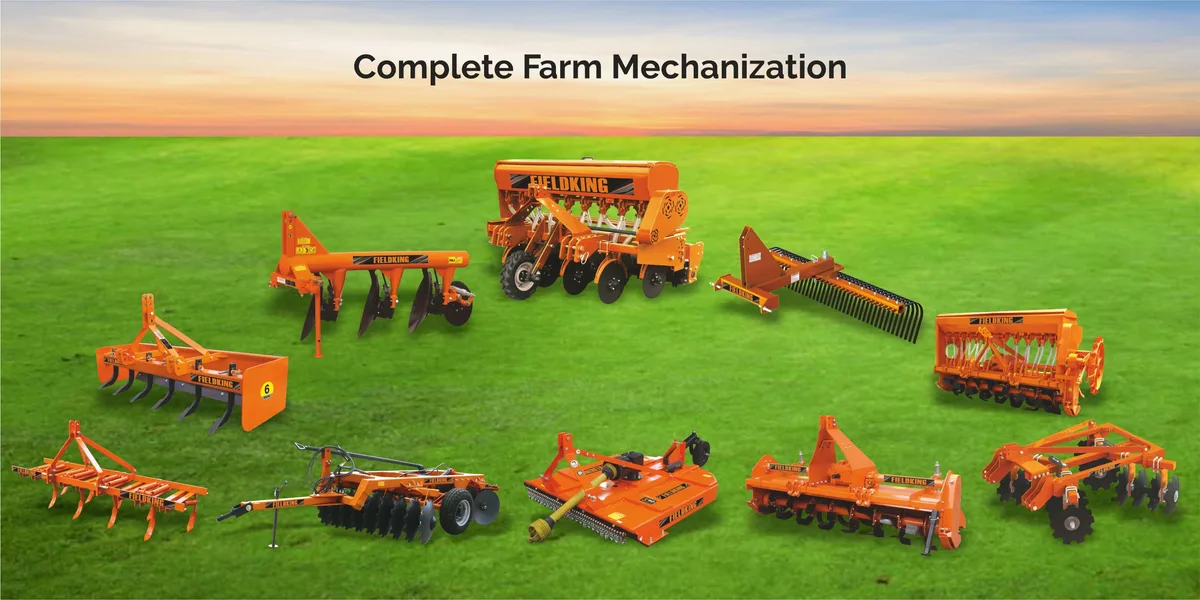
Idaho’s rules split farm vehicles into three categories: trucks, trailers, and implements of husbandry. Implements of husbandry, like plows or harvesters, are often exempt from registration fees entirely.
Bing (Web (fair-use with source credit))
A vehicle qualifies if it’s used primarily for farming and owned by someone engaged in agriculture. That means no daily commuting, no hauling non-farm loads, and no leasing the vehicle for non-agricultural work. The Idaho State Tax Commission provides the official farm-use affidavit to verify eligibility.
The 3 Types of Farm Vehicle Registrations in Idaho
Idaho offers three registration paths for agricultural vehicles. Each has different fees, durations, and use restrictions.
| Type | Duration | Fee | Best For |
|---|---|---|---|
| Seasonal Farm Plates | 6–12 months | Reduced or $0 | Harvest/planting windows |
| Permanent Farm Plates | 1–2 years | Low annual fee | Year-round farm use |
| Implements of Husbandry | N/A | $0 | Non-motorized equipment |
Seasonal plates are ideal for vehicles that only hit the road during planting or harvest. Permanent plates work for trucks used year-round, like livestock haulers. Implements of husbandry, think trailers or plows, don’t need plates at all if they’re not self-propelled.
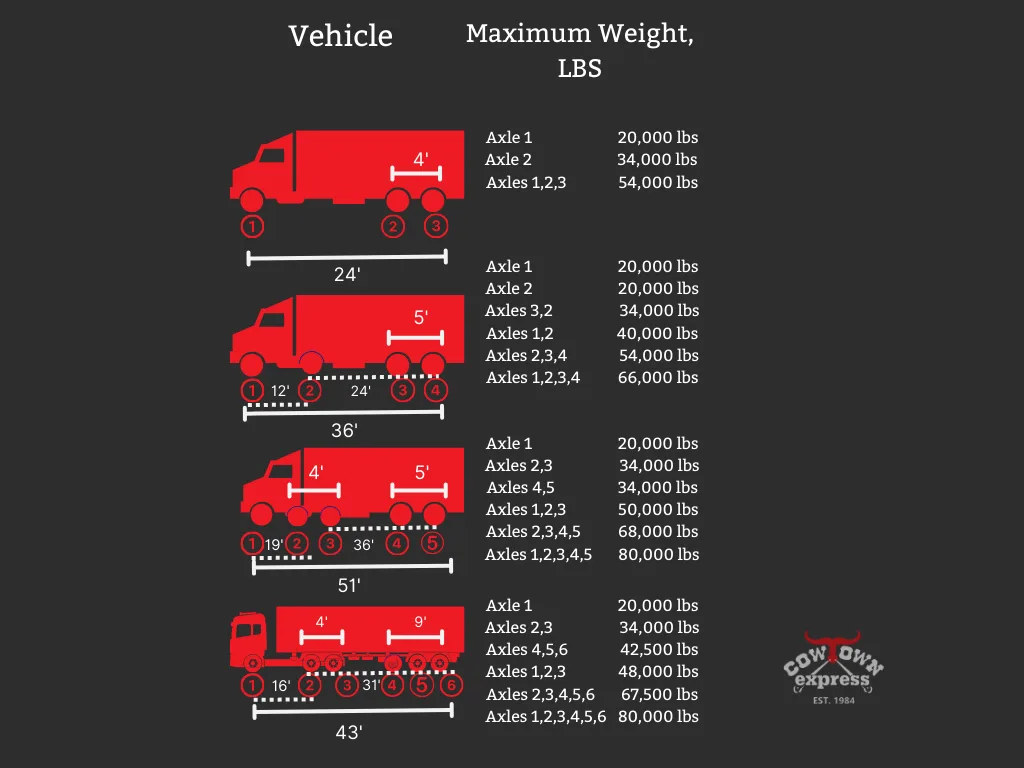
Weight Limits That Change Everything (26,000 lbs vs. 80,000 lbs)
The 26,000-pound GVWR threshold is critical. Vehicles under this limit don’t require a Commercial Driver’s License (CDL) for farm use, per Idaho and federal exemptions.
Bing (Web (fair-use with source credit))
But if your farm truck exceeds 26,000 lbs, you’ll need a CDL unless it’s within 150 air miles of your farm and transporting agricultural products. For vehicles over 80,000 lbs, Idaho requires special permits, even for farm use. Always check your truck’s GVWR on the title or manufacturer specs, guessing can cost you.
Step-by-Step: How to Register a Seasonal Farm Vehicle in Idaho
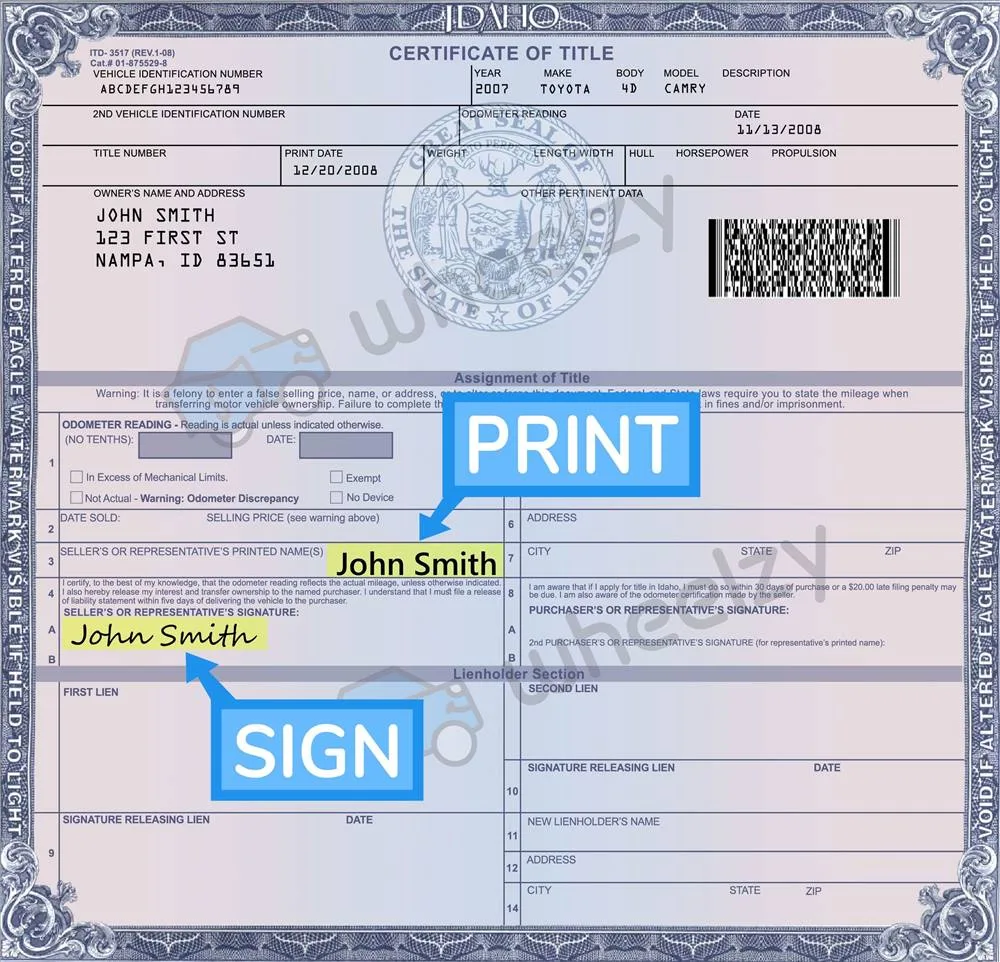
Start at your local Idaho DMV or ITD office. You’ll need proof of ownership, a completed farm-use affidavit, and verification of your vehicle’s GVWR.
Bing (Web (fair-use with source credit))
Bring your USDA farm number or tax documents to confirm agricultural use. If your vehicle is over 26,000 lbs, have your CDL or farm exemption paperwork ready. The process takes about 30 minutes if you have all documents in order.
For similar state-specific vehicle rules, you might also want to understand Connecticut’s registration suspension policies for non-payment of property taxes.
Proof You’ll Need (And Where Farmers Get Rejected)
You’ll need three documents to register a farm vehicle in Idaho. A title or manufacturer’s certificate of origin proves ownership. A completed farm-use affidavit confirms agricultural purpose.
The most common rejection reason is missing a USDA farm number or tax documentation. Without these, the ITD can’t verify you’re actively engaged in farming. Some counties also require a notary stamp on the affidavit.
Seasonal vs. Permanent Farm Plates: Which One Saves You More
Seasonal plates cost less but only cover specific months. They’re best for vehicles used during planting or harvest. Permanent plates have higher upfront fees but last 1, 2 years.
| Factor | Seasonal Plates | Permanent Plates |
|---|---|---|
| Cost | Low or $0 | Moderate annual fee |
| Duration | 6–12 months | 1–2 years |
| Best For | Short-term use | Year-round farming |
If your truck sits idle for half the year, seasonal plates save money. For daily farm work, permanent plates avoid renewal hassles.
CDL Exemptions for Idaho Farm Trucks—When You Need One, When You Don’t
Idaho follows federal rules for farm vehicle CDL exemptions. Trucks under 26,000 lbs GVWR don’t require a CDL for farm use. Vehicles over 26,000 lbs are exempt if operated within 150 air miles of the farm.
The exemption only applies to transporting agricultural products, supplies, or equipment. Hauling non-farm loads, even occasionally, voids the exemption. Always carry proof of farm use if your truck exceeds 26,000 lbs.
Costs: What’s Free, What’s Reduced, and What You’ll Still Pay
Implements of husbandry are typically free to register. Farm trucks under 26,000 lbs often qualify for reduced fees. Heavier vehicles may still pay standard registration costs.
| Vehicle Type | Fee | Notes |
|---|---|---|
| Implements of Husbandry | $0 | Non-motorized equipment |
| Farm Trucks <26,000 lbs | Reduced | Varies by county |
| Farm Trucks >26,000 lbs | Standard | May require CDL |
Some counties charge a small processing fee even for exempt vehicles. Check with your local ITD office for exact amounts.
County vs. ITD: Who Actually Handles Your Registration
Most farm vehicle registrations go through the Idaho Transportation Department. But some counties handle their own agricultural exemptions. Call ahead to confirm where to file.
The ITD manages state-level rules and CDL exemptions. County assessors often verify farm use and property tax exemptions. If you’re unsure, start with the ITD and they’ll direct you to the right office.
Common Mistakes That Trigger Fines (Or Worse)
Using a farm-plated truck for personal errands voids the exemption. If caught, you’ll owe back fees plus penalties. Another common error is forgetting to renew seasonal plates before the window expires.
Some farmers assume all farm vehicles are exempt from CDL requirements. That’s only true under 26,000 lbs or within the 150-air-mile radius. Exceed either limit without a CDL and you risk a citation.
Real-World Scenarios: Potato Haulers, Livestock Trailers, Custom Harvesters
Potato haulers often use seasonal plates during the fall harvest. These trucks may exceed 26,000 lbs but qualify for CDL exemptions if staying within 150 air miles. Always confirm your route meets this requirement.
Livestock trailers under 26,000 lbs can use permanent farm plates. Custom harvesters moving between farms need to track mileage carefully. If you cross the 150-air-mile limit, a CDL becomes mandatory.
FAQs Idaho Farmers Ask About Ag Vehicle Registration
Do I need a CDL for my farm truck in Idaho?
You don’t need a CDL if your truck is under 26,000 lbs GVWR. For heavier vehicles, the 150-air-mile farm exemption applies. Beyond that, a CDL is required.
How much does it cost to register a farm vehicle in Idaho?
Implements of husbandry are free. Farm trucks under 26,000 lbs often have reduced fees. Heavier vehicles may pay standard registration costs.
Can I use my farm truck for personal use?
No. Personal use voids the agricultural exemption. Stick to farm-related tasks only.
What documents do I need for farm vehicle registration?
Bring your title, completed farm-use affidavit, and USDA farm number or tax docs. Some counties require a notary stamp.
How long do seasonal farm plates last?
Seasonal plates typically cover 6 to 12 months. They’re designed for specific farming periods like planting or harvest.