ByMax Lee
Idaho Farm Vehicle Night Travel Rules Explained
Bing (Web (fair-use with source credit))
Moving farm equipment after dark in Idaho isn't just about getting the job done. It's about doing it legally. Idaho agricultural vehicle highway travel restrictions during night hours can trip up even seasoned operators if they overlook lighting, permits, or escort rules.
The stakes are real: fines, impoundment, or worse, a collision on a dark rural road.
Idaho law treats agricultural vehicles differently from standard traffic, but those exemptions don't override safety requirements. As of 2026, the Idaho Transportation Department enforces specific lighting and permit rules for any farm equipment traveling between sunset and sunrise, with no exceptions for harvest urgency.
Quick Answer
Idaho agricultural vehicle highway travel restrictions during night hours require proper lighting and permits for oversize loads. Farm equipment must display an SMV emblem and amber flashing lights after dark. Width over 8 ft 6 in needs a permit.
Escorts are mandatory for loads over 12 ft wide on two-lane roads.
Do You Need a Permit to Move Farm Equipment at Night in Idaho?
You don't need a permit if your equipment stays under 8 ft 6 in wide, 14 ft high, and 75 ft long. But the moment you exceed those limits, Idaho requires a permit, even for farm vehicles.
Implements of husbandry, like tractors and combines, get some leeway, but that doesn't cover oversize dimensions. Check the Idaho Transportation Department's permit portal before moving. Night moves add complexity, so plan ahead.
Idaho's Nighttime Rules for Agricultural Vehicles at a Glance
Idaho's rules hinge on three factors: vehicle type, size, and time of day. After sunset, all agricultural vehicles must have working lights and an SMV emblem. If your equipment is wider than 8 ft 6 in, you'll need a permit, and wider than 12 ft requires an escort.
Here's the quick breakdown:
| Dimension | Permit Required? | Escort Required? |
|---|---|---|
| 8 ft 6 in wide or less | No | No |
| 8 ft 7 in to 12 ft | Yes | No (2-lane) |
| Over 12 ft wide | Yes | Yes (2-lane) |
| Over 14 ft wide | Yes | Yes (all roads) |
What Counts as an "Agricultural Vehicle" Under Idaho Law?
Idaho defines agricultural vehicles as implements of husbandry. This includes tractors, combines, balers, and other machinery used for farming. It covers self-propelled equipment and towed implements like grain carts or planters.
The key is function, not size. Even a small tractor towing a wide header can trigger permit requirements if it exceeds legal dimensions. Idaho Code §49-937 explicitly covers these vehicles, so don't assume farm plates alone exempt you from the rules.
When You Don't Need a Permit (and When You Absolutely Do)
You're in the clear if your equipment stays within standard limits: 8 ft 6 in wide, 14 ft high, and 75 ft long. No permit, no escort, just proper lighting.
But cross those thresholds, and the rules change fast. Width over 8 ft 6 in requires a permit. Over 12 ft wide on a two-lane road?
You'll need an escort. And if you're hauling something taller than 14 ft, you're looking at a route survey and possible restrictions. Always verify with the Idaho Transportation Department before moving.
Lighting & Visibility Requirements After Dark
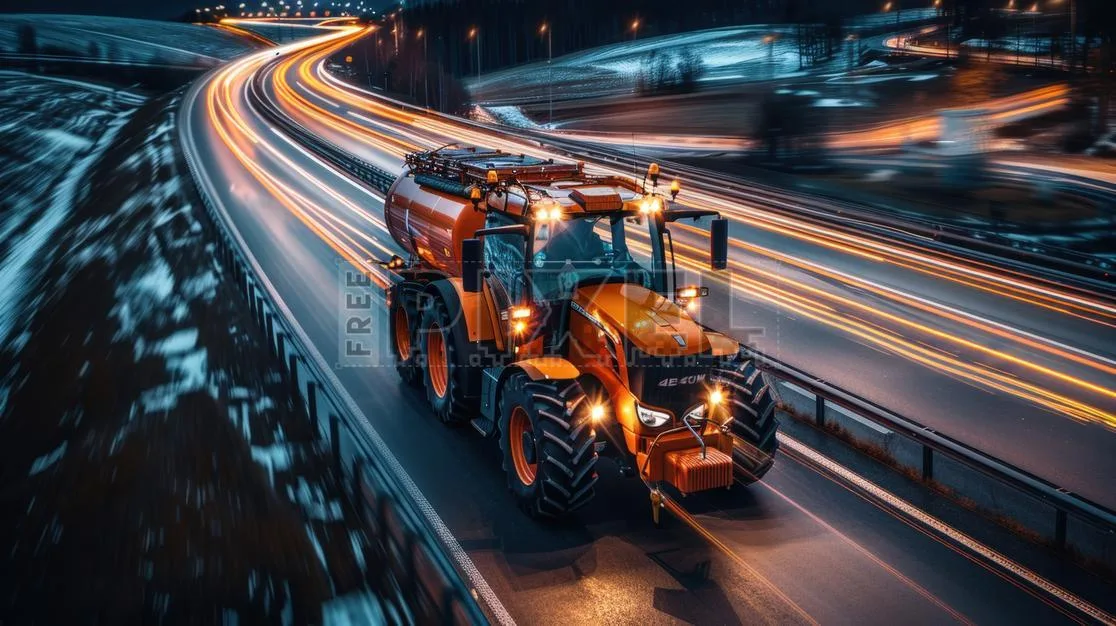
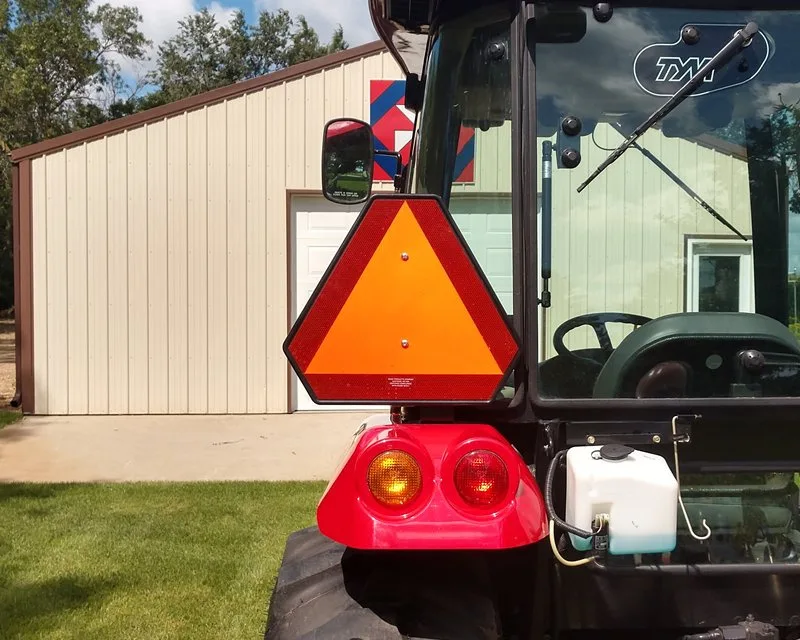
You must have working headlamps, taillamps, and amber flashing lights on any agricultural vehicle moving at night. The Slow-Moving Vehicle emblem is non-negotiable for equipment traveling under 25 mph.
Bing (Web (fair-use with source credit))
The SMV emblem must be mounted 2 to 6 feet above the road, centered on the rear. It needs to be clean and fully visible. If your equipment lacks proper lighting, you risk a fine and a serious safety hazard.
Pilot Cars, Escorts, and When They're Mandatory
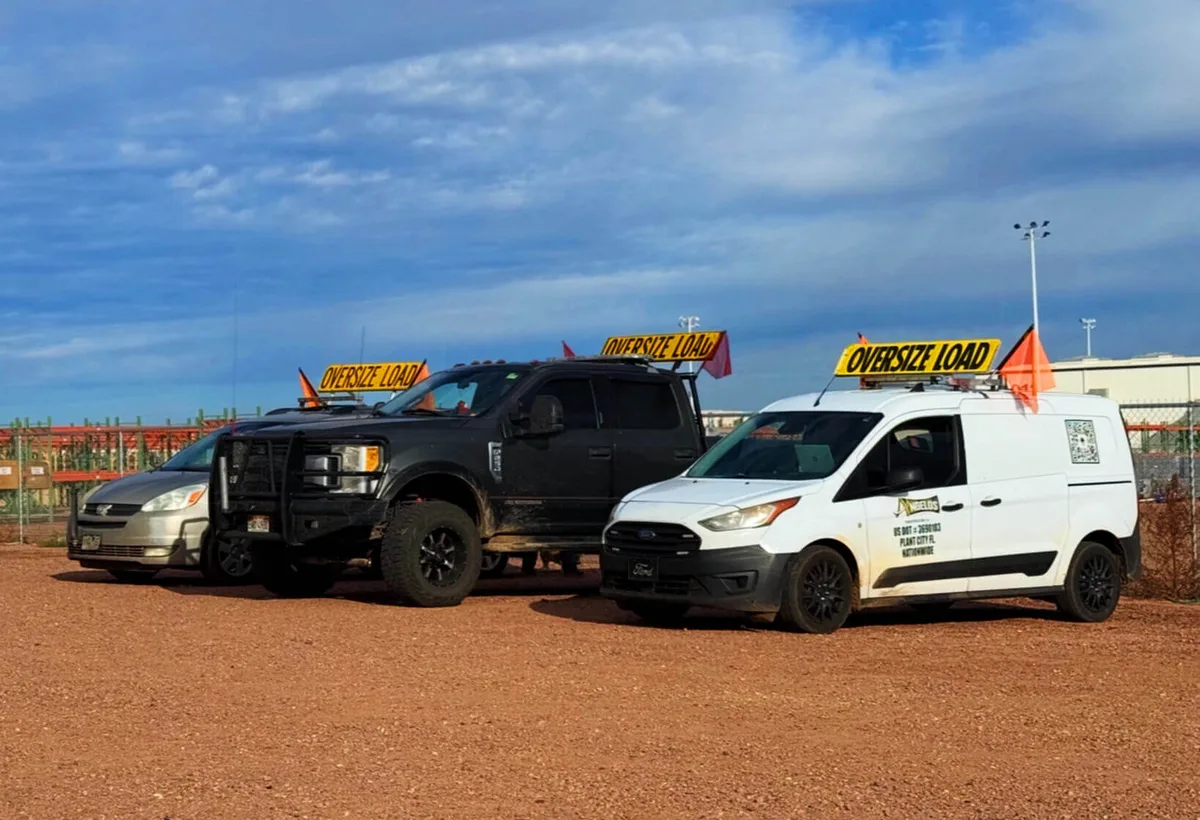
Escorts become mandatory when your load exceeds 12 feet wide on two-lane roads. On interstates, the threshold jumps to 14 feet.
Bing (Web (fair-use with source credit))
Pilot cars must display an "OVERSIZE LOAD" sign and an amber beacon. They also need two-way radio communication with the driver. Without proper escorts, you could face immediate impoundment.
Step-by-Step: How to Legally Move Farm Equipment at Night
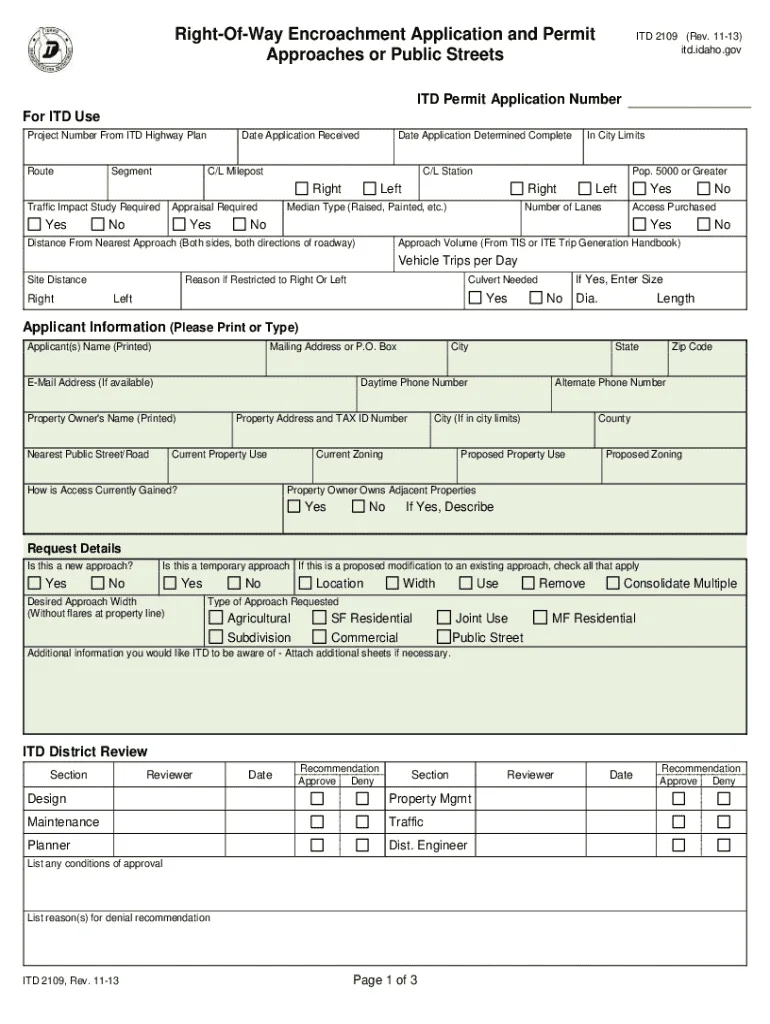
First, measure your equipment's loaded dimensions. If it exceeds 8 ft 6 in wide, apply for a permit through the Idaho Transportation Department's PROS system.
Bing (Web (fair-use with source credit))
Next, verify your route for low bridges or weight restrictions. Then, ensure all lighting and SMV emblems are functional. Finally, carry a copy of your permit and brief your escort team if required.
Common Mistakes That Get Idaho Farmers Fined
Assuming farm plates cover all lighting requirements is a costly error. The SMV emblem is mandatory, not optional, for slow-moving equipment.
Another frequent mistake is forgetting pilot cars for loads over 12 feet wide. Even if you have a permit, missing an escort can void it. Always double-check your dimensions against Idaho's thresholds.
Costs: Permits, Escorts, and Penalties
A single-trip permit starts at $20 plus $0.15 per mile over 50 miles. Annual permits cost $50 for a single vehicle. Seasonal harvest permits run $100 for 60 consecutive days.
Escort services typically charge $1.50 to $2.00 per mile. Violations can result in fines from $150 to $500, plus court costs. Repeat offenses may lead to permit revocation.
Seasonal & Local Exceptions You Should Know
Southern Idaho's Magic Valley allows wider loads during harvest season with a special permit. This covers the peak beet and potato harvest windows from August to October.
Some counties grant variances for local roads, letting you move up to 10 feet wide without a state permit. Always confirm with the county clerk before assuming this applies. State highways still follow the standard 8 ft 6 in rule.
Safety Checklist Before You Hit the Road
Verify all lights are working, including headlamps, taillamps, and amber flashing beacons. Check that the SMV emblem is clean, mounted correctly, and visible from 500 feet.
Test your two-way radios with escorts if required. Carry a printed or digital copy of your permit. Confirm your route has no low bridges or weight restrictions that could block your path.
Verify all lights are working, including headlamps, taillamps, and amber flashing beacons. Check that the SMV emblem is clean, mounted correctly, and visible from 500 feet.
Test your two-way radios with escorts if required. Carry a printed or digital copy of your permit. Confirm your route has no low bridges or weight restrictions that could block your path.
FAQs About Idaho's Nighttime Ag Vehicle Rules
Do I need a CDL to move farm equipment at night?
No, Idaho's farm exemption covers CDL requirements for agricultural vehicles operating within 150 air miles of the farm. You still need a valid Class D license.
Can I move a combine header separately without a permit?
If the header exceeds 8 ft 6 in wide, you need a permit. Even detached implements count toward width limits.
What's the fine for missing an SMV emblem at night?
The fine ranges from $150 to $500. More importantly, you risk a rear-end collision without proper visibility markers.
Are there different rules for interstates vs. state highways?
Yes. On interstates, the escort threshold is 14 feet wide. On two-lane roads, it drops to 12 feet.
How far in advance do I need to apply for a permit?
Single-trip permits can often be issued same-day through the ITD PROS system. Annual permits take longer, so apply at least a week ahead.