Indiana’s permissive yellow light law and intersection safety standards often confuse drivers, especially when deciding whether to stop or proceed. The rules are precise, and misunderstanding them can lead to tickets or dangerous collisions.
Per the Manual on Uniform Traffic Control Devices (MUTCD), yellow lights typically last 3, 6 seconds, but Indiana’s timing depends on speed limits and intersection design. Here’s what you need to know to stay safe and legal.
Quick Answer
Indiana permissive yellow light law and intersection safety standards allow entering an intersection on yellow if you can’t stop safely. The yellow phase lasts 3, 6 seconds, based on speed and road conditions. You must clear the intersection before the light turns red.
Running a red light in Indiana can result in fines up to $500.
What Indiana’s Permissive Yellow Light Law Actually Means
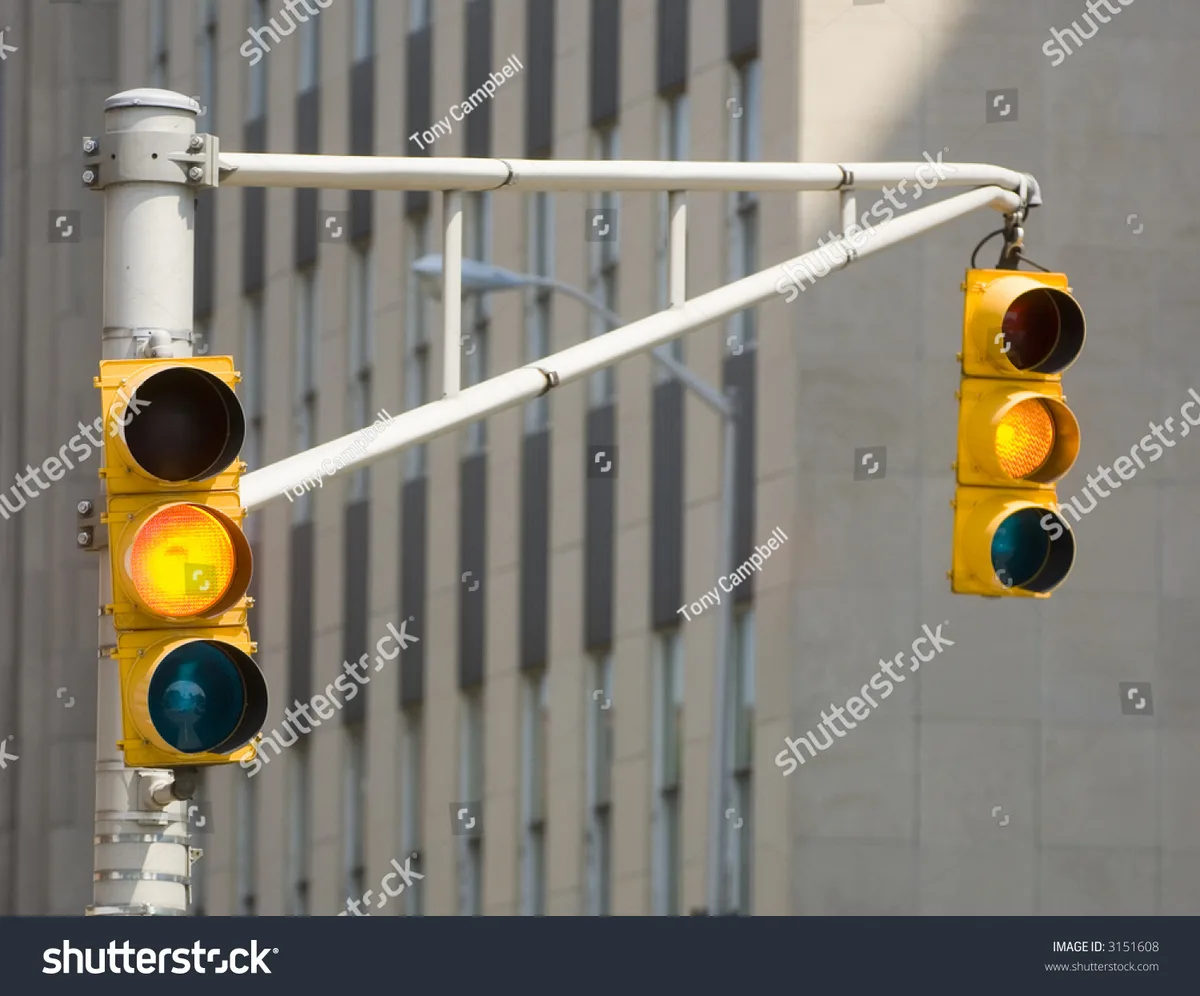
Indiana follows a permissive yellow light rule under Indiana Code 9-21-8-36. This means you may enter an intersection on yellow if stopping would be unsafe. The law assumes drivers will use reasonable judgment based on distance, speed, and traffic conditions.
The key term here is "permissive." Unlike a protected phase (like a green arrow), a yellow light doesn’t guarantee right-of-way. You’re permitted to proceed only if you’re already in the intersection or so close that stopping would cause a rear-end collision. If you can stop safely, you must.
How Yellow Light Timing Works in Indiana
Yellow light duration isn’t arbitrary. Traffic engineers use the Institute of Transportation Engineers (ITE) formula to calculate it:
| Factor | Formula Component | Typical Value |
|---|---|---|
| Base time | 1.0 seconds | Fixed |
| Speed adjustment | 0.27 × speed (mph) | Varies |
| Intersection length | (L + W) / speed | L = length, W = width |
For example, at a 45 mph intersection with a 100-foot crossing, the yellow light would last roughly 4.5 seconds. Indiana Department of Transportation (INDOT) adjusts these times based on local traffic studies.
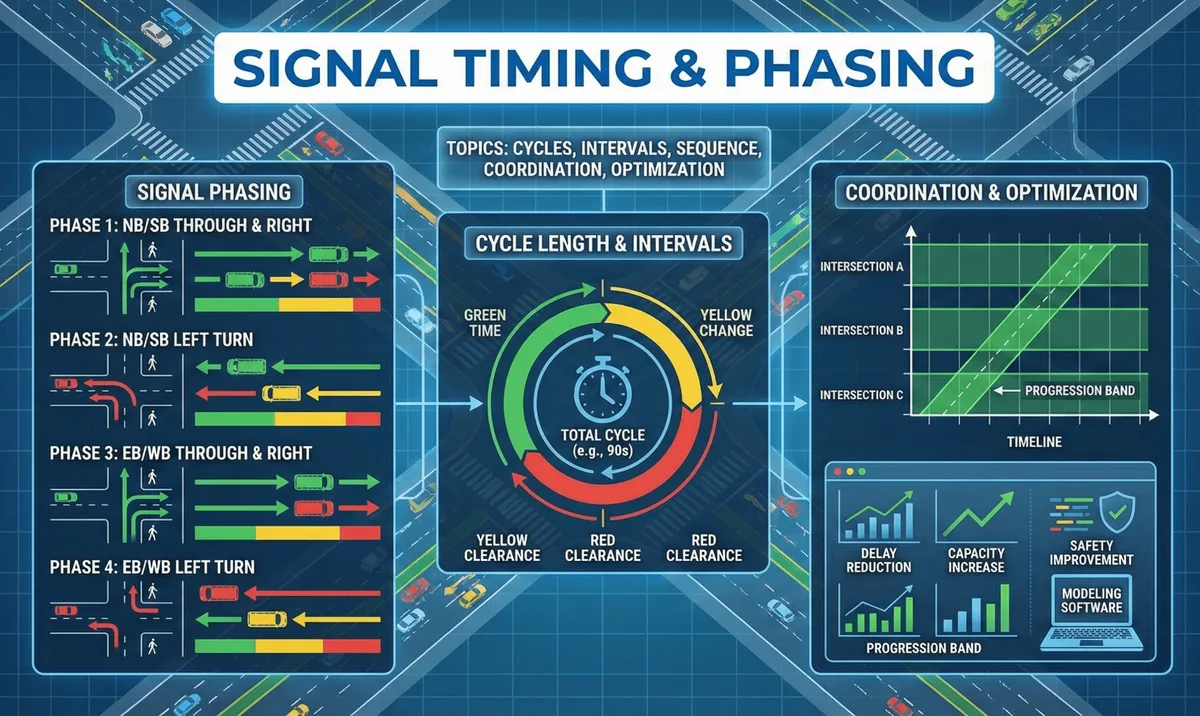
As of 2026, most urban intersections in Indiana use 4, 5 second yellows, while rural high-speed zones may extend to 5, 6 seconds.
When You Can (and Can’t) Legally Enter an Intersection on Yellow
You can enter on yellow if:
- You’re already in the intersection when the light changes.
- You’re too close to stop safely without causing a rear-end collision.
- No other traffic or pedestrians have the right-of-way.
You cannot enter on yellow if:
- You can stop safely before the crosswalk or stop line.
- The light has already turned red by the time you reach the intersection.
- You’re making a left turn and oncoming traffic has a green light.
Indiana law treats running a red light as a Class C infraction, with fines starting at $100.
Indiana’s Traffic Signal Standards vs. National Guidelines
Indiana aligns with the Federal Highway Administration’s (FHWA) MUTCD, but local agencies can adjust timing. The MUTCD sets minimum yellow durations based on approach speed:
| Speed Limit (mph) | Minimum Yellow Time (seconds) |
|---|---|
| 25 | 3.0 |
| 35 | 3.5 |
| 45 | 4.0 |
| 55 | 4.5 |
| 65 | 5.0 |
INDOT often adds 0.5, 1 second to these minimums for safety. Some cities, like Indianapolis, use adaptive signals that adjust timing based on real-time traffic flow.
The Dilemma Zone: Why Drivers Get Yellow Lights Wrong
The dilemma zone is the stretch of road where you’re too close to stop safely but too far to clear the intersection before the light turns red. It’s a major factor in yellow light timing decisions.
Engineers aim to minimize this zone by adjusting signal timing. But at higher speeds, the zone can stretch up to 2, 3 seconds of travel time, forcing split-second decisions.
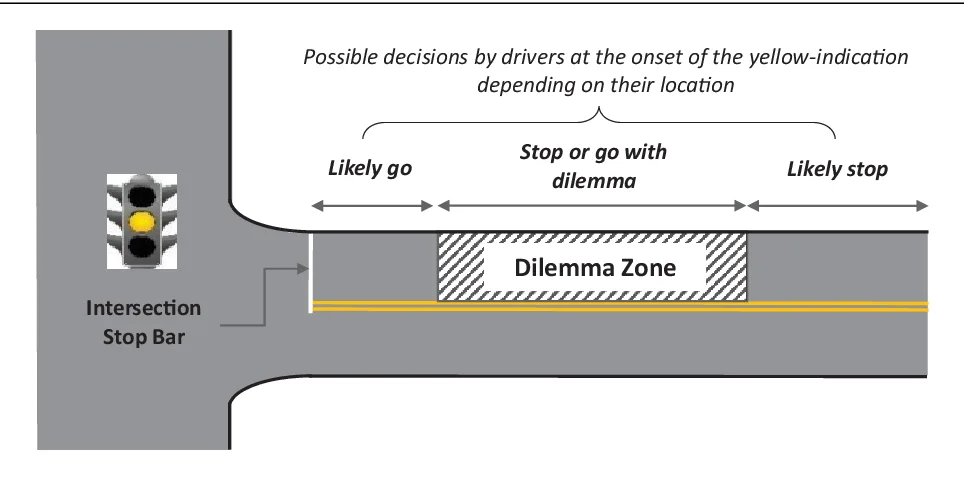
Drivers often misjudge their speed or distance, leading to either a sudden stop or a red-light violation.
Right-of-Way Rules at Indiana Intersections
Indiana follows standard right-of-way rules. The first vehicle to arrive at an intersection has priority. At stop signs, the driver who stops first goes first.
For uncontrolled intersections, the vehicle on the left yields to the one on the right. At traffic signals, green means go, yellow means caution, and red means stop.
Left turns add complexity. You must yield to oncoming traffic and pedestrians, even if your light is green.
Permissive vs. Protected Left Turns: What’s the Difference?
A permissive left turn means you can turn left on a green light if the way is clear. You must yield to oncoming traffic and pedestrians.
A protected left turn gives you the right-of-way with a green arrow. Oncoming traffic is stopped, so you can turn safely.
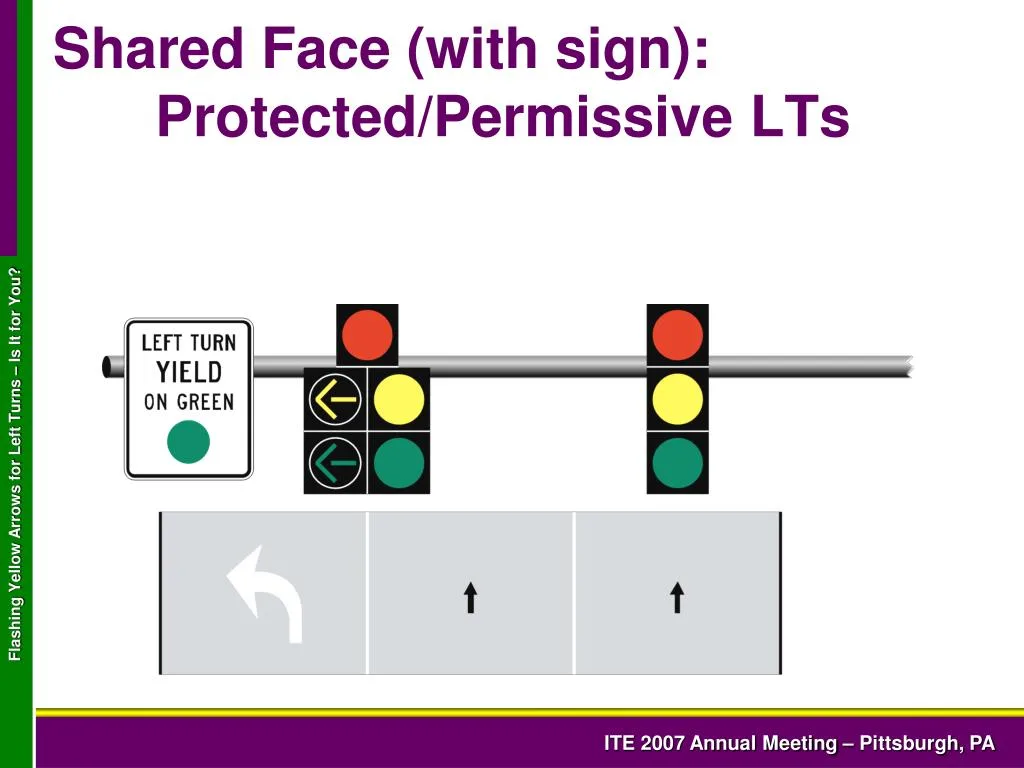
Indiana uses both types. Permissive left turns are common at lighter traffic intersections, while protected left turns appear at busier or more dangerous locations.
Common Mistakes That Lead to Tickets or Crashes
Running a red light is the most obvious mistake. But entering an intersection on yellow when you could have stopped safely is just as risky.
Another common error is misjudging the timing of a left turn. Drivers often assume they have more time than they do, leading to collisions with oncoming traffic.
Speeding up to beat a yellow light is dangerous. It increases the chance of a collision and can result in a ticket if you’re caught.
How to Stay Safe at Indiana Intersections
Always scan the intersection before entering. Look for pedestrians, cyclists, and other vehicles that may have the right-of-way.
Maintain a safe following distance. This gives you more time to react if the car in front of you stops suddenly at a yellow light.
Use turn signals early. This alerts other drivers and pedestrians to your intentions, reducing the risk of a collision.
Indiana’s Yellow Light Laws vs. Other States
Indiana’s permissive yellow light rule is similar to most states. You can enter on yellow if stopping isn’t safe. But some states have stricter interpretations.
California requires a full stop if you can do so safely before the crosswalk. New York treats running a yellow light as a violation if you could have stopped. Indiana’s approach is more lenient, focusing on the driver’s reasonable judgment.
What Happens If You Run a Red or Yellow Light in Indiana?
Running a red light in Indiana is a Class C infraction. Fines start at $100 but can exceed $500 with court fees. Points may also be added to your driving record.
Running a yellow light isn’t illegal if you can’t stop safely. But if you enter the intersection after the light turns red, it’s treated the same as running a red light. Police can issue tickets based on traffic camera evidence or direct observation.
How Traffic Signal Timing Is Calculated (And Why It Matters)
Traffic engineers use the ITE formula to set yellow light durations. The formula accounts for approach speed, intersection width, and driver reaction time.
For a 45 mph road with a 100-foot intersection, the yellow light would last about 4.5 seconds. INDOT adjusts these times based on traffic volume and accident history. Proper timing reduces both rear-end collisions and red-light violations.
Where to Find Official Indiana Traffic Signal Rules
The Indiana Code (IC 9-21) covers traffic signal laws. IC 9-21-8-36 specifically addresses permissive yellow lights. IC 9-21-8-37 outlines red light violations.
For signal timing standards, refer to the MUTCD and INDOT’s traffic engineering manuals. These documents provide the technical guidelines used by Indiana’s traffic engineers.
How to Stay Safe at Intersections (Driver & Pedestrian Tips)
Drivers should always scan intersections before entering. Look for pedestrians, cyclists, and other vehicles that may have the right-of-way.
Pedestrians should wait for the walk signal and look both ways before crossing. Never assume drivers will stop, even if you have the right-of-way.
Both drivers and pedestrians should avoid distractions. Staying alert at intersections can prevent accidents and save lives.
Frequently Asked Questions
Can you run a yellow light in Indiana?
Yes, but only if you can’t stop safely. Indiana’s permissive yellow light law allows you to enter the intersection if stopping would cause a rear-end collision. You must still clear the intersection before the light turns red.
How long is a yellow light in Indiana?
Yellow light duration varies by speed limit and intersection size. Urban areas typically use 4, 5 seconds, while rural high-speed zones may have 5, 6 seconds. Engineers calculate timing using the ITE formula.
What’s the difference between permissive and protected left turns?
A permissive left turn allows you to turn left on a green light if the way is clear, but you must yield. A protected left turn gives you the right-of-way with a green arrow, and oncoming traffic is stopped.
What’s the fine for running a red light in Indiana?
Running a red light is a Class C infraction. Fines start at $100 and can exceed $500 with court fees. Points may also be added to your driving record.
How do traffic engineers determine yellow light timing?
They use the ITE formula, which factors in approach speed, intersection width, and driver reaction time. INDOT adjusts these times based on local traffic studies and accident history.