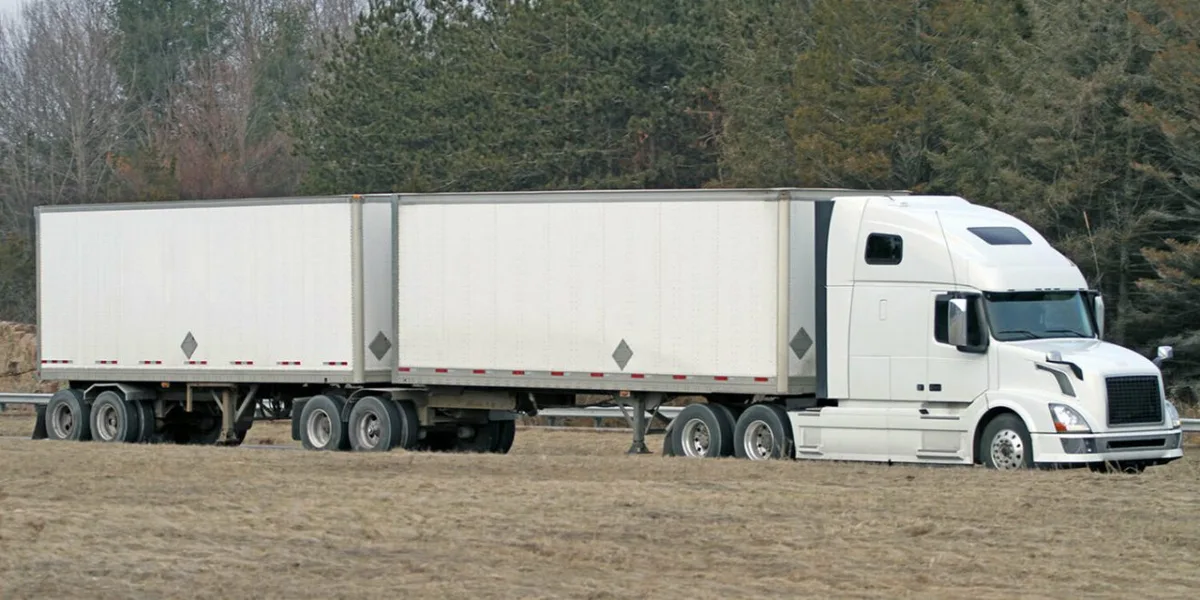
Indiana’s 60-foot maximum length for two vehicles coupled together is a hard limit you can’t ignore. Whether you’re hauling a trailer for work, towing an RV, or moving equipment, this rule applies to any combination of two connected vehicles on public roads.
As of 2026, the Indiana Bureau of Motor Vehicles enforces this under state code IC 9-20-1-1, and exceeding it without a permit can mean fines or delays.
Quick Answer
Indiana’s 60-foot maximum length for two vehicles coupled together is the legal cap. This includes the tow vehicle and trailer combined. The rule applies to all public roads.
No exceptions exist for standard passenger or commercial setups.
Why This Length Limit Matters for You
This isn’t just a bureaucratic rule. Longer combinations are harder to control, especially in tight turns or high winds. Indiana’s limit balances safety with practical needs for industries like farming and trucking.
For commercial drivers, staying under 60 feet avoids costly fines and keeps operations smooth. For RV owners, it means planning your rig size carefully before hitting the road.
The Exact Law: Indiana’s 60-Foot Maximum for Two Vehicles
Indiana Code 9-20-1-1 sets the 60-foot limit for any two vehicles coupled together. This includes semi-trucks with trailers, pickup trucks towing campers, and even agricultural equipment.
The law doesn’t distinguish between vehicle types. Whether it’s a Class A motorhome towing a car or a flatbed hauling a boat, the combined length can’t exceed 60 feet without a special permit.
What Counts as “Two Vehicles Coupled Together”?
Any two vehicles connected by a hitch, fifth-wheel, or pintle hook fall under this rule. Common examples include:
- Semi-trucks with trailers
- Pickup trucks towing travel trailers or flatbeds
- RVs towing a car or boat
- Farm tractors pulling equipment
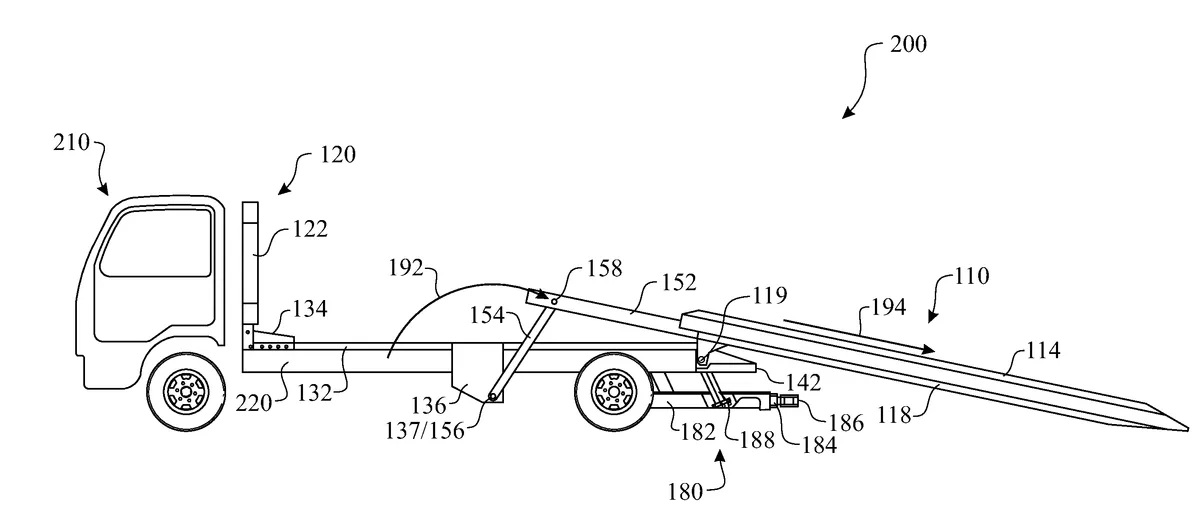
The connection method doesn’t matter. If they’re physically linked and moving as one unit, they’re subject to the 60-foot cap.
How to Measure Your Combined Length Correctly
Start at the front bumper of the tow vehicle. Measure straight back to the rear bumper of the trailer or towed unit. Include any overhangs, like a spare tire or extended hitch.
A common mistake is forgetting to account for the hitch itself. That extra foot or two can push you over the limit. Use a tape measure or laser tool for accuracy.
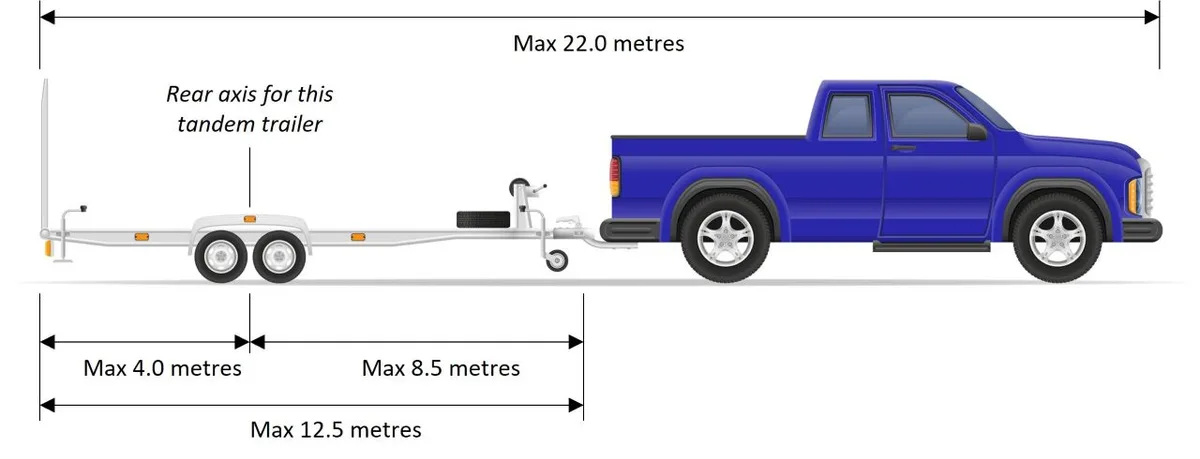
If you’re unsure, Indiana’s Bureau of Motor Vehicles provides guidelines. Double-check before hitting the road, especially if you’re near the limit.
Exceptions and Special Cases (When 60 Feet Doesn’t Apply)
Indiana allows longer combinations with a special permit. These are typically for oversize loads like construction equipment or agricultural machinery.
Farm vehicles may qualify for exemptions under certain conditions. Check with the Indiana Department of Transportation for specifics.
Indiana vs. Neighboring States: Length Limits at a Glance
Indiana’s 60-foot rule is stricter than some neighbors. Illinois and Ohio allow 70 feet for certain truck-trailer setups with permits. Kentucky and Michigan also permit longer combinations in specific cases.
Always verify state laws before crossing borders.
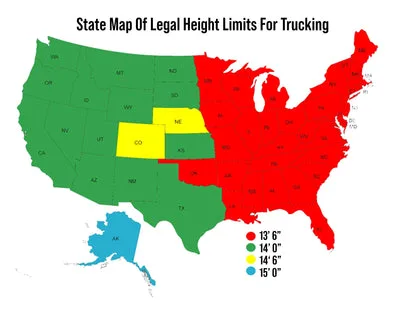
Here’s a quick comparison:
| State | Standard Limit | Permit Allowed Length |
|---|---|---|
| Indiana | 60 ft | Varies by load |
| Illinois | 60 ft | 70 ft |
| Ohio | 60 ft | 75 ft |
| Kentucky | 60 ft | 70 ft |
| Michigan | 60 ft | 75 ft |
What Happens If You Exceed 60 Feet?
Fines start at $100 and increase with excess length. You may also face vehicle impoundment for severe violations.
Law enforcement can pull you over for measurement checks. Weigh stations often verify compliance too.
How to Stay Compliant: Permits, Inspections, and Best Practices
Apply for an oversize permit through the Indiana BMV if needed. These typically require route approval and may have time restrictions.
Pre-trip inspections are critical. Verify your hitch, lights, and load distribution before every trip.
Common Mistakes That Get Drivers in Trouble
Many drivers forget to include the hitch in their measurement. That extra foot can push you over the limit.
Others assume farm or RV setups are exempt. Always confirm with Indiana’s official guidelines.
Real-World Scenarios: Who This Affects Most
Commercial truckers face this rule daily. A standard 53-foot trailer plus a long tractor can easily exceed 60 feet without careful planning.
RV owners towing a car or boat must measure carefully. A 40-foot motorhome with a 15-foot trailer is already over the limit.
Farmers hauling equipment often need permits. Large combines or harvesters may require special approval even if under 60 feet.
Where to Check the Official Rules (And Why You Should)
The Indiana Bureau of Motor Vehicles publishes the latest regulations. Their website has the full legal text and permit applications.
The Indiana Department of Transportation provides additional guidance. They handle oversize load permits and route restrictions.
For federal interstate rules, check the FMCSA website. Their regulations apply to commercial vehicles crossing state lines.
Quick FAQs About Indiana’s Towing Length Laws
Does the 60-foot limit include the hitch?
Yes. The measurement runs from the front bumper of the tow vehicle to the rear bumper of the trailer, including the hitch.
Can I tow a 53-foot trailer in Indiana?
Only if the combined length of your truck and trailer stays under 60 feet. Most semi-trucks with 53-foot trailers exceed this limit.
Are there any exemptions for farm vehicles?
Some agricultural equipment qualifies for exemptions. You must apply through the Indiana BMV and follow specific conditions.
What’s the fine for exceeding 60 feet?
Fines start at $100 and increase based on how much you exceed the limit. Severe violations may result in vehicle impoundment.
Do I need a permit for a 60-foot combination?
No permit is needed if you’re exactly at 60 feet. Anything longer requires a special permit from the Indiana BMV.