ByMax Lee
Indiana License Plate Frame Rules & Visibility Laws
Indiana license plate frame law and state name visibility requirements are strict about keeping your plate fully readable. If your frame covers even part of the state name, registration stickers, or alphanumeric characters, you risk a ticket.
Per Indiana Code 9-18.5-5-2, any obstruction of required plate information is illegal. That means no decorative edges, thick borders, or covers that hide what’s printed on the plate.
Quick Answer
Indiana license plate frame law and state name visibility requirements ban any frame that blocks the plate number, letters, or state name. The state name "Indiana" must be fully visible at all times. Registration stickers cannot be covered either.
Frames that obscure these elements are illegal.
What Indiana’s License Plate Frame Law Actually Says
Indiana’s law is clear: your license plate must be completely legible. This includes the alphanumeric sequence, the state name, and any registration decals. The rule exists to ensure law enforcement and automated systems can identify vehicles without issue.
The Indiana Bureau of Motor Vehicles (BMV) enforces this under IC 9-18.5-5-2. It doesn’t matter if the obstruction is intentional or accidental. If a frame, cover, or even dirt blocks any part of the plate, you’re in violation.
The Quick Rule: Can You Use a Frame in Indiana?
Yes, you can use a frame, but only if it doesn’t cover any part of the plate. Thin, border-only frames that don’t overlap the plate’s text or state name are generally acceptable. The key is ensuring nothing interferes with visibility.
Avoid frames with raised edges, logos, or designs that spill onto the plate itself. Even a small overlap can trigger a citation.
What Must Stay Visible on Your Plate
Your plate has several critical elements that must remain unobstructed:
- The full alphanumeric sequence
- The word "Indiana" at the top or bottom
- Any registration stickers
- The plate’s reflective coating
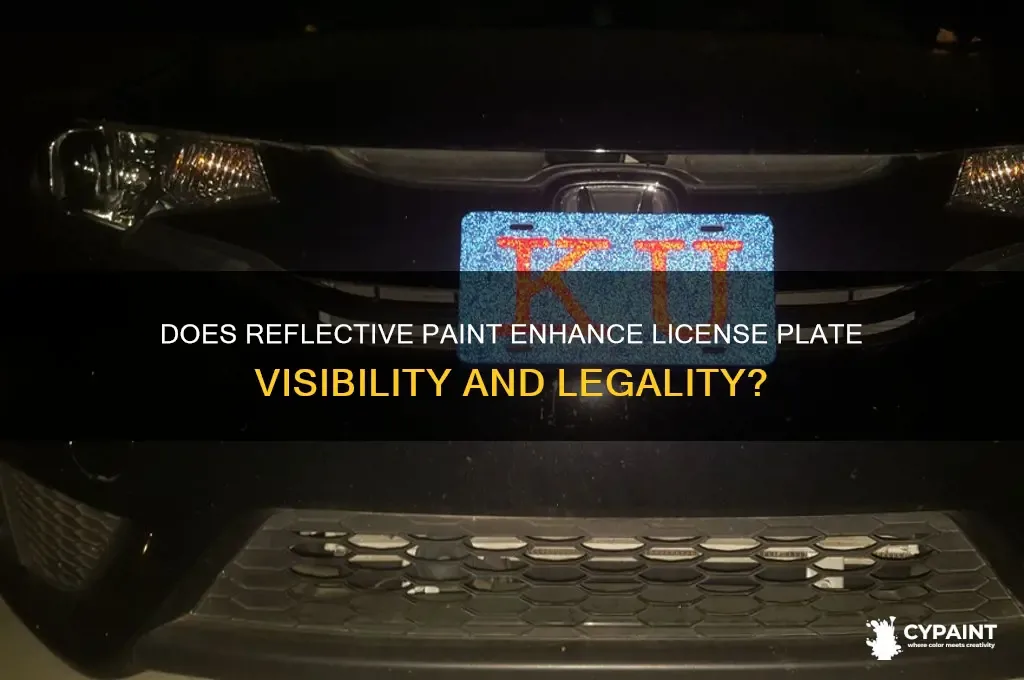
A frame that touches or covers any of these is non-compliant. Even a thin plastic lip that casts a shadow over the state name can be enough to fail an inspection.
Why Indiana Cracks Down on Obstructed Plates
Obstructed plates create problems for traffic enforcement. Automated cameras and officers rely on clear, unblocked plates to identify vehicles. A covered state name or partial plate number can delay investigations or lead to misidentification.
Indiana’s approach aligns with most states, but enforcement can vary by county. Some areas issue warnings first, while others go straight to fines. The BMV also checks plate visibility during registration renewals, so non-compliant frames can cause delays.
Legal vs. Illegal Frame Types in Indiana
Frames That Are Usually Fine
Thin, flat frames that sit outside the plate’s edges are typically legal. These don’t cover any text, stickers, or the state name. Metal or plastic borders under 1/4 inch wide usually pass inspection.
Avoid frames with raised lips or designs that creep onto the plate surface. Even a small overlap can trigger a citation.
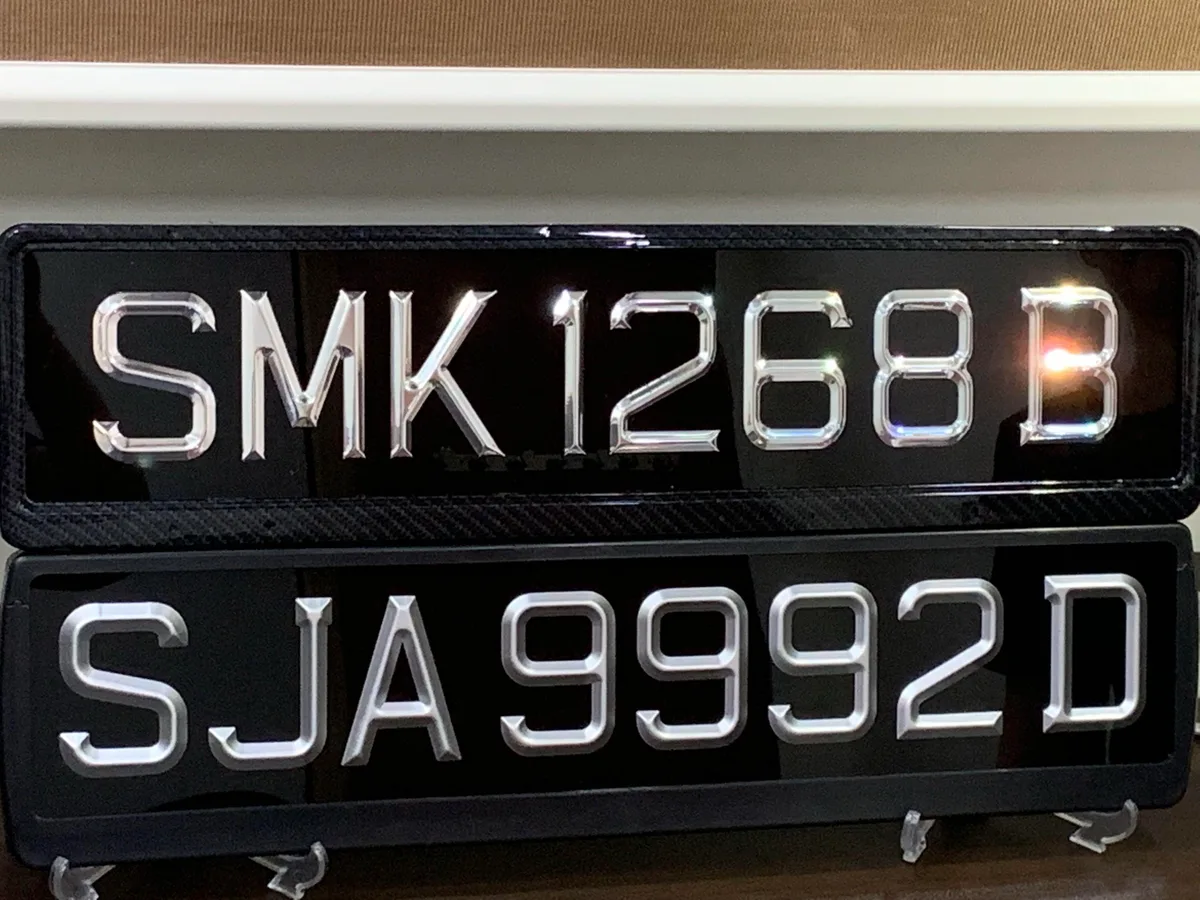
Frames That’ll Get You Pulled Over
Frames with thick borders, logos, or decorative elements that touch the plate are illegal. This includes frames that cover the bolts or registration stickers. Any obstruction, even partial, violates IC 9-18.5-5-2.
Officers don’t distinguish between intentional and accidental obstructions. If it blocks visibility, it’s non-compliant.
How to Check if Your Frame Is Compliant
Start by looking at your plate from 50 feet away. If any part of the state name, numbers, or stickers is hard to read, the frame is likely illegal.
Next, run your finger along the plate’s edge. If the frame overlaps the plate at all, remove it. A compliant frame should sit flush against the plate without covering any printed area.
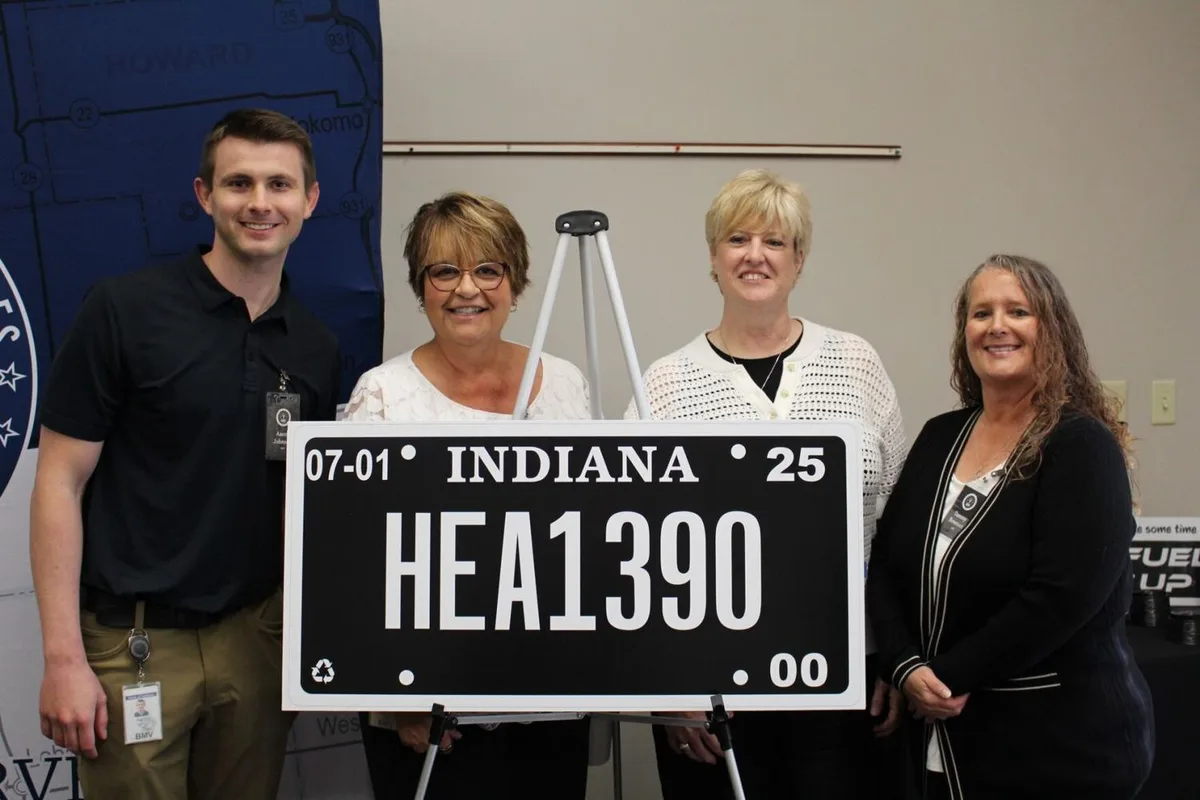
The BMV may also check during registration renewals. If your frame fails, you’ll need to remove or replace it before passing inspection.
What Happens If Your Frame Breaks the Law?
You’ll typically receive a fix-it ticket first. This gives you a set period, often 10 to 30 days, to correct the issue. Ignoring it can lead to fines, usually between $25 and $100 depending on the county.
In some cases, officers may issue a fine immediately. Repeat offenses can result in higher penalties or even court appearances. The Indiana State Police enforce this strictly, especially in areas with heavy traffic monitoring.
Real-Life Examples: Compliant vs. Non-Compliant Setups
A simple chrome frame that clips around the plate’s outer edge is compliant. It doesn’t touch the plate’s surface or cover any text.
A frame with a university logo that sits over the top of the plate is not. Even if the logo is small, it blocks part of the state name or numbers. Another common violation is a frame that covers the registration sticker in the corner.
Dealer Frames: Are They Automatically Legal?
No, dealer-installed frames are not guaranteed to be compliant. Many come with logos or thick borders that cover plate edges. Always check the fit before leaving the lot.
Some dealerships use frames that meet Indiana’s standards, but others don’t. If the frame touches the plate’s printed area, ask for it to be removed.
Motorcycles, Trailers, and Special Cases
Motorcycles often have smaller plates, so frame compliance is even stricter. Any frame that covers the state name or numbers is illegal, just like with cars. The same rule applies to trailers and RVs.
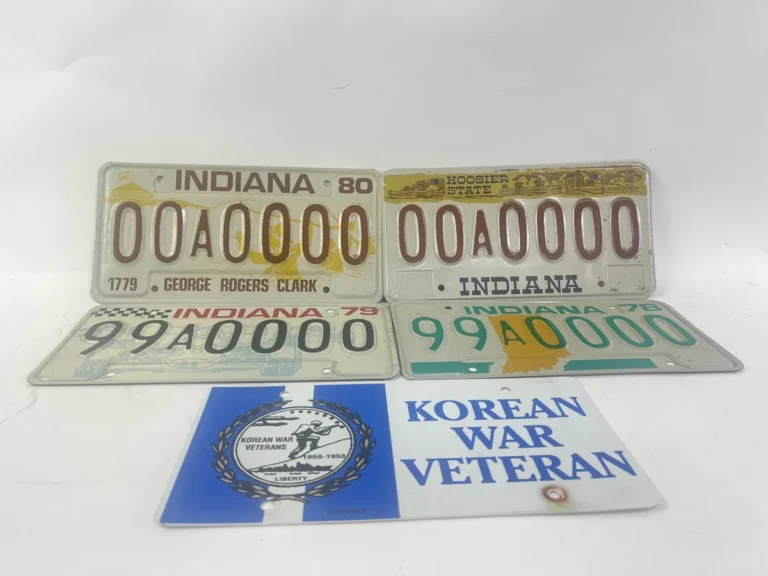
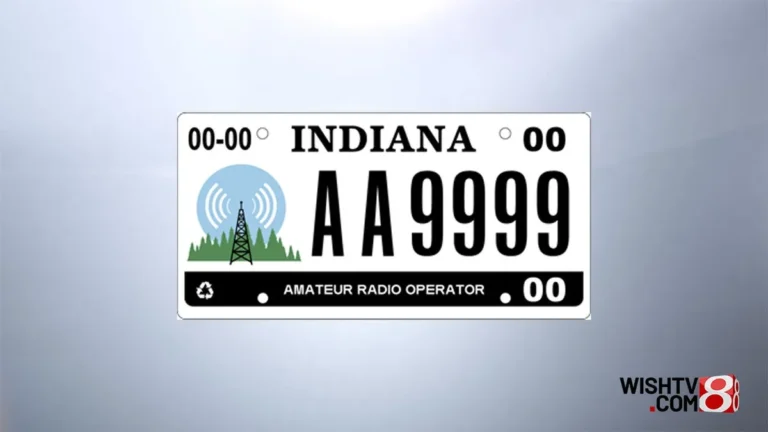
For specialty plates, like veteran or personalized tags, the visibility requirements don’t change. The state name and alphanumeric sequence must remain fully unobstructed. Indiana’s BMV treats all plate types the same under IC 9-18.5-5-2.
How to Fix a Non-Compliant Frame Fast
The simplest solution is to remove the frame entirely. Most plates don’t need one, and this eliminates any risk of obstruction. If you prefer a frame, choose a thin, flat design that sits outside the plate’s edges.
For frames that are slightly too large, you can often trim the inner edge with a utility knife. Just ensure the cut is clean and doesn’t leave sharp edges.
Where to Find the Official Rules
The Indiana Bureau of Motor Vehicles (BMV) website lists the full requirements under vehicle equipment laws. You can also find the specifics in the Indiana Code, Section 9-18.5-5-2.
For in-person help, visit any BMV branch. They can confirm whether your frame meets the state’s standards. The official BMV site is the most reliable source for updates.
Frequently Asked Questions
Can I use a frame that covers the plate bolts?
No. Any frame that covers the bolts or touches the plate’s surface is non-compliant. The bolts are part of the plate’s required visibility.
Are clear plastic covers allowed?
Only if they don’t distort or obscure the plate. Most aftermarket clear covers are illegal because they reduce visibility, especially at night.
What’s the fine for a non-compliant frame?
Fines typically range from $25 to $100, depending on the county. You may first receive a fix-it ticket with a deadline to correct the issue.
Do I need a frame at all?
No. Frames are optional, and many drivers skip them to avoid any compliance risks.
Can I get a warning instead of a fine?
Yes, many officers issue warnings for first offenses. However, repeat violations usually result in fines.